1. ArchDaily
  2. New York

New York: The Latest Architecture and News

10 Contemporary Buildings Inspired by the Egyptian Pyramid Typology

Subscriber Access | 

As one of the wonders of the world, the Egyptian pyramids are steeped in rich history and shrouded in mystery. Using their unparalleled resources to create structures on a scale that had never been seen before, the ancients used the pyramid shape to construct structurally resilient and visually powerful icons, surviving the ravages of time. Presenting a new definition in terms of monumentality, these architectural marvels remain a timeless and influential form for design concepts today.

Although its origins are historical in nature, this iconic structure is resurfacing in many architectural projects around the world, modern pyramid architecture for a range of different functions and applications. From sustainable building, museums, malls and residential structures, the pyramid typology is visually enthralling and can be constructed in a range of different materials and environments.

10 Contemporary Buildings Inspired by the Egyptian Pyramid Typology - Image 1 of 410 Contemporary Buildings Inspired by the Egyptian Pyramid Typology - Image 2 of 410 Contemporary Buildings Inspired by the Egyptian Pyramid Typology - Image 3 of 410 Contemporary Buildings Inspired by the Egyptian Pyramid Typology - Image 4 of 410 Contemporary Buildings Inspired by the Egyptian Pyramid Typology - More Images+ 6

Manhattan’s Japan Society Explores Artist Kazuko Miyamoto’s Relationship with her Studio Architecture

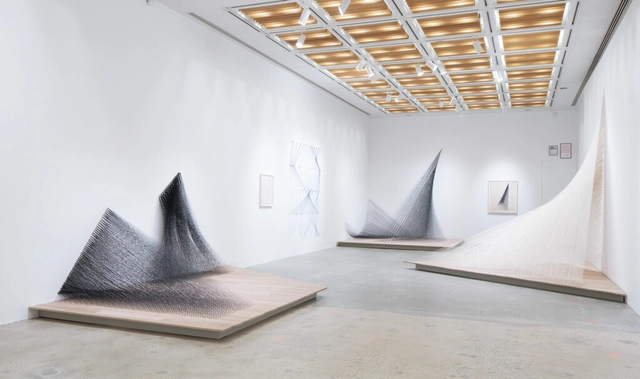
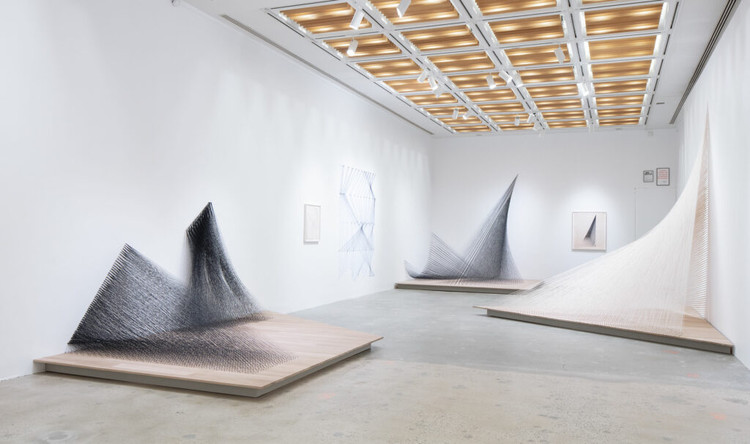
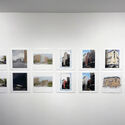
Recreating the artist studio in an exhibition has always been a challenge for curators and exhibition designers––bringing in the right amount of “mess,” intricately revealing the workings of artistry, and maintaining the visual coherence are all boxes to be checked while letting the audience behind the curtain. Kazuko Miyamoto: To perform a line, Japan Society’s survey of the artist’s five-decade career in sculpture, drawing, and performance solves this challenge in ways that are both practical and poetic.

Manhattan’s Japan Society Explores Artist Kazuko Miyamoto’s Relationship with her Studio Architecture - Image 1 of 4Manhattan’s Japan Society Explores Artist Kazuko Miyamoto’s Relationship with her Studio Architecture - Image 2 of 4Manhattan’s Japan Society Explores Artist Kazuko Miyamoto’s Relationship with her Studio Architecture - Image 3 of 4Manhattan’s Japan Society Explores Artist Kazuko Miyamoto’s Relationship with her Studio Architecture - Image 4 of 4Manhattan’s Japan Society Explores Artist Kazuko Miyamoto’s Relationship with her Studio Architecture - More Images+ 5

Winners of the 2022 Architectural League Prize for Young Architects + Designers Announced

The Architectural League of New York has announced the winners of the 41st cycle of the annual Architectural League Prize for Young Architects + Designers. Open to young architects and designers ten years or less out of a bachelor’s or master’s degree program, the award seeks to recognize visionary work by young practitioners and encourage the development of talented young architects and designers.

Winners of the 2022 Architectural League Prize for Young Architects + Designers Announced - Image 1 of 4Winners of the 2022 Architectural League Prize for Young Architects + Designers Announced - Image 2 of 4Winners of the 2022 Architectural League Prize for Young Architects + Designers Announced - Image 3 of 4Winners of the 2022 Architectural League Prize for Young Architects + Designers Announced - Image 4 of 4Winners of the 2022 Architectural League Prize for Young Architects + Designers Announced - More Images+ 7

New York City Plans to Convert Underutilized Hotels Into Affordable Housing to Combat the Homelessness Crisis

New York City Plans to Convert Underutilized Hotels Into Affordable Housing to Combat the Homelessness Crisis - Featured Image
© Iwan Baan

Mayor of New York, Eric Adams, expressed his support for a state bill that would make it easier for the city to convert underutilized or vacant hotels into affordable and supportive housing. The mayor urges New York state legislators to unlock a critical tool in combating the affordable housing crisis and tackling homelessness in the process. The conversion framework proposed by the bill would allow authorities to create affordable housing units at two-thirds of the cost and one-third of the time necessary for ground-up construction.

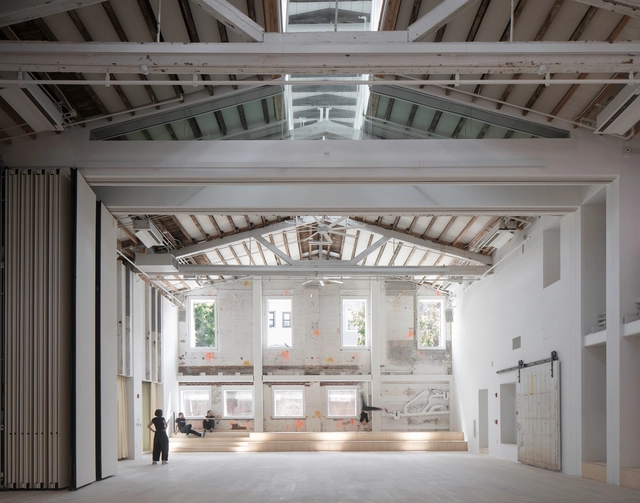
Harlem Studio / Drawing Agency

Harlem Studio / Drawing Agency - Interior Photography, Cowork Interiors, Door, Table, ChairHarlem Studio / Drawing Agency - Interior Photography, Cowork InteriorsHarlem Studio / Drawing Agency - Interior Photography, Cowork Interiors, TableHarlem Studio / Drawing Agency - Interior Photography, Cowork InteriorsHarlem Studio / Drawing Agency - More Images+ 16

Situationist Funhouse: Art’s Complicated Role in Redeveloping Cities

Situationist Funhouse: Art’s Complicated Role in Redeveloping Cities - Featured Image
Courtesy of Stephen Zacks. ImageHovagimyan collaborated with Gordon Matta-Clark on Day’s End, in which Matta-Clark illegally cut a half-moon through the Navy Pier at the end of Gansevoort Street in 1975

This article was originally published on Common Edge.

While Stephen Zacks’ new book, G.H. Hovagimyan: Situationist Funhouse, is ostensibly about the life and work of the artist, there’s an intriguing and seemingly topical subtext looming in the background: the role of art and culture on the development and redevelopment of cities. It’s a complicated and sometimes fraught issue, prone sometimes to simplistic, even binary thinking. Zacks, a friend and former colleague at Metropolis, has always had a more nuanced view of the issue. Last week I reached out to him to talk about the work of Hovagimyan, the historic lessons of 1970s New York, and why “gentrification” needs a new name.

Manhattan’s Center for Architecture Imagines the Future of Universal Design

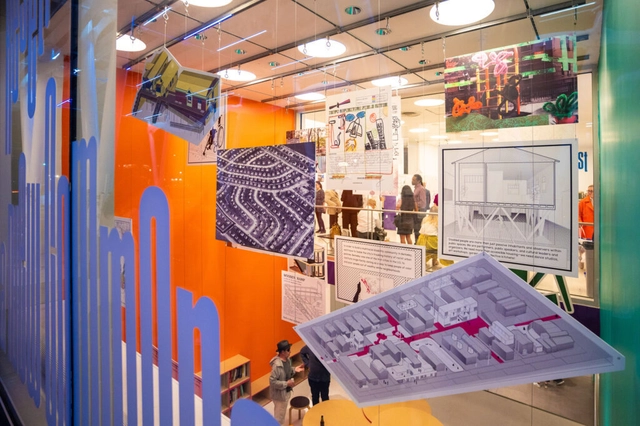
How can Universal Design bridge the divides that have left many Americans stranded in their own communities? In its latest exhibition, Manhattan’s Center for Architecture calls for a “reset.” On view until September 3, Reset: Towards a New Commons, displays projects that “encourage new modes of living collaboratively” and “more holistic approaches to inclusion.”

Manhattan’s Center for Architecture Imagines the Future of Universal Design - Image 1 of 4Manhattan’s Center for Architecture Imagines the Future of Universal Design - Image 2 of 4Manhattan’s Center for Architecture Imagines the Future of Universal Design - Image 3 of 4Manhattan’s Center for Architecture Imagines the Future of Universal Design - Featured ImageManhattan’s Center for Architecture Imagines the Future of Universal Design - More Images

How Robert A.M. Stern Resurrected Architectural History

How Robert A.M. Stern Resurrected Architectural History - Featured Image
Stern, at the Yale School of Architecture, via Dan’s Hampton. Image Courtesy of Common Edge

This article was originally published on Common Edge.

Once upon a time, long, long ago, I was lucky enough to get a summer job with Robert A.M. Stern while I was in graduate school. Stern’s new memoir, Between Memory and Invention: My Journey in Architecture (MonacelliPress, 2022), has prompted my own mini-memoir, with some relevant details not included in the book.

I arrived at the office in the early summer, not long after the dissolution of Stern & Hagmann and then Bob’s divorce. I found two young architects-to-be, a sweet but disorganized secretary-receptionist-bookkeeper, and Bob. The office grew during the summer and beyond—and today there are over 200 in the office, including 16 partners in Robert A.M. Stern Architects (aka RAMSA).

How Robert A.M. Stern Resurrected Architectural History - Image 1 of 4How Robert A.M. Stern Resurrected Architectural History - Image 2 of 4How Robert A.M. Stern Resurrected Architectural History - Image 3 of 4How Robert A.M. Stern Resurrected Architectural History - Image 4 of 4How Robert A.M. Stern Resurrected Architectural History - More Images

Cabins, Compounds & Country Homes: Residential Design in Upstate New York

Subscriber Access | 

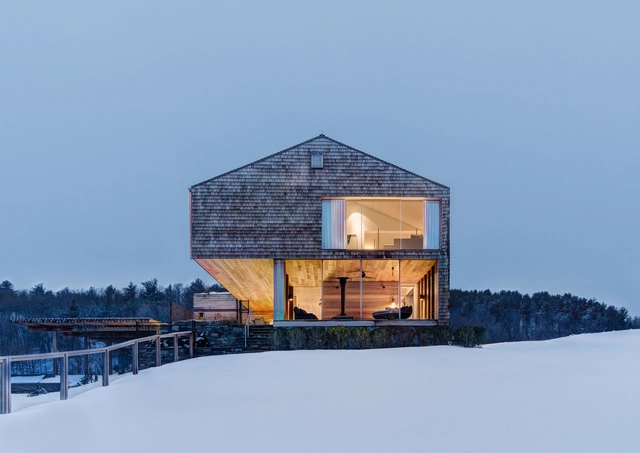
New York's residential design culture extends far beyond the Big Apple. The Hudson Valley is a region that stretches along the Hudson River from Westchester County to Albany. Known for its vineyards, orchards and farms, the river valley includes a series of small towns and remote homes. Today, these rural residences are being designed to explore the connections between people, nature and place.

Cabins, Compounds & Country Homes: Residential Design in Upstate New York - Image 1 of 4Cabins, Compounds & Country Homes: Residential Design in Upstate New York - Image 2 of 4Cabins, Compounds & Country Homes: Residential Design in Upstate New York - Image 3 of 4Cabins, Compounds & Country Homes: Residential Design in Upstate New York - Image 4 of 4Cabins, Compounds & Country Homes: Residential Design in Upstate New York - More Images+ 9

In Plain Sight Apartment / Nakworks

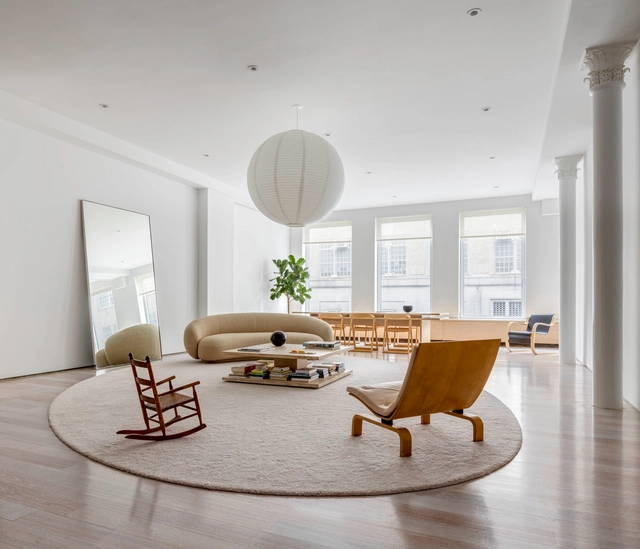
In Plain Sight Apartment / Nakworks - Interior Photography, Apartment Interiors, Table, Lighting, ChairIn Plain Sight Apartment / Nakworks - Interior Photography, Apartment Interiors, FacadeIn Plain Sight Apartment / Nakworks - Interior Photography, Apartment Interiors, Chair, TableIn Plain Sight Apartment / Nakworks - Interior Photography, Apartment Interiors, Bedroom, Beam, Lighting, ChairIn Plain Sight Apartment / Nakworks - More Images+ 12

  • Architects: Nakworks
  • Area Area of this architecture project Area:  1700 ft²
  • Year Completion year of this architecture project Year:  2021
  • Manufacturers Brands with products used in this architecture project
    Manufacturers:  Lutron, Galassia, PureBond Playwood, Tacchini

Foster + Partners Reveals Design for JPMorgan Chase's New Headquarters in New York

Foster + Partners Reveals Design for JPMorgan Chase's New Headquarters in New York - Featured Image
© dbox / Foster + Partners

Foster + Partners revealed the design of a new skyscraper at 270 Park Avenue that will host JPMorgan Chase’s New York headquarters. The 60-story tower is set to be the city’s largest all-electric tower with net-zero operational emissions powered by renewable energy sourced from a New York State hydroelectric plant and is designed around high standards regarding wellness and hospitality. The project’s morphology creates extensive ground-level outdoor space with green areas and a public plaza, accompanied by various amenities geared towards the neighbourhood’s residents. Under construction since 2021, the project replaces SOM's Union Carbide Building, which became the tallest voluntarily demolished building in the world.

Foster + Partners Reveals Design for JPMorgan Chase's New Headquarters in New York - Image 1 of 4Foster + Partners Reveals Design for JPMorgan Chase's New Headquarters in New York - Image 2 of 4Foster + Partners Reveals Design for JPMorgan Chase's New Headquarters in New York - Image 3 of 4Foster + Partners Reveals Design for JPMorgan Chase's New Headquarters in New York - Image 4 of 4Foster + Partners Reveals Design for JPMorgan Chase's New Headquarters in New York - More Images+ 4

Highway Removals: Restoring the Urban Fabric and Unlocking New Development Opportunities

Highway Removals: Restoring the Urban Fabric and Unlocking New Development Opportunities - Featured Image
Photo by Sandi Benedicta on Unsplash . ImageCheonggyecheon area

Over the past two decades, urban highways' social and economic ramifications have been brought into focus as a large part of this mid-century infrastructure comes to the end of its lifespan, prompting conversations over its role in contemporary urban planning. Freeway removal entails the replacement of the transport infrastructure with new urban developments, green amenities and alternative street grids to promote a healthier urban environment and smart growth. In some cases, the idea of removing highways is met with concern over the potential increase in traffic and gentrification of the areas adjacent to the road, but the pandemic has further exacerbated the need for quality public spaces and brought once again into question the hegemony of the car. The following highlights various highway removal projects, discussing how these interventions restore the urban fabric, reknit communities and recover urban spaces for city dwellers.

Highway Removals: Restoring the Urban Fabric and Unlocking New Development Opportunities - Image 1 of 4Highway Removals: Restoring the Urban Fabric and Unlocking New Development Opportunities - Image 2 of 4Highway Removals: Restoring the Urban Fabric and Unlocking New Development Opportunities - Image 3 of 4Highway Removals: Restoring the Urban Fabric and Unlocking New Development Opportunities - Image 4 of 4Highway Removals: Restoring the Urban Fabric and Unlocking New Development Opportunities - More Images

New Images Reveal Progress of Studio Gang's Museum of Natural History Expansion in New York

New images have been released by Studio Gang showcasing the construction progress of the firm's American Museum of Natural History Expansion in New York. Dubbed as the Richard Gilder Center for Science, Education, and Innovation, the project will link together 10 museum buildings, improving circulation and creating one monumental campus of exhibition galleries, state-of-the-art classrooms, an immersive digital theater, and a redesigned library.

New Images Reveal Progress of Studio Gang's Museum of Natural History Expansion in New York - Image 1 of 4New Images Reveal Progress of Studio Gang's Museum of Natural History Expansion in New York - Image 2 of 4New Images Reveal Progress of Studio Gang's Museum of Natural History Expansion in New York - Image 3 of 4New Images Reveal Progress of Studio Gang's Museum of Natural History Expansion in New York - Image 4 of 4New Images Reveal Progress of Studio Gang's Museum of Natural History Expansion in New York - More Images+ 11

The 2022 World's Best Cities To Live In: Discover the Top 20

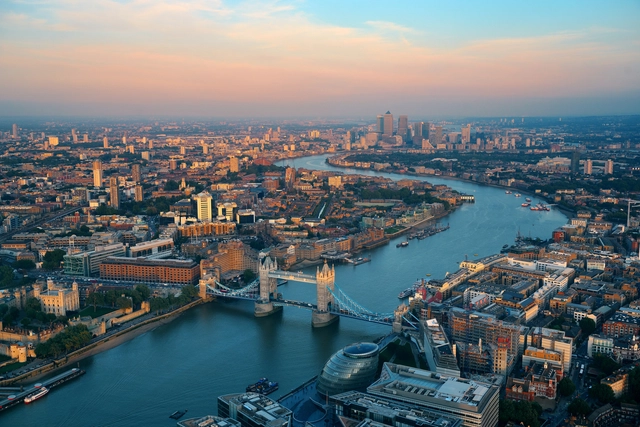
Global Finance's ranking of the world's best cities to live in, during 2022 has just been released. Centered on 8 different parameters that calculate and compare the quality of life of people living in urban areas such as economy, culture, population, environment, etc., this year’s edition also took into consideration Covid-19 deaths per thousand for each country, to reflect the new reality we live in. With data from the Global City Power index, Johns Hopkins University, Statista, and Macrotrends, the list seeks to have a complete vision, putting together traditional metrics with new factors.

Claiming the first position is London, U.K, a city that although didn’t get high rankings in its Covid-19 metrics, still topped the list, mainly due to its scores in culture, accessibility, and population growth. Tokyo was selected for the second position, showing weakness in one parameter, population, as its numbers have been declining for the past 10 years. Shanghai followed next, in the third position, because of relatively low Covid-19 death figures and strong population growth. Singapore and Melbourne came in 4th and 5th positions.

The 2022 World's Best Cities To Live In: Discover the Top 20 - Image 1 of 4The 2022 World's Best Cities To Live In: Discover the Top 20 - Image 2 of 4The 2022 World's Best Cities To Live In: Discover the Top 20 - Image 3 of 4The 2022 World's Best Cities To Live In: Discover the Top 20 - Image 4 of 4The 2022 World's Best Cities To Live In: Discover the Top 20 - More Images+ 16

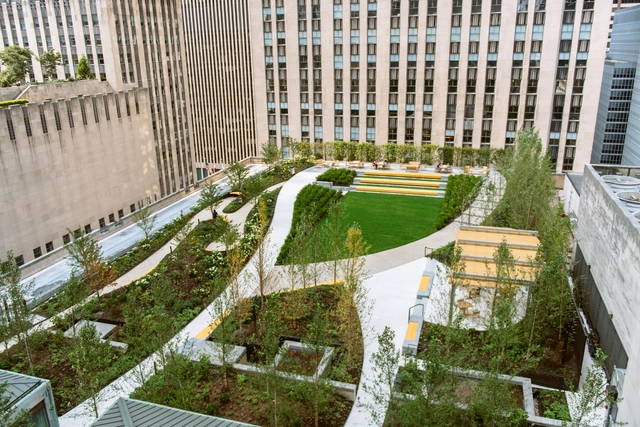
Radio Park at Rockefeller Center / HMWhite

Radio Park at Rockefeller Center / HMWhite - RenovationRadio Park at Rockefeller Center / HMWhite - Exterior Photography, Renovation, Garden, FacadeRadio Park at Rockefeller Center / HMWhite - Exterior Photography, Renovation, Patio, Facade, Table, Chair, CityscapeRadio Park at Rockefeller Center / HMWhite - RenovationRadio Park at Rockefeller Center / HMWhite - More Images+ 7

Redesigning the Road to Net Zero: How CO Adaptive Architecture is Breaking New Ground

The climate crisis has reshaped contemporary architecture. Sustainability has become a central guiding force in design, and in turn, architects are rethinking how to build today. For CO Adaptive Architecture, addressing the climate crisis begins with a process oriented practice. Together, Ruth Mandl and Bobby Johnston have created a firm that embodies how a values-based approach can tackle the most pressing issues of our time. The result is elegant and impactful architecture brought to life with poise and finesse.

Redesigning the Road to Net Zero: How CO Adaptive Architecture is Breaking New Ground - Arch Daily InterviewsRedesigning the Road to Net Zero: How CO Adaptive Architecture is Breaking New Ground - Arch Daily InterviewsRedesigning the Road to Net Zero: How CO Adaptive Architecture is Breaking New Ground - Arch Daily InterviewsRedesigning the Road to Net Zero: How CO Adaptive Architecture is Breaking New Ground - Arch Daily InterviewsRedesigning the Road to Net Zero: How CO Adaptive Architecture is Breaking New Ground - More Images+ 4

Frida Escobedo Selected to Design the New Modern and Contemporary Art Wing of The Met in New York

The Metropolitan Museum of Art in New York has selected Mexican architect Frida Escobedo to design the new $500 million modern and contemporary art wing. The Met does not have, until now, a thematic area that would house pieces corresponding to this temporality in art.

Adjaye Associates Selected to Design Jean-Michel Basquiat Exhibition Featuring Never-Before-Seen Works

David Adjaye Associates has been commissioned to design an exhibition with rare and previously unreleased work of Jean-Michel Basquiat, to be hosted at the Starrett-Lehigh Building in West Chelsea, New York. "Jean-Michel Basquiat: King Pleasure" is the first show organized by the artist's family after his death and will feature over 200 paintings, drawings and artefacts, together with recreations of Basquiat's New York art studio and the Michael Todd VIP Room of the Palladium nightclub, for which the artist created two paintings.