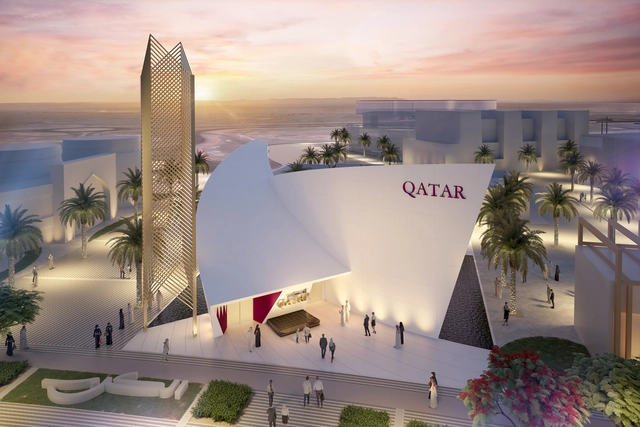
Spanish architect and engineer Santiago Calatrava has unveiled the design of the QatarPavilion at Expo 2020 in Dubai, UAE. The design is inspired by the four elements represented on the Coat of Arms of Qatar and will include two main galleries and exhibition spaces, providing visitors with engaging, inclusive, and interactive environments.
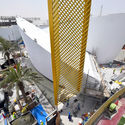
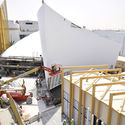
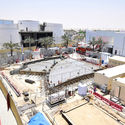
Designed by Foster + Partners, Alif-The Mobility Pavilion at the Expo 2020 Dubai blurs the boundaries between the physical and digital world, and invites visitors to meet the historical icons of mobility, whose innovations helped pave the way for our modern-day technology. The pavilion features the world’s largest passenger lift, which will be able to transport 160+ people at a time, and a semi-underground-semi-open-air 330-meter track which allows visitors to see cutting-edge mobility devices in action.
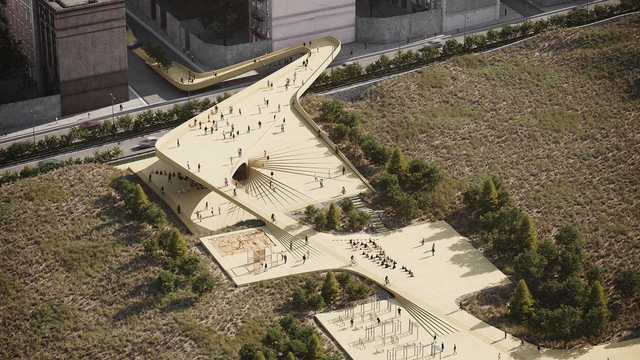
This week's curated selection of Best Unbuilt Architecture highlights different competition-winning designs submitted by the ArchDaily Community. From large scale urban developments to small interventions in the landscape, from commercial projects to public spaces and urban planning strategies with an environmental focus, this article showcases a variety of design approaches, programs and scales. The proposals featured are the results of local and international competitions, either creative concepts or projects currently in progress.
The award-winning entries include a range of different projects, designed by both young architects and established firms. An adaptive reuse project for office towers in New York, the redevelopment of an industrial site in China, an abstract installation for a Russian festival, or a masterplan focused on climate resilience and ecosystems protection are a few of this week's highlights.
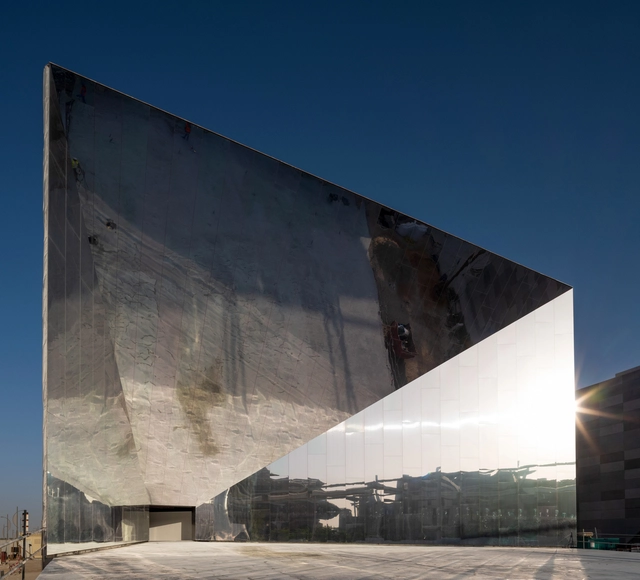
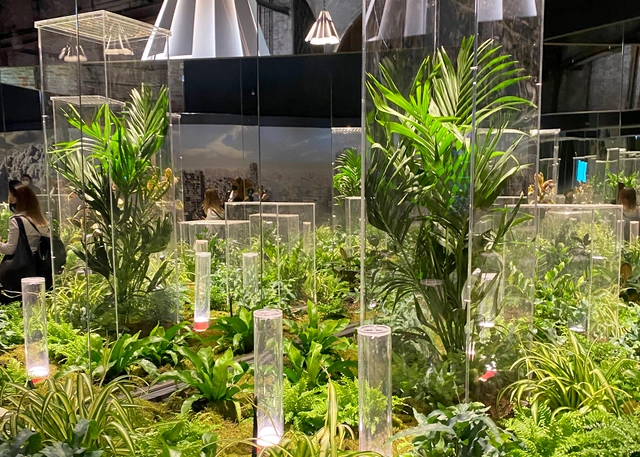
Titled "Reflections", the Swiss Pavilion at the 2020 Dubai Expo showcases Switzerland's unique duality of scenic landscapes and technology, as part of the Opportunity district of the expo. Designed by OOS Architekten, along with Bellprat Partner for the scenography, and Lorenz Eugster for the landscape, the creative team behind Reflections created a bold architectural statement with the pavilion's facade and immersed visitors in an exploration of Switzerland's scenic landscapes and state-of-the-art innovations.
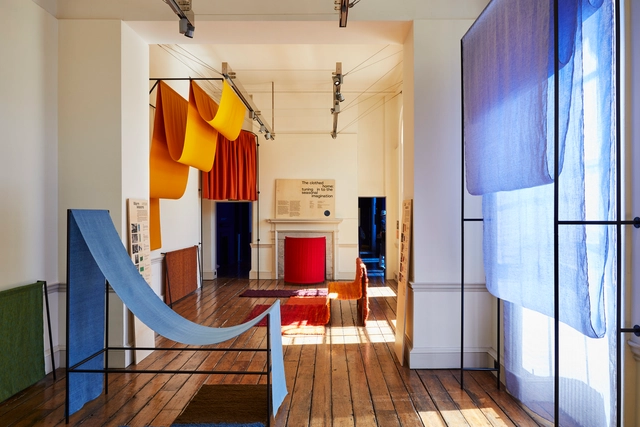
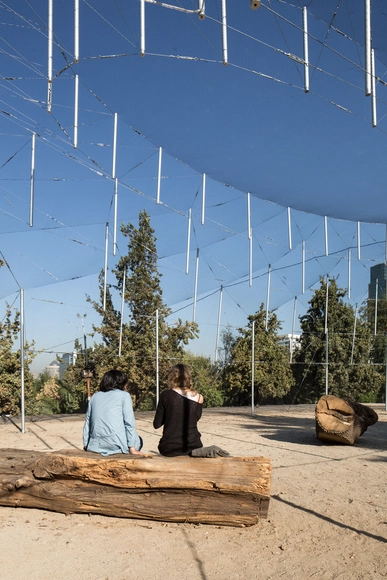
London Design Biennale is currently unfolding at Somerset House, with 38 exhibitions from across six continents showcasing the role of design in addressing global challenges. Curated by Artistic Director Es Devlin, the event centres around the theme ‘Resonance’, inviting designers and artists to consider the ripple effect of “ground-breaking design concepts on the way we live, and the choices we make”. At the third edition of the London Design Biennale, the national pavilions highlight new perspectives on world issues, exploring sustainability and the environment, globalisation and migration, history and daily life.
The 17th Venice Architecture Biennale is currently unfolding, revealing a wide range of answers to the question "How will we live together". With 60 national pavilions, numerous contributions of invited architects from all around the world and several collateral events, this year's edition restates the Biennale's role as a platform for inquiry, exploration, and disruptive thinking in architecture. Curator Hashim Sarkis' original statement called upon architects "to imagine spaces in which we can generously live together." Recent circumstances have made the question even more relevant, prompting a holistic re-evaluation of how the world as a collective can face changes and challenges of an unprecedented scale from the disrupting role of technology, to inequality, mass migration and climate change. The following national contributions reflect on "how will we live together" amidst climate change, exploring ideas for a more sustainable future.
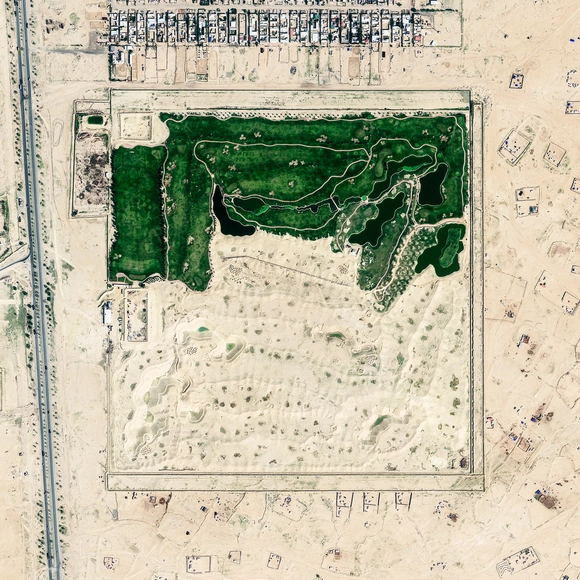
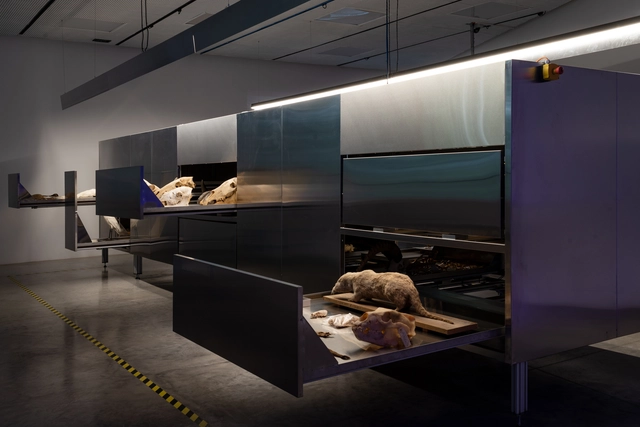
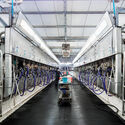
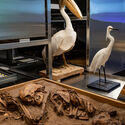
Israel’s Pavilion for the 17th Venice Architecture Biennale highlights the impact of intensive mechanized agriculture on landscapes and ecosystems, as well as the disruption caused to local communities. Titled Land. Milk. Honey and curated by an interdisciplinary team comprising Dan Hasson, Iddo Ginat, Rachel Gottesman, Yonatan Cohen and Tamar Novick, the exhibition portrays the fundamental changes experienced by the region through the stories of local animals, constructing a history of the 20th-century development.


.jpg?1627371901&format=webp&width=640&height=580)
.jpg?1627371901 "© Expo 2020 Dubai")

.jpg?1627371901)