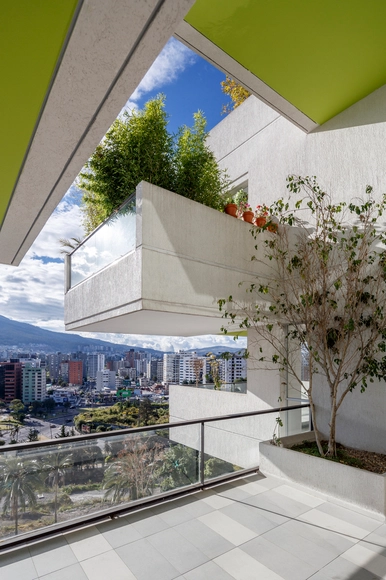
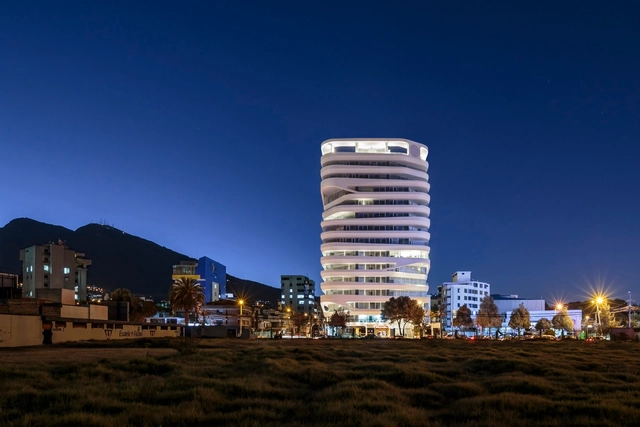
Soon to become the tallest building in Quito, IQON is Bjarke Ingels Group's first project to be built in South America. Currently undergoing construction, the largely residential building is a curved tower with gradually protruding balconies. Encased between the dense city and the park, the self-dubbed "urban tree farm" aims not only to encompass the surrounding views of the volcanoes and nature beyond but also to integrate the landscape within the building itself.
Safdie Architects have released their design for ‘Quorner’, a new residential tower to be built in Quito, Ecuador. The 24-storey structure, a collaboration with Ecuadorean construction firm Uribe & Schwarzkopf, is to be one of Quito’s tallest buildings and Safdie’s first in Ecuador.
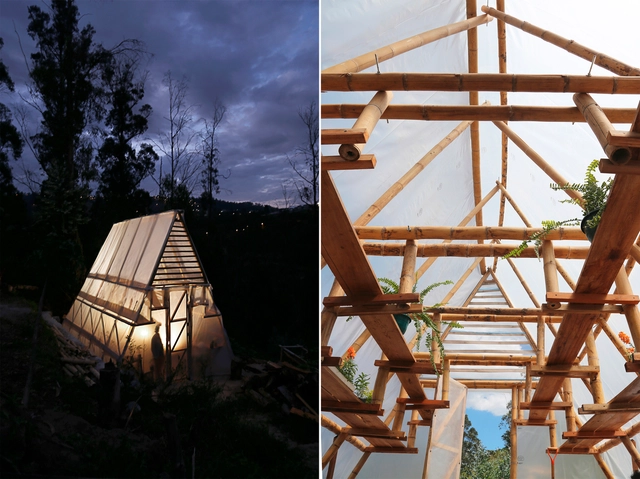
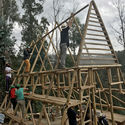
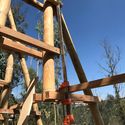
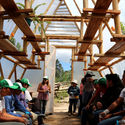
The social design from Natura Futura Arquitectura for a greenhouse in the warm subtropical climate of Nayón, Ecuador, the proposal approaches the use of local material resources in the construction of low-budget productive structures for the development of the collective.
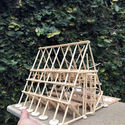
The project, materialized with bamboo, wood and greenhouse plastic, is based on the basic geometrical figure of the triangle, proposing sectors with different levels of illumination for different types of farming.
Like architecture, food has a way of making us feel a sense of time and place. The act of eating together is ingrained in our human rituals surrounding spaces and how we inhabit them. The space that shelters us during our meal can be bustling or intimate, but nevertheless contributes our memories there, and the experience of eating at a good restaurant goes far beyond the food served in it. For it to be truly immersive, everything is thought of - from the shade of timber to the shape of your knife when you sit down to eat.
We’ve gathered 10 examples from our archive of beautiful restaurants worth a visit – check them out below:
First International Conference on Urban Physics, Quito - Galápagos, 25 September - 2 October 2016
The First International Conference on Urban Physics aims to be a founding event for the numerical simulation of cities and megacities, which are facing worldwide critical problems, such as their dual participation - as victims and actors - to the present and upcoming climate changes. The conference will provide an opportunity for scientists from different disciplines (computer graphics, environmental physics, numerical models, renewable energies, urban planning ...) to confront their ideas and methods for the detection and analysis of physical quantities, in order to better manage the development of cities and to meet economic and environmental constraints.


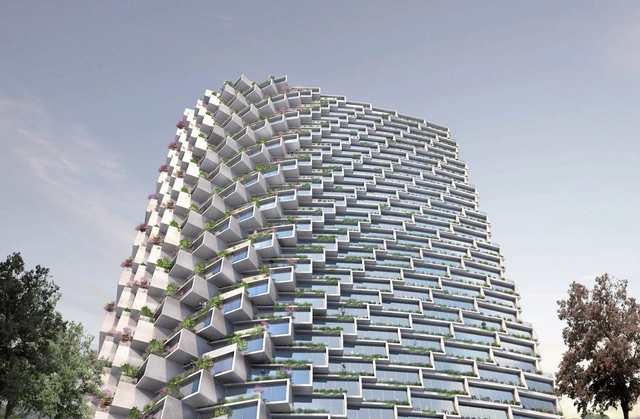
.jpg?1539451458 "Courtesy of Bjarke Ingels Group")






























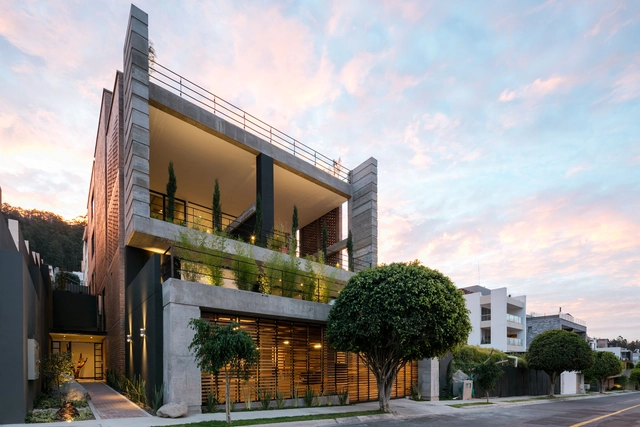




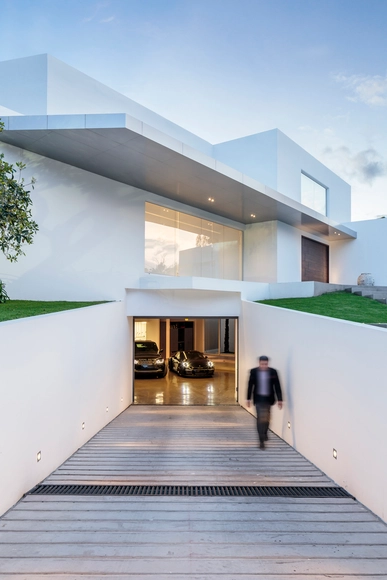

.jpg?1465264359 "© Sebastián Crespo")

.jpg?1465264597 "© Sebastián Crespo")