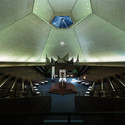
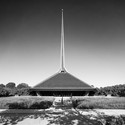
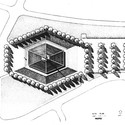
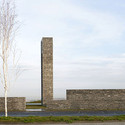
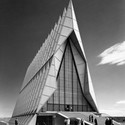
Just off the highway that leads to the town of Columbus, Indiana, the most slender of spires shoots upward from the tree line. With only a small gold cross at the top suggesting its purpose, the spire seems to belong to another world, an expressive gesture reaching into the sky that extends far beyond its visible tip. As visitors approach, the base of the spire fans out and merges with the ground, subsuming it and metaphysically bridging the distance between the heavens and the Earth. This is the famous North Christian Church, Eero Saarinen’s stunning discourse on God, nature and architecture.
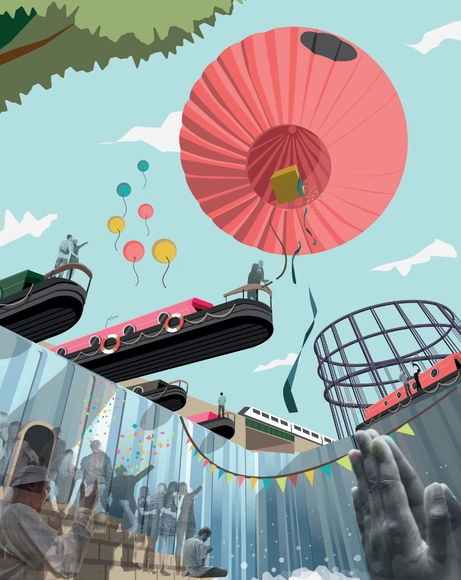
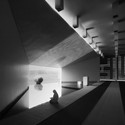
You Are Here / Felicity Barbur and Edward Crooks. Image Courtesy of Combo Competitions
Faith!, the latest ideas-based challenge organised by Combo Competitions, asked participants to design a place of worship in London. In spite of the beguiling simplicity of the title, coupled with a typically open brief, the placed winners and three honourable mentions exhibit a diverse, exciting collection of conceptual drawings and visuals. With an interesting balance of playful interpretations and more grounded proposals, all start to address relevant socio-political issues - such as the mutual acceptance and peaceful co-existence of different religions - in some way. The competition asked participants first and foremost to seek to merge two concepts: religion and knowledge.
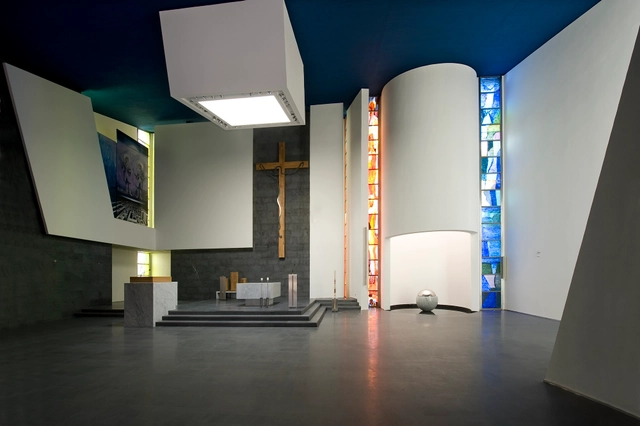
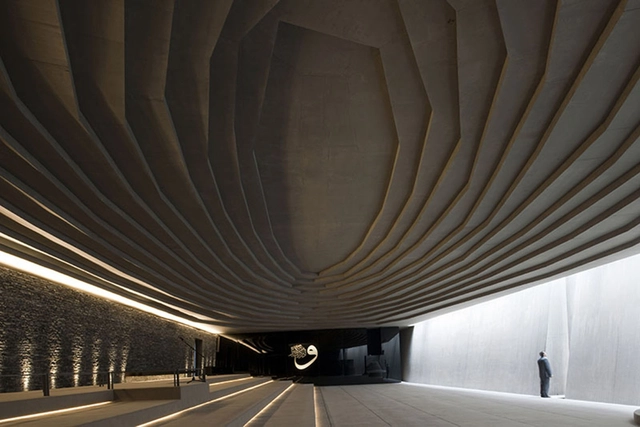
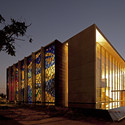
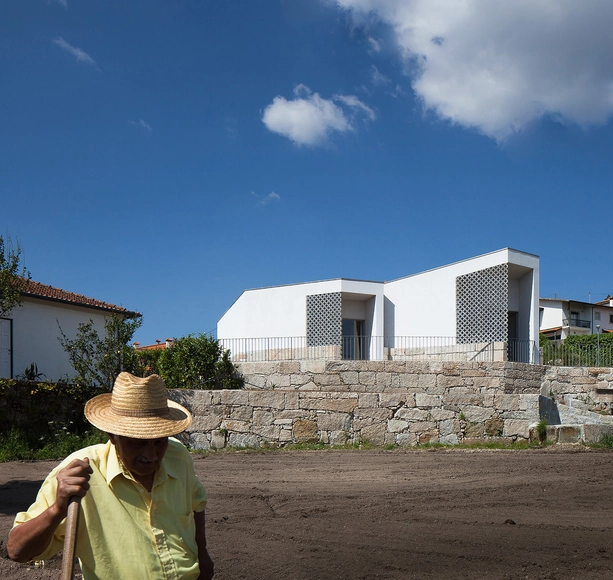
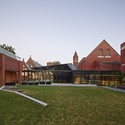
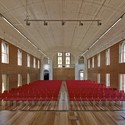
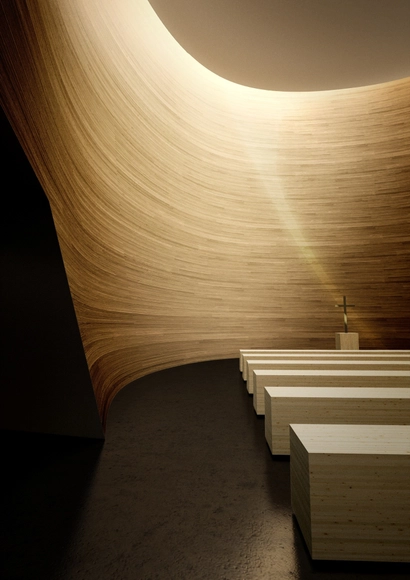
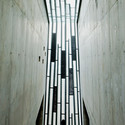
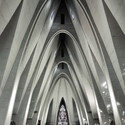
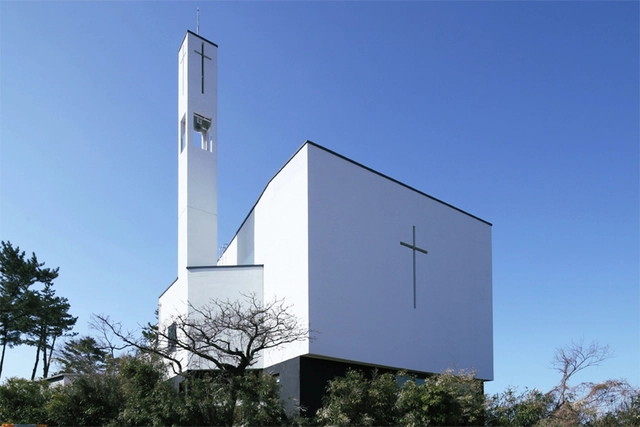
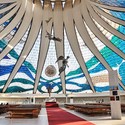
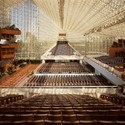
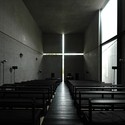
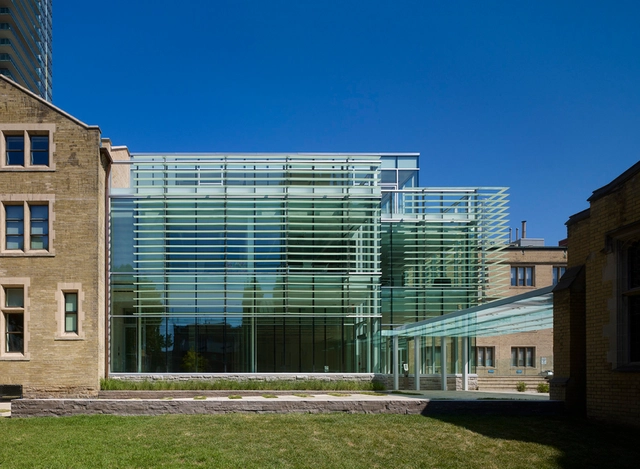
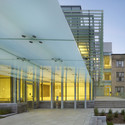
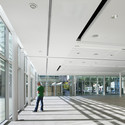
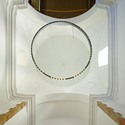
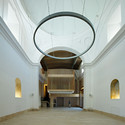
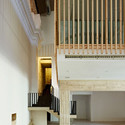
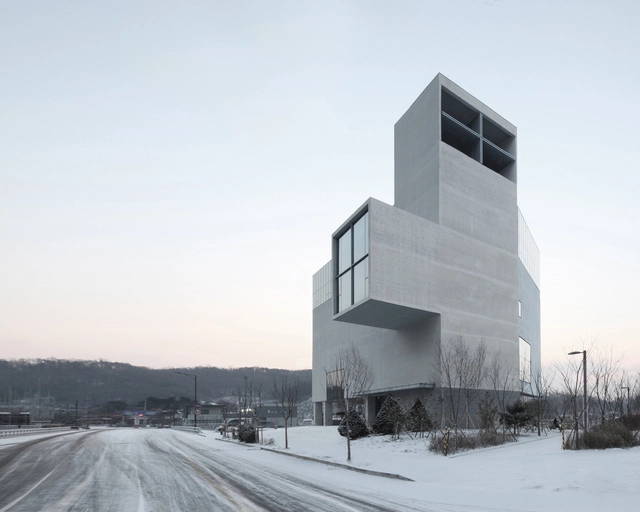
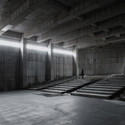
In honor of those celebrating Easter Sunday, we’ve compiled a list of the most breathtaking places of worship from our Religious Architecture Pinterest board. From vast, open halls, to intimate places of prayer and contemplation, these works are sure to spark your appreciation for divine architecture. See them in all their glory, after the break...
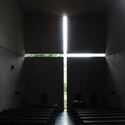
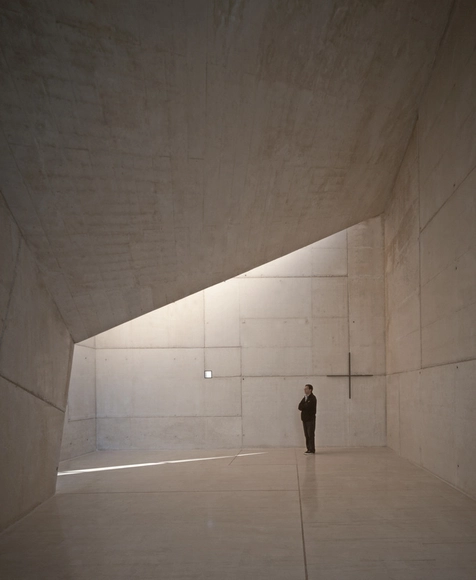
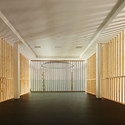
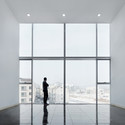
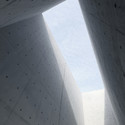
The use of light can lead to very diverse feelings: a ray of sunlight calls attention; glare overpowers; the nocturnal sky fascinates, while a dense dark forest arouses fear. Religions have made use of these experiences to convey the mystic aspects of their respective deities — accordingly, so too do their erected buildings.
After the break, an exploration of the different approaches for using light as a vehicle of symbolic meaning and spiritual experience in religious spaces.