

Religious Architecture: The Latest Architecture and News
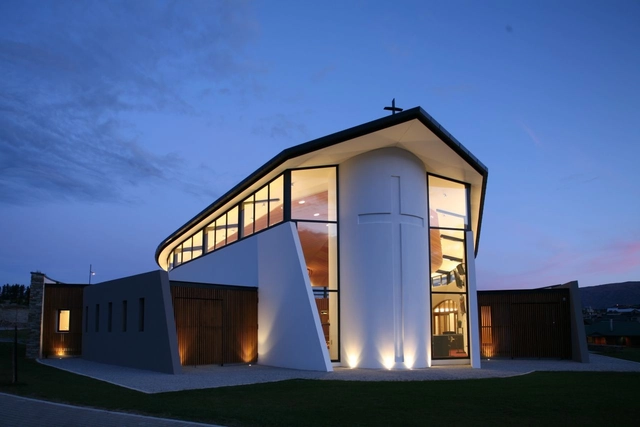
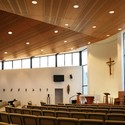
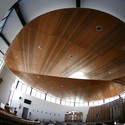
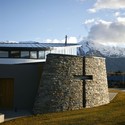
Wanaka Catholic Church / Sarah Scott Architects Ltd


https://www.archdaily.com/428883/wanaka-catholic-church-sarah-scott-architects-ltdJonathan Alarcón
Crematorium Heimolen / KAAN Architecten
_SvD.jpg?1378955635&format=webp&width=640&height=580)
_CR_(9).jpg?1378955997 "© Christian Richters")
_CR_(7).jpg?1378955859 "© Christian Richters")
_CR_(6).jpg?1378955831 "© Christian Richters")
_CR_(10).jpg?1378956083 "© Christian Richters")
_SvD.jpg?1378955635)
-
Architects: KAAN Architecten
- Area: 3187 m²
- Year: 2008
https://www.archdaily.com/428104/crematorium-heimolen-claus-en-kaan-architectenJavier Gaete
Urban Planning Lessons from the World's Largest (Temporary) City
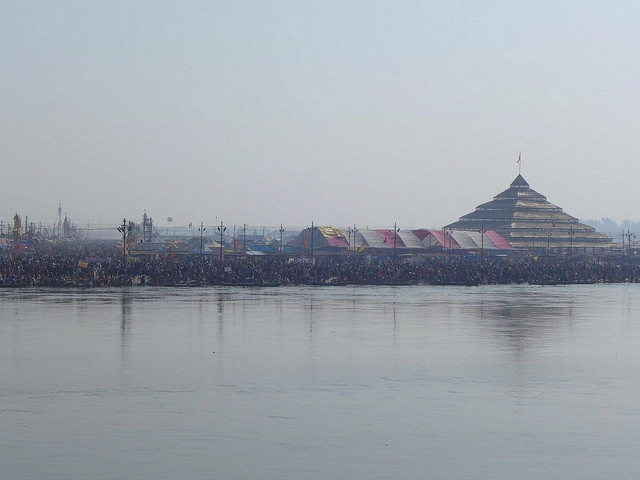
For two months out of every twelve years, Allahabad in India becomes one of the most populous cities in the world - thanks to the Maha Kumbh Mela, a Hindu Festival that is the largest single-purpose gathering of people on the globe. In an article for Smithsonian Magazine, Tom Downey relates his experience of the Festival and sheds light on how a temporary city can swell to such astronomical sizes and still function as well as, if not better than, permanent cities. It is hoped that the research by Harvard Graduate School of Design at the Kumbh Mela can inform the construction of refugee camps, emergency cities and even permanent cities in the future. You can read the full article here.
https://www.archdaily.com/424383/urban-planning-lessons-from-the-world-s-largest-temporary-cityRory Stott
AD Classics: Saint Benedict Chapel / Peter Zumthor
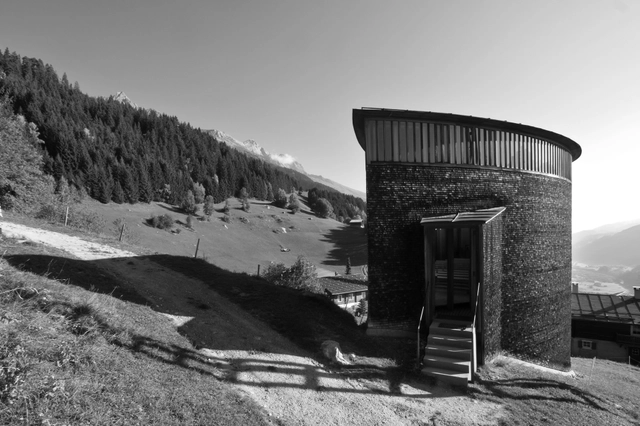
The Saint Benedict Chapel, located in the village of Sumvitg, Graubünden, was designed by the Pritzker Prize Laureate Peter Zumthor in 1988. The modest, human-scaled exterior of the chapel encapsulates the beauty and simplicity of Zumthor’s works, while the interior showcases his unparalleled craftsmanship.
https://www.archdaily.com/418996/ad-classics-saint-benedict-chapel-peter-zumthorGili Merin
Newly Released Photos of Shigeru Ban's Cardboard Cathedral in New Zealand
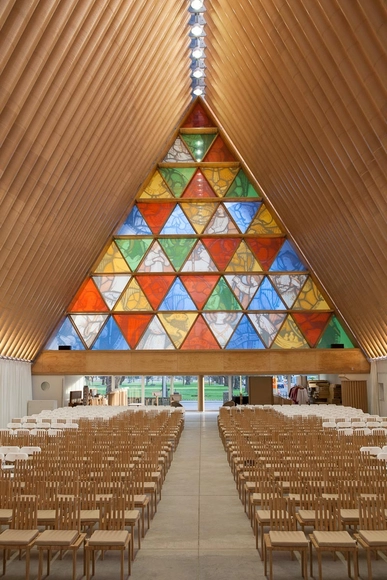
Shigeru Ban’s Cardboard Cathedral is officially open to the public, just over two years after the crippling 6.3 magnitude earthquake ravished the New Zealand town of Christchurch. With an expected lifespan of 50 years, the temporary cathedral will serve as a replacement for the city’s iconic 1864 Anglican cathedral - one of Christchurch’s most prized landmarks - until a more permanent structure is built.
https://www.archdaily.com/413224/shigeru-ban-completes-cardboard-cathedral-in-new-zealandKarissa Rosenfield
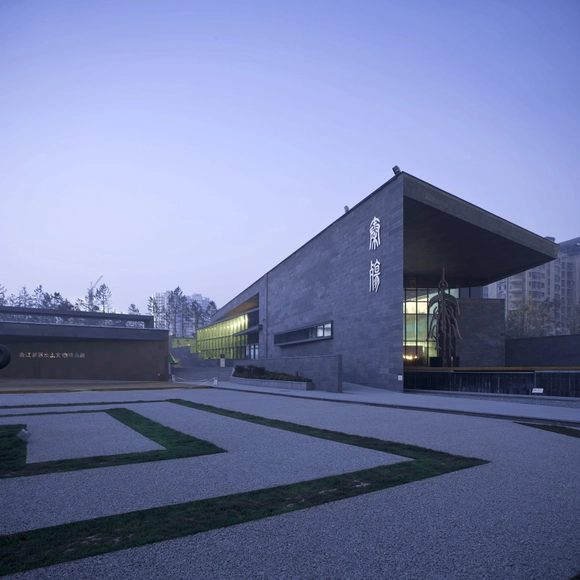
Heritage Park of Qin Er Shi Mausoleum / Lacime Architectural Design

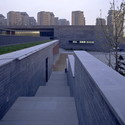

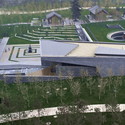

-
Architects: Lacime Architectural Design
- Area: 7000 m²
- Year: 2011
https://www.archdaily.com/414216/heritage-park-of-qin-er-shi-mausoleum-lacime-architectural-designJavier Gaete
Aidlin Darling Design Breaks Ground on Windhover Contemplative Center in Stanford
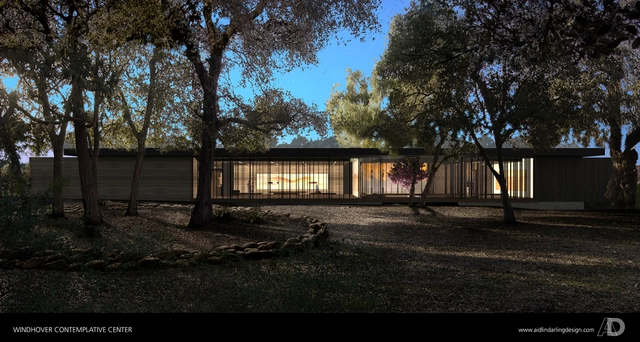
San Francisco-based Aidlin Darling Design has broke ground on the Windhover Contemplative Center at Stanford University. Inspired by Nathan Oliveira’s meditative Windhover paintings, the single-story, 4,000 square foot spiritual retreat is intended to provide students, faculty and staff members a quiet place of refuge from the intensity of daily life.
https://www.archdaily.com/411379/aidlin-darling-design-breaks-ground-on-windhover-contemplative-center-in-stanfordKarissa Rosenfield
CCV Chapel / Stan Allen Architect
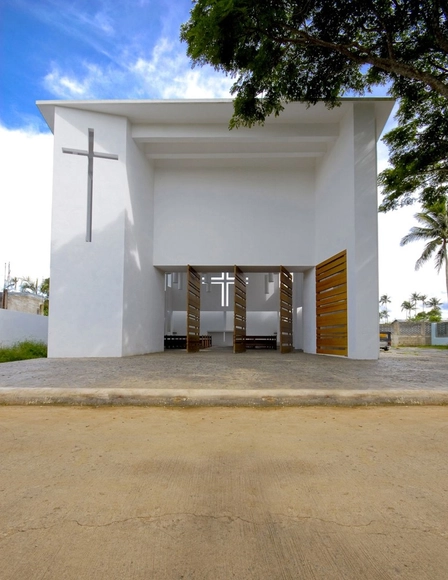
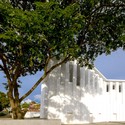
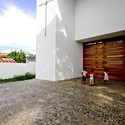
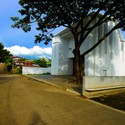
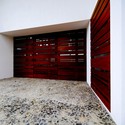

-
Architects: Stan Allen Architect
- Area: 230 m²
- Year: 2008
https://www.archdaily.com/406008/ccv-chapel-stan-allen-architectJonathan Alarcón
Catholic Campus Ministry at Wright State University / The Collaborative Inc
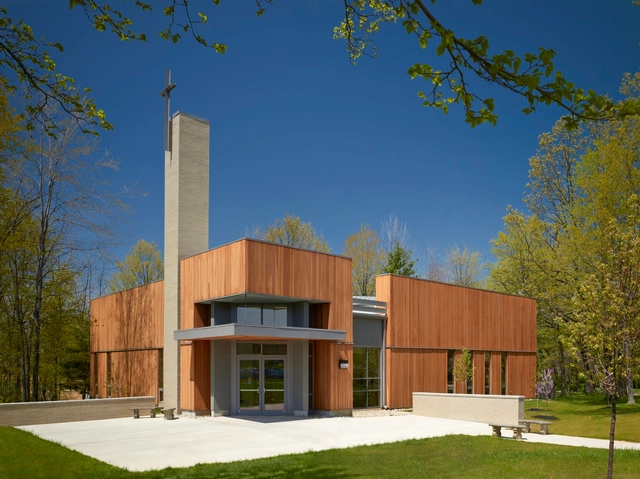

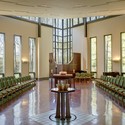
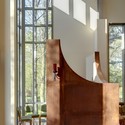

https://www.archdaily.com/394166/catholic-campus-ministry-at-wright-state-university-the-collaborative-incDaniel Sánchez
Tanatorio Sant Joan Despí / Batlleiroig


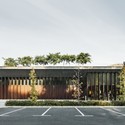

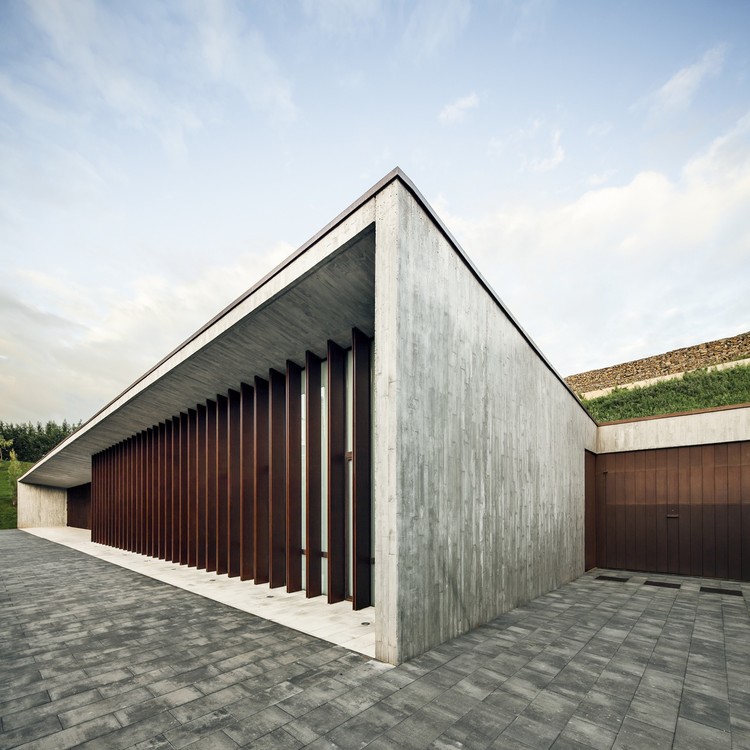
https://www.archdaily.com/394153/tanatorio-sant-joan-despi-batlle-i-roig-arquitectesFernanda Castro
First Presbyterian Church / Frank Harmon Architect
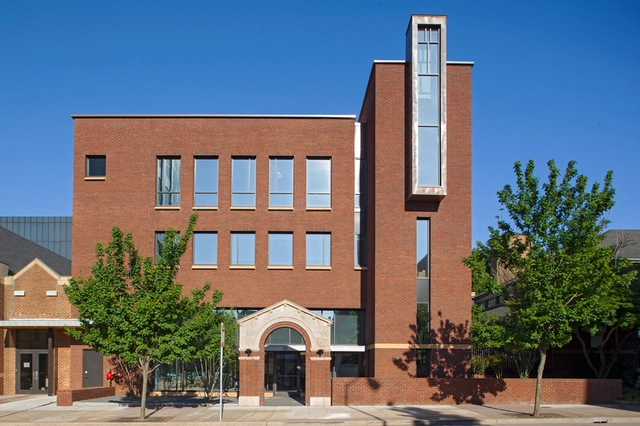
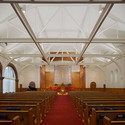
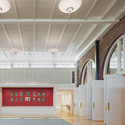
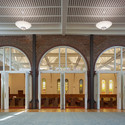

-
Architects: Frank Harmon Architect
- Area: 24000 ft²
- Year: 2012
https://www.archdaily.com/387615/first-presbyterian-church-frank-harmon-architect-paJavier Gaete
AD Classics: Heilig Geist Kirche / Alvar Aalto

Aalvar Aalto is arguably one of the most important architects of the 20th century. He is known for his all-around care for the design of buildings, and often not only designs the exterior but individual interior features as well. He designed a total of six buildings in Germany, one of them being Heilig Geist Kirche, an Evangelistic Luthern church in Wolfsburg, Germany. Aalto was asked to design this church on November 5, 1958, and it was completed four years later in 1962.
https://www.archdaily.com/390430/ad-classics-heilig-geist-kirche-alvar-aaltoLisa Wronski
The Traditional versus the Modern in Church Design
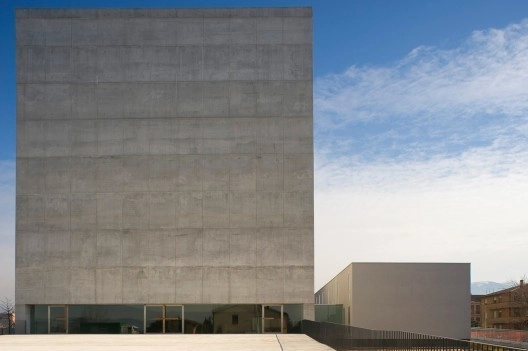
"Space, lines, light and sound" are the essential components of the experience of architecture and the most profound buildings have captured these moments through thoughtfully orchestrated design. Recently, architects that have designed churches with these primary elements in mind have come under criticism by the Vatican for diverting from the traditional form and iconography of churches. According to a recent article in The Telegraph, Massimiliano and Doriana Fuksas' design for a church in Foligno, Italy has been labeled as problematic by the parish and Cardinal Gianfranco Ravasi, head of the Vatican's Pontificial Council for Culture for its resemblance to a museum instead of a place of worship - based on traditional Catholic values placed on the altar and imagery. Regardless of the Vatican's criticism of the aesthetic approach of architects that break with tradition, this seems more of an issue of miscommunication between the architects and the congregations that have commissioned the projects that are being criticized.
More on this after the break.
https://www.archdaily.com/385013/the-traditional-versus-the-modern-in-church-designIrina Vinnitskaya
AD Classics: Stephanuskirche / Alvar Aalto

Stephanuskirche, translated to the Evangelical Lutheran Church of St. Stephen, was designed by Alvar Aalto and completed in 1968. It is located in Wolfsburg, Germany, the same town that Aalto’s Wolfsburg Cultural Center was built. Stephanuskirche is among the prominent architectural testimonies of International Modernism in Germany.
https://www.archdaily.com/372492/ad-classics-stephanuskirche-alvar-aaltoLisa Wronski
Leegkerk Church Interior Renovation / awg architects
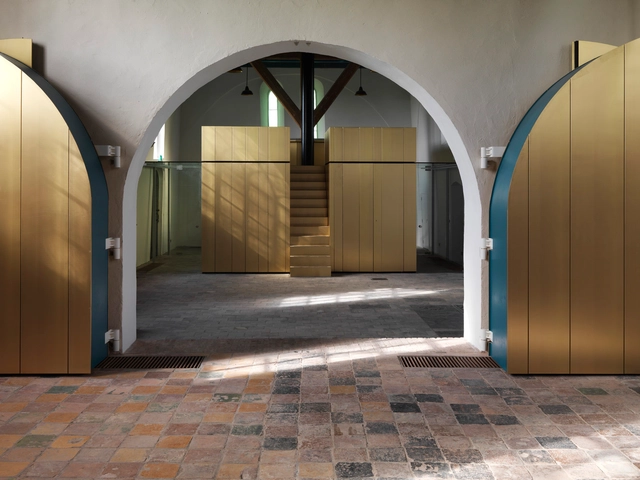

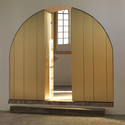
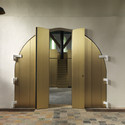
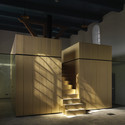

-
Architects: awg architects
- Area: 550 m²
- Year: 2013
https://www.archdaily.com/371299/leegkerk-church-interior-renovation-awg-architectsDiego Hernández
Central Mosque of Pristina Competition Entry / Asar Consulting Engineers
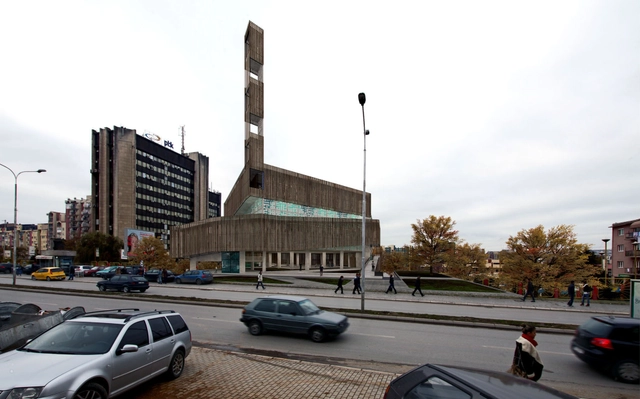
In this proposal for the Central Mosque of Pristina, Asar Consulting Engineers decided to use the traditional mosque components for a kind of new mosque design in a new form and a different combination to make it more fitting for its time and location. This new combination is done with the aim of keeping the functional value of different components and increasing their efficiency. One of the elements of mosque architecture which can’t be separated from this design is green and open space. This space is so important that it should become an element at the entrance of the mosque. More images and architects' description after the break.
https://www.archdaily.com/369208/central-mosque-of-pristina-competition-entry-asar-consulting-engineersAlison Furuto
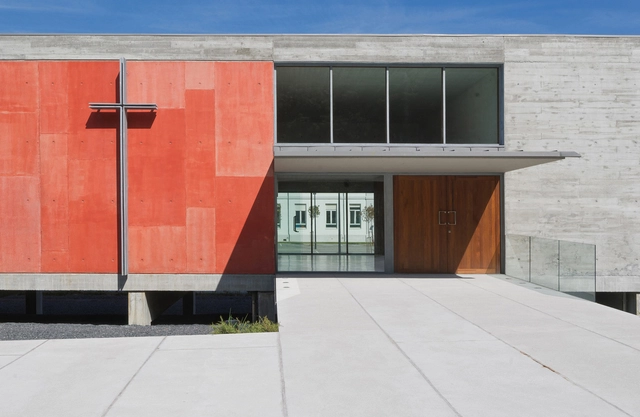
Unquera Parish Center - Church of the Holy Martyrs / Fernandez-Abascal y Muruzabal + Ortiz y Barrientos


-
Architects: Fernandez-Abascal y Muruzabal, Ortiz y Barrientos
- Area: 444 m²
- Year: 2013
-
Professionals: Juncalmar
https://www.archdaily.com/369697/unquera-parish-center-church-of-the-holy-martyrs-fernandez-abascal-y-muruzabal-ortiz-y-barrientosNico Saieh
Central Mosque of Pristina Competition Entry / Victoria Stotskaia, Raof Abdelnabi, Kamel Lokman Salem
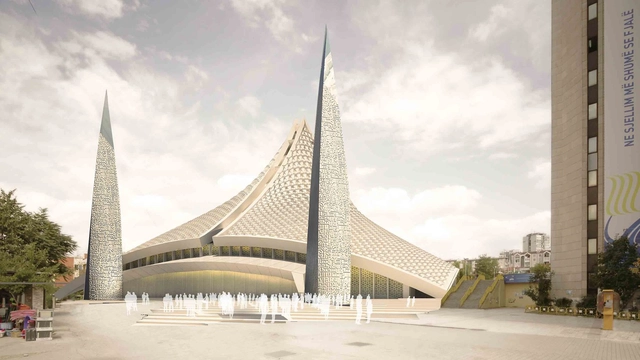
The idea behind the design by Invert Studios (Victoria Stotskaia, Raof Abdelnabi, Kamel Lokman Salem) for the Central Mosque of Pristina started with a very simple question:How can we can design a building that should play in harmony with the surrounding neighborhood, integrated with the urbanity, and for a very powerful reason want to stand out as a futuristic icon for the city? By proposing a design that is not conventional and common, and in an effort to change the way the public perceives mosques external shapes, they created an example of a world class building that reflects the Islamic Architectural Heritage. At the same time, this building stands out with a high technology character. More images and architects' description after the break.
https://www.archdaily.com/366459/central-mosque-of-pristina-competition-entry-invert-studiosAlison Furuto