Example of the Nested Floor System capacities. Courtesy of Offsite Wood and Quebec Wood Export Bureau
The latest release of Offsitewood.org marks a significant step forward in making offsite wood construction more approachable for architects. Version 2.0 introduces a set of digital resources aimed at helping designers model, plan, and collaborate more efficiently.
Free downloadable libraries are a central and expanding feature of the site. Additionally, new applications and services are now available that include wood material e-sample viewers, an advanced panelization and framing toolbar for Revit, and a collaborative workspace for project optimization.
Touted as the new era in construction, Building Information Modeling (BIM) has captured global attention with its promise of seamless coordination, trimmed budgets, and newfound efficiencies. Yet in India's construction landscape, the adoption of technology tells a more nuanced story about cultural barriers and technical limitations.
"The bigger barrier isn't the technology but rather the planning culture," explains Rahul Bahl Managing Director of Krishna Buildestates Pvt Ltd, highlighting what may be BIM's most fundamental challenge in India. "BIM requires that every detail be finalized before construction begins, from electrical switch locations to final finishes. In India, we often break ground with just the shell resolved and spend the next several months value-engineering as we go."
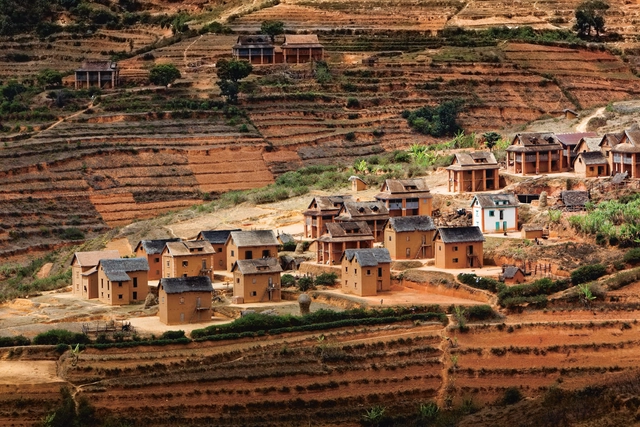
The architecture and construction industry has undergone a transformation with the integration of various digital tools, now indispensable to the design process. The welcoming of technologies has effectively streamlined operations, enhanced efficiency, and elevated design quality. This digital shift, however, has resulted in a digital divide that goes beyond accessibility to tools and software. It also encompasses the crucial aspect of integrating traditional and indigenous communities into the urban development landscape. Can advancing technology support the growth of vernacular architecture? Can indigenous building practices find a place in the vision for a digitalized future?
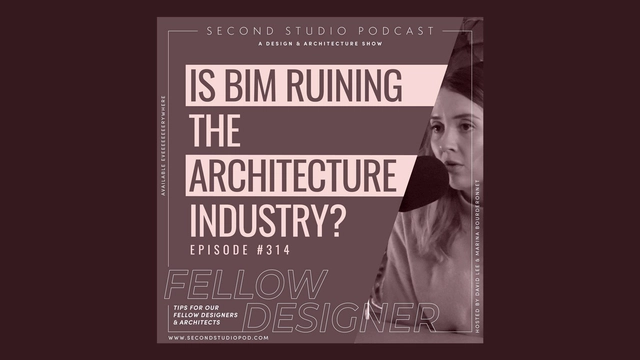
The Second Studio (formerly The Midnight Charette) is an explicit podcast about design, architecture, and the everyday. Hosted by Architects David Lee and Marina Bourderonnet, it features different creative professionals in unscripted conversations that allow for thoughtful takes and personal discussions.
A variety of subjects are covered with honesty and humor: some episodes are interviews, while others are tips for fellow designers, reviews of buildings and other projects, or casual explorations of everyday life and design. The Second Studio is also available on iTunes, Spotify, and YouTube.
https://www.archdaily.com/995576/the-second-studio-podcast-is-bim-ruining-the-architecture-industryThe Second Studio Podcast
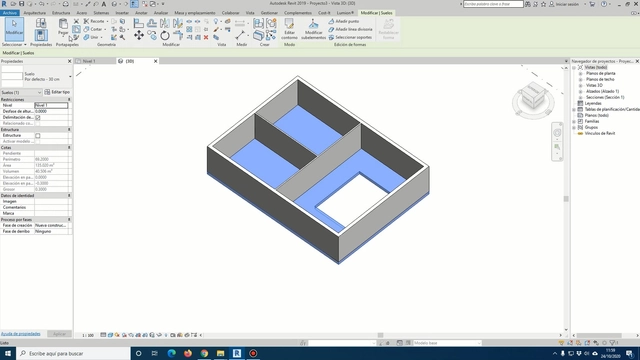
Floors, roofs, ceilings. Speaking in a very generic way, they are practically all the horizontal elements that we can find in the construction of a building. These three parts have a very similar way of modeling in Revit and this is the reason why when learning this software, they almost always appear one after the other. The order is usually a rather logical and therefore similar order: starting first with the floors, later the soffits and, finally, the ceilings. All this, clearly after having modeled the exterior and interior walls of our building.
Revit is a parametric and multidisciplinary design software that can virtually create and insert any building within a BIM process. Revit is not a true modeler, but an aggregator of construction components governed by a series of specific rules. In order to avoid issues within the Revit project, it must be set up carefully. Since each project has different characteristics and requirements, there is no standard procedure when starting a new one. However, becoming familiar with various situations and their necessary steps will greatly help.
One of the great difficulties we encounter with “classic” plan delineation methodologies are ramp and stair projections. It has always been difficult to avoid calculating the ramp’s slope, as well as the dimensions of the footprint and riser of the communication staircase between two floors of a building. Do they comply with current regulations in my country? Do they adapt to the project standards? Will they be accurately calculated?
Thanks to great advances in project modeling using BIM methodology and Revit software, these calculations can be made with greater ease. However, these elements will probably be an aspect of modeling that will bring us the most difficulties in the project phase.
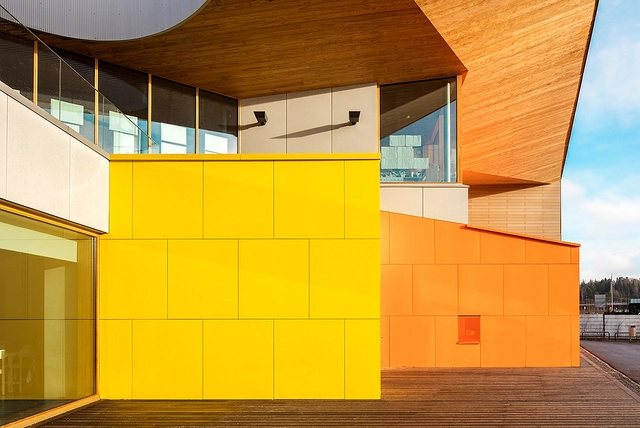
Panelized facade systems are a popular exterior design element across multiple project types in today’s architecture. Different material and color options create unique and completely customized exteriors versatile enough to fit almost any design style. Ensuring the vision comes to life exactly as imagined, however, can be tedious with Revit’s or ARCHICAD’s innate capabilities alone. The time-consuming manual process of specifying the design, pattern, colors, and fabrication methods of a panelized facade can be simplified and made more intuitive with Steni’s BIM elements.
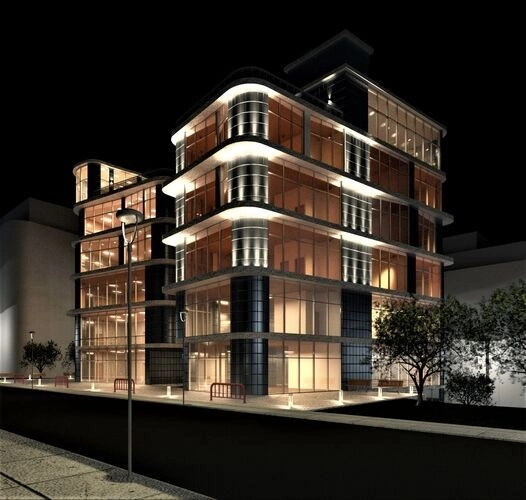
The final look of the building is determined not only by the materials, texture, colors and forms of the space, but also by lighting design. Architecture is all about vision, and lighting enhances the way we perceive architecture even more. For example, in the case of outdoor lighting design, lighting the façade will give a new opportunity for a building to showcase its nightlife “personality” by creating a completely different atmosphere in the surroundings.
Let’s see how façade lighting design can be implemented in Revit with the help of the LIGHTS add-on.
https://www.archdaily.com/910073/facade-lighting-design-in-revit-bringing-buildings-to-lifeSponsored Post









.jpg?1605563692&format=webp&width=640&height=580)