


-
Architects: Olson Kundig
- Area: 110000 ft²
- Year: 2019
-
Professionals: Magnusson Klemencic Associates, WSP, Gustafson Guthrie Nichol, Niteo Lighting, BergerABAM, +4




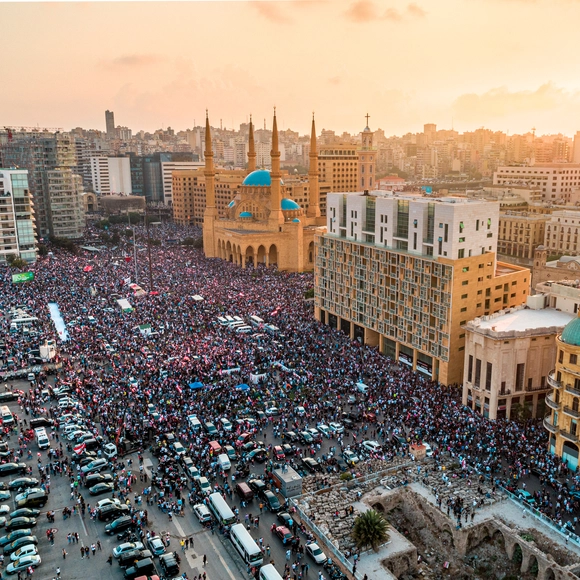
"Public space" is a legal terminology that tackles the notion of land ownership, suggesting that this type of parcel does not belong to anyone in particular, but to the state itself. Open, free, accessible to all, and financed by public money, these spaces are not only the results of planning, but the consequences of the public practices they hold. Actually, people define how public space is used and what it means.
Protests - powerful political tools for change - from the March on Washington in 1963, the Arab Spring in the early 2000s to recent Black Lives Matter Movements, are altering the world. In times like these, while people still need to "take their issues to the streets" to be heard and seen, public spaces have resurfaced as a topic of discussion.
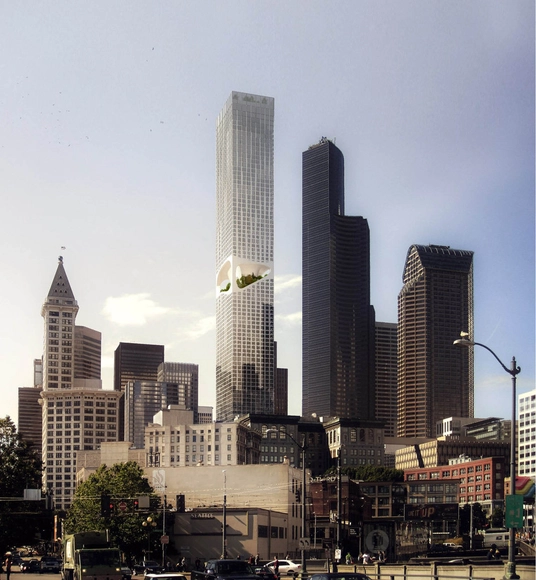
ODA released images of its 1,185’ mixed-use tower in downtown Seattle. Showcasing a novelty in high-rise design, the project underlines the value and importance of outdoor space. Carving out a void in the middle of the tower, the design creates a shared outdoor amenity space with impressive views to Mt. Rainier.
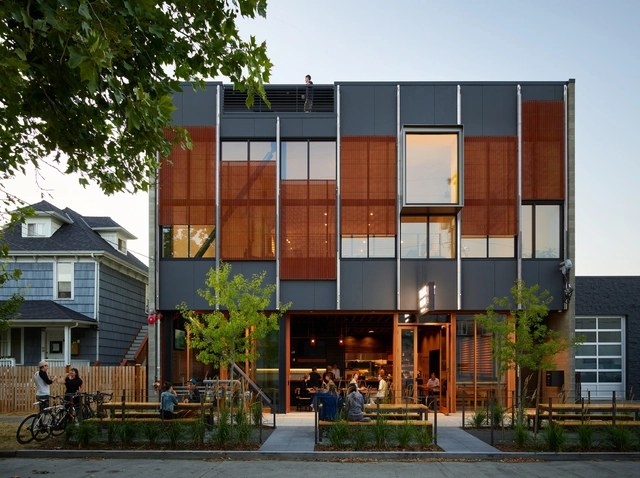
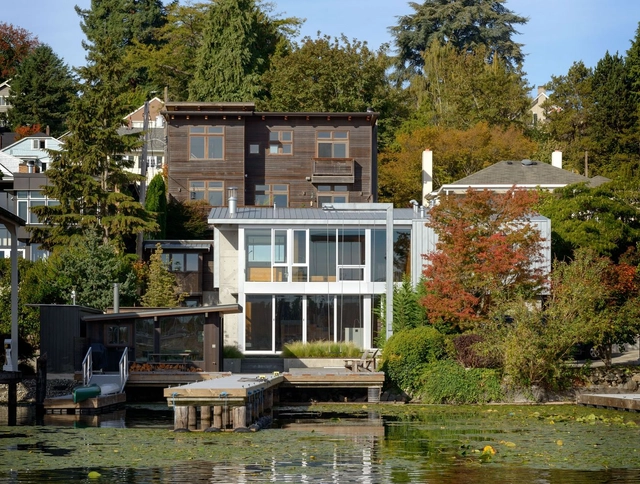
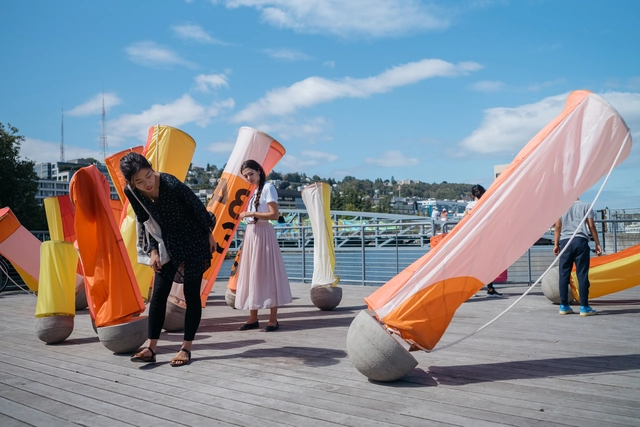
The Seattle Design Festival is currently set to open this August. Presented by Design in Public and AIA Seattle, The festival celebrates its tenth anniversary at a pivotal moment in the life of American cities. This year’s festival theme, “It’s About Time,” invites audiences to ponder our past, present, and future as we all reflect on what our opportunities are at this unique moment in history.

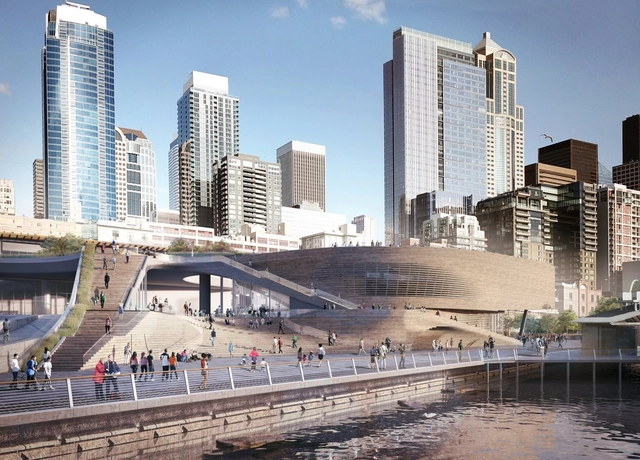
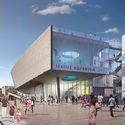
Design practice LMN Architects have unveiled new details of the design for the Seattle Aquarium Ocean Pavilion. The $113 million project will include the 50,000-square-foot Pavilion sited adjacent to the existing Seattle Aquarium. The pavilion will link together the new Seattle Waterfront, downtown and the historic Pike Place Market.
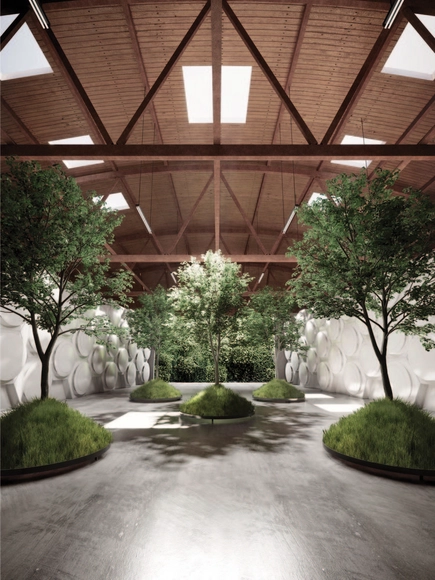
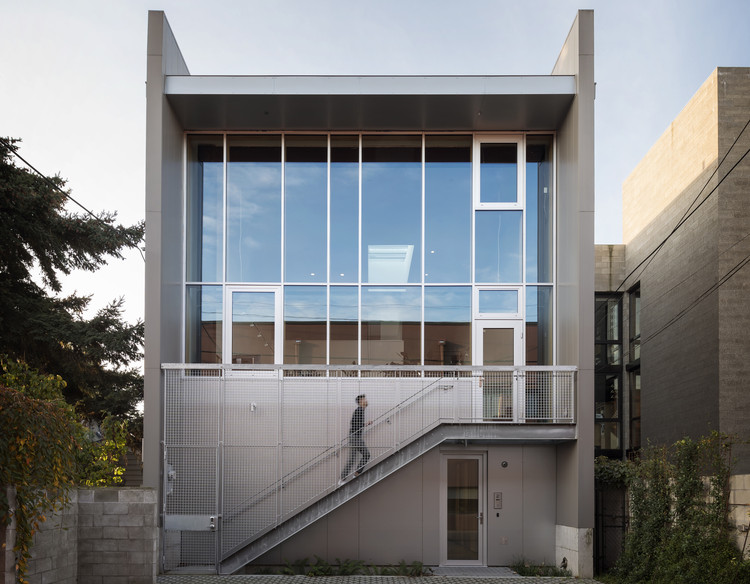
The international design firm Olson Kundig has designed a new sustainable option for after-death care. In fact, the architects created the world’s first facility for converting human remains into soil, a flagship building for Recompose in Seattle.

_Rafael_Soldi_07_17062_00_N11_high.jpg?1573172847&format=webp&width=640&height=580)

























_Rafael_Soldi_02_17062_00_high.jpg?1573172759 "© Rafael Soldi")
_Rafael_Soldi_06_17062_00_N9_high.jpg?1573172831 "© Rafael Soldi")
_Rafael_Soldi_09_17062_00_N13_high.jpg?1573172885 "© Rafael Soldi")
_Rafael_Soldi_05_17062_00_N7_high.jpg?1573172813 "© Rafael Soldi")
_Rafael_Soldi_07_17062_00_N11_high.jpg?1573172847)