-
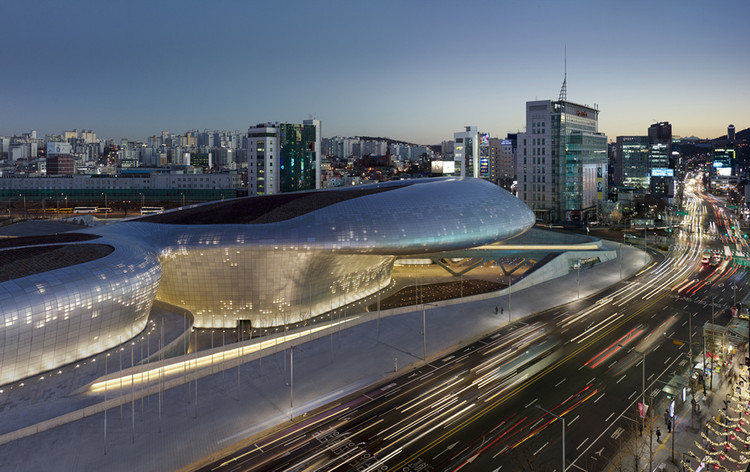
Architects: Zaha Hadid Architects
- Area: 89574 m²
- Year: 2014


_MVRDV.jpg?1431531417&format=webp&width=640&height=580)
MVRDV has won a competition to transform an abandoned elevated highway next to Seoul's Central Station into a 938 meter-long skygarden. The ambitious project, dubbed the "Seoul Skygarden," aims to "build on the city's ambition to be greener, more attractive and more user-friendly," while acting as a catalyst for the surrounding neighborhoods. 254 species of trees, shrubs and flowers will take over the overpass, creating a unique "library of plants" organized according to the Korean alphabet. Even more, the skygarden will cut pedestrian commutes to the station by more than half, reducing the walk from 25 to 11 minutes.
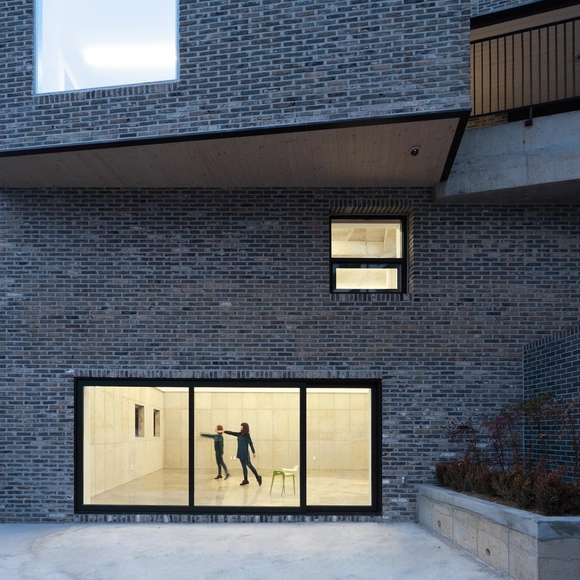
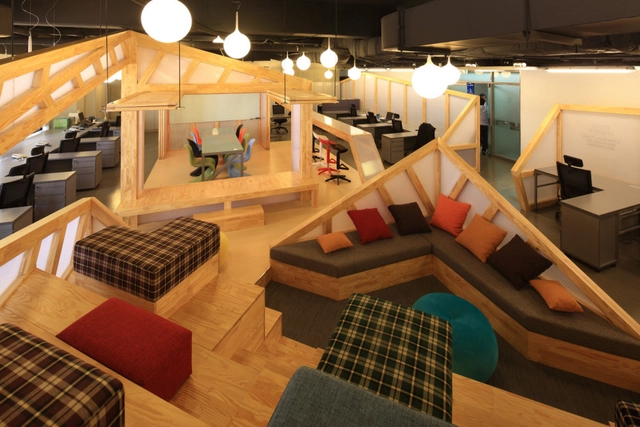


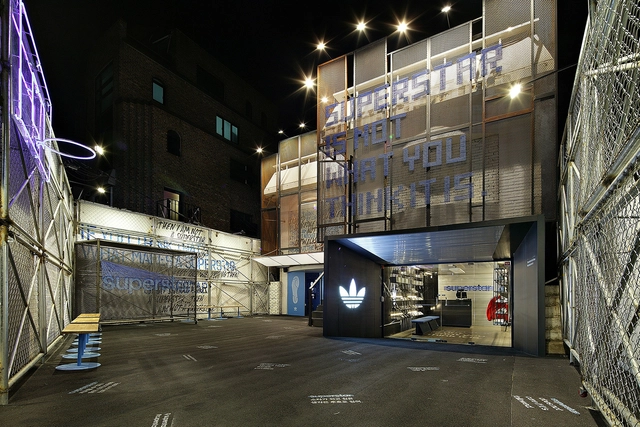
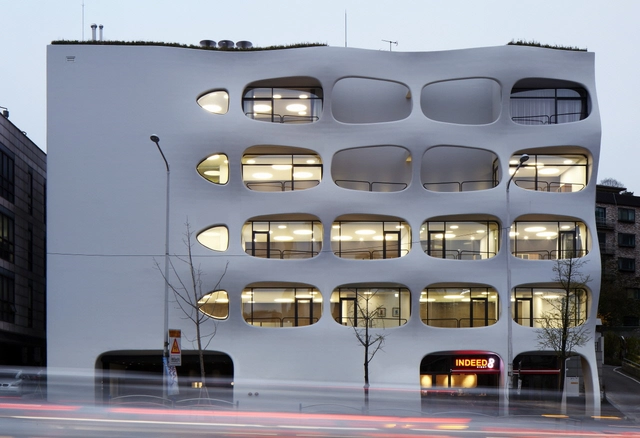
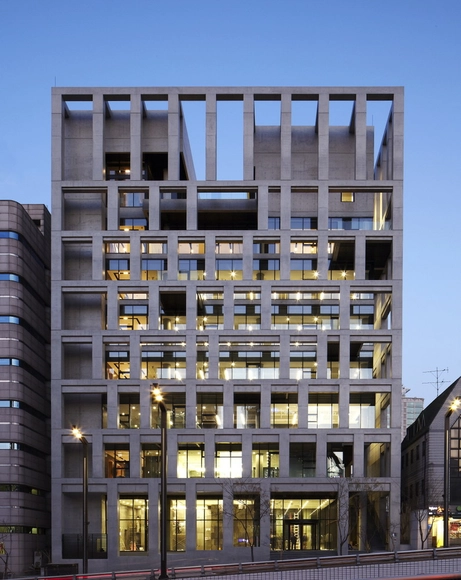

The objective of the "Re-Structuring Seunsangga Citywalk" competition in Seoul is to renovate the deck and nearby public space of Seunsangga Complex to improve the pedestrian environment and connect with surrounding areas of various nature and thereby re-establish a pedestrian axis from north to south through Bukaksan Mountain, Jongmyo~Seunsangga Complex, and Namsan Mountain. Not only is Seunsangga Complex Seoul's "urban-architectural heritage," it is a compound of history, culture and industry that connects the surrounding area and various activities.
This project will revitalize Seunsangga Complex's status as a center of pedestrian axis and urban industry by creating a space with new cultural value that will breathe life into the Seun District. The winning commission will be awarded "Phase 1 design contract." More information and registration details, here.
_photo_300dpi_pixelw2880.jpg?1424740234&format=webp&width=640&height=580)

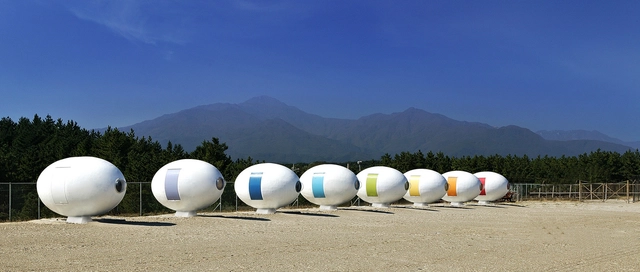
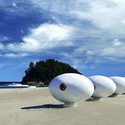
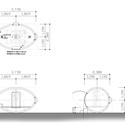
It’s a beach shelter like you have never seen before: meet Albang, the relaxation pod of the future, an oval space with a flexible interior plan optimized for sleeping, socializing, or relaxing. In Albang, located in Gangwon-do province on South Korea's coastline, aerodynamics, vivid colour, and clever design meet minimalist futuristic architecture. Realized by Korean firm Yoon Space Design, Albang was designed to replace traditional means of temporary habitation, blending the functionality of pod hotels with the efficiency of a simple tent for camping.
Enter Albang's flexible and colourful ovoid pods after the break




_MVRDV.jpg?1431531505 "© MVRDV")
_MVRDV.jpg?1431531436 "© MVRDV")
_MVRDV.jpg?1431531462 "© MVRDV")
_MVRDV.jpg?1431531598 "© MVRDV")
_MVRDV.jpg?1431531417)















_photo_300dpi_pixelw2880.jpg?1424739851 "© Young-chae Park")
_photo_300dpi_pixelw2880.jpg?1424740013 "© Young-chae Park")
_photo_300dpi_pixelw2880.jpg?1424739806 "© Young-chae Park")
_photo_300dpi_pixelw2880.jpg?1424739956 "© Young-chae Park")
_photo_300dpi_pixelw2880.jpg?1424740234)