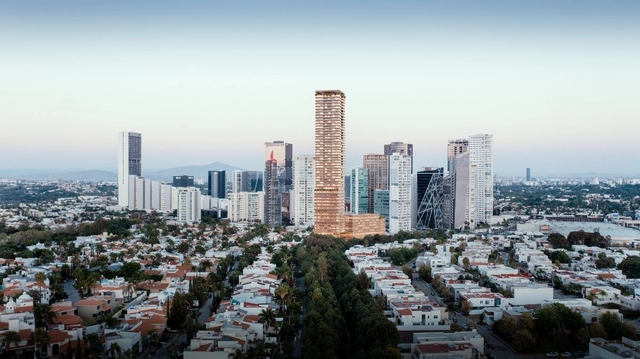
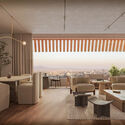
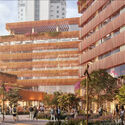
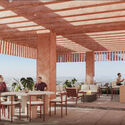
American architecture and engineering firm Skidmore, Owings & Merrill (SOM), in collaboration with Mexico City-based Estudio AMA and interior designer Esrawe Studio, has revealed a new 190-meter-tall mixed-use tower in Guadalajara, Mexico. The new addition, which broke ground on May 24, is slanted to become the tallest building in the Andares Zapopan district of the city, offering residential units, hotel rooms, and various amenities.
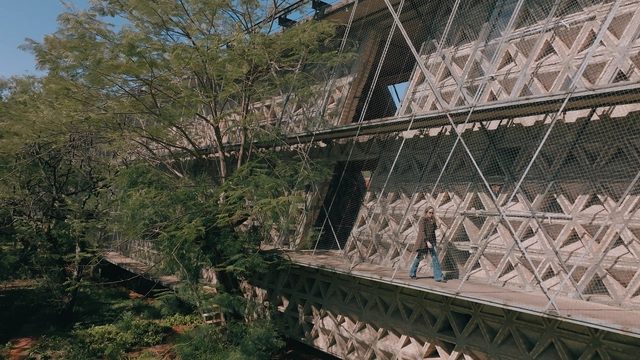
Organizing, shaping, stacking. Transforming raw materials from the soil into architecture. This is a challenge that many Latin American architects embrace, demonstrating that scarcity can be daunting but also a rich opportunity to unleash creativity.
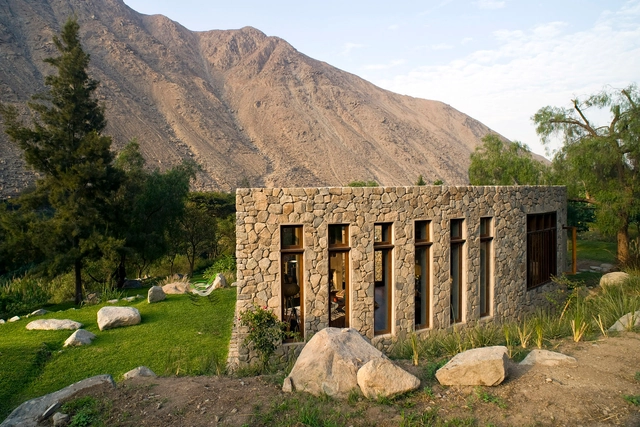
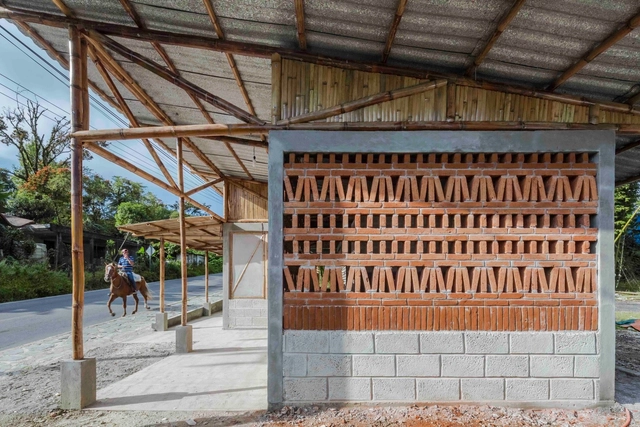
The use of materials extracted from the local soil serves a dual purpose. In regions with limited industrialization, using locally sourced materials makes economic sense because industrial materials such as concrete and steel are expensive and often require long-distance transportation, adding to their cost. Environmentally, choosing locally sourced materials from the start of a project reduces transportation needs and carbon emissions, supporting sustainability efforts.
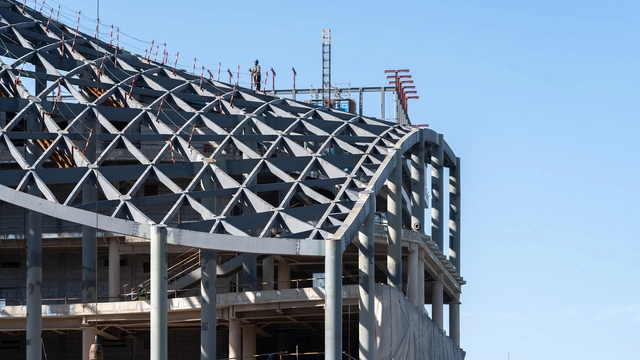
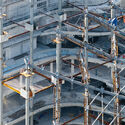
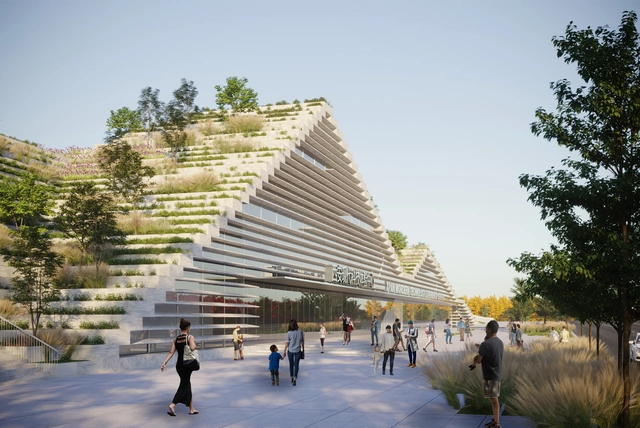
In 2021, MVRDV unveiled the design of a terraced office building created for the agriculture company Lankuaikei. Set within a rapidly developing area of Shanghai, the 11-storey structure is covered by a curved technological roof that follows the stepping structure. The project is conceived as a showcase of the company's vision of food production, with an extensive sustainability agenda encompassing various strategies. These include extensive use of greenery, integration of renewable energy, and the use of low-carbon materials. The construction process is now captured by StudioSZ Photo / Justin Szeremeta, revealing an intermediary state where the bare-bone structure begins to reveal the shape and scale of the building. Structural construction details are also visible at this stage,
When he was invited to design the 21st Serpentine Pavilion in London’s Kensington Gardens public park, Chicago-based artist Theaster Gates envisioned a calm space to offer respite and a subtle exploration into the power of sound and music in architecture. Created out of lightweight stained wood, the “Black Chapel” demonstrates more than just artistic and architectural sensibilities. In addition to the use of sustainable materials, the project also pays close attention to how the building materials are sourced, bringing visibility to the problem of modern slavery in the construction materials supply chain.
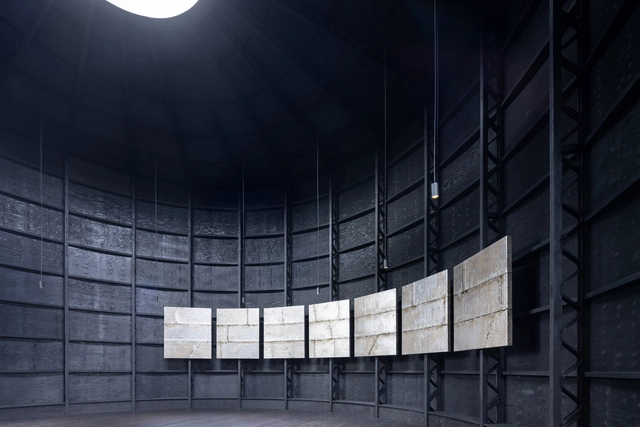
Noemí Blager and Tapio Snellman are presenting a new video installation at the Architectural Association (AA) in London. The exhibition titled “A Lot with Little” set out to explore and showcase how architects can employ a more economical use of resources to create architectural works that are both sensible and sustainable. Previously shown in Germany, Switzerland, China, Czechia, the US, and the Venice Architecture Biennale, this London debut aims to highlight the global relevance of resource-efficient architectural practices. The exhibition is now on view at the AA School in London from April 26, until May 30, 2024.
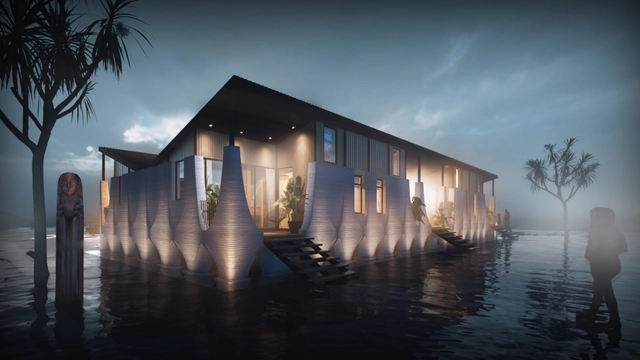
In an open competition, ICON’s Initiative 99 requested participants to design a home using ICON’s 3D printing technologies while keeping the construction budget under $99,000. Among the three selected winners for the Open Category, New Zealand-based office MTspace Studio proposes a robust flood-resistant design, in response to the housing crisis in New Zealand’s flood zones. Titled “Wai Home” after the Māori word for water, the concept revolves around the idea of working with this essential natural element. The design features innovative rainwater collection and storage systems, along with elements to increase the resilience of the construction in the face of increasing threats.
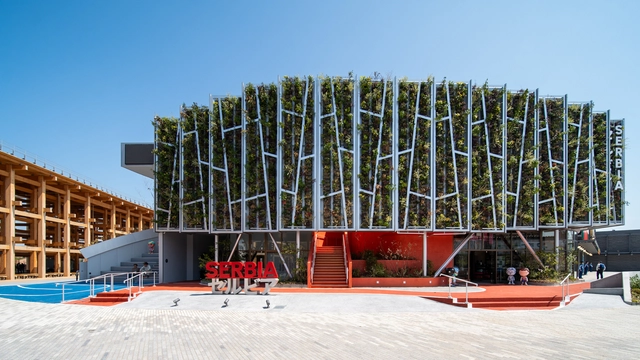
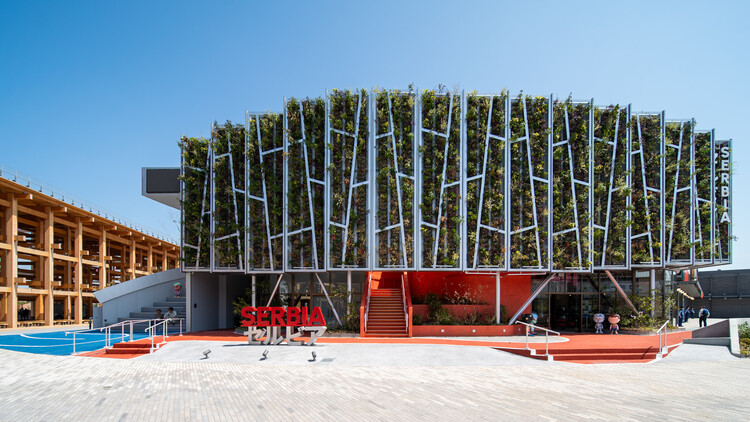
The Serbian Pavilion at Expo Osaka 2025 emerges as a compelling example of sustainable architecture infused with cultural storytelling, seamlessly integrating cutting-edge technology and emotional resonance. Designed by Aleatek Studio, the pavilion takes inspiration from Belgrade's protected Ratno Ostrvo (Great War Island) to realize the concept of a "Floating Forest." It stands out as the only Expo pavilion featuring a living façade, with over 95% of its materials recyclable and 80% intended for reuse in future construction. The design strategy also aligns with the theme "Play for humanity" of the upcoming Specialised Expo 2027 to be held in Belgrade.
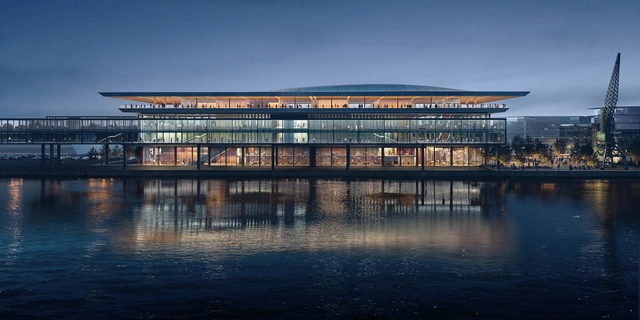
Zaha Hadid Architects (ZHA) has been announced as the winner of the international competition for the design of the Riga Ropax Terminal in Latvia. Collaborating with Latvian practices Sarma Norde Architects and Alps Landscape Architects, as well as Sweco Finland, ZHA’s proposal includes the repurposing of an existing shipping warehouse, to be transformed into a key multi-modal transport hub for the city, located along the Daugava River. The competition was open to anyone who qualified. Out of the ten registered entries, the third prize was awarded to US-based Berenblum Busch Architects, the second prize went to R-Konsult from Estonia.
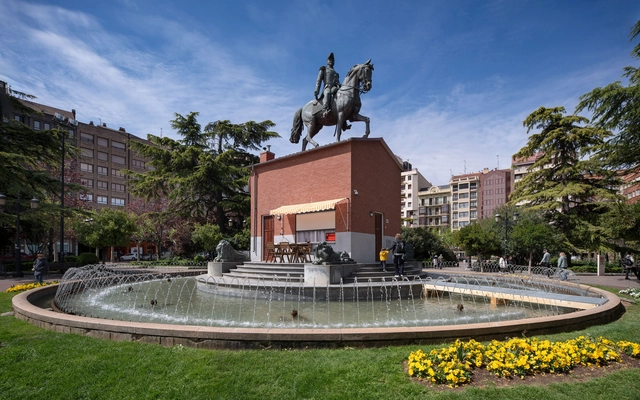
From April 25 to May 1, 2024, Logroño hosts the tenth edition of Concéntrico, a celebration of urban innovation and transformation. This year, the festival explores the future of cities, incorporating new formats, engaging diverse audiences, and tackling urban challenges through the lens of time as a catalyst for change in design. Featuring 20 interventions and activities involving over 100 professionals from 17 countries, the program encompasses processes such as renaturalizing public spaces, reimagining urban structures, and integrating recycled materials from previous editions.
Additionally, collaborations with educational centers ensure a lasting impact beyond the festival, fostering new collective practices in public spaces. Special projects such as "The street in 10 years" or initiatives involving students and pupils from local schools and educational centers further enrich the festival's engagement with communities across Spain.
Architects Lesley Lokko and Marina Tabassum have been selected in TIME Magazine’s ‘100 Most Influential People of 2024.’ Known as the TIME 100, the list is an annual compilation of individuals who have made significant impacts on the world in various fields such as politics, technology, entertainment, and more. Each person on the list is profiled by a guest writer, often someone who is also prominent in their field. Selected by Sarah M. Whiting, Dean of the Harvard Graduate School of Design, Marina Tabassum features in the Innovators chapter, while Lesley Lokko, selected by filmmaker Ava DuVernay, is recognized as a Pioneer.
Ever since the Industrial Revolution and the introduction of mass production, the ownership and use of simple products and services like flush toilets with running water, electricity, heating, and cooling are seen as human rights in many areas of the world. With the majority of homes and residential projects being individually designed and built to order – therefore without the speed and cost advantages of mass production – an underperforming housing construction sector means many people – even in the world’s richest countries – are being denied one of the most basic human rights, having somewhere to call home.
The UNHCR (UN Refugee Agency) states that there were over 100 million forcibly displaced people worldwide in 2023 – a figure that has tripled over the last 10 years. For host countries, finding safe, sustainable housing solutions for those in need, both in the short- and the long-term, is an ongoing and dramatically worsening challenge.
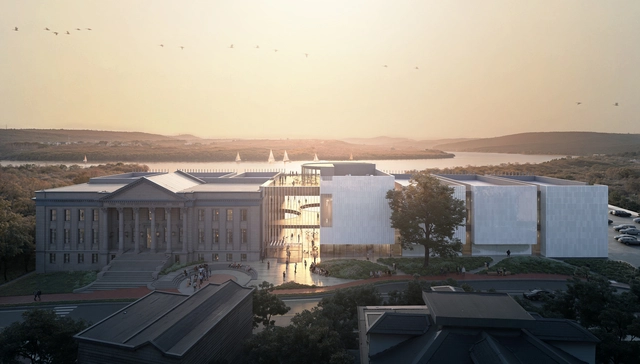
Diamond Schmitt Architects, together with Associate Architect EXP, has unveiled the design for the New Brunswick Museum (NBM). Envisioned as an extension of Canada’s oldest museum, the new wing will expand the museum’s spaces for research and exhibitions while maintaining a minimum carbon footprint. The intervention is located on the historic Saint John site, taking advantage of the unique location by opening up views towards both the urban center and the Harbor of Saint John.
As construction materials costs increase, builders and developers are seeking alternatives to traditional home construction methods to address housing shortages. In response, an expanding construction technology field is the 3D printing sector. This technology promises quicker, cheaper construction and the potential to extrude local and recycled materials. However, due to the slow-changing nature of the construction industry, a radical shift involving large-scale 3D-printing machines on-site and a complete overhaul of the construction process seems unlikely shortly.
Prefabricated 3D printing modular housing offers a compelling solution, providing the benefits of 3D printing advancements while leveraging standard construction machinery and labor. In off-site 3D-printed construction, there is no need to transport massive 3D-printing machines on-site. Instead, components are printed in a controlled environment and then assembled on-site. These types of 3D-printed residential modular kits of parts are already being manufactured and are attracting significant investment.
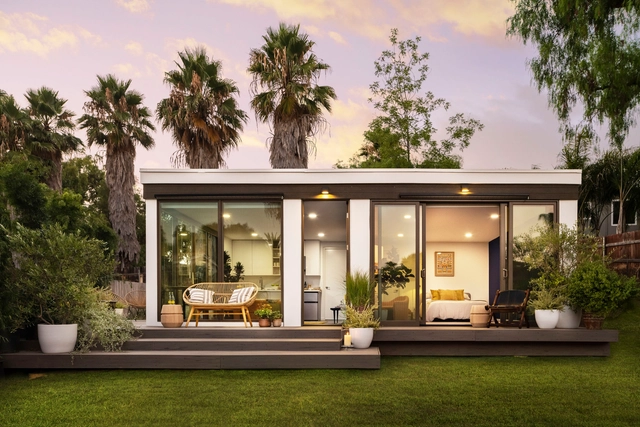
Modular homes are houses either partially or fully constructed in a factory. This process involves creating a series of three-dimensional 'modules' delivered to a site in a predetermined spatial pattern and assembled into a complete product. These homes have become popular solutions to housing crises as they can be produced 50% faster and emit half as much pollution.
However, the locality of the materials used is a significant factor that gives homes their character. It conveys a sense of place, culture, construction history, and local craftsmanship. This raises questions about its role in modular housing: Can local materials be used in the factory production of homes? Can they be combined with a modular framework and temporary connections? What are the limitations of building modular homes in the local contexts of the Global South?
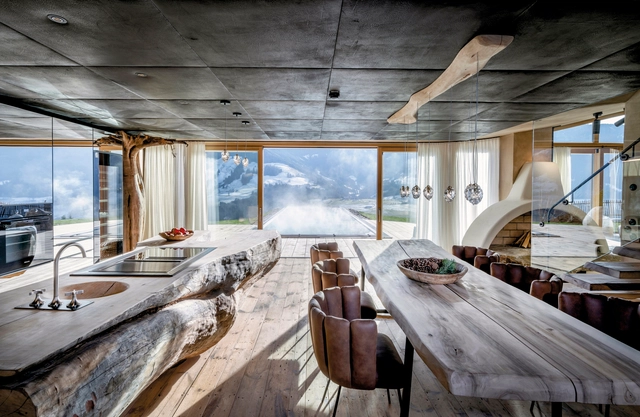
Located in the municipality of Leogang in the Salzburgerland province, Austria, the Priesteregg Premium Eco Resort resides on a plateau at a height of 1100 meters. Opened in 2009, the resort comprises 15 chalets and three villas, and is surrounded by lush mountain pines, Alpine roses, and bilberry bushes. This setting offers relaxation and breathtaking views of the Leogang Steinberg Mountains, the Steinernes Meer with the Hochkönig, and Kitzbühl Schieferalpen.
The resort's development has been influenced by traditional agricultural land use, leading to a conservationist approach. This includes sustainable energy concepts, support for regional producers, and the use of natural materials in the entire resort. In the three villas, the W2 Manufaktur studio and architect Ulrich Stöckl have curated interiors that blend rustic Alpine style with modern luxury, featuring products from Dornbracht. Each villa uniquely combines natural materials, natural features, and a variety of the brand's fittings and fixtures.
The satellite practice of Stefano Boeri Architetti in China has won the tender for the Culture CBD Modern Technology Experience Centre in Xi'an, the capital of the Chinese province of Shaanxi. The new technology-focused museum is set to become a hub for scientific and cultural exchange. The winning project takes inspiration from the area's natural landscape, characterized by a tortuous system of rivers and mountains, as well as the culture of the ancient city of Xi’an.
Business as usual cannot continue if we are to strive towards a more sustainable building industry. Our methods and strategies must transform and adapt to an entirely new way of thinking.
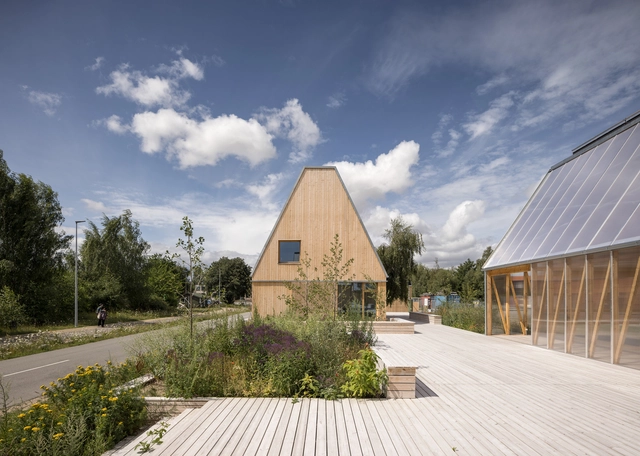
This is why the Living Places concept was developed by the VELUX Group, in partnership with EFFEKT Architects and Artelia. It highlights how rethinking building principles can address global climate and health challenges. Powered by this idea, Living Places Copenhagen, the concept's first prototype, presents a physical example that shows how to build more sustainably while maximizing indoor comfort.