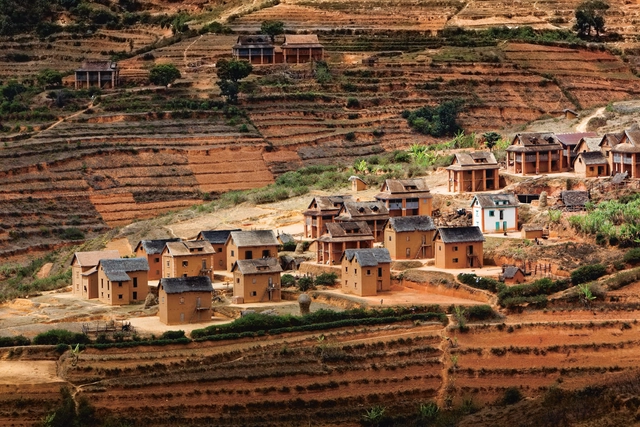
The architecture and construction industry has undergone a transformation with the integration of various digital tools, now indispensable to the design process. The welcoming of technologies has effectively streamlined operations, enhanced efficiency, and elevated design quality. This digital shift, however, has resulted in a digital divide that goes beyond accessibility to tools and software. It also encompasses the crucial aspect of integrating traditional and indigenous communities into the urban development landscape. Can advancing technology support the growth of vernacular architecture? Can indigenous building practices find a place in the vision for a digitalized future?
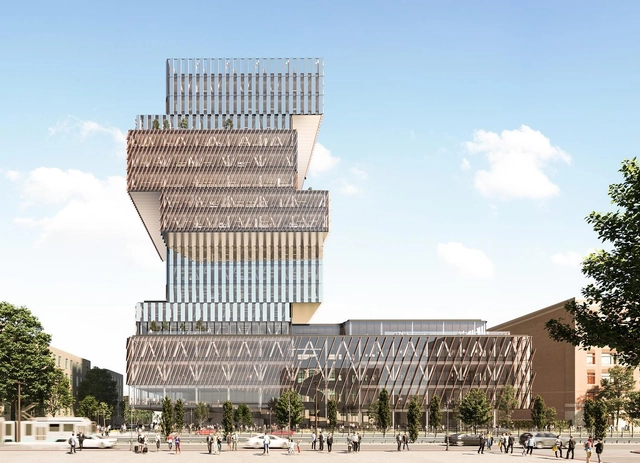
Center for Computing and Data Sciences, Boston University / KPMB Architects + Suffolk. Image Courtesy of KPMB Architects
Decarbonization of the building sector is no longer a choice but a necessity. As nations strive to curb their greenhouse gas emissions by 2050, it is increasingly clear that current building standards do not go far enough to drive tangible change. Achieving climate goals requires economies to advocate measures that drive carbon neutrality while managing associated costs effectively. How would net-zero performance strategies impact building costs?
Working within the restrictions of a limited carbon footprint can be one of the hardest – but also most rewarding – parts of a modern architect’s role. Whether to suit a large multinational corporation’s sustainability report, to achieve LEED status or similar for a commercial developer, or to build an eco-home for a climate-conscious private client – or even one who just wants to spend less on energy, it’s imperative to keep up-to-date with the latest carbon-neutral and low-carbon building practices and materials.
Whether looking at a project’s structural beginnings, its high-grade finishes, or thinking more holistically about its entire lifetime, there are huge gains to be made with sustainable substitutes and alternatives to traditional materials and techniques.
Copenhagen was founded in the 12th century and has undergone numerous transformations to establish itself as an urban benchmark of the 21st century. Its dynamic urban environment stands as an exemplar of architecture's importance and crucial role in shaping a sustainable future for cities. Confronting global challenges like mobility, urban development, and eco-friendly construction, the city is an inspiring model. This is why in 2023, the Danish city was named the World Architecture Capital by UNESCO-IUA, positioning Copenhagen as a platform for discussions on climate, sustainable solutions, and livability.
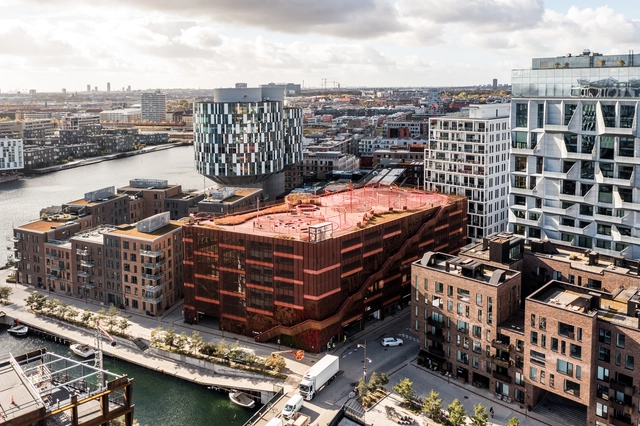
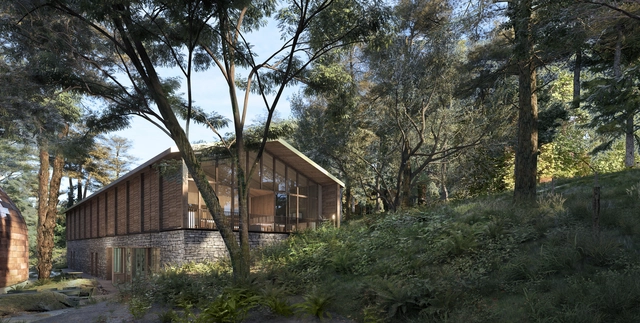
In this context, Danish architects such as Anders Lendager have been asked about their perception and interaction with their favorite places in the city, providing valuable insight into what makes Copenhagen unique. Lendager, the CEO and founder of Lendager Group, has been the designer behind eco-village projects, the Danish Pavilion in Milan, and a skyscraper built from recycled materials. Collectively, these projects showcase the capacity to translate the core principles of sustainable cities into tangible components, prioritizing human well-being and fostering circular economy models.
https://www.archdaily.com/1006184/an-architects-guide-to-copenhagen-anders-lendager-and-the-essence-of-the-sustainable-cityEnrique Tovar
Sustainability has taken center stage in the broad world of architecture and design, inspiring and directing the construction of new structures towards environmental harmony. The use of wood, a classic material with enormous potential to lessen our ecological impact while providing limitless design possibilities, is a notable example of this movement's implementation. In the fight for sustainability in the field of architecture, wood has become an ally. Its distinctive qualities, such as renewability and carbon neutrality, have inspired creative methods among architects worldwide.
A wide range of architectural projects, from vital healthcare facilities to exciting mixed-use buildings, cultural hubs, and welcoming residential spaces, benefit from wood's extraordinary versatility as a building material. In fact, wood's natural warmth and biophilic qualities can create spaces that reduce stress and promote well-being. Furthermore, the carbon-neutral nature of wood aligns perfectly with the design industry's commitment to environmental responsibility.
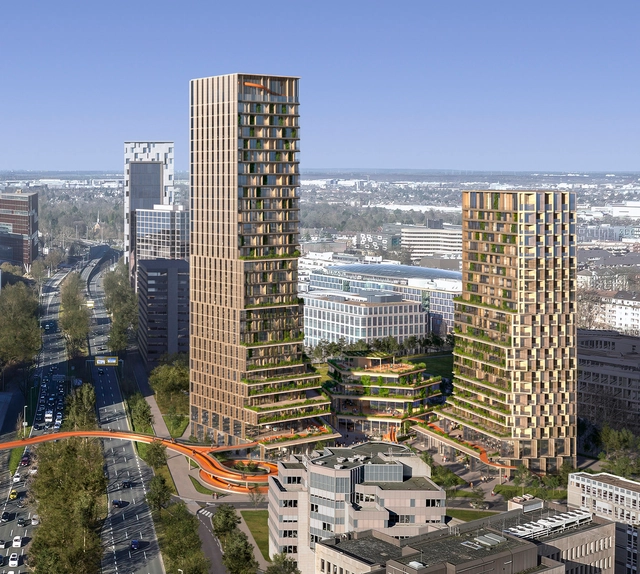
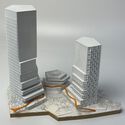
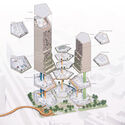
UNStudio has been selected as the winner of the international competition for the design of a mixed-use development in Düsseldorf, Germany, surpassing other internationally recognized participant offices, including 3XN, BIG, David Chipperfield Architect, and finalists Hadi Teherani Architects, HPP Architekten, and Ingenhoven. UNStudio’s proposal features two mixed-use towers measuring up to 120 meters, surrounded by a low-rise community pavilion. In addition to the office and residential spaces, the scheme also includes multifunctional uses and services such as sports, fitness, medical facilities, gastronomy spaces, a mobility hub, a daycare center, and opportunities for cultural events.
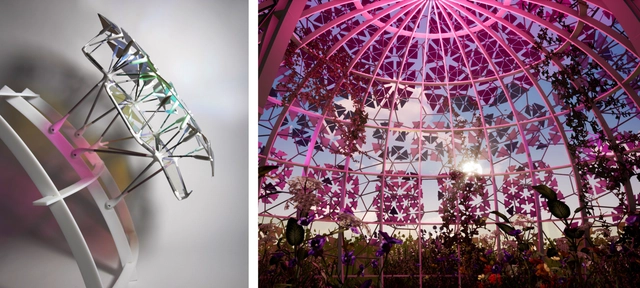
Agrivoltaic Pavilion prototype & designs in 'Sustainable Architecture & Aesthetics.' Transforming BIPVs with custom 3D-printed filters and panels for site-specific solar collection. Courtesy Sabin Design Lab at Cornell College of Architecture, Art, and Planning and the DEfECT Lab at Arizona State University. Image Courtesy of Jenny E. Sabin
Why research and innovate in architecture? In a conversation with architectural designer Jenny E. Sabin, we delve into the critical link between research and practice in architecture. Seeking the development of a new model, her team incorporates an interdisciplinary approach that introduces connections between these areas, fostering collaboration with both scientists and engineers.
Observing nature’s behavior, the proposed method integrates biological and mathematical discoveries into the design process. After undergoing a systematic testing process, these insights are applied in the project’s generative design phase to create adaptive and responsive material solutions. Analyzing her research and design strategies, we showcase how she translates research into architectural practice.
From the top floor of the Hilton Hotel at Tucherpark in Munich, you could see the skyline of the city dotted with construction cranes, a reflection of its current state of development. With this backdrop of old meets new, this year’s edition of the Architecture Matters conference started its program under the title “Second City: The New in the Old.” While the title could have been fitting for a preservation conference, Architecture Matters actually brought together a diverse group of architects, urbanists, engineers, city planners, government officials, developers and technologists to discuss forward looking ideas for the built environment. Reduce, reuse, recycle, and the circular construction dominated the discussion across different scales, from city planning to new materials, and tech startups.
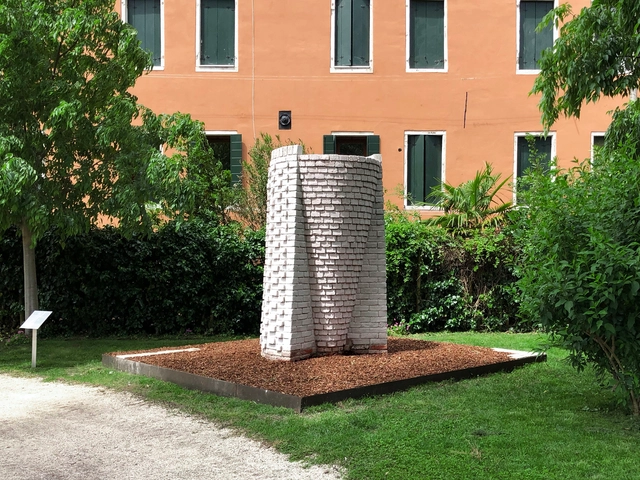
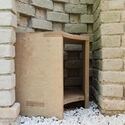
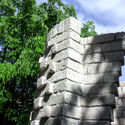
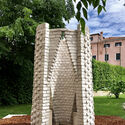
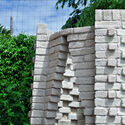
Urban Radicals presented a temporary pavilion “A Brick for Venice” as part of the European Cultural Center’s “Time Space Existence program during the same time as the 2023 Venice Architecture Biennale. The entirety of the brick pavilion was made with mud from the city’s canals. Furthermore, “A Brick for Venice” is the first proof of concept for the team’s novel waste-based construction product.
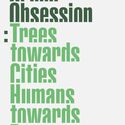
The “Green Obsession” campaign launched by Stefano Boeri Architetti has been declared the winner of the SDG Action Awards, the most important recognition of projects that support the United Nation’s 17 Sustainable Development Goals. As part of the SDG Action Campaign, the United Nations set out to reward initiatives that “mobilize, inspire and connect communities in order to promote positive change.” The winning initiative aims to help improve the relationship between nature and design by implementing the principles of urban forestation. Green Obsession represents a series of conferences, public programs and a book, “Green Obsession: Trees Towards Cities, Humans Towards Forests”, published in 2021 and supported by the Graham Foundation.
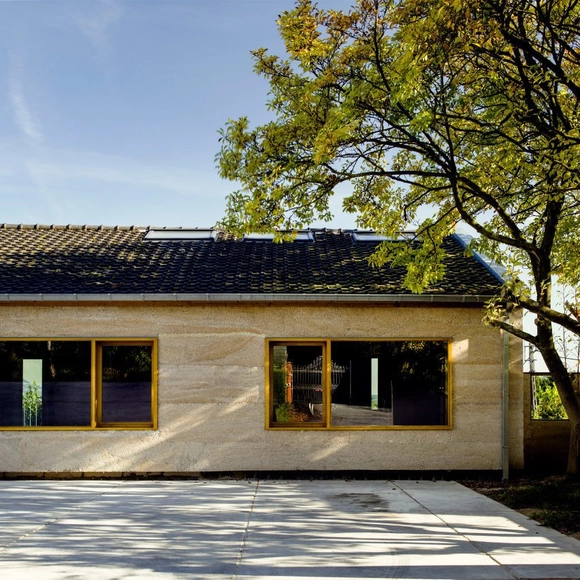
In recent years, the spotlight on sustainable, eco-friendly, and low-carbon materials has intensified across the architecture industry. Amid this interest, a renaissance of hemp architecture is gradually gaining momentum on a global scale. Hemp-based materials have emerged as a favorable alternative to traditional industrialized materials, presenting a multitude of benefits that could revolutionize the construction industry. Despite its vast promise, several hurdles obstruct the widespread adoption of hemp, inhibiting its transformative potential in the construction industry.
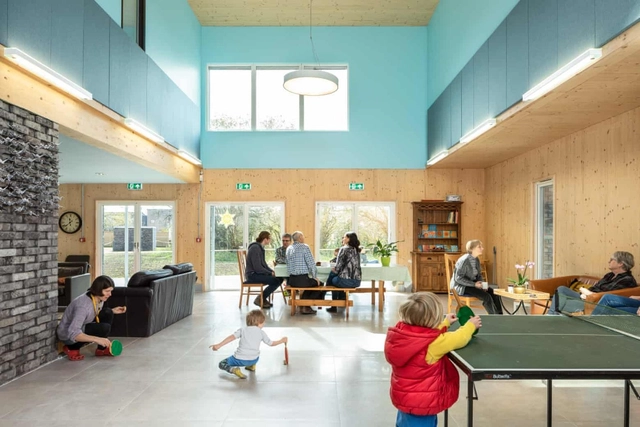
Courtesy of David Butler | Marmalade Lane Cohousing development
The International Day of Cooperatives is a celebration of the cooperative movement, which takes place annually on the first Saturday of July. In 1992, the United Nations General Assembly established it a national day, celebrating the cooperative movement worldwide with yearly themes. The cooperative movement is an association focused on achieving common goals and addressing collective communal needs. Cooperatives believe in community development at their core, prioritizing people and supporting local communities to improve their well-being. Moreover, the co-living models that have been adapted from it have become an enormous success over the past few decades, providing a form of cost-effective social housing. The cooperative structure redefines how people live, work, play, and collaborate. This year's theme is “Cooperatives: Partners for accelerated sustainable development.”
As cooperative principles continue to be injected into built environments today, the concept has created different models of co-op housing, leading to co-living. Over the past years, established European awards have celebrated co-living and architecture studios and developers worldwide have designed different models exploring co-living. The articles and projects selected in this article address what it means to live together, work together, and form healthy communities in this day and age.
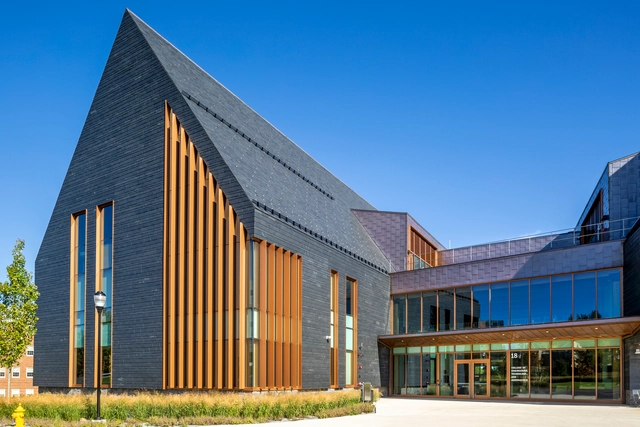
SNHU Innovation and Design Education Building / HGA. Image Courtesy of Cupa Pizarras
When designing architectural projects, protecting a building’s walls is key for ensuring its longevity, durability, and resistance to the elements, therefore preserving its aesthetic appeal. Among the protective measures available, cladding systems are exterior coverings that integrate varying textures, colors and finishes, allowing for customization and creative expression, while also providing weather resistance and thermal performance.
Exploring materials beyond traditional masonry cladding or commercial curtain wall systems, Cupa Pizarras has developed natural slate rainscreen facades. From linear to honeycomb patterns, these geometric facade layouts meet the requirements of current architectural trends, which demand more sustainable and energy-efficient buildings. The combination of high-durability tectonic slate with innovative fastening techniques, as well as the efficiency of rainscreen cladding, makes CUPACLAD a sustainable and aesthetically pleasing alternative for enhancing the LEED certification of projects.
Water scarcity is one of the most stressful situations that one could ever endure. And yet, in India, a country that holds 18% of the total world population with only 4% of its water resources, this is a recurring struggle with notable numbers of Indian households having to manage water scarcity on a daily basis.
The yearly water cycle is a tough one, ranging from one extreme to another. Harsh monsoons and flood seasons turn into insufferable droughts, making it increasingly difficult to control and retain water resources. While most large-scale actions focus on consequences to agricultural and production sectors, the result is also recognizable at an individual household level. Therefore cumulative small-scale actions are relevant gateways for citizens (? people, designers) to mitigate the issue.
Studio KO’s curation of the Uzbekistan Pavilion for the Venice Biennale is based on research, curiosity, workshopping, and experimenting with the senses. For over two years, the studio has worked alongside the Arts and Cultural Development Foundation, designing the Center for Contemporary Arts and their initiatives to restore and rehabilitate vernacular houses, transforming them into artist residencies. While exploring the 18th International Architecture Exhibition onsite in Venice, ArchDaily had the chance to speak with the founders of Studio KO, Karl Fournier, and Olivier Marty, curators of Uzbekistan National Pavilion. Their exhibition for this year’s theme, “The Laboratory of the Future,” focuses on the country’s rich heritage as a potential tool and inspiration for developing a more sustainable future.
Pihlmann Architects is a young Copenhagen-based architectural run by Søren Pihlmann. In this interview with Louisiana Channel, the rising architect elaborates on his unique practice, the values he holds, and what he finds fascinating about architecture. Most notably, Pihlmann explains that his view on the practice has transformed from being an architect into becoming a type of curator, selecting very few things with great sensitivity.