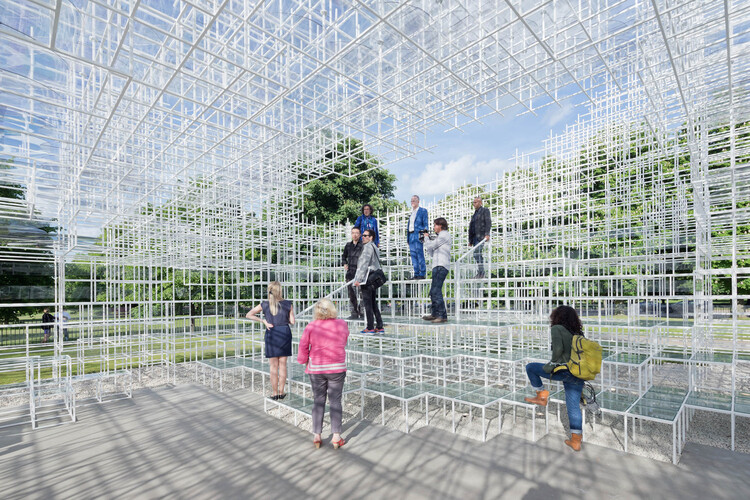
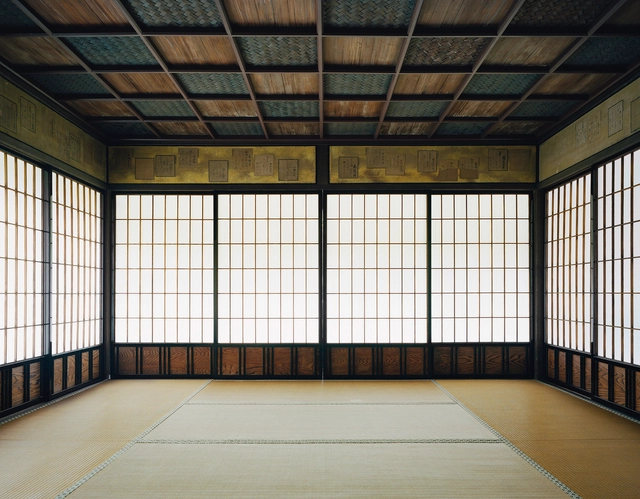
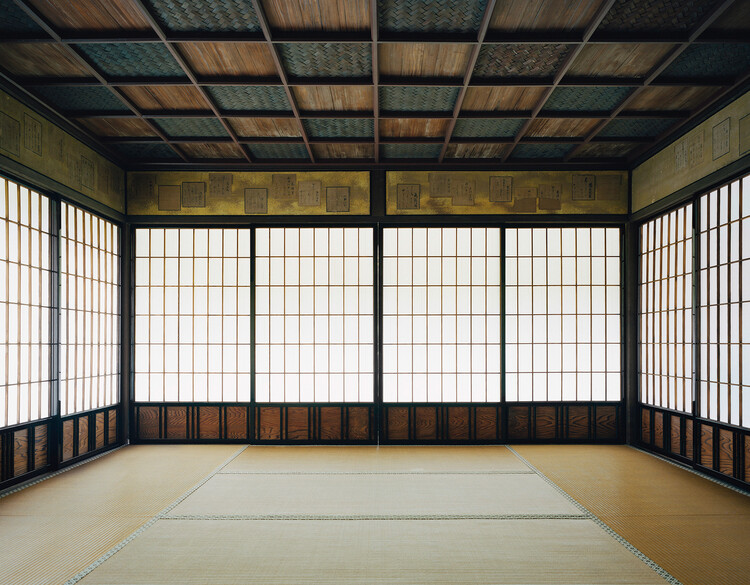
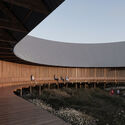
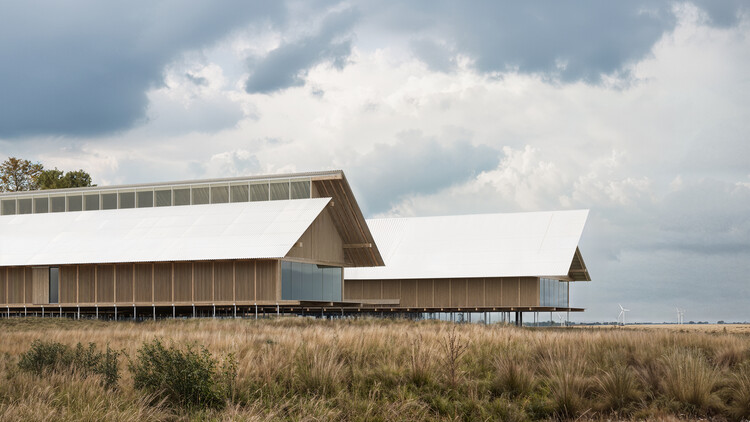
On UNESCO's International Day of Light, celebrated annually on May 16, the Daylight Award announced its 2026 laureates. Established to support research into the scientific understanding of daylight and its significance for health, well-being, ecosystems, and architectural design, the award recognizes achievements in two categories: Daylight in Architecture and Daylight Research. This year, Japanese architects Momoyo Kaijima and Yoshiharu Tsukamoto of Atelier Bow-Wow were honored for demonstrating how daylight can shape shared spaces and everyday life, while marine biologists Brittany N. Zepernick, Steven W. Wilhelm, and R. Michael McKay of the United States and Canada were recognized for their research on aquatic microorganisms and their implications for planetary health and biodiversity.
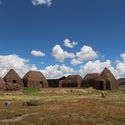
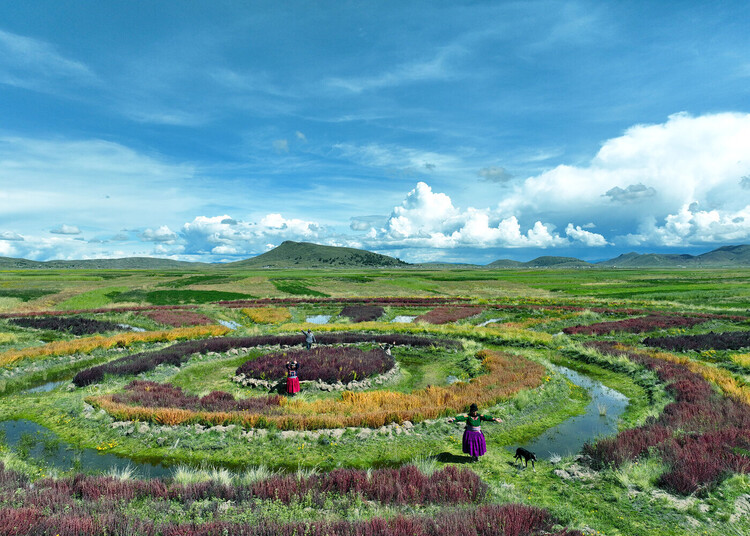
Waru Waru agricultural field. Image via World Monuments Fund
The United Nations' International Mother Earth Day, observed annually on April 22, aims to "promote harmony with nature and the Earth." In light of the urgency posed by climate change, it seeks to raise awareness of the challenges of preserving all forms of life supported by the planet. It is a call to the global community to safeguard biodiversity while striving to balance economic, social, and ecological systems. Crimes against biodiversity include large-scale practices such as deforestation, land-use change, intensified agriculture, livestock production, and illegal wildlife trade, all considered by the UN to be accelerating factors in the destruction of the planet.
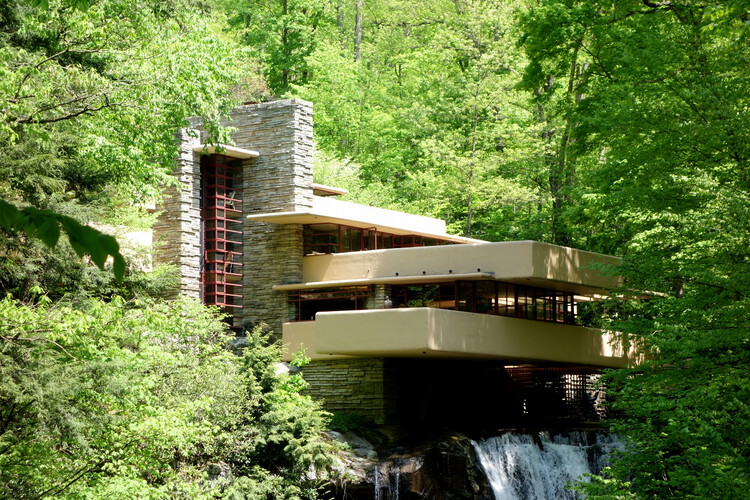
Fallingwater, the iconic residence designed by Frank Lloyd Wright, has reopened to the public following the completion of a three-year preservation project. The reopening coincides with the building's 90th anniversary and the start of its 63rd tour season, marking a key moment in the ongoing conservation of one of the most widely recognized works of modern architecture. The intervention, led by the Western Pennsylvania Conservancy, focused on addressing structural and environmental challenges while maintaining the integrity of Wright's original design.
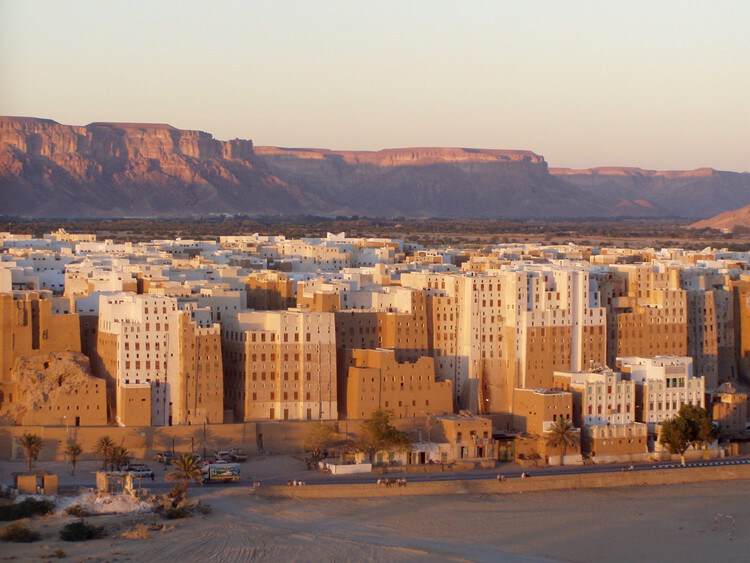
Symbols of technological development and urban density, tall buildings as we know them today emerged in the late nineteenth century, particularly in the United States, as a response to the rapid expansion of urban commerce and the need to grow cities without occupying additional land. The term skyscraper, for instance, was coined in the 1880s and originally referred to buildings with around 10 to 20 stories—an impressive height for the time.
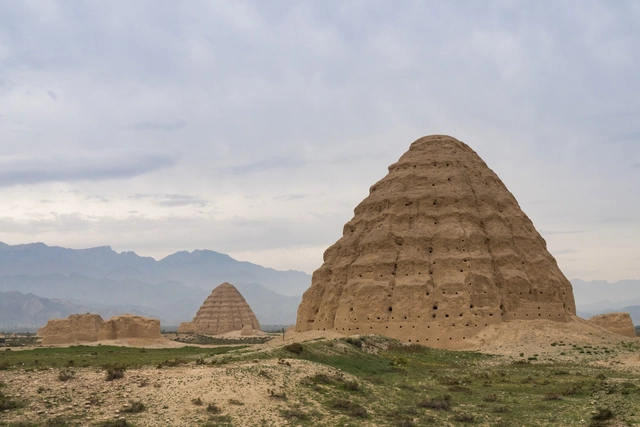
However, the idea of building vertically is much older than the steel-and-glass skyscrapers of modern cities might suggest. Long before the Industrial Revolution, some societies were already experimenting with forms of vertical urbanization as a response to limited space, territorial defense, or environmental adaptation.
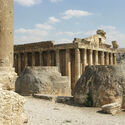
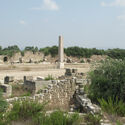
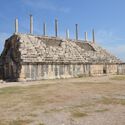
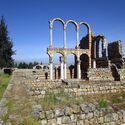
On February 28th, 2026, the news of the loss of human lives, the operational pattern of military strikes, damage to infrastructure, communication disruptions, and international responses following US-Israeli military attacks on Iranconfirmed to the world that there was a new focus of war in Southwest Asian territory. This military conflict has also had a human and infrastructural impact on Lebanon, Syria, Iraq, and Jordan, with active combat zones in their territories, and the Gulf States, where damage particularly affected US military bases and energy infrastructure. This adds a new site of armed conflict in the area, following over two years of systematic destruction of life, habitat, and essential facilities in the Gaza Strip, reaching a near total of 81% destroyed structures by the end of 2025. These territories are currently involved in the deliberate destruction of their normality, including essential, everyday, and cultural infrastructure of global value. Although information is currently scattered and partial, it is possible to assess some of the damage to cultural heritage caused by this new outbreak of armed conflict.
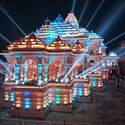
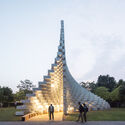
A Gothic cathedral can take centuries to complete. A world exposition pavilion may stand for six months. A ritual structure in Kolkata rises and vanishes within five days. Yet each draws pilgrimage, shapes collective memory, and reorganizes urban life. If heritage has long been defined by what endures, architecture repeatedly shows that cultural authority can also belong to what gathers people.
For much of the twentieth century, conservation frameworks privileged permanence. The Venice Charter, adopted by the International Council on Monuments and Sites, focused on safeguarding monuments and their material authenticity. Cultural value was tied to physical fabric such as stone, brick, and timber. To protect heritage was to preserve what stood. The logic felt stable, even self-evident.
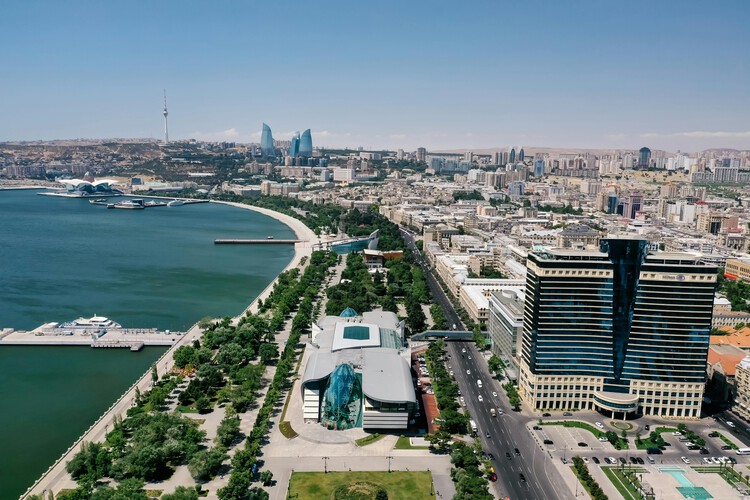
President Ilham Aliyev has signed an order declaring 2026 the "Year of Urban Planning and Architecture" in the Republic of Azerbaijan. The decision establishes a national framework focused on urban planningpolicy, architectural culture, and sustainable development, aligning with Azerbaijan's preparations to host the 13th World Urban Forum (WUF13) in Baku in May 2026. According to the order, the designation aims to preserve Azerbaijan's centuries-old traditions while integrating contemporary approaches that respond to current social, environmental, and spatial challenges. The President's Administration will now prepare and submit a comprehensive action plan for the year within one month.
Cultural diplomacy refers to the use of cultural expression and creative exchange to foster understanding and build relationships between nations. In this context, architecture has long played a distinctive role. Beyond its functional and aesthetic dimensions, it serves as a medium of communication, a language through which countries express identity, values, and ambition on the global stage.
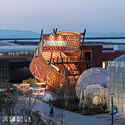
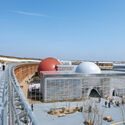
Architecture operates as a form of soft power — persuasive rather than coercive — enabling nations to project influence through material presence. From modernist embassies in the post-war era to monumental pavilions at world expositions, governments and institutions have recognized the built environment's potential to shape perception. By commissioning prominent architects and adopting specific design languages, countries have used architecture to signal modernity, tradition, innovation, or stability.
Cobe has revealed the design for Museum Wegner in Tønder, Denmark, a new cultural institution dedicated to the life and work of renowned Danish designer Hans J. Wegner. The museum will be located at Hestholm, a historicfarm dating back to 1445, and will combine the adaptive reuse of existing structures with a contemporaryextension. Selected as the project architect in February 2024 following a competitive interview process, Cobe is now moving the design toward realization with strong local and national support.
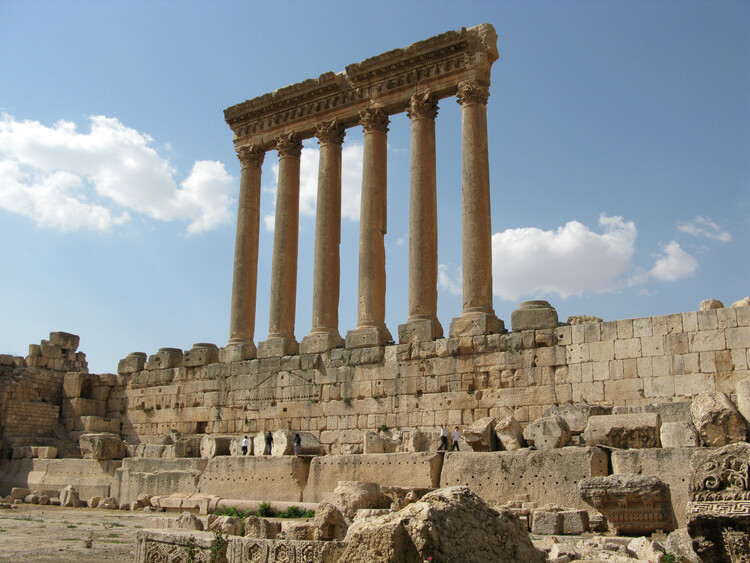
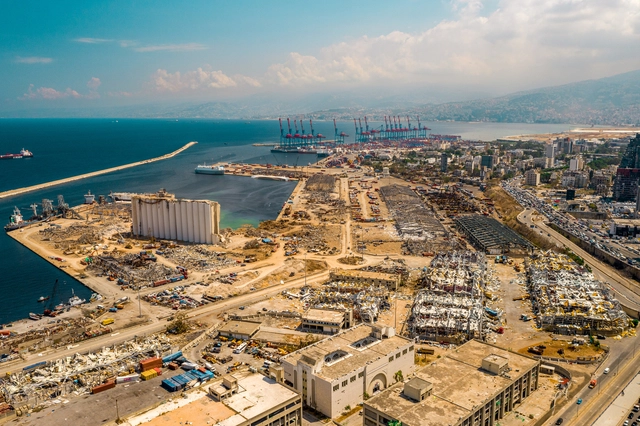
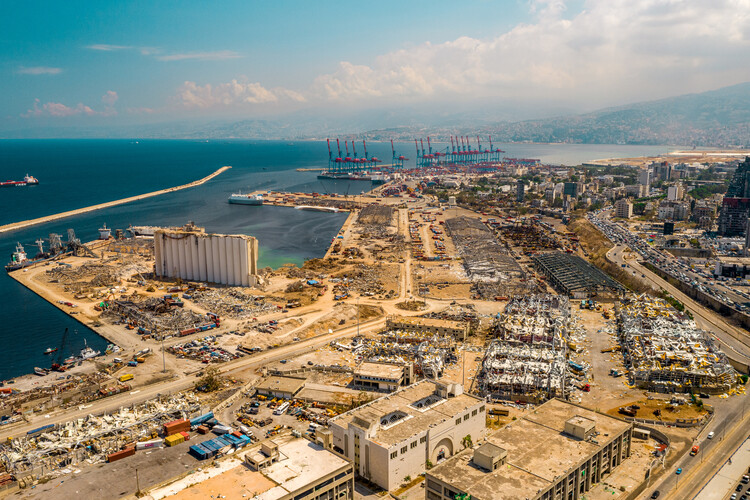
A blast destroyed 40% of the city of Beirut on August 4, 2020. Five years after the port explosions, the UNESCO Director-General visited Lebanon to assess the institution's work in the capital city. UNESCO's efforts have been based on the recognition that the explosion destroyed numerous buildings and historic neighborhoods that were home to a community of cultural professionals, leaving a void in the city's cultural landscape and economy. The organization mobilized international efforts to restore, reactivate, and safeguard Beirut's heritage buildings, schools, museums, and cultural institutions, seeking to provide a comprehensive response to protect the city's cultural fabric. During the visit in September, new restoration and reconstruction programs were announced, including the rehabilitation of the Mar Mikhael train station and Beirut's Grand Theatre, as well as support for cultural industries in Tyre and Baalbek.
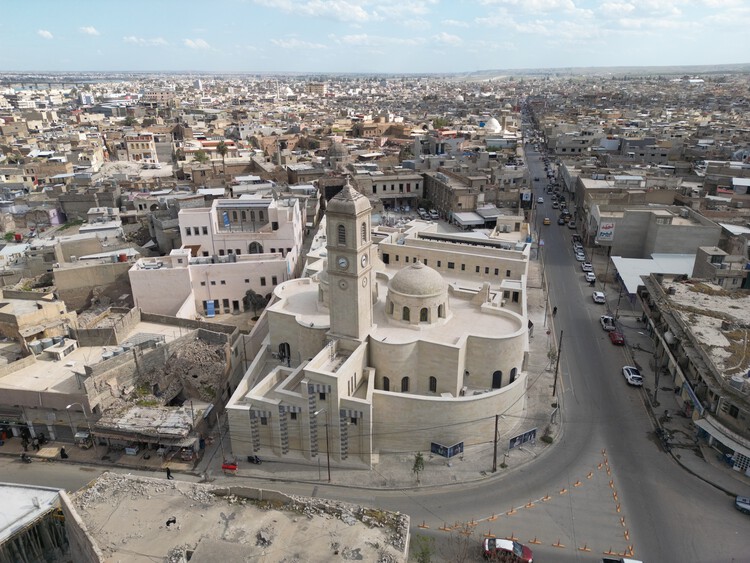
Al-Saa'a Convent after restoration. Image Courtesy of UNESCO / Abdullah Rashid
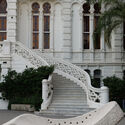
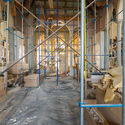
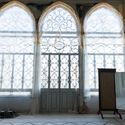
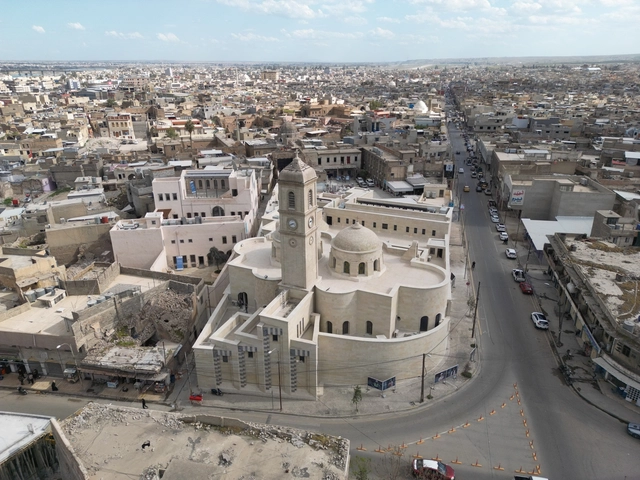
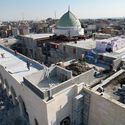
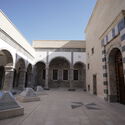
From 2014 to 2019, Daesh (ISIS) occupied and controlled territory in Iraq and Syria, including the northern city of Mosul. UNESCO estimates that 80% of Mosul's historic town was destroyed during this period, which led to one of the most ambitious reconstruction campaigns in recent decades: "Revive the Spirit of Mosul." Since 2019, UNESCO has carried out large-scale efforts to rebuild the city's landscapes and monuments, reconstructing three religious and cultural landmarks and 124 heritage houses, along with other buildings located in the Old City. The program was structured around three pillars: restoring significant heritage, promoting the return of cultural life, and strengthening spaces for education. On September 1, 2025, Iraq's Prime Minister inaugurated three major landmarks: the Al-Nouri Mosque complex, Al-Saa'a Convent, and Al-Tahera Church, marking the completion of the restoration project.
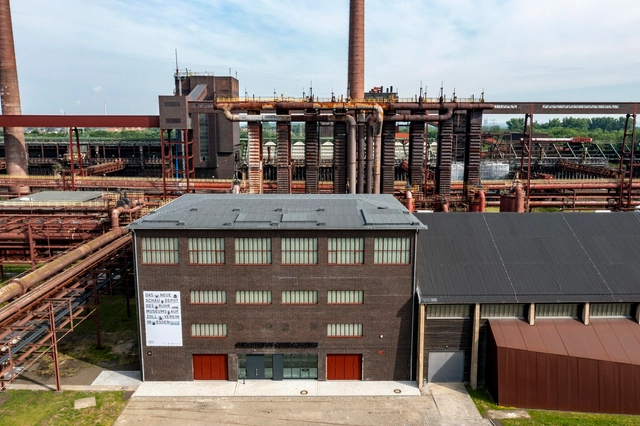
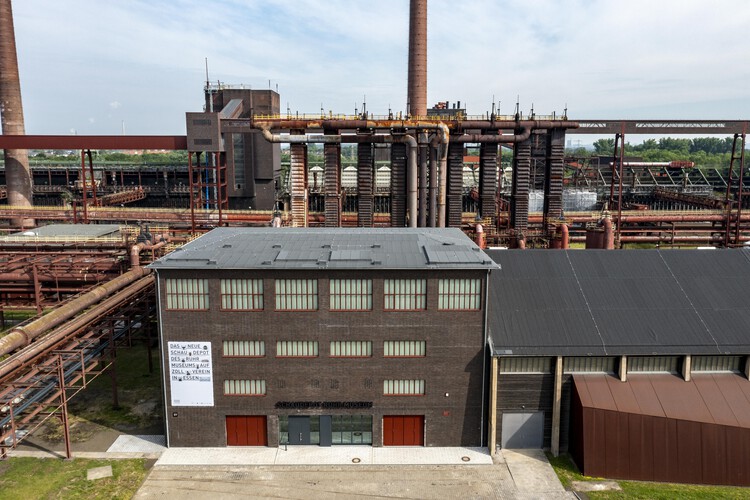
Once the largest coal mine in Europe, the Zollverein complex in Essen, Germany, has undergone a remarkable transformation over the past twenty-five years. What was once a landscape of abandoned industrial facilities is now a laboratory of contemporary architecture, featuring works by Rem Koolhaas, Norman Foster, and SANAA. Their interventions bridge the site’s industrial past with its imagined future. Spanning 100 hectares, the UNESCO World Heritage site has become a global model of adaptive reuse, redefining what it means to preserve industrial heritage. Within this context stands the Ruhr Museum and its enigmatic art repository, the Schaudepot. Located in the complex’s former salt factory, the museum impresses not only with its collection but also with its architecture, which transforms a 1960s industrial building into a vibrant cultural venue.
Because of its historical and architectural relevance, the project is featured in the 2025 edition of Open House Essen, under the theme “Future Heritage.” The initiative explores which spaces might shape our future architectural legacy and asks pressing questions: What should we preserve? What should we adapt? And how can we design a future that is both livable and fair?
During the 47th session of the World Heritage Committee, held from July 6 to 16, 2025, at UNESCO Headquarters in Paris, France, 26 new properties were inscribed on the World Heritage List. In addition to examining new nominations, the Committee reviewed the conservation and management of existing sites, addressed the impact of climate change on heritage, and approved the extension of two existing sites to create new transboundary natural parks. According to UNESCO, the session placed the work of local communities at the center of safeguarding policies, reinforced efforts to preserve African heritage, and acknowledged the growing recognition of remembrance sites and the protection of humanity's shared prehistory. These 26 properties, located across 26 countries, now benefit from the highest level of international heritage protection.
As one of the most important and visited contemporary architecture exhibitions worldwide, the Venice Architecture Biennale extends beyond the grounds of the Giardini and the Arsenale, aiming to engage the entire city in discussions on relevant issues, challenges, and opportunities within the architectural profession. This year's Biennale, curated by Carlo Ratti, explores the theme "Intelligens. Natural. Artificial. Collective," inviting visitors to consider how architecture, technology, and nature intersect to shape the future.
As part of this year's event, 11 collateral exhibitions organized by various national and international institutions offer a range of perspectives on topics such as sustainability, cultural landscapes, and adaptive architecture. These exhibitions, spread throughout Venice, contribute to the broader conversation on the evolving role of architecture in addressing global challenges and promoting a more sustainable and interconnected future.
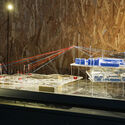
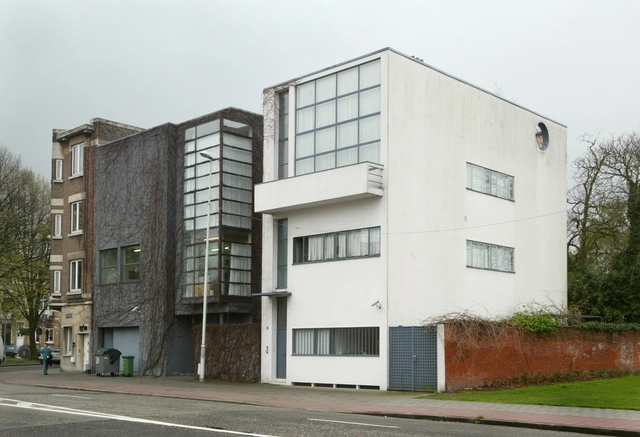
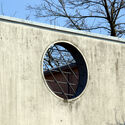
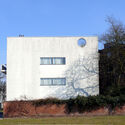
Amidst the traditional streets of Antwerp, where centuries-old townhouses stand as remnants of a historic European city, a stark white volume quietly asserts its presence. Maison Guiette, designed by Le Corbusier in 1926, is an anomaly in its surroundings — a bold statement of modernity in a context that had not yet embraced it.
While today it is overshadowed by the architect's more famous works, this house holds a unique place in history: it was Le Corbusier's first built project outside France, a precursor to his later architectural experiments, and a manifestation of his emerging Modernist principles. Despite its modest scale, it was a manifesto in built form — a house that encapsulated the essence of an architectural revolution.