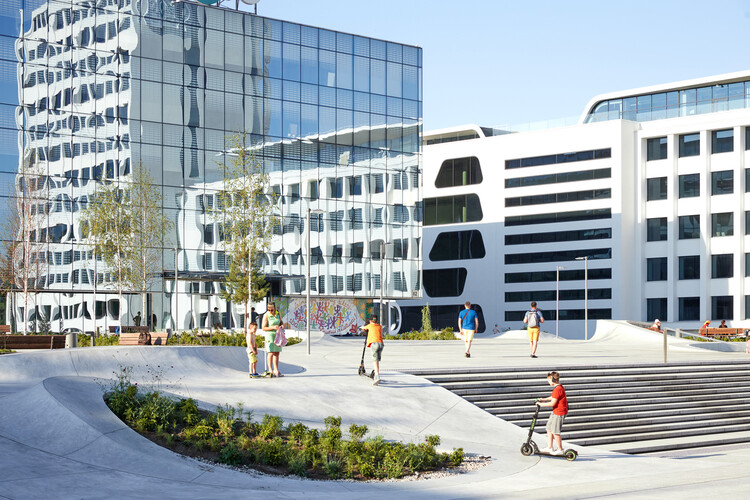
For over a century and a half, corporations have periodically taken on the role of city builders. Neighborhoods or even entire settlements that exist at the intersection of commerce and civic life, "company towns" are recurring urban types. The corporate city has long reshaped itself to match the spirit of each era, whether through the pastoral idealism of industrial England or the cinematic optimism of mid-century America. In its latest guise, the mixed-income campus district, architecture becomes a language of belonging, branding, and quiet persuasion.
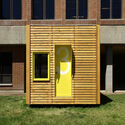
Urban policymakers and developers increasingly brand projects as temporary, piloting pop-up parks, art installations, and interim structures across global cities. Initiatives are often framed as experimental interventions that activate vacant sites. In practice, however, they frequently serve as provisional strategies to manage underutilized land until more profitable forms of development materialize. The temporary label functions as urban camouflage, obscuring permanent agendas behind provisional rhetoric.
An architecture degree may provide a vast curriculum, but many of the skills needed for a project lie outside the discipline. This is especially true for urban-scale projects. They demand expertise in areas like traffic studies, structural calculations, landscape design, and technical installation forecasting. These are often seen as "complementary" but are, in fact, fundamental to the overall design.
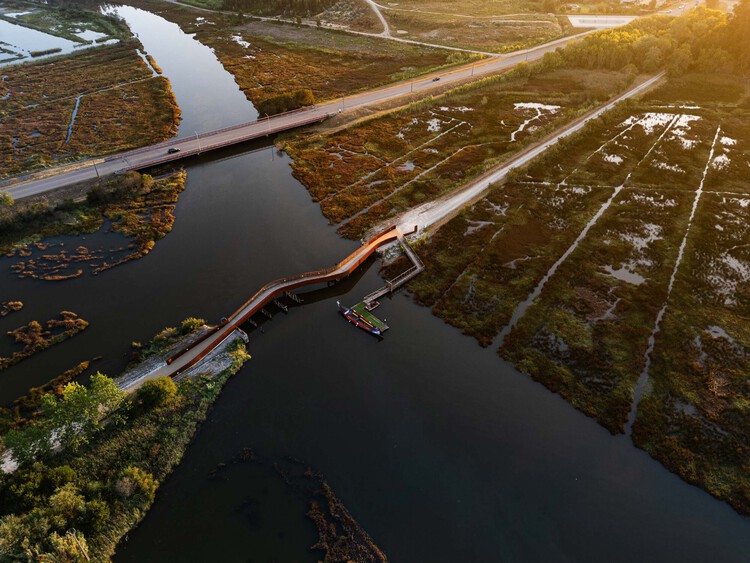
In a country like Portugal, with a relatively small but geographically diverse territory, the challenge of connecting different parts of the territory – whether to cross a river or link one level of a city to another – is a constant one. Its largest metropolitan areas, such as Lisbon and Porto, share a rugged geography of steep valleys and hills. These features led to the development of elevators and funiculars, like the Santa Justa Lift and the Bica Funicular in Lisbon, and the Guindais Funicular in Porto. Today, besides improving urban mobility, they have become tourist landmarks.
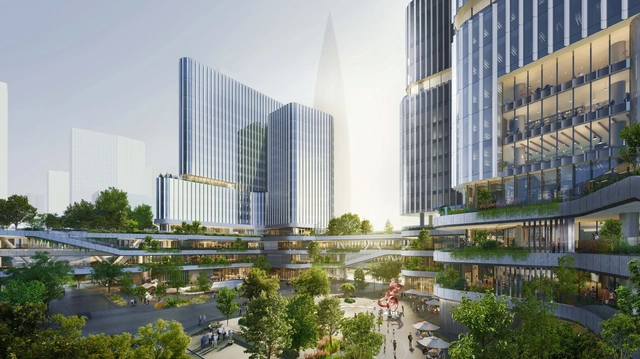
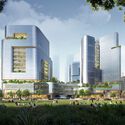
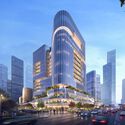
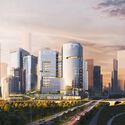
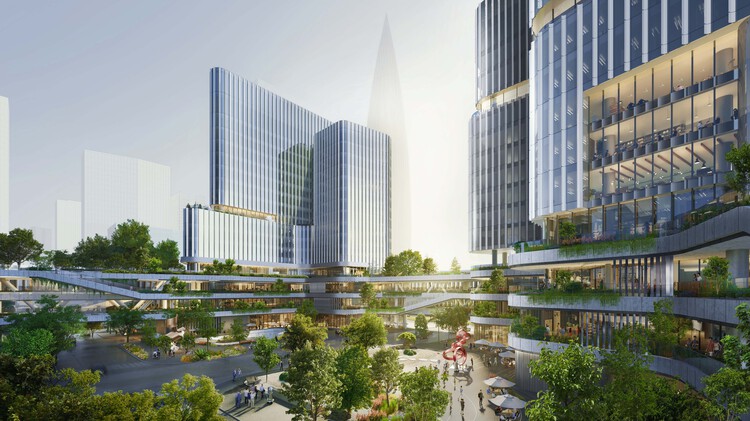
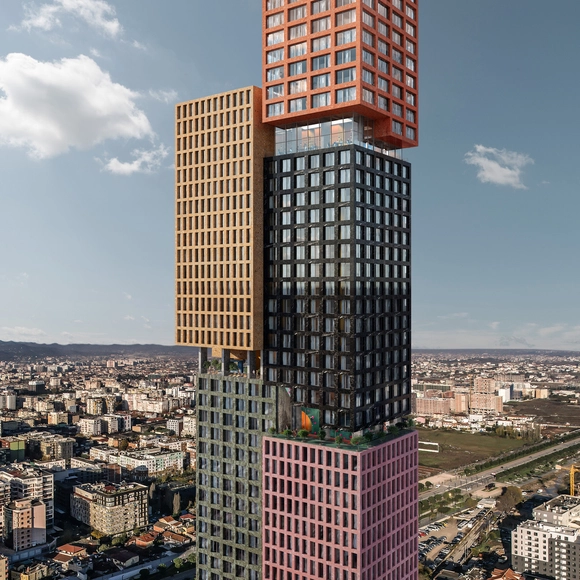
Houhai Hybrid Campus design. Render. Image Courtesy of Büro Ole Scheeren
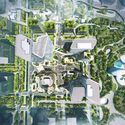
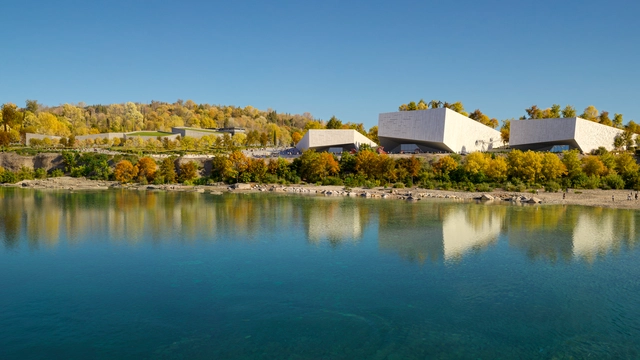
The international firm Büro Ole Scheeren has unveiled images of the Houhai Hybrid Campus, a new urban complex in Shenzhen's Houhai district. The development is situated in a strategic area within the original Shenzhen Special Economic Zone (SEZ), bridging the city's commercial center and its bayfront. The release of the Hybrid Campus images coincided with the 45th anniversary of Shenzhen's designation as a Special Economic Zone, a milestone marking the city's transformation from a fishing village into a global innovation hub. Currently under construction, the Hybrid Campus integrates work, living, culture, commerce, leisure, recreation, and nature into a unified urban complex, scheduled to open in late 2026.
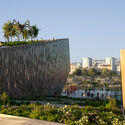
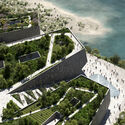
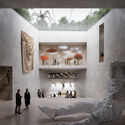
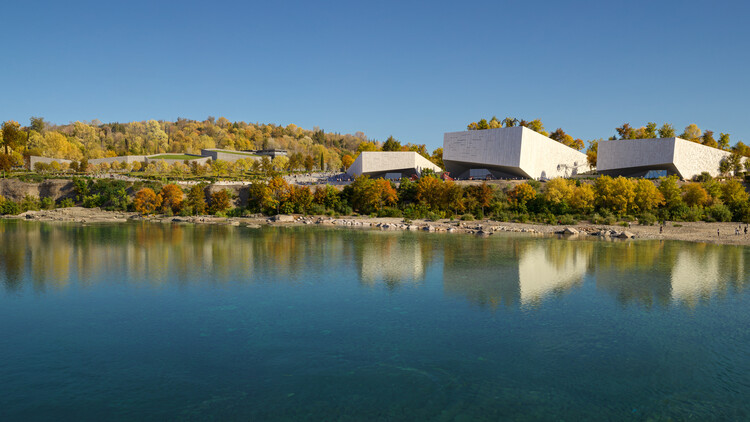
The Ministry of Spatial Planning, Urbanism and State Property of Montenegro has announced the results of the international competition for the new Museum District and Park of Arts & Culture in Podgorica. The winning proposal, led by Milan- and London-based practice a-fact architecture factory in collaboration with LAND, Maffeis Engineering, and Charcoalblue, was selected from 48 entries by an international jury. The project envisions a new cultural district consolidating three institutions, the Museum of Contemporary Art, the Natural History Museum, and the House of Architecture, within a landscape that reconnects the city to the Morača River.
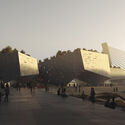
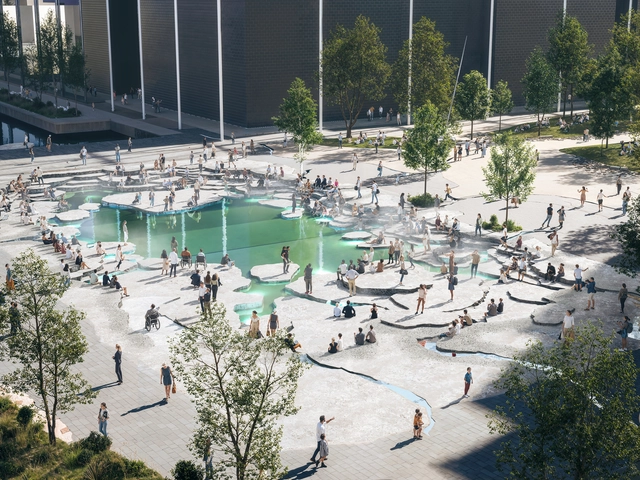
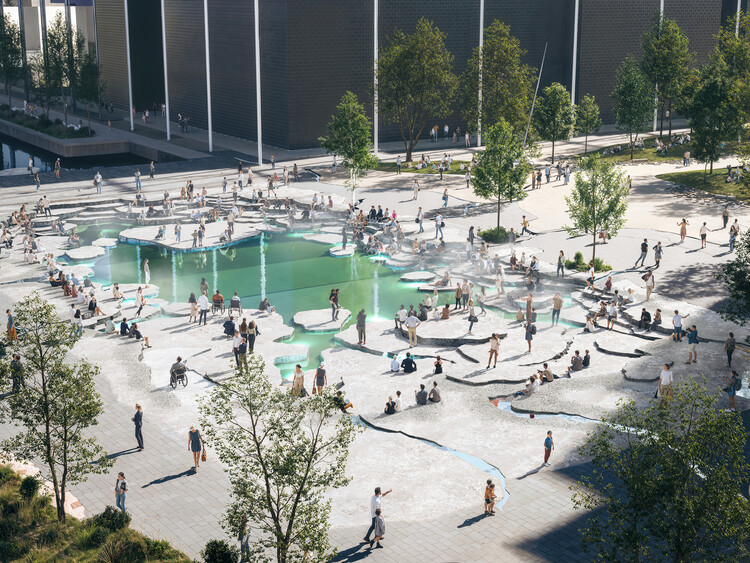
BIG, artist Doug Aitken Workshop, NIRAS, Volcano, and RWDI have won a competition to redesign three public spaces surrounding major music venues in Ørestad, Copenhagen. The initiative, titled Byens Scene ("The City's Stage"), aims to revitalize the areas around DR Koncerthuset, Bella Arena, and Royal Arena, transforming them into an interconnected landscape for everyday use and public performances.
The Sharjah Architecture Triennial has announced the theme for its upcoming edition: Architecture Otherwise: Building Civic Infrastructure for Collective Futures. Scheduled for November 2026, the event will unfold across the city and the Emirate of Sharjah, UAE, through site-specific installations, exhibitions, performances, workshops, and public programs. Positioned as a platform for architectural and urban exploration across West Asia, South Asia, and the African continent, the Triennial will combine practical and theoretical approaches to contemporary urban life. Conceived by its curators, Vyjayanthi Rao and Tau Tavengwa, SAT03 aims to explore how architecture can shape collective life in regions undergoing rapid urban transformation. Consequently, selected participants will take part in month-long residencies, embedding their work within the social and cultural fabric of Sharjah.
Collective living continues to be a central theme in contemporary housing discourse, one that extends beyond questions of density or typology to engage broader concerns of land use, social cohesion, and spatial identity. This selection of conceptual unbuilt projects, submitted by the ArchDaily community, explores the potentials of shared living environments, not only as functional housing solutions but as frameworks for interaction, environmental integration, and cultural continuity. Whether in urban or remote settings, they reflect a growing interest in rethinking how domestic space can support both individual privacy and communal life.
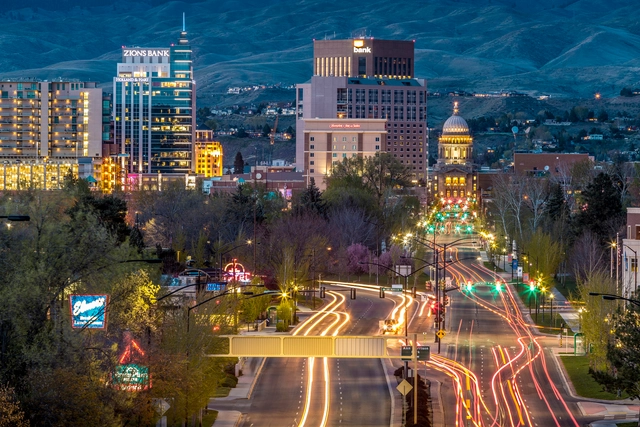
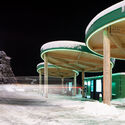
Boise, United States. Image via Wikipedia user: Fæ. License under CC0 1.0. Image Author: Alden Skeie
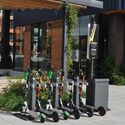
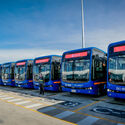
From greenhouse gas emissions and air pollution to deforestation, one of the leading contributors to global warming today is emissions from the transportation sector. Exploring its origins and evolution, as well as the major challenges it faces, the development of electric mobility in urban environments represents a global transition that requires a coordinated mix of policies and actions to achieve cleaner and more sustainable transportation systems. Designing safe and comfortable infrastructure for walking and cycling, promoting public transit and shared mobility, and designing more efficient streets that include electric vehicles, among other actions, are part of a growing worldwide effort to reduce carbon emissions.
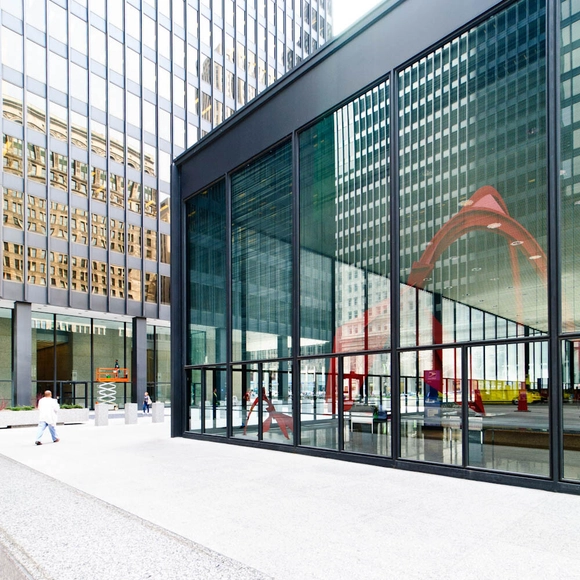
The Mid-Century Modernist movement was more than an aesthetic or material shift in the United States, as it was a response to a rapidly changing world. Emerging after World War II, this architectural revolution rejected ornate, traditional styles of the past in favor of clean lines, functional design, and incorporation of flashy materials like steel, glass, and concrete. Modernism was a break from tradition, focusing instead on simplicity, efficiency, and a vision for the future. It reflected the optimism of a nation rebuilding itself, where technology and innovation shaped everything from cityscapes to suburban homes.
As architecture navigates a rapidly changing world shaped by ecological urgency, social transformation, and technological acceleration, the notion of intelligence is shifting. No longer confined to individual cognition or artificial computation, intelligence can emerge from cultural memory, collective practices, and adaptive systems. In this broader sense, architecture becomes a field of convergence, where natural, artificial, and social intelligences intersect to offer new ways of designing and building.
Vernacular traditions embed generations of environmental knowledge, often transmitted through materials, construction techniques, and spatial logics finely tuned to local conditions; participatory platforms expand decision-making to wider communities to take part in shaping their environments, redistributing agency in the design process; and computational processes simulate and respond to complex data in real time bringing the capacity to analyse, simulate, and respond to complex variables — whether environmental, social, or behavioural — offering new forms of adaptability.
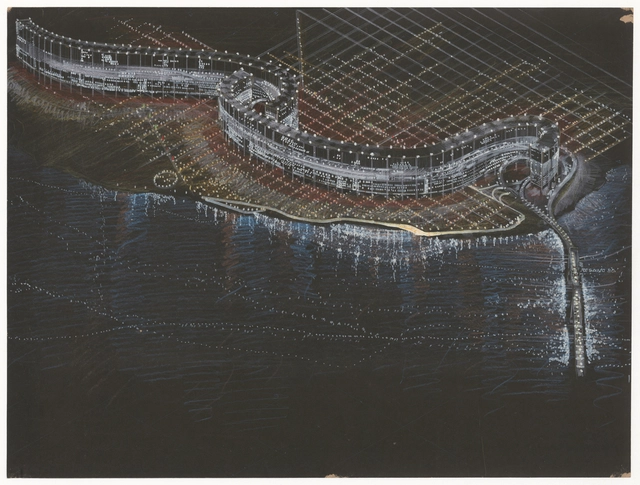
Through his unbuilt projects, built works, and research, Amancio Williams's ideas emerge as the result of a deep understanding of the most advanced trends of his time reflecting on architectural design, urbanism and city planning. By exploring various themes, concepts, and even materials, he aims to create a personal universe that interprets the present as something future-oriented, both international and distinctly Argentine. His proposal "La ciudad que necesita la humanidad" presents linear and layered buildings raised 30 meters above ground, incorporating everything from office spaces to roads and magnetic trains on different levels of a single structure. The Amancio Williams archive at the Canadian Centre for Architecture in Montreal documents Williams' career as an architect and designer from the 1940s to the late 1980s. The fonds documents his work for over 80 architectural, urban planning and design projects, as well as the administration of his architecture practice and his professional activities. Including drawings and sketches, presentation models, photographic materials, such as photographs of models, finished project (when realized), reference images, photographic reproduction of plans, and site photographs, the archive is available to consult offering more details.
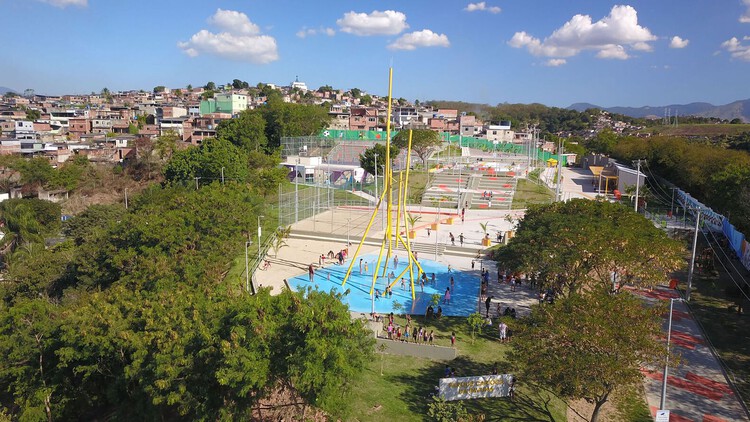
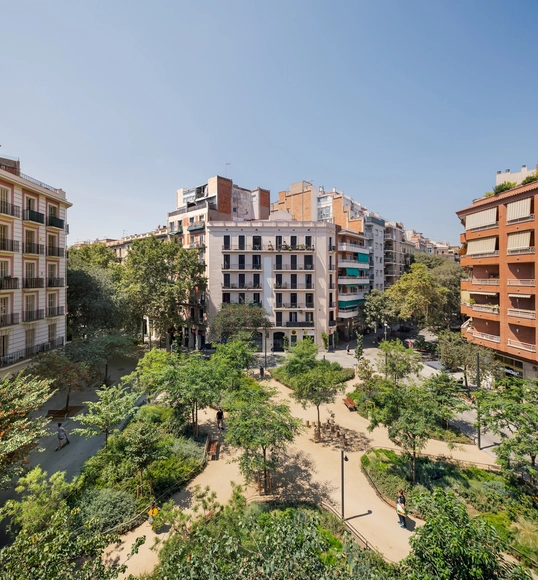
Public spaces are more than just physical voids in the urban fabric—they are stages for social interaction, cultural expression, and collective memory. In times of social fragmentation and environmental stress, these spaces can serve as catalysts for healing, offering safe environments where communities can reconnect. Through thoughtful design and participatory processes, public space interventions can rebuild trust, promote mental well-being, and foster a renewed sense of belonging among community members.
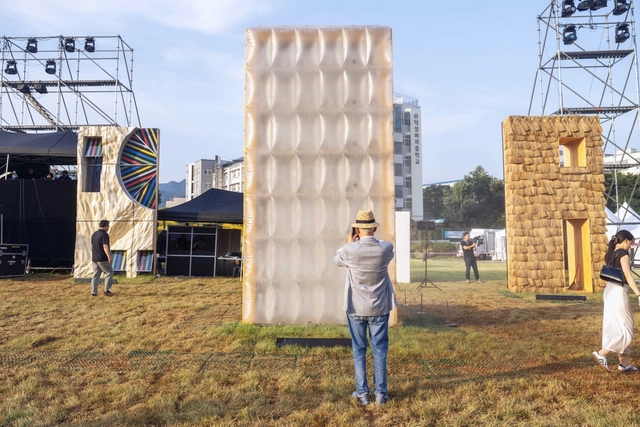
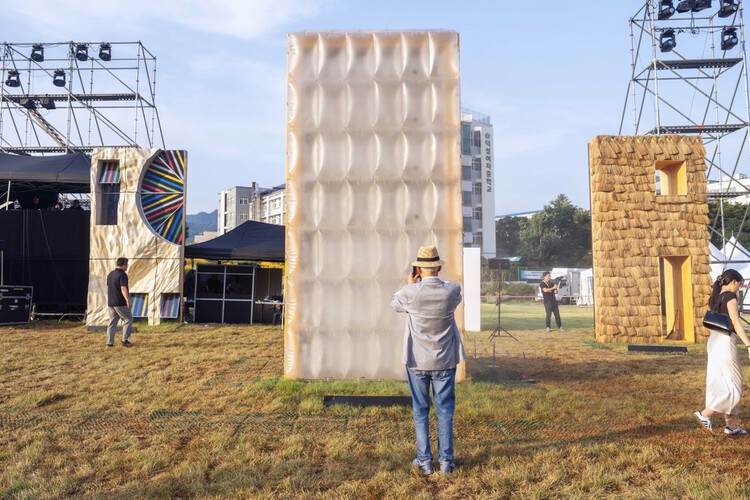
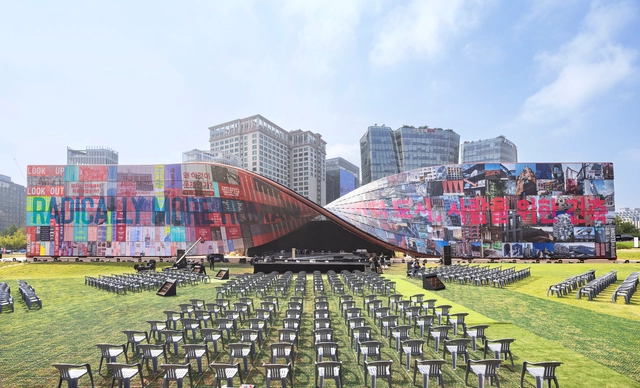
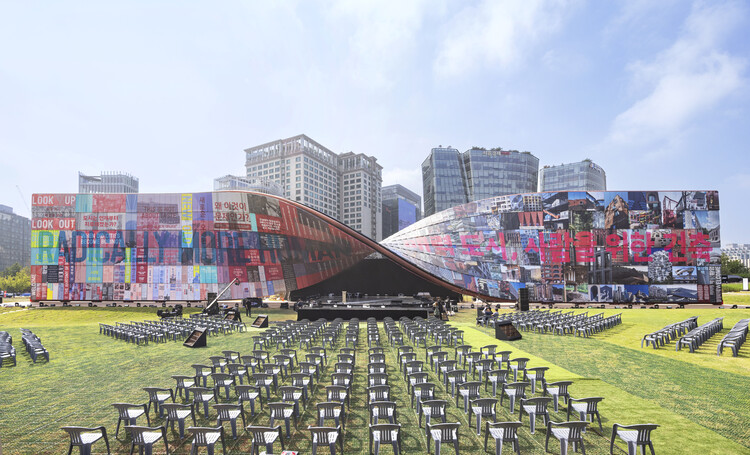
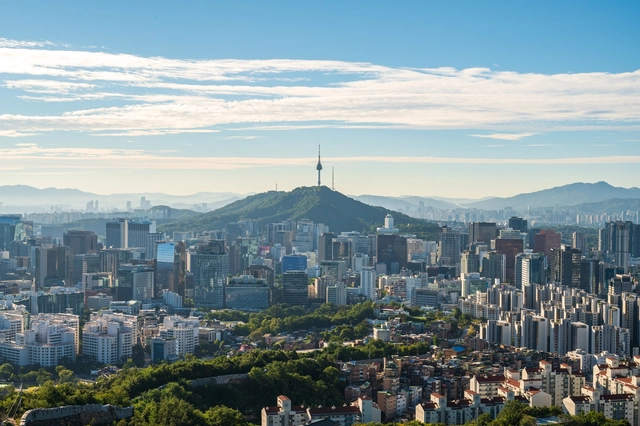
Thomas Heatherwick has been appointed as the General Director and curator of the 2025 Seoul Biennale of Architecture and Urbanism. In its fifth edition, the Seoul Biennale serves as a platform for addressing urban challenges faced by major global cities, fostering innovative solutions and public discussions around architecture and urbanism. As Asia's largest architecture biennale, scheduled to take place from September 1 to October 31, 2025, the exhibition will focus on making cities more joyful, engaging, and radically human-centered. At the heart of this mission is an ambitious public engagement program that directly involves citizens in shaping the Biennale. Through an open call, ten multidisciplinary teams, comprising architects, urban planners, sculptors, community organizers, metalworkers, and textile designers, have been selected to collaborate with local communities. These projects will respond to two central questions: How do buildings make people feel? And how can they be transformed to foster a deeper sense of connection?
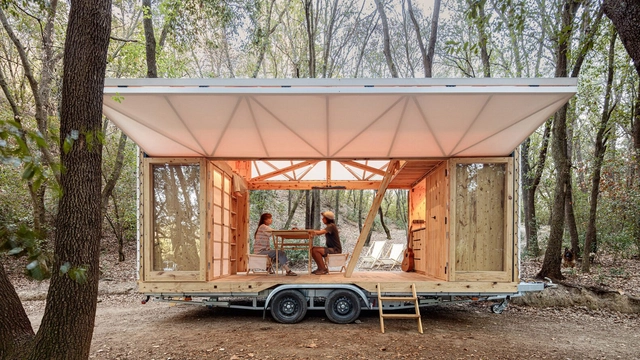
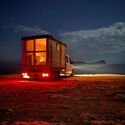
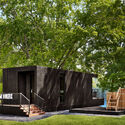
In early Mongolia, herders dismantle their yurt - a portable round tent made of felt or animal skin - in pursuit of new lands where they can raise their livestock. Not much further away is a digital nomad in Bali, preparing their next move into a co-living space in Ho Chi Minh City. Though separated by vast distances and cultural divides, these individuals are united by a timeless human desire - a quest mobility and adaptable living spaces. In light of geopolitical changes and emerging lifestyles, the demand for flexible residential architecture intensifies. In this era of increased mobility, is it enough for people alone to move, or will the buildings of tomorrow need to follow suit?