1. ArchDaily
  2. Venice

Venice: The Latest Architecture and News

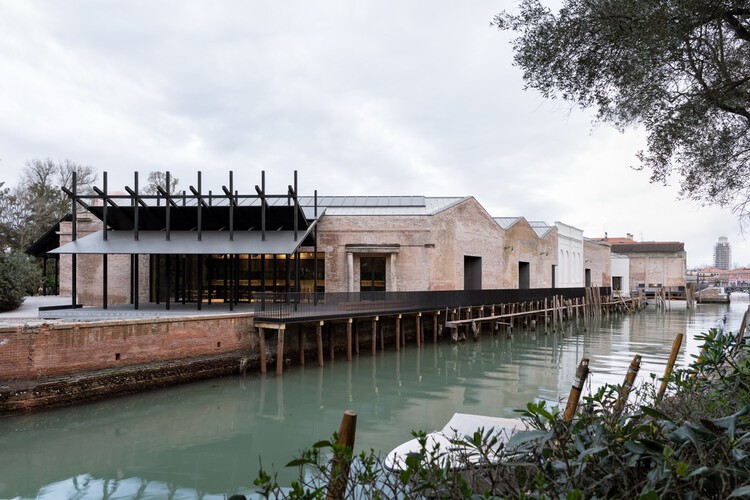
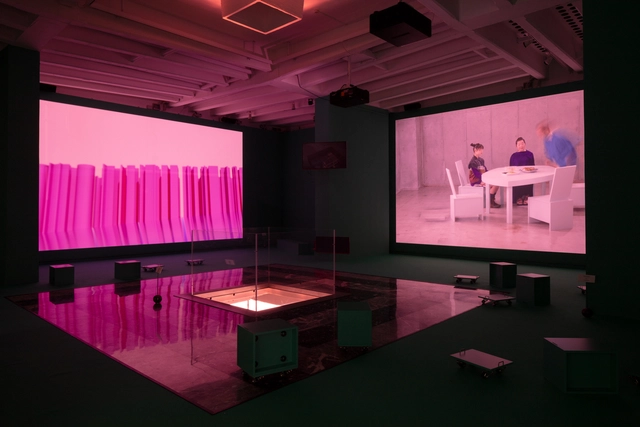
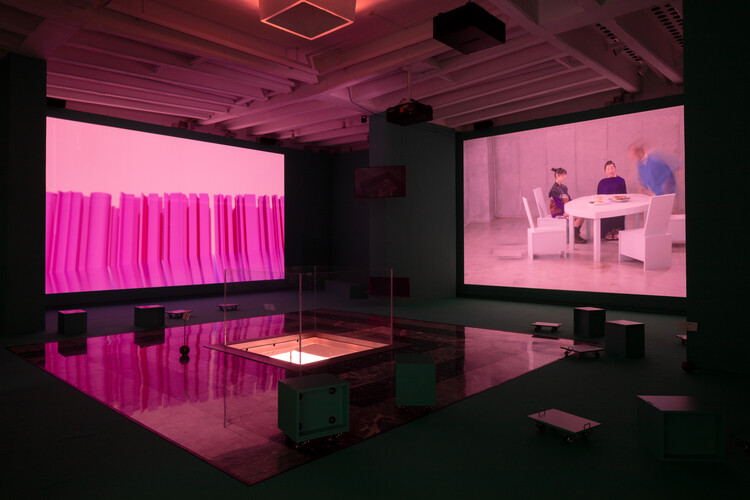
La Biennale di Venezia Inaugurates New Home for Its Historical Archive at the Arsenale

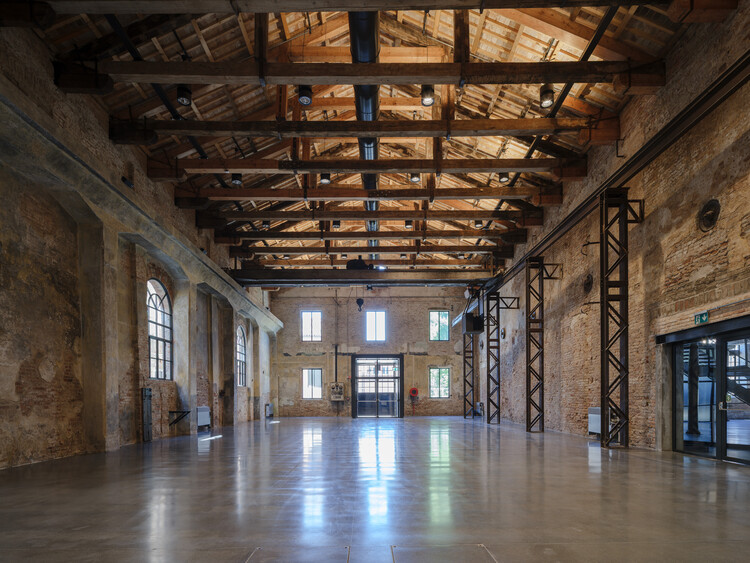
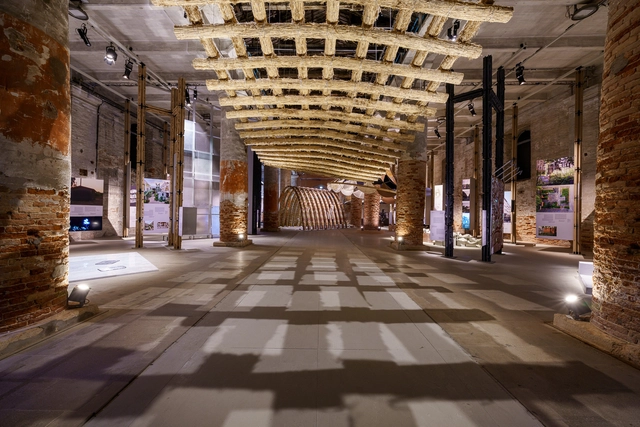
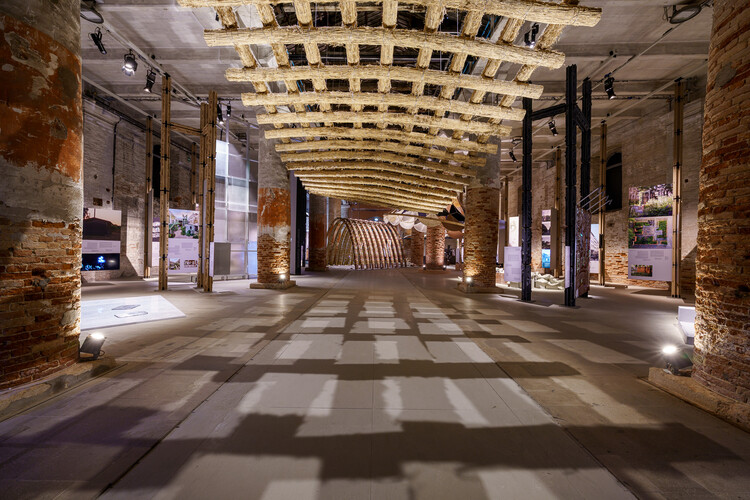
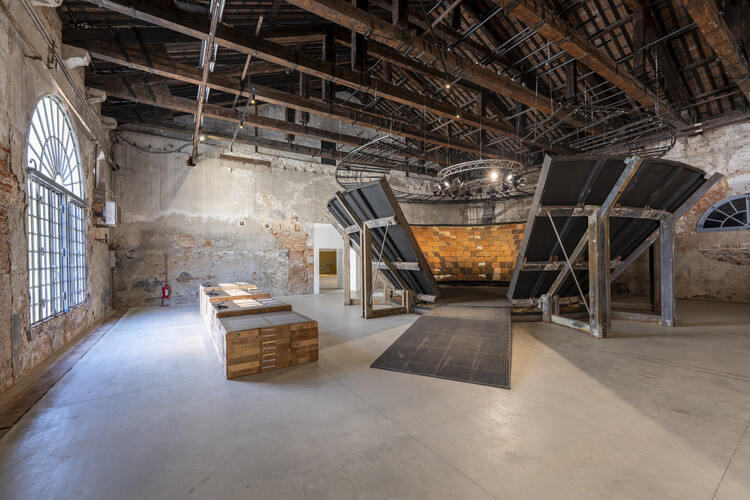
La Biennale di Venezia has inaugurated the new home of its Historical Archive – International Centre for Research on Contemporary Arts at the Arsenale, relocating the institution's archival collections and research activities to a restored complex within one of its principal exhibition sites. The opening introduces a new permanent headquarters for the archive, bringing together facilities for conservation, research, public consultation, and cultural programming within the historic Arsenale. To mark the occasion, La Biennale organized a three-day program of performances, lectures, conversations, and public visits, highlighting the archive's role within the institution's broader ecosystem of exhibitions, festivals, and educational initiatives.

La Biennale di Venezia Inaugurates New Home for Its Historical Archive at the Arsenale - Image 1 of 4La Biennale di Venezia Inaugurates New Home for Its Historical Archive at the Arsenale - Image 2 of 4La Biennale di Venezia Inaugurates New Home for Its Historical Archive at the Arsenale - Image 3 of 4La Biennale di Venezia Inaugurates New Home for Its Historical Archive at the Arsenale - Image 4 of 4La Biennale di Venezia Inaugurates New Home for Its Historical Archive at the Arsenale - More Images+ 6

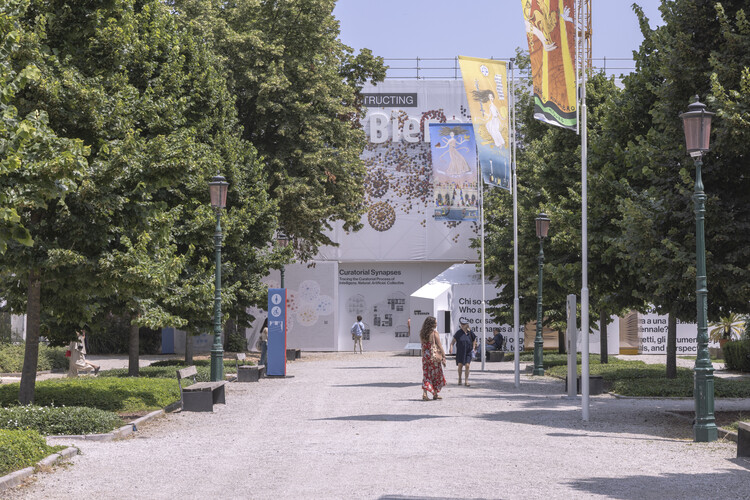
La Biennale di Venezia Unveils Renovated Central Pavilion at the Giardini

La Biennale di Venezia has unveiled the renovated Central Pavilion at the Giardini, completing a comprehensive intervention delivered between December 2024 and March 2026 as part of a broader national program to enhance cultural infrastructure. Funded by the Italian Ministry of Culture under the National Recovery and Resilience Plan (PNRR) and its complementary investment program (PNC), the project contributes to the development of a permanent hub for cultural production and exchange in Venice. The works form part of a wider initiative involving multiple sites associated with the Biennale, including the Giardini, the Arsenale, and other locations across the city, developed in coordination with local authorities and heritage institutions.

La Biennale di Venezia Unveils Renovated Central Pavilion at the Giardini - Image 1 of 4La Biennale di Venezia Unveils Renovated Central Pavilion at the Giardini - Image 2 of 4La Biennale di Venezia Unveils Renovated Central Pavilion at the Giardini - Image 3 of 4La Biennale di Venezia Unveils Renovated Central Pavilion at the Giardini - Image 4 of 4La Biennale di Venezia Unveils Renovated Central Pavilion at the Giardini - More Images+ 19

As I Shape the Object, the Object Shapes Me

As I Shape the Object, the Object Shapes Me

The European Cultural Centre Announces the Winners of the ECC Awards 2025 in Venice

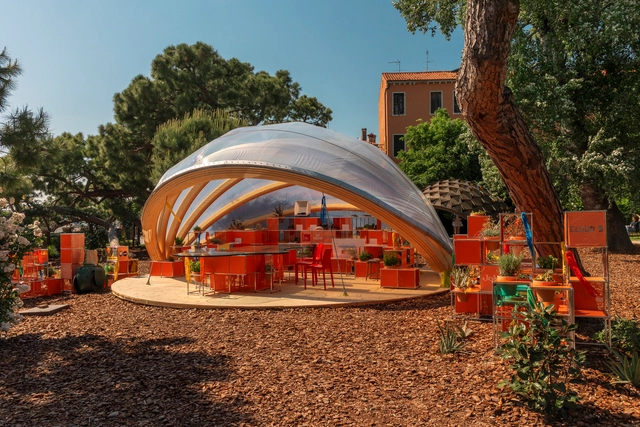
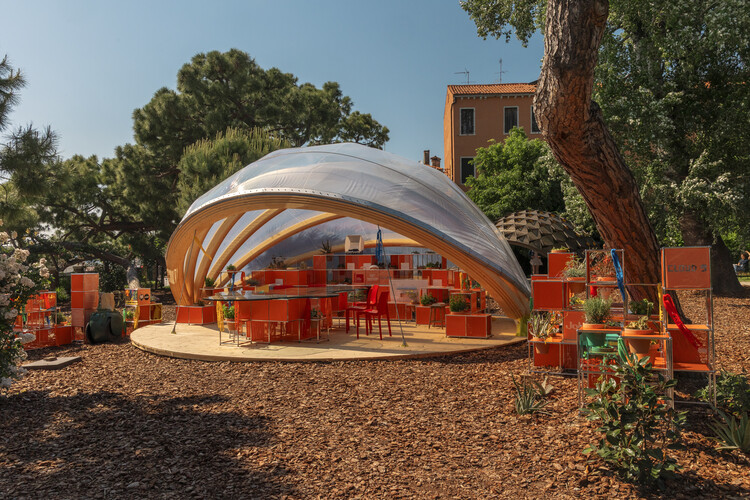
The European Cultural Centre (ECC) has announced the winners of the ECC Awards 2025, selected from participants of the seventh edition of Time Space Existence and unveiled during the exhibition's Closing Day on 23 November 2025 in Venice. Bringing together 207 practices from more than 52 countries, this year's edition highlighted a broad spectrum of architectural and design approaches responding to the themes of Repair, Regenerate, and Reuse. The awards recognise four projects that stood out for their originality, execution, narrative clarity, and forward-looking engagement with questions of sustainability, community, and the future of the built environment.

The European Cultural Centre Announces the Winners of the ECC Awards 2025 in Venice - Image 1 of 4The European Cultural Centre Announces the Winners of the ECC Awards 2025 in Venice - Image 2 of 4The European Cultural Centre Announces the Winners of the ECC Awards 2025 in Venice - Image 3 of 4The European Cultural Centre Announces the Winners of the ECC Awards 2025 in Venice - Image 4 of 4The European Cultural Centre Announces the Winners of the ECC Awards 2025 in Venice - More Images+ 2

The Venice Biennale Over Time: Classic Projects and Stories from Architecture’s Most Iconic Exhibition

Since 1895, the Venice Biennale has invited the world to witness the evolving landscape of contemporary art. In 1980, the event expanded its reach with the launch of the Architecture Biennale, which quickly became one of the discipline’s most influential global platforms. Today, alternating annually between contemporary art and architecture, the Biennale affirms itself as a space where disciplines and ideas intersect. Always timely and provocative, it fuels essential debates on the role of art and architecture in the contemporary world. Among its most recent editions are the 17th Architecture Biennale, themed How Will We Live Together? (2021), curated by Hashim Sarkis; The Laboratory of the Future (2023), by Lesley Lokko; and Intelligens. Natural. Artificial. Collective (2025), curated by Carlo Ratti and open to the public until the end of November.

The Venice Biennale Over Time: Classic Projects and Stories from Architecture’s Most Iconic Exhibition - Image 1 of 4The Venice Biennale Over Time: Classic Projects and Stories from Architecture’s Most Iconic Exhibition - Image 2 of 4The Venice Biennale Over Time: Classic Projects and Stories from Architecture’s Most Iconic Exhibition - Image 3 of 4The Venice Biennale Over Time: Classic Projects and Stories from Architecture’s Most Iconic Exhibition - Image 4 of 4The Venice Biennale Over Time: Classic Projects and Stories from Architecture’s Most Iconic Exhibition - More Images+ 10

The 2025 Venice Architecture Biennale Ends, Marking the Event’s Most Visited Edition

The 19th International Architecture Exhibition of La Biennale di Venezia, "Intelligens. Natural. Artificial. Collective.," curated by Carlo Ratti, closed on 23 November 2025 as the most visited Architecture Biennale to date. The exhibition recorded 298,000 visitors, in addition to 17,584 preview attendees, surpassing previous editions despite the temporary closure of the Central Pavilion for restoration. Bringing together 303 projects and 758 invited architects, along with 66 National Participations and 11 Collateral Events, the edition extended across the Giardini, Arsenale, and multiple sites throughout Venice.

The 2025 Venice Architecture Biennale Ends, Marking the Event’s Most Visited Edition - Image 1 of 4The 2025 Venice Architecture Biennale Ends, Marking the Event’s Most Visited Edition - Image 2 of 4The 2025 Venice Architecture Biennale Ends, Marking the Event’s Most Visited Edition - Image 3 of 4The 2025 Venice Architecture Biennale Ends, Marking the Event’s Most Visited Edition - Image 4 of 4The 2025 Venice Architecture Biennale Ends, Marking the Event’s Most Visited Edition - More Images+ 3

The Japanese Pavilion at the 2025 Venice Biennale Explores Artificial Intelligence in Architectural Processes

The Japan Pavilion at the 2025 Venice Biennale investigates the evolving role of artificial intelligence (AI) in architecture, focusing on the concept of the "in-between." Curated by Jun Aoki, the exhibition runs from May 10 to November 23, 2025, at the Giardini della Biennale in Venice. The exhibition explores the growing autonomy of AI in architectural design, raising questions about the shifting relationship between human agency and machine intelligence. The showcase aligns with the overarching theme "Intelligens. Natural. Artificial. Collective," curated by Carlo Ratti.

The Japanese Pavilion at the 2025 Venice Biennale Explores Artificial Intelligence in Architectural Processes - Image 1 of 4The Japanese Pavilion at the 2025 Venice Biennale Explores Artificial Intelligence in Architectural Processes - Image 2 of 4The Japanese Pavilion at the 2025 Venice Biennale Explores Artificial Intelligence in Architectural Processes - Image 3 of 4The Japanese Pavilion at the 2025 Venice Biennale Explores Artificial Intelligence in Architectural Processes - Image 4 of 4The Japanese Pavilion at the 2025 Venice Biennale Explores Artificial Intelligence in Architectural Processes - More Images+ 8

The Silent Pavilion: Carlo Scarpa and the Giardino delle Sculture at the Venice Biennale

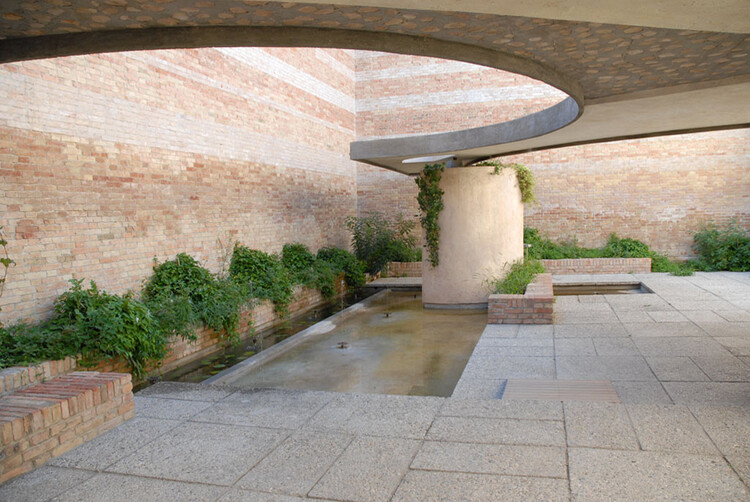
When we think of Venice, familiar images come to mind: Piazza San Marco, winding canals, and the reflection of Byzantine domes on still waters. Few, however, imagine that among those reflections lies a discreet chapter of Italian modernity — the architecture of Carlo Scarpa.

More than an architect, Scarpa was a craftsman of light and matter, a poet of detail who knew how to listen to the Venetian tradition and respond to it with gestures of surprising delicacy. The city where he was born and worked is now an open-air museum of his legacy, including projects such as the Fondazione Querini Stampalia, the Venezuelan Pavilion, the Olivetti Showroom, and, more quietly, the Giardino delle Sculture — a small courtyard hidden in the heart of the Giardini della Biennale.

The Silent Pavilion: Carlo Scarpa and the Giardino delle Sculture at the Venice Biennale - Featured ImageThe Silent Pavilion: Carlo Scarpa and the Giardino delle Sculture at the Venice Biennale - Image 1 of 4The Silent Pavilion: Carlo Scarpa and the Giardino delle Sculture at the Venice Biennale - Image 2 of 4The Silent Pavilion: Carlo Scarpa and the Giardino delle Sculture at the Venice Biennale - Image 3 of 4The Silent Pavilion: Carlo Scarpa and the Giardino delle Sculture at the Venice Biennale - More Images+ 4

Architecture on Water: Adaptive and Ecological Approaches from Venice 2025

This curated selection of projects from the 2025 Venice Architecture Biennale explores how architects and designers are rethinking the relationship between the built environment and water in response to the global climate crisis. As sea levels rise and extreme weather events increase, water is no longer a distant threat but an immediate design condition. Rather than resisting it, these projects look at how architecture can coexist with, adapt to, and even regenerate through natural forces. Together, they suggest a shift toward working with the elements, acknowledging water not as a limit to construction but as an active participant in shaping future environments.

Architecture on Water: Adaptive and Ecological Approaches from Venice 2025 - Image 1 of 4Architecture on Water: Adaptive and Ecological Approaches from Venice 2025 - Image 2 of 4Architecture on Water: Adaptive and Ecological Approaches from Venice 2025 - Image 3 of 4Architecture on Water: Adaptive and Ecological Approaches from Venice 2025 - Image 4 of 4Architecture on Water: Adaptive and Ecological Approaches from Venice 2025 - More Images+ 10

Small-Scale Solutions to Climate Challenges: 13 Highlighted Projects from the 19th Venice Architecture Biennale

With just a few days left before the six-and-a-half-month 19th Venice Architecture Biennale comes to an end, it is possible to look back on some of the most notable contributions within its thematic framework. Marked by the largest call for participants to date, the Biennale's diversity of topics and the range of installations on display go beyond easy recapitulation. As part of that reflection, several initiatives can be highlighted as illustrative of the principles reflected in the curatorial theme, "Intelligens. Natural. Artificial. Collective." The concepts interwoven in Carlo Ratti's title form a call to address the urgent need for substantial solutions amid the accelerating climate crisis, positioning the Biennale as a platform for diverse design proposals and experiments organized around three forms of intelligence: natural, artificial, and collective. Beyond the national pavilions and numerous collateral events held throughout Venice over the past six months, among the more than 700 participants are projects that, through practice, embody four shared intentions: opening conversations about the future, proposing systemic responses to local realities, placing technology at the center of design innovation, and pursuing material research rooted in local sensitivity.

Small-Scale Solutions to Climate Challenges: 13 Highlighted Projects from the 19th Venice Architecture Biennale - Image 1 of 4Small-Scale Solutions to Climate Challenges: 13 Highlighted Projects from the 19th Venice Architecture Biennale - Image 2 of 4Small-Scale Solutions to Climate Challenges: 13 Highlighted Projects from the 19th Venice Architecture Biennale - Image 3 of 4Small-Scale Solutions to Climate Challenges: 13 Highlighted Projects from the 19th Venice Architecture Biennale - Image 4 of 4Small-Scale Solutions to Climate Challenges: 13 Highlighted Projects from the 19th Venice Architecture Biennale - More Images+ 52

Oman’s First-Ever Pavilion at the Venice Architecture Biennale 2025 Explores the Communal Sablah as a Model for the Future

The Sultanate of Oman has made its first appearance at the 19th International Architecture Exhibition - La Biennale di Venezia, presenting its debut national pavilion titled Traces. Curated by Omani architect Majeda Alhinai and commissioned by Sayyid Saeed bin Sultan bin Yarub Al Busaidi, Undersecretary of the Ministry of Culture, Sports and Youth for Culture, the pavilion is part of the exhibition's central theme, "Intelligens. Natural. Artificial. Collective." It will be on view until 23 November 2025 at the Arsenale in Venice, Italy.

Oman’s First-Ever Pavilion at the Venice Architecture Biennale 2025 Explores the Communal Sablah as a Model for the Future - Image 1 of 4Oman’s First-Ever Pavilion at the Venice Architecture Biennale 2025 Explores the Communal Sablah as a Model for the Future - Image 2 of 4Oman’s First-Ever Pavilion at the Venice Architecture Biennale 2025 Explores the Communal Sablah as a Model for the Future - Image 3 of 4Oman’s First-Ever Pavilion at the Venice Architecture Biennale 2025 Explores the Communal Sablah as a Model for the Future - Image 4 of 4Oman’s First-Ever Pavilion at the Venice Architecture Biennale 2025 Explores the Communal Sablah as a Model for the Future - More Images+ 23

One Month Until Closing: 10 Must-See National Pavilions at the 2025 Venice Architecture Biennale

As the 19th International Architecture Exhibition enters its final month before closing on November 23, the 2025 Venice Architecture Biennale continues to reaffirm its position as one of the most influential global platforms for contemporary architectural discourse. Opened to the public on May 10 under the curatorship of Italian architect Carlo Ratti, this edition, titled "Intelligens. Natural. Artificial. Collective." brings together over 750 participants across 65 national pavilions, 11 collateral events, and numerous parallel initiatives throughout the city. Structured around the themes of Natural, Artificial, and Collective Intelligence, the Biennale examines how architecture can respond to the intertwined challenges of climate adaptation, technological transformation, and social collaboration.

One Month Until Closing: 10 Must-See National Pavilions at the 2025 Venice Architecture Biennale - Image 1 of 4One Month Until Closing: 10 Must-See National Pavilions at the 2025 Venice Architecture Biennale - Image 2 of 4One Month Until Closing: 10 Must-See National Pavilions at the 2025 Venice Architecture Biennale - Image 3 of 4One Month Until Closing: 10 Must-See National Pavilions at the 2025 Venice Architecture Biennale - Image 4 of 4One Month Until Closing: 10 Must-See National Pavilions at the 2025 Venice Architecture Biennale - More Images+ 6

The European Cultural Centre Announces 21 Shortlisted Projects for the 2025 ECC Awards

The European Cultural Centre Italy has organized the ECC Awards since 2010 to recognize artists, architects, designers, and academics in their respective fields. The Awards highlight projects featured in the Time Space Existence exhibition, which runs in parallel with the Venice Architecture Biennale and showcases tangible approaches to building more sustainably, aiming to position architecture as a force for environmental and social repair. The seventh edition of Time Space Existence is a group exhibition spanning three Venetian venues: Palazzo Bembo, Palazzo Mora, and the Marinaressa Gardens. This year, the exhibition focuses on the themes of Repair, Regenerate, and Reuse, emphasizing the essential role of architects and designers as agents of positive change in shaping sustainable, inclusive, and regenerative ways of living.

The European Cultural Centre Announces 21 Shortlisted Projects for the 2025 ECC Awards - Image 1 of 4The European Cultural Centre Announces 21 Shortlisted Projects for the 2025 ECC Awards - Image 2 of 4The European Cultural Centre Announces 21 Shortlisted Projects for the 2025 ECC Awards - Image 3 of 4The European Cultural Centre Announces 21 Shortlisted Projects for the 2025 ECC Awards - Image 4 of 4The European Cultural Centre Announces 21 Shortlisted Projects for the 2025 ECC Awards - More Images+ 22

Carlo Ratti Associati and Höweler + Yoon Launch Floating Plaza "AquaPraça" in Venice on Its Way to COP30

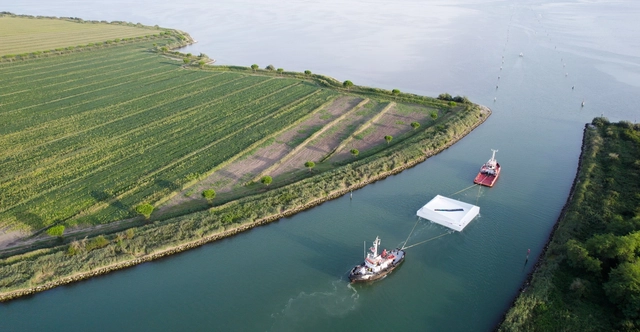
CRA–Carlo Ratti Associati and Höweler + Yoon designed AquaPraça, a floating gathering space for global climate dialogue set to anchor COP30 in Belém, Brazil, making its debut at the 19th International Architecture Exhibition of La Biennale di Venezia on 5 September 2025. It will then embark on a transatlantic journey to Brazil, where it will form part of the Italian Pavilion at COP30, held from November 10 to 21, 2025. Following the event, it is intended to become a permanent floating landmark in the Amazon as part of Belém's cultural infrastructure.

Carlo Ratti Associati and Höweler + Yoon Launch Floating Plaza "AquaPraça" in Venice on Its Way to COP30 - Featured ImageCarlo Ratti Associati and Höweler + Yoon Launch Floating Plaza "AquaPraça" in Venice on Its Way to COP30 - Image 1 of 4Carlo Ratti Associati and Höweler + Yoon Launch Floating Plaza "AquaPraça" in Venice on Its Way to COP30 - Image 2 of 4Carlo Ratti Associati and Höweler + Yoon Launch Floating Plaza "AquaPraça" in Venice on Its Way to COP30 - Image 3 of 4Carlo Ratti Associati and Höweler + Yoon Launch Floating Plaza AquaPraça in Venice on Its Way to COP30 - More Images+ 17

The Philippine Pavilion at the 2025 Venice Biennale Reimagines the Relationship Between Architecture and Soil

The Philippines' Pavilion at the 19th International Architecture Exhibition – La Biennale di Venezia presents Soil-beings (Lamánlupa), an exhibition curated by artistic director Renan Laru-an. Through interdisciplinary collaborations, the Pavilion brings together architects, technical experts, indigenous leaders, artists, policymakers, and local communities to explore the cultural, ecological, and technological dimensions of soil. Its objective is to challenge conventional architectural paradigms by shifting the focus from structure to soil, not as a passive material, but as a living force with agency, history, and power.

The Philippine Pavilion at the 2025 Venice Biennale Reimagines the Relationship Between Architecture and Soil - Image 1 of 4The Philippine Pavilion at the 2025 Venice Biennale Reimagines the Relationship Between Architecture and Soil - Image 2 of 4The Philippine Pavilion at the 2025 Venice Biennale Reimagines the Relationship Between Architecture and Soil - Image 3 of 4The Philippine Pavilion at the 2025 Venice Biennale Reimagines the Relationship Between Architecture and Soil - Image 4 of 4The Philippine Pavilion at the 2025 Venice Biennale Reimagines the Relationship Between Architecture and Soil - More Images+ 28

The Italian Pavilion at the Venice Architecture Biennale Urges a Rethink of the Relationship Between Land and Sea

The Italian Pavilion at the 19th International Architecture Exhibition – La Biennale di Venezia is situated in the Tese delle Vergini of the Arsenale and is promoted by the Directorate-General for Contemporary Creativity of the Italian Ministry of Culture. This year, the Pavilion hosts architectural, scientific, and cultural reflections on the Mediterranean Sea and its neighboring oceans, in an exhibition titled "Terrae Aquae. Italy and the Intelligence of the Sea", curated by Architect and Professor Guendalina Salimei. The exhibition brings together projects from diverse actors in Italian society through an open call, whose objective was to rethink the boundary between land and water as an integrated system of architecture, infrastructure, and landscape. In response to the Biennale's central theme, the exhibition aims to stimulate the awakening of a collective intelligence capable of triggering a renewal in that relationship, starting from the Italian coast and expanding globally.

The Italian Pavilion at the Venice Architecture Biennale Urges a Rethink of the Relationship Between Land and Sea - Featured ImageThe Italian Pavilion at the Venice Architecture Biennale Urges a Rethink of the Relationship Between Land and Sea - Image 1 of 4The Italian Pavilion at the Venice Architecture Biennale Urges a Rethink of the Relationship Between Land and Sea - Image 2 of 4The Italian Pavilion at the Venice Architecture Biennale Urges a Rethink of the Relationship Between Land and Sea - Image 3 of 4The Italian Pavilion at the Venice Architecture Biennale Urges a Rethink of the Relationship Between Land and Sea - More Images+ 45

North Macedonia Pavilion at the Venice Architecture Biennale Revisits the Brutalist Architecture of Skopje

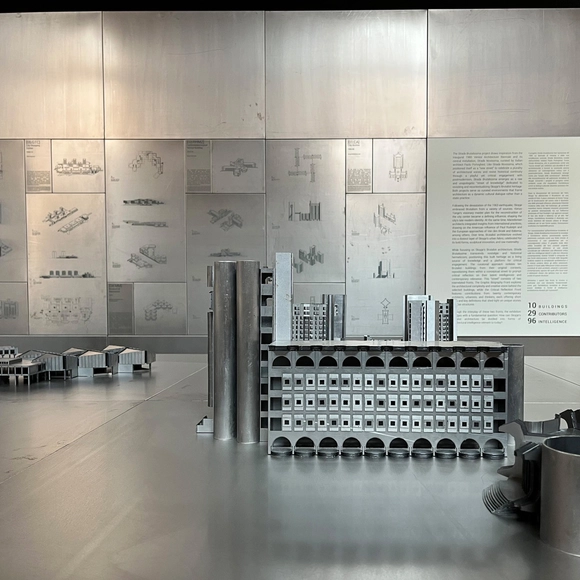
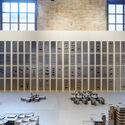
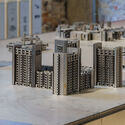
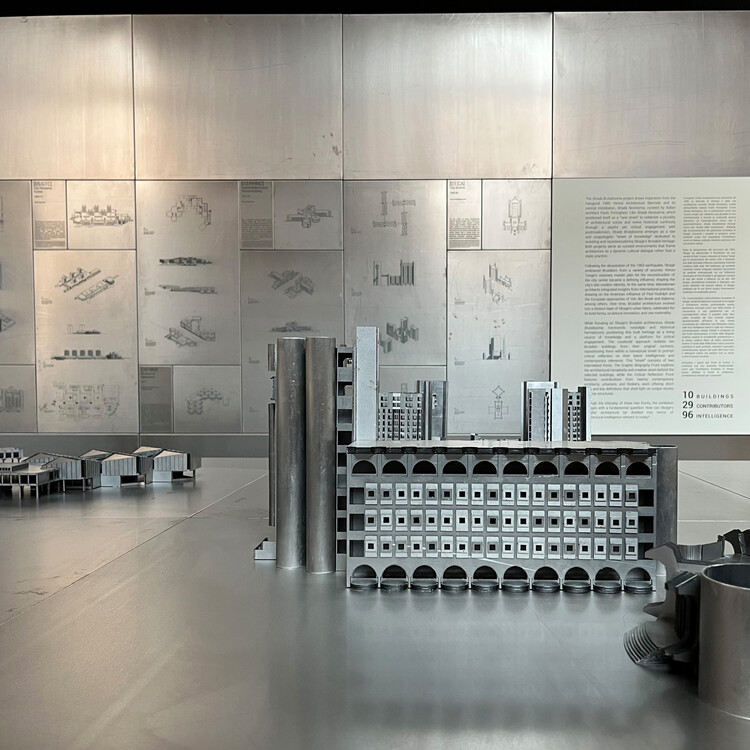
The Republic of North Macedonia Pavilion at the 19th Venice Architecture Biennale is dedicated to the Brutalist architecture of its capital city, Skopje. This architectural movement has given the city a distinctive identity following the earthquake that struck in 1963. According to pavilion curator, architect Blagoja Bajkovski, in the aftermath of the disaster, Skopje embraced Brutalism from a variety of sources. One of the most prominent of these was Kenzo Tange's reconstruction plan, developed after an international competition organized by the United Nations in 1965. The exhibition, titled Strada Brutalissima, recounts this identity, the events that shaped it, and the buildings that continue to represent it through a series of architectural models. Inspired by the 1980 Venice Architecture Biennale's Strada Novissima, the project reinterprets the concept of a curated "street," this time centered on Skopje's Brutalist heritage.

North Macedonia Pavilion at the Venice Architecture Biennale Revisits the Brutalist Architecture of Skopje - Image 1 of 4North Macedonia Pavilion at the Venice Architecture Biennale Revisits the Brutalist Architecture of Skopje - Image 2 of 4North Macedonia Pavilion at the Venice Architecture Biennale Revisits the Brutalist Architecture of Skopje - Image 3 of 4North Macedonia Pavilion at the Venice Architecture Biennale Revisits the Brutalist Architecture of Skopje - Image 4 of 4North Macedonia Pavilion at the Venice Architecture Biennale Revisits the Brutalist Architecture of Skopje - More Images+ 20

Kosovo Pavilion at the Venice Architecture Biennale Explores Shifting Agricultural Landscapes Through Soil and Scent

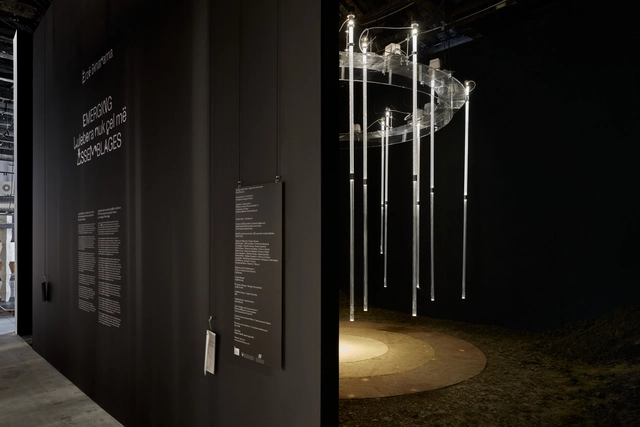
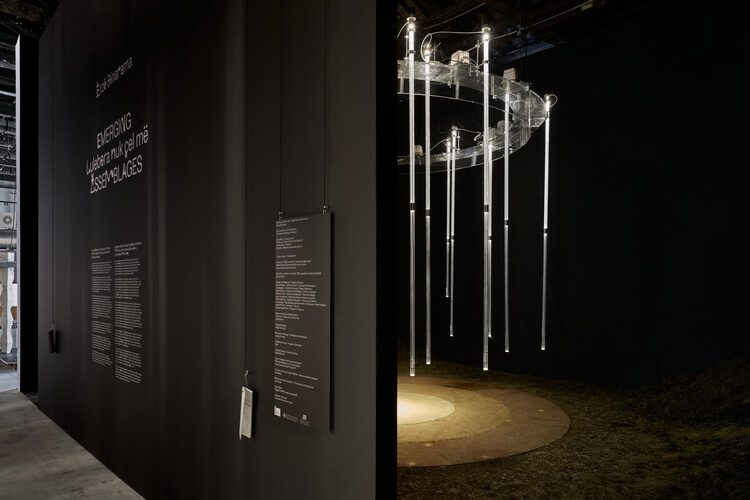
The Republic of Kosovo brings this year to the 19th Venice Architecture Biennale an exhibition titled Lulebora nuk çel më. Emerging Assemblages. The exhibit was commissioned by the National Gallery of Kosovo and curated by the architect, interdisciplinary designer, and researcher Erzë Dinarama. Reflecting on the country's shifting agricultural landscapes in the context of ecological uprooting and embodied knowledge systems under climate pressure, the installation offers a sensorial exploration of Kosovan fieldwork. Combining a range of local soil materials with a hanging olfactory calendar, the Pavilion invites visitors to imagine through touch and smell.


Kosovo Pavilion at the Venice Architecture Biennale Explores Shifting Agricultural Landscapes Through Soil and Scent - Featured ImageKosovo Pavilion at the Venice Architecture Biennale Explores Shifting Agricultural Landscapes Through Soil and Scent - Image 1 of 4Kosovo Pavilion at the Venice Architecture Biennale Explores Shifting Agricultural Landscapes Through Soil and Scent - Image 2 of 4Kosovo Pavilion at the Venice Architecture Biennale Explores Shifting Agricultural Landscapes Through Soil and Scent - Image 3 of 4Kosovo Pavilion at the Venice Architecture Biennale Explores Shifting Agricultural Landscapes Through Soil and Scent - More Images+ 14