Driven by the hyper-density of the city-state from which they operate, WOHA have emerged as Singapore's quintessential architects. Combining a locally-specific approach to climate control and spatial planning with an international approach to form and materials, their work holds lessons that can be instructive to architects in all climates. In this interview, the latest in his “City of Ideas” column, Vladimir Belogolovsky speaks to WOHA founders Wong Mun Summ and Richard Hassell about their environmental approach and the future of our global cities.
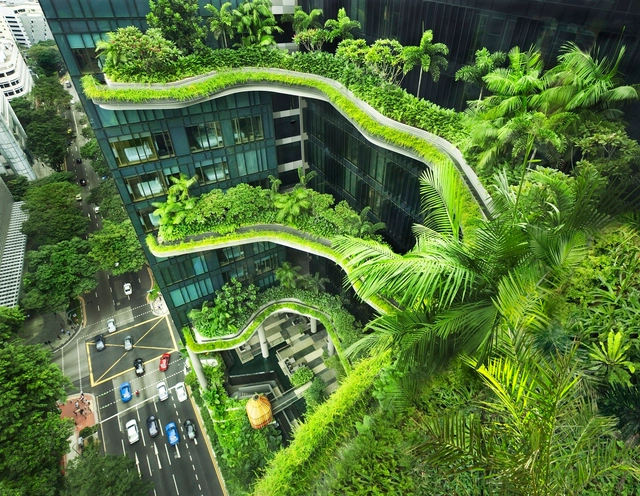
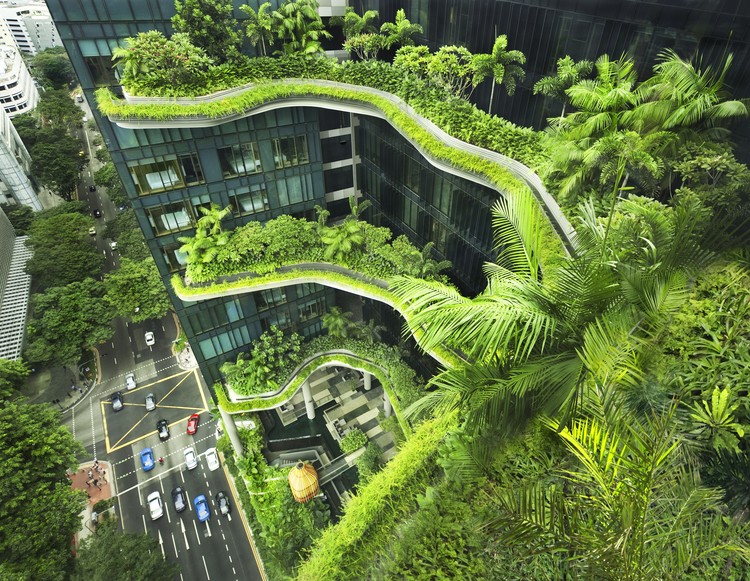
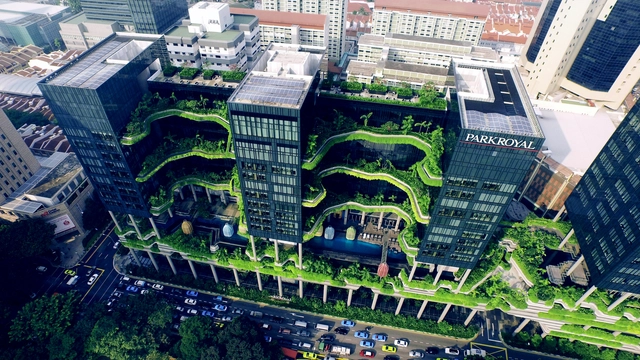
PARKROYAL on Pickering. Image Courtesy of WOHA Architects
Singapore-based WOHA’s “Fragments of an Urban Future” will be on display at the 2016 Venice Biennale, addressing some of the critical issues that megacities face today -- “unprecedented urbanization, accelerating climate change and the need for preservation of tropical biodiversity.” Part of the Global Art Affairs Foundation’s collateral exhibition, “TIME SPACE EXISTENCE,” WOHA’s contribution will be housed in the Palazzo Bembo.
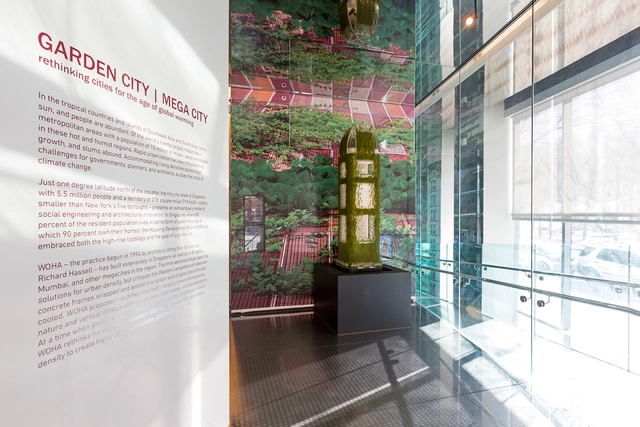
From commercial mixed-use to hospitality and social housing, Singapore-based WOHA reinterprets the skyscraper as a prototype for hyper-dense, green urban living. Their first major exhibition in the United States, GARDEN CITY MEGA CITY, opened on March 23rd, 2016 at The Skyscraper Museum, and unveiled twelve of their most recent vertical ecosystems.
In honor of World Photo Day (August 19th) ArchDaily wanted to thank the photographers who bring to life the projects that we publish every day. So we asked architects to weigh in on the work of some of our most-appreciated architecture photographers. Here, Richard Hassell of WOHAwrites on behalf of Patrick Bingham-Hall.
https://www.archdaily.com/539089/world-photo-day-patrick-bingham-hall-by-richard-hassellAD Editorial Team
As an update to last year's post on WOHA's 'Breathing Architecture' exhibition, their work has seen great success in Frankfurt and Taichung. Now on its last leg, it will travel to Taipei and be on display from March 22-May 10 at the "Mobile Museum - SEED project". Reminding us of bold visions of the future, in which plants reclaim nature for themselves, the architects realize the permeation of buildings and landscape, and of interiors and exteriors in projects. WOHA’s tropical architecture is permeable, leafy and interspersed with community spaces, which truly capture the essence of how architecture is breathing. For more information, please visit here. More images can be viewed after the break.
WOHA‘s traveling exhibition, ‘Breathing Architecture’, is on its way to Taichung, Taiwan after a successful run at the acclaimed Deutsches Architekturmuseum (DAM) in Frankfurt. Taking place at the Taichung Info-Box July 26-September 23, the exhibition features concepts of open structures which embrace aspects of community and permeability of form in response to climate and nature.
Commissioned by the Housing and Development Board as an exploration of the future of affordable public housing, WOHA‘s public housing design for Skyville @ Dawson consists of 960 homes in Singapore. As a response to the enthusiasm received by the public, their project is currently under construction and is estimated to be completed February 2015. The design focuses on 3 themes – community, variety and sustainability. More images and architects’ description after the break.
Oasia Downtown, designed by WOHA, sets out to create an alternative imagery for commercial high-rise developments. It combines innovative ways to intensify land use with a tropical approach that showcases a perforated, permeable, furry, verdant tower of green in the heart of Singapore’s Central Business District (CBD). More images and architects’ description after the break.
Share WOHA’s excitement as they exhibit their broad array of works at the acclaimed Deutsches Architekturmuseum (DAM). Running from December 2-April 29, their first monographic exhibition will feature concepts of open structures which embrace aspects of community and permeability of form in response to climate and nature. More details on the exhibition will soon be available here.
The Met in Bangkok, Thailand by WOHA has scooped the Royal Institute of British Architects’ (RIBA) prestigious RIBA Lubetkin Prize for the most outstanding work of international architecture by a member of the RIBA.
A residential skyscraper incorporating outdoor spaces, balconies and gardens, The Met is a 66 storey perforate tower which uses the power of nature to cool the apartments. Wind speeds at that height are considerable, so by punching holes through the building and drawing air up vertical voids in the structure, the architects have been able to introduce natural ventilation to flats at all levels. Some of these floors are kept open to provide communal spaces, which include a garden, a gym, a 50 metre swimming pool and other leisure facilities, such as barbecue and seating areas. More information on the award after the break.
Architects: WOHA Location: Uluwatu, Bali, Indonesia Project Team: Richard Hassell, Wong Mun Summ, Chan Ee Mun, Ranjit Wagh, Mappaudang Ridwan Saleh, Alan Lau, Lai Soong Hai, Miikka Leppanen, Muhammad Sagitha Mechanical & Electrical Engr: PT. Makesthi Enggal Engineering Civil & Structural Engr: Worley Parsons Pte Ltd / PT. Atelier Enam Struktur Ecologically Sustainable Design Consultant: Sustainable Built Environments Lighting Consultants: Lighting Planners Associates Quantity Surveyors: PT Kosprima Sarana Kuantitama Landscape Consultant: Cicada Pte Ltd Main Contractor: PT. Hutama Karya Site Area: 44,642 sqm Built up Area: 58,635 sqm Project Year: 2009 Photographs: Tim Griffith & Patrick Bingham-Hall