1. ArchDaily
  2. Zaha Hadid Architects

Zaha Hadid Architects: The Latest Architecture and News

Global Architects, Local Contexts: Navigating Identity in the Gulf’s Cultural Landmarks

Subscriber Access | 

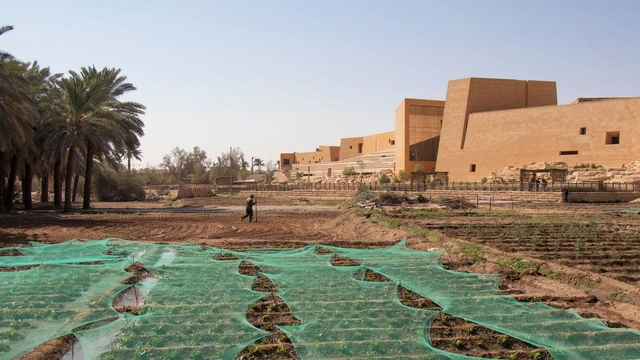
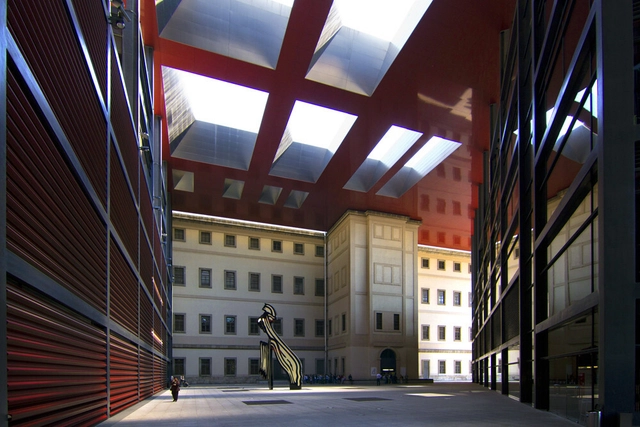
In recent years, the Gulf region has emerged as a global center for cultural and architectural development, commissioning internationally acclaimed architects to design its most high-profile museums and institutions. These projects, ranging from Louvre Abu Dhabi by Jean Nouvel to Museum of Islamic Art in Doha by I. M. Pei, are often designed by foreign architects, yet they aim to embed themselves within their context through strategies that reference the region's landscape, climate, and architectural traditions. This raises a fundamental question: What defines local architecture in the 21st century?

Global Architects, Local Contexts: Navigating Identity in the Gulf’s Cultural Landmarks - Image 1 of 4Global Architects, Local Contexts: Navigating Identity in the Gulf’s Cultural Landmarks - Image 2 of 4Global Architects, Local Contexts: Navigating Identity in the Gulf’s Cultural Landmarks - Image 3 of 4Global Architects, Local Contexts: Navigating Identity in the Gulf’s Cultural Landmarks - Image 4 of 4Global Architects, Local Contexts: Navigating Identity in the Gulf’s Cultural Landmarks - More Images+ 9

Promenade Architecturale: How the Modernist Concept Continues to Inspire Contemporary Architecture

Subscriber Access | 

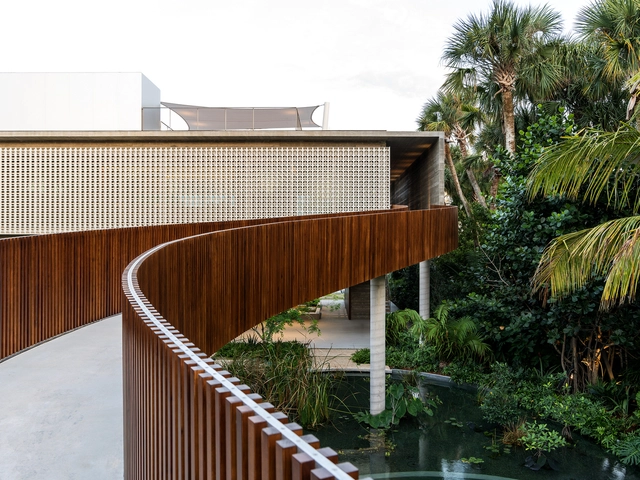
In modernist architecture, promenade architecturale emerged as a key design strategy, embodying the principles of functionality, aesthetics, and integration with the urban context. Le Corbusier’s iconic projects, such as Villa La Roche (1925) and Villa Savoye (1929), exemplify this idea by guiding visitors through an ascending journey that culminates in the rooftop garden—a space where the building and nature seamlessly interact. A century later, this concept remains influential, continuing to shape contemporary designs that explore the relationship between movement and space in various architectural typologies, including houses, museums, libraries, and parks.

Promenade Architecturale: How the Modernist Concept Continues to Inspire Contemporary Architecture - Image 1 of 4Promenade Architecturale: How the Modernist Concept Continues to Inspire Contemporary Architecture - Image 2 of 4Promenade Architecturale: How the Modernist Concept Continues to Inspire Contemporary Architecture - Image 3 of 4Promenade Architecturale: How the Modernist Concept Continues to Inspire Contemporary Architecture - Image 4 of 4Promenade Architecturale: How the Modernist Concept Continues to Inspire Contemporary Architecture - More Images+ 14

Zaha Hadid Architects and Bureau Cube Partners Transform Historic Industrial Paper Mill into a Cultural Center in Belgrade, Serbia

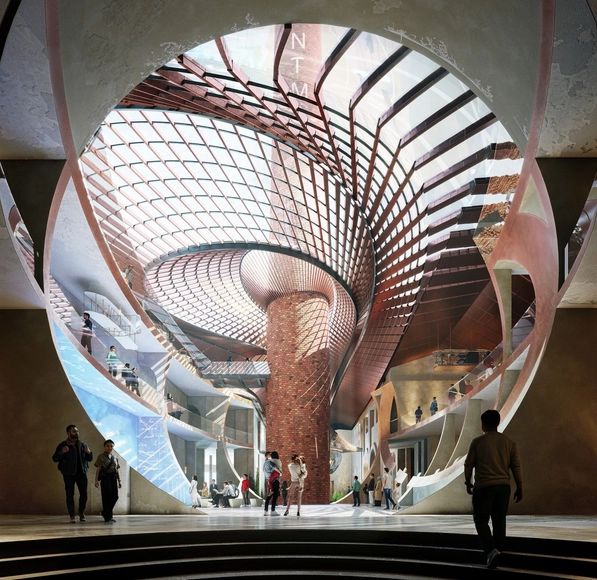
Following an international design competition, the winning proposal for the new Nikola Tesla Museum in Belgrade, Serbia, was announced. Designed by Zaha Hadid Architects (ZHA) in collaboration with Serbia's Bureau Cube Partners, the project seeks to transform the historic Milan Vapa Paper Mill into a contemporary cultural center that celebrates Nikola Tesla's scientific achievements while preserving the site's architectural heritage.

Zaha Hadid Architects and Bureau Cube Partners Transform Historic Industrial Paper Mill into a Cultural Center in Belgrade, Serbia - Image 1 of 4Zaha Hadid Architects and Bureau Cube Partners Transform Historic Industrial Paper Mill into a Cultural Center in Belgrade, Serbia - Image 2 of 4Zaha Hadid Architects and Bureau Cube Partners Transform Historic Industrial Paper Mill into a Cultural Center in Belgrade, Serbia - Image 3 of 4Zaha Hadid Architects and Bureau Cube Partners Transform Historic Industrial Paper Mill into a Cultural Center in Belgrade, Serbia - Image 4 of 4Zaha Hadid Architects and Bureau Cube Partners Transform Historic Industrial Paper Mill into a Cultural Center in Belgrade, Serbia - More Images

Zaha Hadid Architects Designs River Culture and Art Center in China

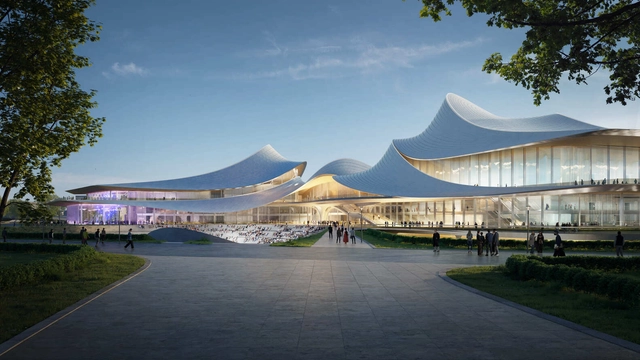
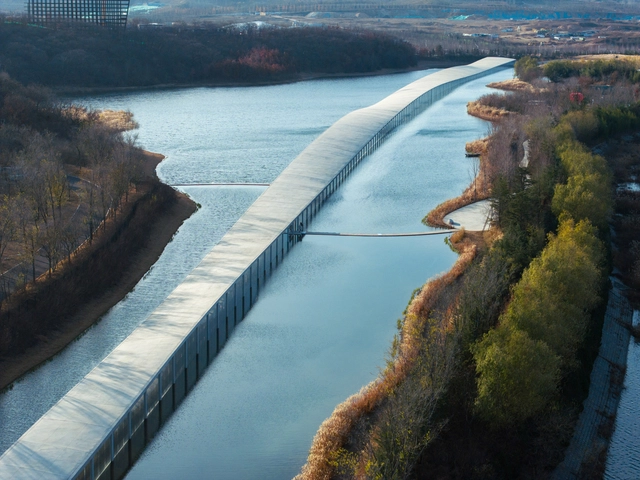
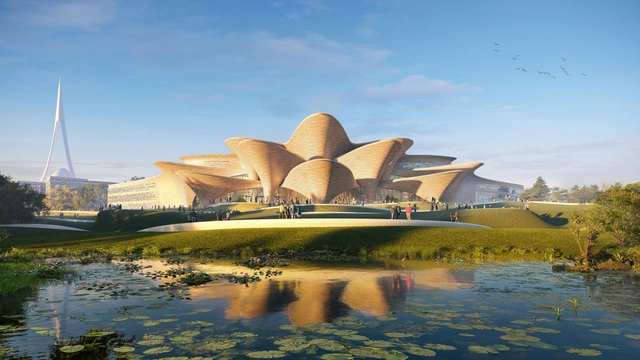
Zaha Hadid Architects has been selected to design the Zhejiang Shaoxing Shangyu District Cao'e River Culture and Art Center, located within a newly planned cultural district in Shaoxing's Shangyu area in Zhejiang province, China. The project is situated along the Cao'e River, a location with historical significance, and is envisioned to serve as a key cultural and artistic space for both the local community and visitors. Its design seeks to integrate contemporary functionality with the architectural and cultural traditions of the region.

Zaha Hadid Architects Designs River Culture and Art Center in China - Featured ImageZaha Hadid Architects Designs River Culture and Art Center in China - Image 1 of 4Zaha Hadid Architects Designs River Culture and Art Center in China - Image 2 of 4Zaha Hadid Architects Designs River Culture and Art Center in China - Image 3 of 4Zaha Hadid Architects Designs River Culture and Art Center in China - More Images+ 7

ArchDaily's Best Architectural Projects of 2024

Throughout the year, ArchDaily's team of curators works on expanding and populating our project library. Located all around the world, each curator carefully considers the best works emanating from their respective regions in an effort to have a diverse representation of the most inspiring and innovative built works. The team looks to new rising practices, new technologies, and the vernacular revival of traditional construction techniques. Seeking socially driven initiatives, as well as major works by renowned architects, the overall offers a holistic view of the built world today and is relayed through the yearly project review.

ArchDaily's Best Architectural Projects of 2024 - Image 1 of 4ArchDaily's Best Architectural Projects of 2024 - Image 2 of 4ArchDaily's Best Architectural Projects of 2024 - Image 3 of 4ArchDaily's Best Architectural Projects of 2024 - Image 4 of 4ArchDaily's Best Architectural Projects of 2024 - More Images+ 96

Zaha Hadid Architects Reveals Construction Updates for Shenzhen Institute of Financial Technology in China

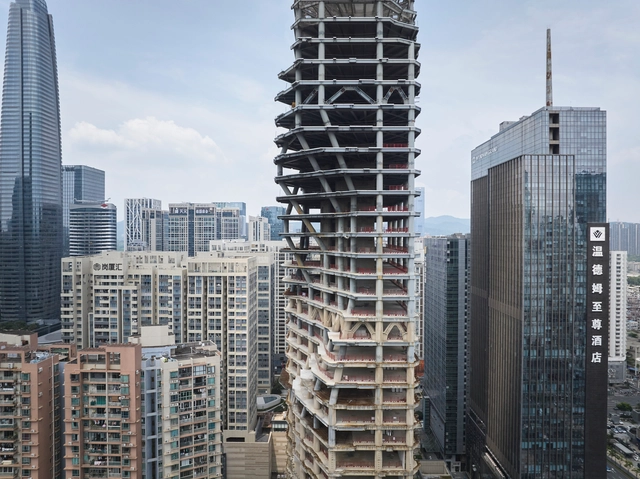
Construction has commenced on the Shenzhen Institute of Financial Technology tower, a 46-story building designed by Zaha Hadid Architects. Its design, situated on a narrow site in Shenzhen's Futian district, aims to respond to its urban context. The building's form, measuring 199 meters in height, incorporates setbacks placed to maximize sunlight penetration to surrounding streets and public areas. This design decision is further reflected in the façade's varying transparency and color, created by vertical and angled glazing mullions in black and bronze. Recent construction photographs reveal the topped-out tower, waiting to receive its envelope while temporarily showcasing openly its structure and interior organization.

Zaha Hadid Architects Reveals Construction Updates for Shenzhen Institute of Financial Technology in China - Image 1 of 4Zaha Hadid Architects Reveals Construction Updates for Shenzhen Institute of Financial Technology in China - Image 2 of 4Zaha Hadid Architects Reveals Construction Updates for Shenzhen Institute of Financial Technology in China - Image 3 of 4Zaha Hadid Architects Reveals Construction Updates for Shenzhen Institute of Financial Technology in China - Image 4 of 4Zaha Hadid Architects Reveals Construction Updates for Shenzhen Institute of Financial Technology in China - More Images+ 11

Zaha Hadid Architects Unveils First Ever All-Timber Football Stadium in Stroud, United Kingdom

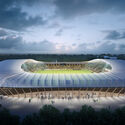
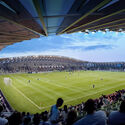
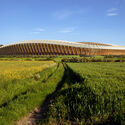
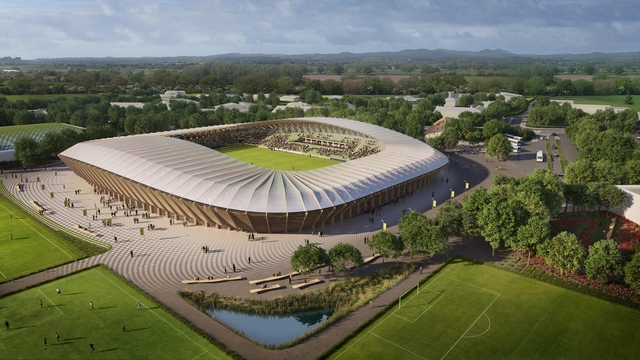
Zaha Hadid Architects has unveiled the design for Forest Green Rovers' Eco Park Stadium, located in Stroud, UK. As the first all-timber football stadium, the design uses sustainably sourced timber for key structural elements, including the framework, roof cantilevers, and cladding. The project combines innovative construction techniques with advanced material research to create a functional and environmentally considerate venue. Part of a larger development, the stadium is designed to integrate with its surroundings while offering facilities that benefit both the football club and the wider community.

Zaha Hadid Architects Unveils First Ever All-Timber Football Stadium in Stroud, United Kingdom - Image 1 of 4Zaha Hadid Architects Unveils First Ever All-Timber Football Stadium in Stroud, United Kingdom - Image 2 of 4Zaha Hadid Architects Unveils First Ever All-Timber Football Stadium in Stroud, United Kingdom - Image 3 of 4Zaha Hadid Architects Unveils First Ever All-Timber Football Stadium in Stroud, United Kingdom - Image 4 of 4Zaha Hadid Architects Unveils First Ever All-Timber Football Stadium in Stroud, United Kingdom - More Images+ 3

Beijing Architecture City Guide: 28 Projects to Understand Contemporary Architecture in a 3,000-Year-Old City

Subscriber Access | 

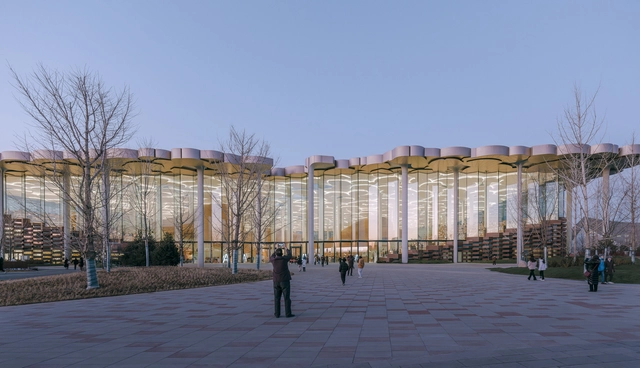
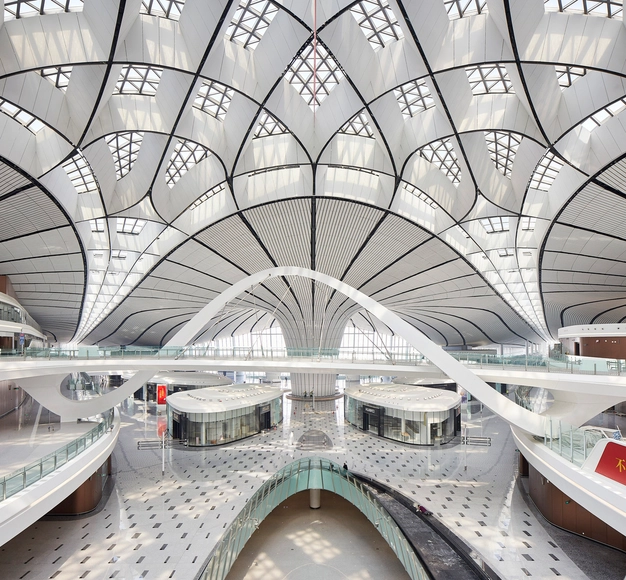
Beijing, as the cultural and political center of China, embodies a rich architectural language that bridges history and modernity, tradition and innovation, showcasing the city's profound depth and diversity. From monumental landmarks like CITIC Tower and Daxing International Airport to the hidden courtyard renovations nestled within the city's historic hutongs; from the dramatic revitalization of the Shougang industrial site to the refined transformations of Baiziwan and Baitasi, Beijing's architectural achievements continue to captivate and inspire. Every space tells a unique story of the city, blending heritage with contemporary vibrancy.

In this city, memories are preserved, and vitality thrives. Let us step into Beijing, rediscovering the "new Beijing" within the "old Beijing" through the lens of its architecture, and experience the depth of time and the pulse of the city in its dynamic spaces.

Beijing Architecture City Guide: 28 Projects to Understand Contemporary Architecture in a 3,000-Year-Old City - Image 10 of 4Beijing Architecture City Guide: 28 Projects to Understand Contemporary Architecture in a 3,000-Year-Old City - Image 11 of 4Beijing Architecture City Guide: 28 Projects to Understand Contemporary Architecture in a 3,000-Year-Old City - Image 12 of 4Beijing Architecture City Guide: 28 Projects to Understand Contemporary Architecture in a 3,000-Year-Old City - Image 17 of 4Beijing Architecture City Guide: 28 Projects to Understand Contemporary Architecture in a 3,000-Year-Old City - More Images+ 25

Architectural Grafting: A Strategy for Sustainable Design

Subscriber Access | 

Architectural grafting, a concept recently popularized by Jeanne Gang in The Art of Architectural Grafting, presents a transformative approach to urban regeneration and sustainability. Drawing inspiration from botanical and horticultural practices — where new growth is added to existing plants for enhanced resilience — this architectural method integrates new structures with existing ones, allowing them to coexist and adapt. Rather than pursuing demolition, grafting prioritizes adaptation, extending the life of buildings while safeguarding their cultural and historical significance.

While Studio Gang has played a pivotal role in advancing this method, architectural grafting embodies a broader principle that architects have long used to enhance sustainability, conserve resources, and honor heritage. Across scales — from individual buildings to urban landscapesgrafting reshapes the relationship between past and present, adapting existing structures for contemporary needs while addressing environmental demands. By reimagining historic buildings for modern use, this approach fosters a sustainable evolution of cityscapes.

Architectural Grafting: A Strategy for Sustainable Design - Image 1 of 4Architectural Grafting: A Strategy for Sustainable Design - Image 2 of 4Architectural Grafting: A Strategy for Sustainable Design - Image 3 of 4Architectural Grafting: A Strategy for Sustainable Design - Image 4 of 4Architectural Grafting: A Strategy for Sustainable Design - More Images+ 59

Architecture Now: From Revitalized Museums to STEM Educational Facilities, Discover the Recent Work of KPF, Zaha Hadid Architects, and Other Leading Offices

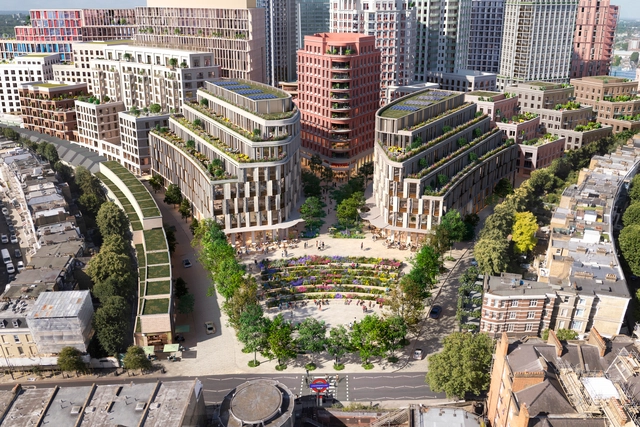
In recent weeks, a series of significant architectural developments have been announced, showcasing the varied work of renowned firms from around the globe. These projects, revealed between late September and October 2024, emphasize the transformative potential of architectural design in rehabilitating historical structures, revitalizing urban areas, and proposing new facilities to meet the evolving needs of communities. Notable names such as Zaha Hadid Architects, Kohn Pedersen Fox (KPF), and Studio Egret West are among those leading ambitious projects, from the waterfront residences on Qetaifan Island in Qatar to the reimagining of London's Earls Court. This collection of recent announcements provides a glimpse into the ongoing evolution of urban landscapes and community-centric architecture.

Architecture Now: From Revitalized Museums to STEM Educational Facilities, Discover the Recent Work of KPF, Zaha Hadid Architects, and Other Leading Offices - Image 1 of 4Architecture Now: From Revitalized Museums to STEM Educational Facilities, Discover the Recent Work of KPF, Zaha Hadid Architects, and Other Leading Offices - Image 2 of 4Architecture Now: From Revitalized Museums to STEM Educational Facilities, Discover the Recent Work of KPF, Zaha Hadid Architects, and Other Leading Offices - Image 3 of 4Architecture Now: From Revitalized Museums to STEM Educational Facilities, Discover the Recent Work of KPF, Zaha Hadid Architects, and Other Leading Offices - Image 4 of 4Architecture Now: From Revitalized Museums to STEM Educational Facilities, Discover the Recent Work of KPF, Zaha Hadid Architects, and Other Leading Offices - More Images+ 32

Zaha Hadid Architects Reveals Design for New Scientific Research Centre in Tashkent, Uzbekistan

Zaha Hadid Architects (ZHA) has been announced as the architect of the Alisher Navoi International Scientific Research Centre, an expansive cultural and educational facility taking shape in New Tashkent, Uzbekistan. The center is set to incorporate the Navoi State Museum of Literature, along with a 400-seat auditorium and an International Research Center and residential school dedicated to training 200 students in the Uzbek language, literature, and music.

Zaha Hadid Architects Reveals Design for New Scientific Research Centre in Tashkent, Uzbekistan - Image 1 of 4Zaha Hadid Architects Reveals Design for New Scientific Research Centre in Tashkent, Uzbekistan - Image 2 of 4Zaha Hadid Architects Reveals Design for New Scientific Research Centre in Tashkent, Uzbekistan - Image 3 of 4Zaha Hadid Architects Reveals Design for New Scientific Research Centre in Tashkent, Uzbekistan - Image 4 of 4Zaha Hadid Architects Reveals Design for New Scientific Research Centre in Tashkent, Uzbekistan - More Images+ 8

Designing with Empathy: Architecture for Social Equity

Architecture has long been understood as a powerful tool for shaping the physical environment and social dynamics within it. However, its potential to foster social equity is often overlooked. Empathy-driven design invites architects to approach their work not only as creators of space but as facilitators of human connection and community well-being. This approach centers on understanding people's lived experiences, struggles, and aspirations — particularly marginalized communities — and responding to their needs through thoughtful, inclusive architecture. It goes beyond aesthetics and functionality, instead focusing on creating spaces fostering dignity, accessibility, and social equity. By prioritizing empathy, architects can design environments that uplift communities, address disparities, and create inclusive spaces that promote positive societal change in a tangible, human-centered way.

Designing with Empathy: Architecture for Social Equity - Image 1 of 4Designing with Empathy: Architecture for Social Equity - Image 2 of 4Designing with Empathy: Architecture for Social Equity - Image 3 of 4Designing with Empathy: Architecture for Social Equity - Image 4 of 4Designing with Empathy: Architecture for Social Equity - More Images+ 13

Architects and Boats: A Love Affair

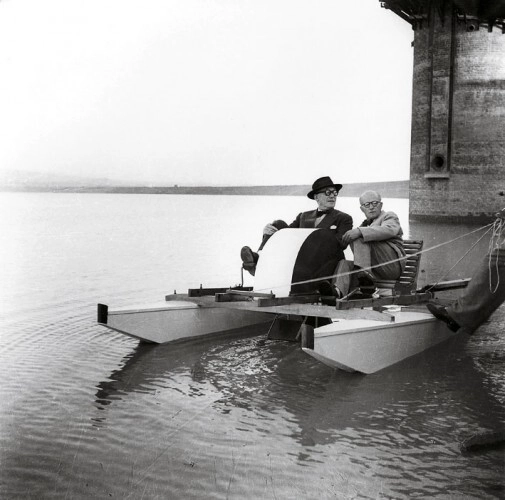
The relationship between architecture and naval design has been a fascinating interplay of form and function that has evolved significantly. Both disciplines have a shared history of innovation, aesthetics, and functionality that have informed and inspired each other. This "love affair" has seen architects drawing inspiration from boats, particularly in the modernist era when ships' streamlined, efficient designs influenced the aesthetic of buildings. Conversely, architectural principles have also been adapted to enhance the functionality and form of boats, demonstrating a reciprocal exchange that continues to shape both disciplines.

Architects and Boats: A Love Affair - Image 1 of 4Architects and Boats: A Love Affair - Featured ImageArchitects and Boats: A Love Affair - Image 2 of 4Architects and Boats: A Love Affair - Image 3 of 4Architects and Boats: A Love Affair - More Images+ 29

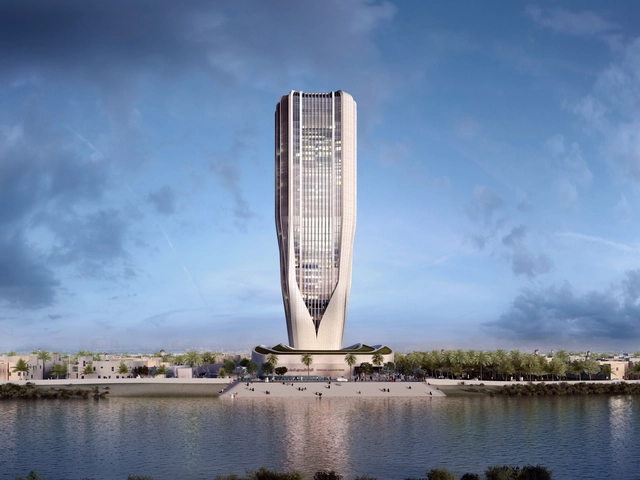
Zaha Hadid Architects Unveils Construction Progress of Central Bank of Iraq Skyscraper in Baghdad

The Central Bank of Iraq (CBI) headquarters, designed by the UK-based Zaha Hadid Architects, is a new landmark on the banks of the Tigris River in Baghdad. Now the tallest building in the city, the 170-meter-tall skyscraper aims to echo the values of the institution: solidity, stability, and sustainability. Blending innovation with the rich heritage of Baghdad, her birthplace, Zaha Hadid’s vision for the Central Bank of Iraq headquarters stands as a tribute to the city's enduring legacy.

Zaha Hadid Architects Unveils Construction Progress of Central Bank of Iraq Skyscraper in Baghdad - Image 1 of 4Zaha Hadid Architects Unveils Construction Progress of Central Bank of Iraq Skyscraper in Baghdad - Image 2 of 4Zaha Hadid Architects Unveils Construction Progress of Central Bank of Iraq Skyscraper in Baghdad - Image 3 of 4Zaha Hadid Architects Unveils Construction Progress of Central Bank of Iraq Skyscraper in Baghdad - Image 4 of 4Zaha Hadid Architects Unveils Construction Progress of Central Bank of Iraq Skyscraper in Baghdad - More Images+ 9

Shaping Space with Curves: Exploring the Architectural Fluidity of 4 Modern Airport Projects in South and East Asia

Subscriber Access | 

Modern airports have increasingly become symbols of architectural innovation, moving beyond their primary function as transportation hubs to become significant landmarks. A prominent trend in contemporary airport design is the use of curved forms to create fluid, dynamic spaces that enhance both functionality and visual impact. These curves, made possible by advancements in construction technology, allow for more flexible and expansive interiors, as well as designs that can better integrate with natural landscapes and improve passenger circulation and experience.

Shaping Space with Curves: Exploring the Architectural Fluidity of 4 Modern Airport Projects in South and East Asia - Image 1 of 4Shaping Space with Curves: Exploring the Architectural Fluidity of 4 Modern Airport Projects in South and East Asia - Image 2 of 4Shaping Space with Curves: Exploring the Architectural Fluidity of 4 Modern Airport Projects in South and East Asia - Image 3 of 4Shaping Space with Curves: Exploring the Architectural Fluidity of 4 Modern Airport Projects in South and East Asia - Image 4 of 4Shaping Space with Curves: Exploring the Architectural Fluidity of 4 Modern Airport Projects in South and East Asia - More Images+ 6

Zaha Hadid Architects to Design Discovery City in Johor, Malaysia

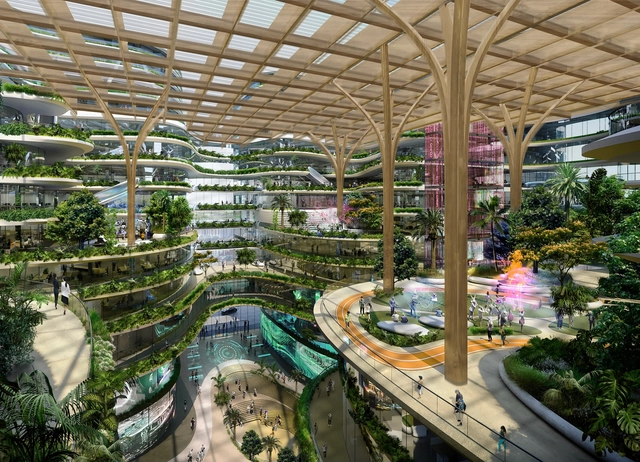
Following a competition, Zaha Hadid Architects (ZHA), in collaboration with JLand Group Sdn Bhd (JLG), have been chosen to design Discovery City in Johor, Malaysia. The disctrict is expected to be to be a visionary 582-acre mixed-use precinct within the expansive Ibrahim Technoloplis in Johor. As ZHA’s inaugural project in Malaysia, Discovery City aims to boast a blend of innovative design and sustainability, blending with the region’s landscapes.

Ethiopian Airlines Announces Abusera Airport by Zaha Hadid Architects

Ethiopian Airlines Group has embarked on an new project to build Africa's largest airport in Abusera, south of Addis Ababa, to support the airline's rapid expansion. This project, designed by a consortium led by Dar Al-Handasah Consultants, Zaha Hadid Architects (ZHA), and Pascall+Watson, will serve as a pivotal hub connecting Africa, Asia, and the Middle East, regions experiencing the fastest growth in global air travel.

Prague Architecture City Guide: 25 Historical and Contemporary Attractions to Explore in Czechia’s City of a Hundred Spires

Subscriber Access | 

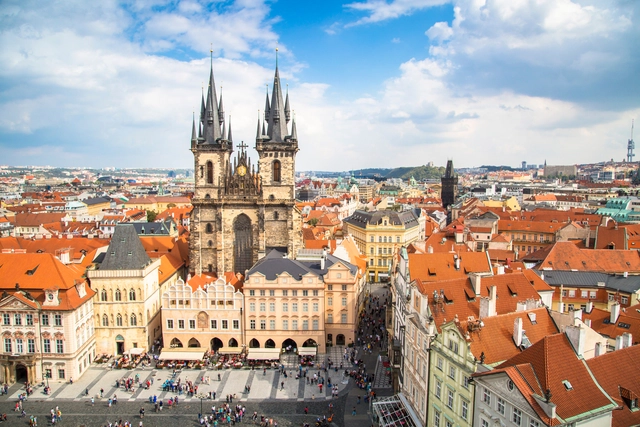
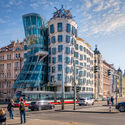
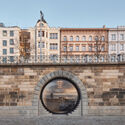
Prague, the capital of the Czech Republic, is one of Europe's best-preserved cities, having miraculously survived the widespread bombings of World War II. As the capital of the Czech Republic, Prague is home to over 1.3 million people and features an architectural heritage spanning centuries, covering a variety of architectural styles from Romanesque, Gothic, Renaissance, Baroque, and Rococo, to Modernist, Deconstructivism, and contemporary tendencies. The Old Town Square, where various architectural styles coexist, is a testament to this diversity. Known as the "Mother of all Cities," “the Golden City and “The City of a Hundred Spires,” Prague blends history and contemporary culture seamlessly. Its origins, steeped in legend, add to the city's charm.


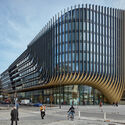
Over the past few years, the city has also seen interest from internationally-recognized architectural offices. Following an international competition, BIG has set out to design a for the Vltava Philharmonic Hall on the riverbanks of the Vltava River, Zaha Hadid has recently completed an office and retail building in the city center, while Henning Larsen has been announced as the winner of the commission to redesign Prague Central Station, Nový Hlavák.

Prague Architecture City Guide: 25 Historical and Contemporary Attractions to Explore in Czechia’s City of a Hundred Spires - Image 1 of 4Prague Architecture City Guide: 25 Historical and Contemporary Attractions to Explore in Czechia’s City of a Hundred Spires - Image 2 of 4Prague Architecture City Guide: 25 Historical and Contemporary Attractions to Explore in Czechia’s City of a Hundred Spires - Image 3 of 4Prague Architecture City Guide: 25 Historical and Contemporary Attractions to Explore in Czechia’s City of a Hundred Spires - Image 4 of 4Prague Architecture City Guide: 25 Historical and Contemporary Attractions to Explore in Czechia’s City of a Hundred Spires - More Images+ 21