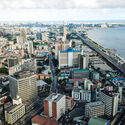
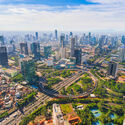
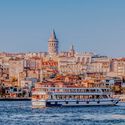
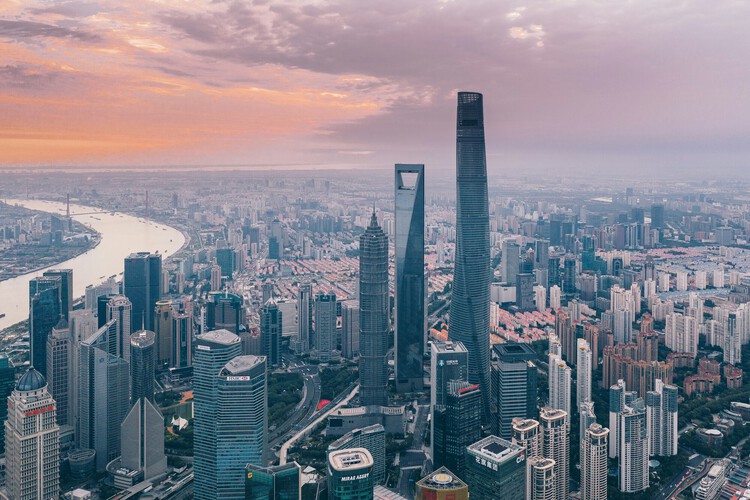
Every year on July 11, World Population Day draws attention to the demographic trends reshaping societies around the globe. In 2026, the United Nations marks the occasion under the theme, "Realizing the Hopes and Aspirations of Young People – Today and for the Future," highlighting how young people's decisions about education, employment, housing, relationships, and family life are increasingly influenced by the cities they inhabit. Drawing on Lives, Choices and Futures, a global survey of more than 108,000 young adults across 73 countries, this year's campaign underscores the close relationship between demographic change and the social, economic, and spatial conditions of cities.
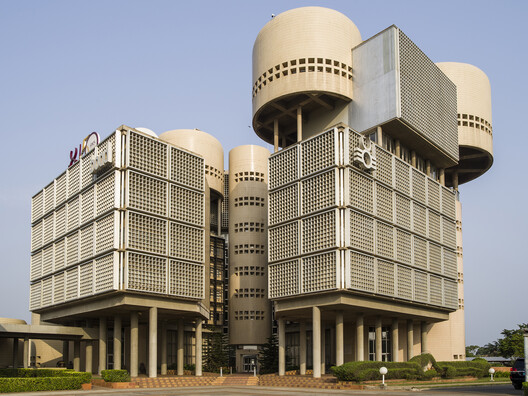
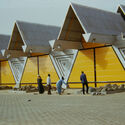
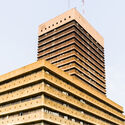
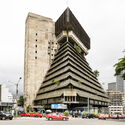
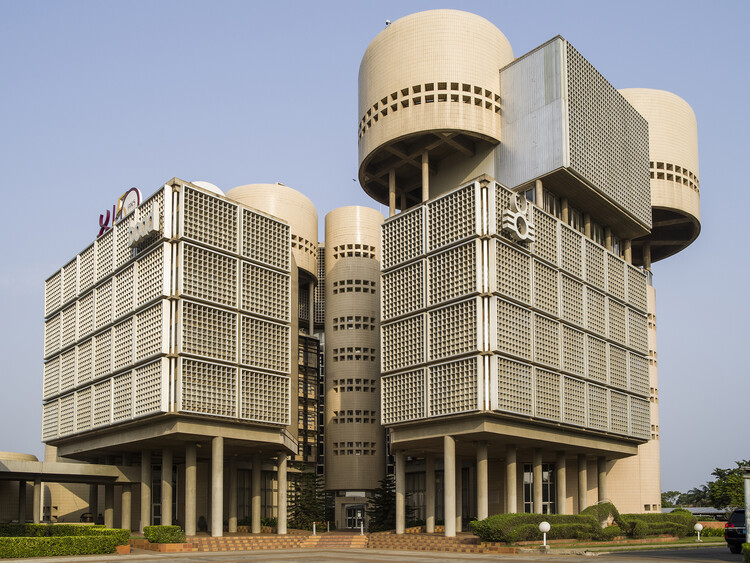
The Museum of Modern Art in New York inaugurated the exhibition Architects of Liberation: Modernism in Western Africa on July 5, 2026, on view through January 2, 2027. The exhibition examines African modern architecture from the late 1950s through the early 1980s in the context of political independence in the region. Works span seven countries: Benin, Cameroon, Côte d'Ivoire, Ghana, Nigeria, Senegal, and Togo. The display is organised around anchor projects selected as "entry points" into categories such as cityscapes, education, and housing. It is curated by Martino Stierli, The Philip Johnson Chief Curator of Architecture and Design, and Ikem Stanley Okoye, guest curator and associate professor at the University of Delaware, with Mallory Cohen, curatorial associate in the Department of Architecture and Design.
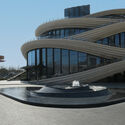
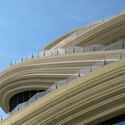
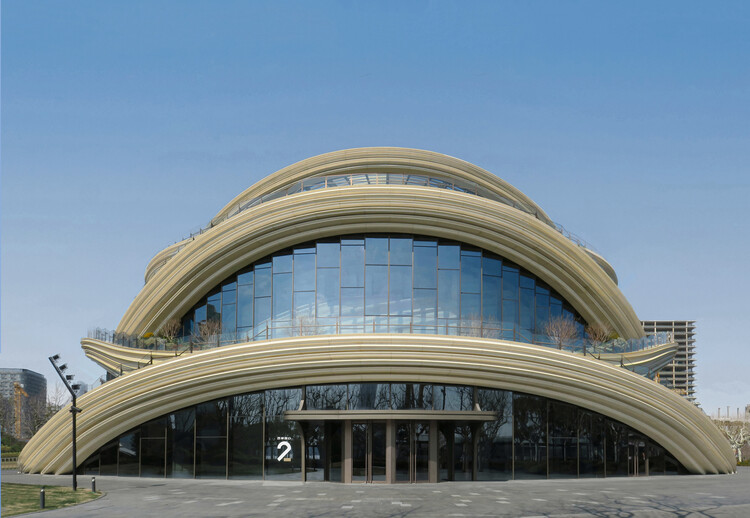
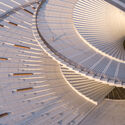
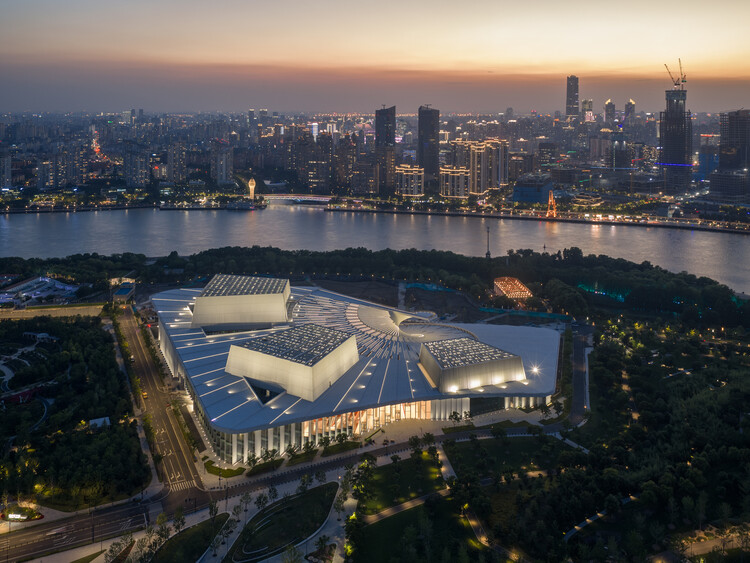
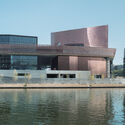
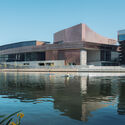
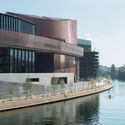
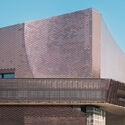
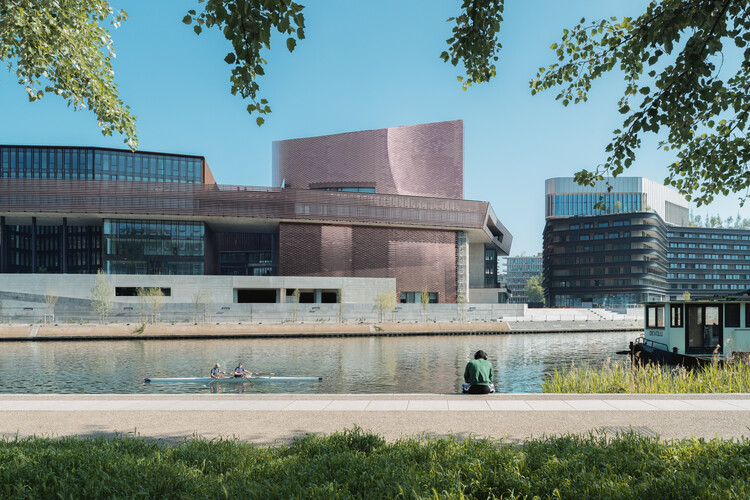
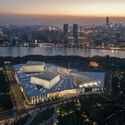
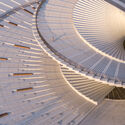
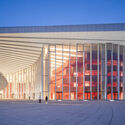
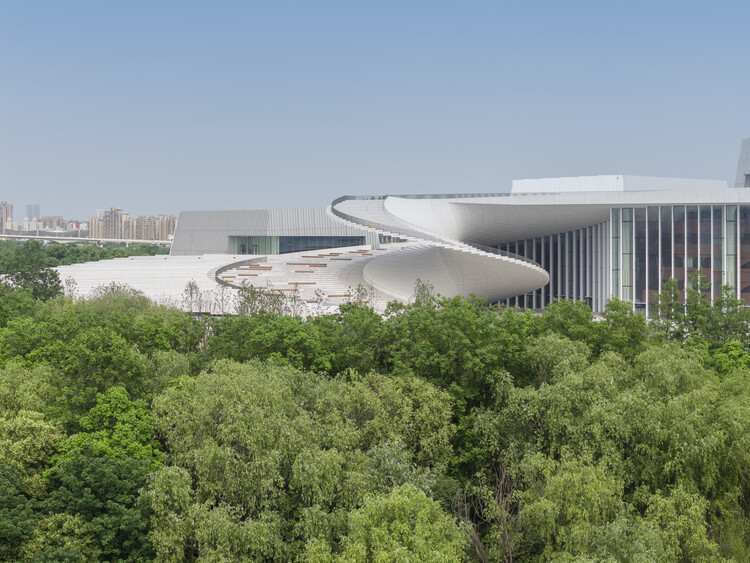
Photographer Paul Clemence has documented West Bund Orbit, Heatherwick Studio's public exhibition hall on Shanghai's West Bund waterfront, in a photo series exploring the project's evolving architectural identity. Located in Xuhui District along the Huangpu River, the building was conceived as a cultural destination within the area's emerging Financial Hub while extending the network of public spaces that define the redeveloped riverfront. Rather than focusing solely on the building as an object, Clemence's photographs examine the relationship between architecture, circulation, and landscape, revealing how the project's interconnected pathways and layered form engage both the waterfront and the surrounding city.
This week belonged to the arts, with cultural architecture dominating headlines across the globe. Landmark buildings for major institutions advanced through important construction and design milestones, from the Shanghai Opera House to Abu Dhabi's new performing arts center, while two new museum commissions were announced following international competitions. Architecture also took centre stage as a subject of exhibition itself, with the Sharjah Architecture Triennial revealing its participant list and Austria unveiling its proposal for the 2027 Venice Architecture Biennale. Beyond these developments, this week's news compilation includes three upcoming urban design projects: in Seoul, South Korea, a new riverside neighbourhood in the Apgujeong district weaves residential towers around parkland connecting the city to the Han River; in Cardiff, Wales, a pedestrian and cycle bridge over the River Taff links waterfront neighbourhoods to new housing along the water's edge; and in Bengaluru, South India, the Museum of Art and Photography is expanding its public campus, adding new civic and cultural facilities alongside a major new sculpture park set within a UNESCO Biosphere Reserve in Tamil Nadu.
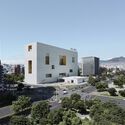
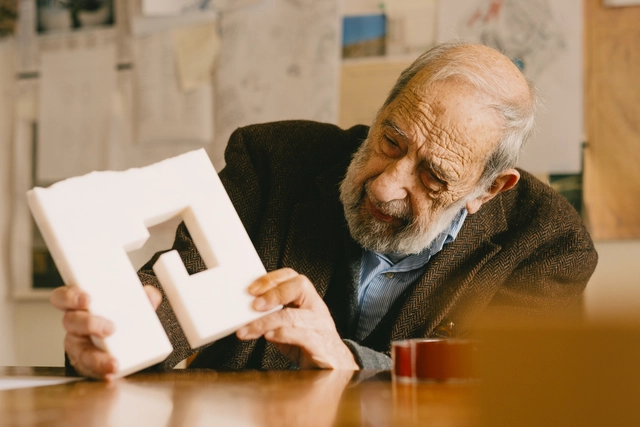
National Museum of Ecuador (MUNA). Image Courtesy of Studio Campo Baeza
Studio Campo Baeza, based in Madrid, together with Quito-based Maoda, has won the international competition to design the new National Museum of Ecuador (MUNA) in Quito. Their proposal, titled Echoes of the Sun, was selected by a national and international jury from 17 finalist entries in the second phase of the competition. The public competition initially attracted 148 teams from around the world, with 20 shortlisted to develop design proposals before the winning scheme was announced during a public ceremony in Quito on July 6, 2026.
A new space dedicated to contemporary art on the Île Seguin, in the Greater Paris area, is opening in October 2026. The new cultural institution, named "Large," will be housed in a building designed by Catalan architects and Pritzker Prize recipients RCR Arquitectes, the studio's first project in Paris. It is situated on La Pointe des Arts, a large-scale redevelopment of the Île Seguin's former industrial area into a mixed-use complex spanning more than 53,000 m² and focused on arts and culture. The project's architectural massing follows the stratification concept set out in the masterplan by Ateliers Jean Nouvel. The institution will open with the exhibition "Imaginary Engine: From Masterpieces of the Collection Renault to Artists of Today," bringing together 55 artists from 23 countries to explore the relationship between humanity and machines, in tribute to the site's industrial history and Renault's decades-long collaboration with artists.
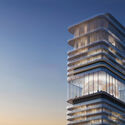
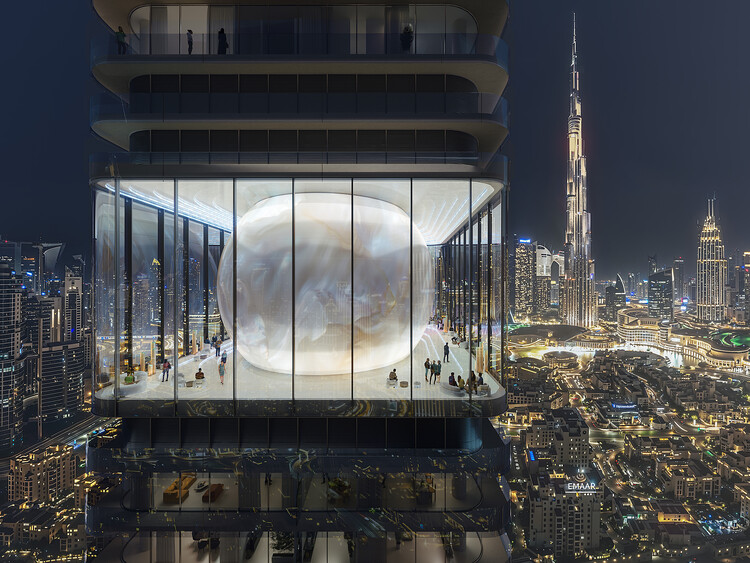
MVRDV has been selected to design Inaura, a mixed-use hotel and residential tower in DowntownDubai, developed by Arada. The project will rise to 210 meters on a site located between Downtown Dubai and Business Bay, with views toward the Burj Khalifa and the Dubai Fountain. Following the competition, MVRDV will continue its involvement as design guardian, while Dubai-based Dewan Architects + Engineers will act as lead consultant. The interiors will be developed based on a concept by MVRDV, aligned with the developer's focus on fitness, wellness, and lifestyle-related programs.
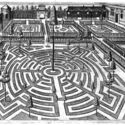
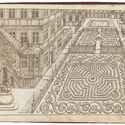
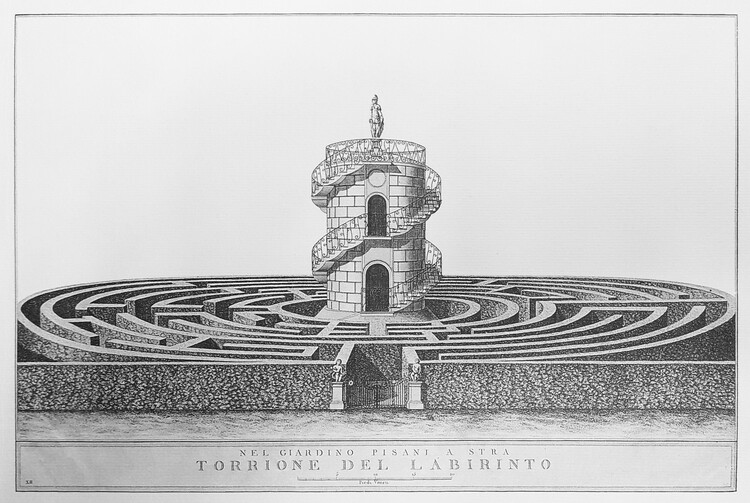
Villa Pisani, labirinto. Image Cortesia de Martins Fontes
Architecture is typically understood through principles such as order, clarity, and functionality. In O Livro dos Labirintos, Francesco Perrotta-Bosch proposes another entry point: thinking about the discipline through the labyrinth—a structure that, since its mythical origins, has operated through detours, ambiguity, and disorientation.
Drawing on the Labyrinth of Crete, attributed to Daedalus in Greek mythology, the author shifts the discussion on the origins of architecture to a realm less associated with constructive rationality and closer to spatial experience. The book's guiding question is direct: why would architecture have begun with a form that subverts linearity and legibility?
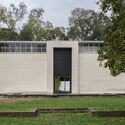
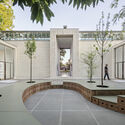
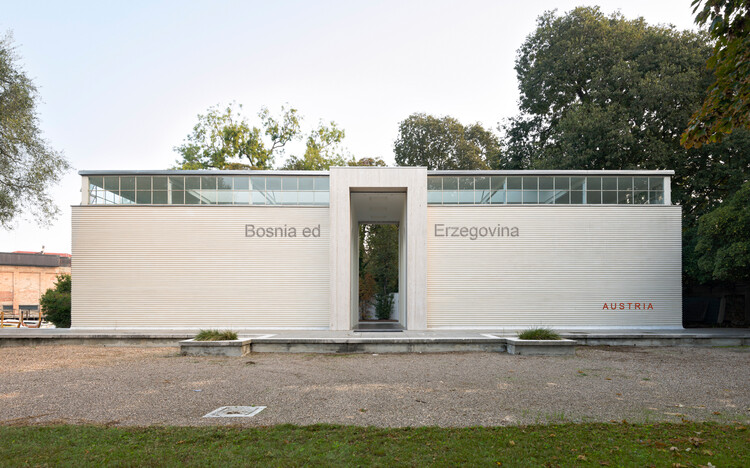
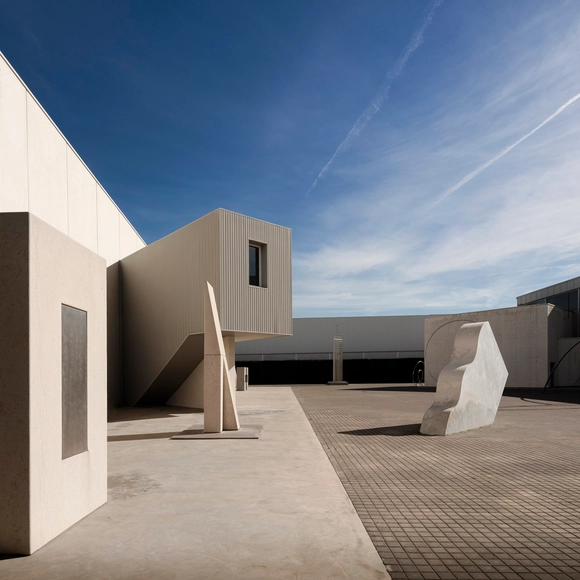
Austria has announced Koncesija / Konzession / Concession(e) as its contribution to the 20th International Architecture Exhibition – La Biennale di Venezia. Curated by architects Adna Babahmetović and Ajna Babahmetović together with curator Sebastian Höglinger, the project proposes temporarily granting the Austrian Pavilion to Bosnia and Herzegovina through a cooperative concession. Selected through Austria's open competition process, the pavilion examines questions of national representation, diplomacy, and architectural exchange by responding to the absence of a Bosnian national pavilion in the Giardini, where the Biennale's historic national pavilions are located.
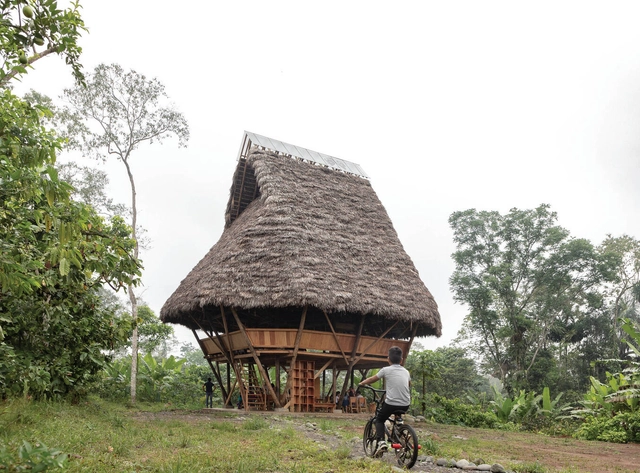
The Fondazione Teatro dell'architettura has announced the architecture firm Al Borde (Ecuador) as the winner of the 2024 BancaStato Swiss Architectural Award. Founded in Quito by Pascual Gangotena, David Barragán, Maríaluisa Borja, and Esteban Benavides, Al Borde conceives a collective approach to design and construction, paying special attention to climate variables, the involvement of local communities, traditional construction techniques, and innovation. As they state, Al Borde“inhabits the territory of questioning, where certainties about what architecture should or should not be are constantly under construction.”
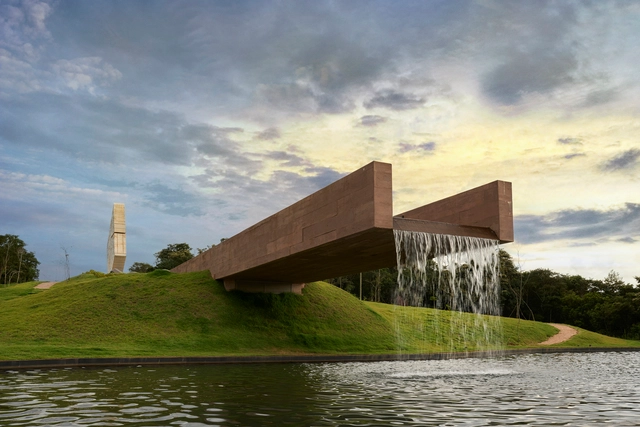
On January 25, 2025, six years after the collapse of the Córrego do Feijão mine dam in Minas Gerais, the Brumadinho Memorial was inaugurated. Designed by the firm Gustavo Penna Arquiteto & Associados (GPA&A) and built on the very site of the tragedy, the memorial was developed in collaboration with the victims' families to preserve memories, offer a space for mourning, and encourage reflection on the disaster.
https://www.archdaily.com/1080009/brumadinho-memorial-by-gustavo-penna-transforms-the-site-of-the-tragedy-into-a-space-of-remembranceArchDaily Team
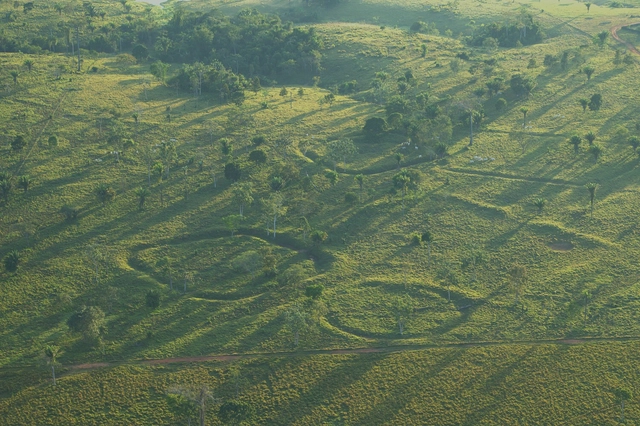
Brazil's participation in the 19th International Architecture Exhibition – La Biennale di Venezia will be marked by the exhibition (RE)INVENÇÃO, curated by architects Luciana Saboia, Matheus Seco, and Eder Alencar of the collective Plano Coletivo. The initiative, organized by the Fundação Bienal de São Paulo in partnership with the Ministries of Culture and Foreign Affairs, invites a reflection on the connections between nature and the city, exploring ancestral infrastructures and their potential reinterpretation in contemporary Brazil.
https://www.archdaily.com/1079993/brazilian-pavilion-at-the-venice-biennale-explores-ancestral-infrastructures-and-contemporary-projectsArchDaily Team
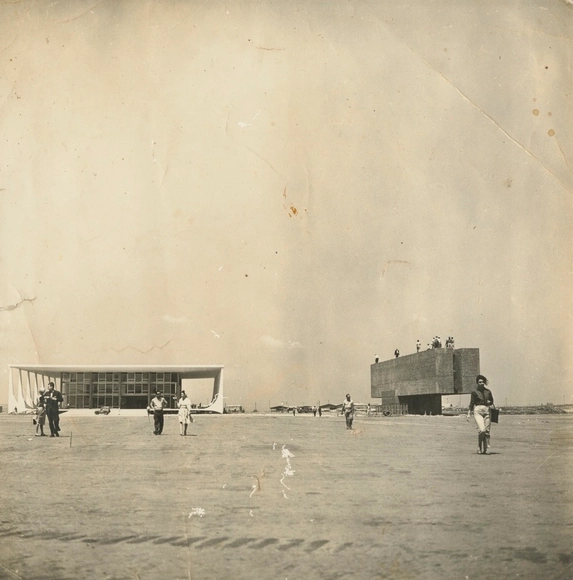
The Federal District of Brasília and Casa da Arquitectura in Portugal have signed an agreement to share the digital archive of Lucio Costa, the urban planner behind Brasília's Pilot Plan. The signing ceremony took place on February 18, 2025, at the Buriti Palace, in the presence of the governor of the Federal District, Ibaneis Rocha, the executive director of Casa da Arquitectura, Nuno Sampaio, and the Portuguese Minister of Culture, Dalila Rodrigues.
https://www.archdaily.com/1079991/federal-district-and-casa-da-arquitectura-sign-agreement-to-share-lucio-costas-digital-archiveArchDaily Team
The MArch Valencia Postgraduate School offers a unique educational proposal, featuring three postgraduate programs and two master's degrees designed to effectively connect academic knowledge with professional experience. Its teaching methodology is based on a practical approach and collaboration with renowned professionals and architecture and design studios, providing students with the necessary tools to excel in a highly competitive job market.
We invite you to participate in the ArchDaily Brasil 2025 Building of the Year Award. Now in its ninth edition, we task our readers with the responsibility of recognizing and rewarding the projects that have made the greatest impact on the profession. By voting, you become part of an impartial network of jurors recognizing the most relevant projects built in Portuguese-speaking countries over the past year. Only a few days remain in the voting stage, which will select the three winners of the ArchDaily Brasil 2025 Building of the Year Award from the 15 finalists.
Registered users can vote for their favorite project once a day. The voting stage closes on April 9 at 11:59 PM (GMT-3).
https://www.archdaily.com/1080003/last-days-to-vote-for-the-finalists-of-the-2025-archdaily-brasil-building-of-the-year-awardArchDaily Team
We invite you to participate in the ArchDaily en Español Building of the Year Award. In its sixteenth edition, we give our readers the responsibility of recognizing and rewarding the projects that have had the greatest impact on the discipline. By voting, you become part of an unbiased jury network recognizing the most relevant works built in Latin America and Spain over the past year. There are only a few days left before voting closes, where the 3 winners of the ArchDaily en Español 2025 Building of the Year Award will be selected from among the 15 finalists.
Registered users can vote for their favorite project once a day. The nomination stage ends on April 9 at 11:59 PM (GMT-3).
https://www.archdaily.com/1080008/last-days-to-vote-for-archdaily-en-espanols-2025-building-of-the-yearArchDaily Team
The Lisbon Architecture Triennale has announced the 20 studios selected for the 2025 Début Award, an initiative that recognizes emerging practices on the international stage. This edition received 75 valid applications from 28 countries — reflecting the award's diversity and global reach.
Aimed at professionals up to 40 years old, Début receives proposals through both direct application and nomination: dozens of experts in architectural criticism, curation, and practice are invited to nominate up to three names. The selection process involves three stages: a shortlist of 20, five finalists, and, ultimately, the selection of the winning practice.
https://www.archdaily.com/1079992/lisbon-triennale-announces-the-shortlist-for-the-2025-debut-award-and-unveils-a-new-trophy-designed-by-alvaro-sizaArchDaily Team
Last week, we announced the 15 finalists for the 2025 ArchDaily Brasil Building of the Year Award, which celebrates the best of Lusophone architecture by inviting our readers to vote for their favorite projects built in Portuguese-speaking countries. Now, the time has come to reveal the three grand winners!
The 8th {CURA} Award has announced the winners of its competition, which was themed around collective housing for the 21st century. The competition invited participants to reflect on new ways of living in the city, focusing primarily on issues of urban mobility, density, and bioclimatic efficiency.
Each project was evaluated individually, based on criteria such as consistency with the proposed theme; conceptual and architectural quality; creativity and critical vision in the proposed solution; suitability to the urban and territorial context; quality of graphic representation and clarity in communicating the proposal; social and environmental impact; and compliance with the competition brief. Team identities were only revealed after the jury's final decision.
https://www.archdaily.com/1079998/meet-the-winners-of-the-8th-cura-prize-collective-housing-for-the-21st-centuryArchDaily Team
Maps are fundamental tools for understanding the built environment. Rather than just representing locations, they allow us to visualize spatial relationships, recognize urban patterns, overlay layers of information, and produce new ways of reading a territory. In architecture, they can help reveal how projects are distributed across cities, identifying which areas concentrate investments or remain on the margins. Furthermore, maps are never neutral: all cartographic representation involves choices—such as data selection, spatial boundaries, and projections used—that can carry political intentions, reinforcing or questioning power structures and worldviews.
In partnership with the platform PLACE, developed by the firm OSPA, ArchDaily Brasil presents an interactive map featuring most of the projects published on the site in recent years. Each point provides information such as images, location, and technical data about the works. The initiative uses exclusively public data available on the platform and includes projects in almost every Brazilian state.
https://www.archdaily.com/1080005/place-launches-interactive-map-with-all-projects-from-archdaily-brasilArchDaily Team
At a time of profound social, spatial, and cultural change, the 12th edition of the Arquiteturas Film Festival invites reflection on how physical and symbolic borders shape the built environment, influencing daily life and collective dynamics. What role do architecture and urban thinking play in understanding this changing world?
Since the cultural center INSTITUTO took over its organization in 2021, the festival has established itself as a critical platform connecting cinema, architecture, and spatial practices to discuss urgent issues. In recent years, it has addressed migration, ecological crises, decolonization, and new ways of living. In 2025, the focus turns to the 'border' in its multiple dimensions.
https://www.archdaily.com/1080007/12th-edition-of-the-arquiteturas-film-festival-invites-reflection-on-physical-and-symbolic-bordersArchDaily Team
Mercado Urbano Tobalaba / Territoria. Image Cortesía de MUT
The Urban Land Institute (ULI), a nonprofit research and education organization dedicated to real estate and land use, announced on June 24 the ten winning projects of its 2025 ULI Americas Awards for Excellence. The awards recognize excellence in the architecture and design of urban projects, with a particular focus on their comprehensive execution, from planning to operation, including their social, environmental, and economic impact.
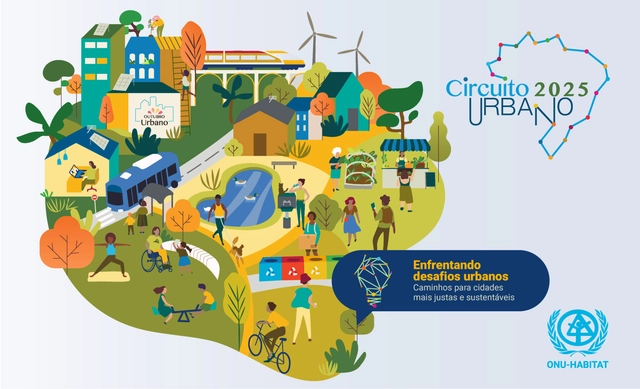
What are the main solutions applied in cities to address urban challenges and build more sustainable communities? Driven by this question, the United Nations Human Settlements Programme (UN-Habitat) is opening registrations this Wednesday (25) for the 2025 Urban Circuit. With institutional support from the Ministry of Cities, the initiative aims to support and give visibility to events discussing themes related to Urban October—a month dedicated to debating how to make cities more just, inclusive, and sustainable. The call for event proposals is open until July 18 and covers activities to be held between October 1 and 31, 2025.
This year, the Urban Circuit's theme will be "Facing urban challenges: pathways to just and sustainable cities." The initiative invites events that present experiences and best practices in addressing major urban crises, such as climate change, housing deficits, and the impacts of inequality. The goal is to strengthen initiatives that place people at the center of urban decision-making, in alignment with the commitments of the 2030 Agenda and the New Urban Agenda.
https://www.archdaily.com/1080004/un-habitat-opens-event-registration-for-the-2025-urban-circuitArchDaily Team