US-based architect and interdisciplinary designer. Master's in Architecture from the University of Pennsylvania. Interested in the intersection between art and architecture, emerging technologies, and innovative public space typologies.
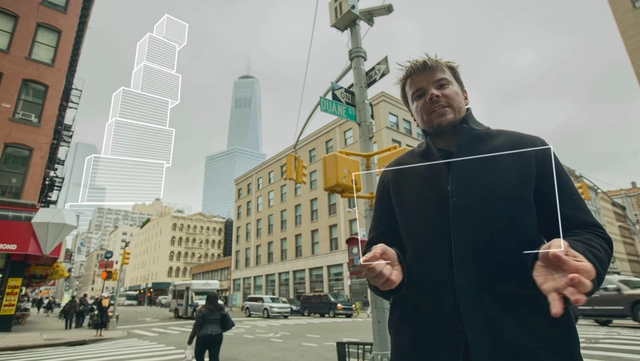
2 World Trade Center Video Clip / BIG, Squint/Opera. Image Courtesy of BIG
Architectural presentations to clients typically include renders, diagrams, and drawings. Interpreting these and envisioning the final product requires imagination and architectural insight to fill in the gaps and visualize a final product. BIG and Squint/Opera, a partnership between an architectural powerhouse and a creative digital studio, explore innovative methods to convey spatial and architectural design beyond traditional means. They reimagine architectural storytelling beyond static 2D visuals through cutting-edge video production and immersive technology, enabling clients and the general public to fully experience their futuristic visions of city planning and architectural design. Their notable collaborations include the video production for the Toyota Woven City Project and the creation of the VR collaborative design tool HyperForm.
In a conversation with ArchDaily, Daniel Sundlin, partner at BIG, and Matt Quinn, Commercial Director at Squint/Opera, discuss their insights on the future of architectural digital storytelling.
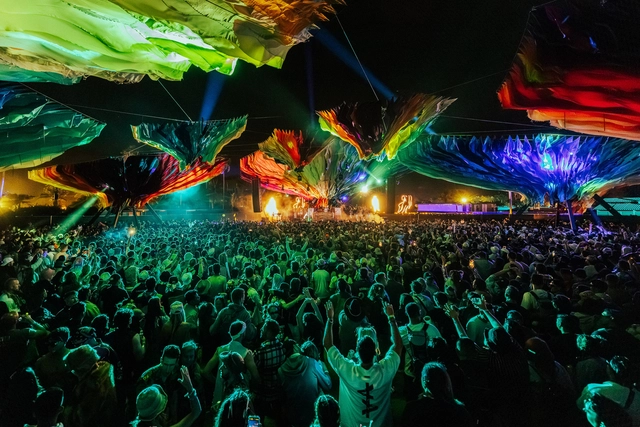
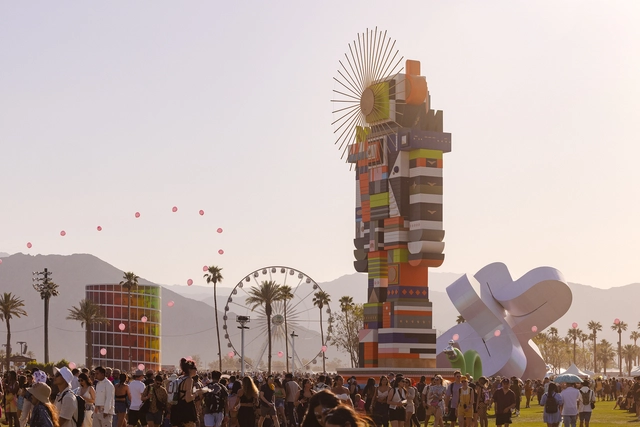
Do Lab Stage at Coachella Valley Music and Arts Festival / Do Lab. Image Courtesy of Do Lab
Music consumption has historically been closely connected to the environments in which it is enjoyed. Before the advent of music recordings, listening to music was a social activity tied to collective rituals in physical spaces, such as concerts or smaller communal gatherings. With the development of music records and now with the current availability of virtually any kind of music at our fingertips, experiencing music has become a more solitary and routine endeavor. However, returning to the roots of communal musical experiences may unlock numerous benefits much needed in our isolating digital age. These collective musical events have the potential to significantly enhance a community's social cohesion and improve their mental health through memorable shared experiences.
The physical aspect of these is not to be underestimated. It's where innovative design and architecture step in, transforming mere spaces into catalysts for curiosity, transcendence, and collective joy. By harnessing emerging technology and fostering interdisciplinary collaboration, designers and architects can create environments that elevate concerts and music rituals into transformative and grounding moments.
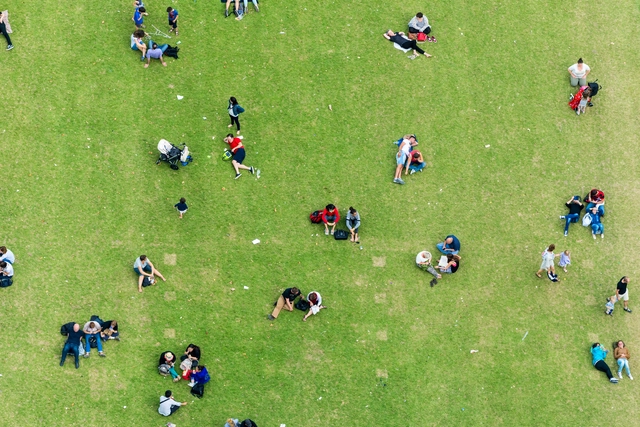
Social infrastructure encompasses the resources and services that allow the creation of communal bonds and social connections. Within the built environment, it manifests through public spaces like parks, libraries, and community centers alongside threshold spaces such as public transportation stops.
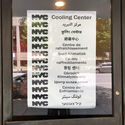
These public social spaces play a crucial role in strengthening communities and, in turn, their ability to respond to catastrophic climate-related events. They can provide physical shelter to the populations most vulnerable to these events and foster resilient networks of people who can more quickly recover. Given the escalating frequency of extreme weather events in the United States due to climate change and its social infrastructure inadequacies, examining public spaces as a critical tool for climate resilience becomes vital.
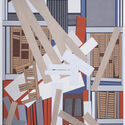
Art can be a catalyst for architects to see the built environment through a different lens. It provides a unique opportunity to delve into the viewpoints of trained architects who have transitioned into the visual arts and artists who explore cities and their inner workings through their personal stories.
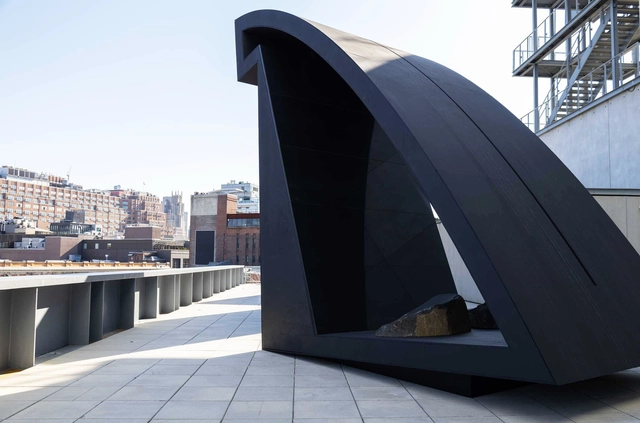
Located in New York City, the Whitney Biennial is considered the most important and longest-running survey of contemporary art in the United States. Along with the Venice Biennale, it is considered one of the world's most important recurring art exhibitions. This year's theme, "Even Better Than the Real Thing," delves into concepts of identity and bodily autonomy, amplifying the voices of those historically marginalized. This includes looking at stories that study the connection between personal narratives and growing feelings of precariousness surrounding the constructed world. These are artists from this year's Whitney Biennial touching on topics related to architecture and cities.
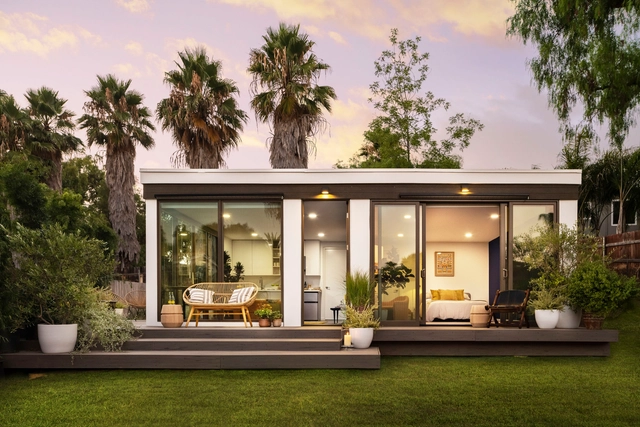
As construction materials costs increase, builders and developers are seeking alternatives to traditional home construction methods to address housing shortages. In response, an expanding construction technology field is the 3D printing sector. This technology promises quicker, cheaper construction and the potential to extrude local and recycled materials. However, due to the slow-changing nature of the construction industry, a radical shift involving large-scale 3D-printing machines on-site and a complete overhaul of the construction process seems unlikely shortly.
Prefabricated 3D printing modular housing offers a compelling solution, providing the benefits of 3D printing advancements while leveraging standard construction machinery and labor. In off-site 3D-printed construction, there is no need to transport massive 3D-printing machines on-site. Instead, components are printed in a controlled environment and then assembled on-site. These types of 3D-printed residential modular kits of parts are already being manufactured and are attracting significant investment.
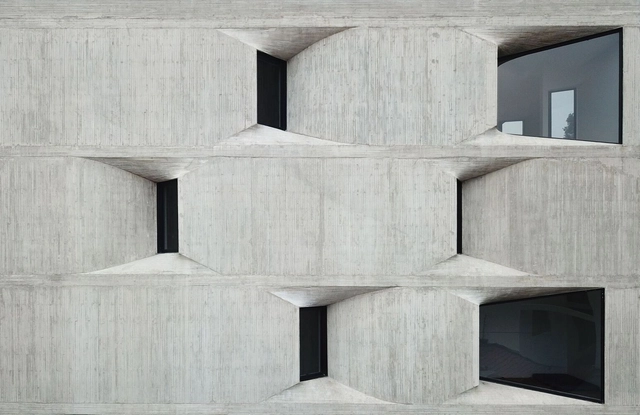
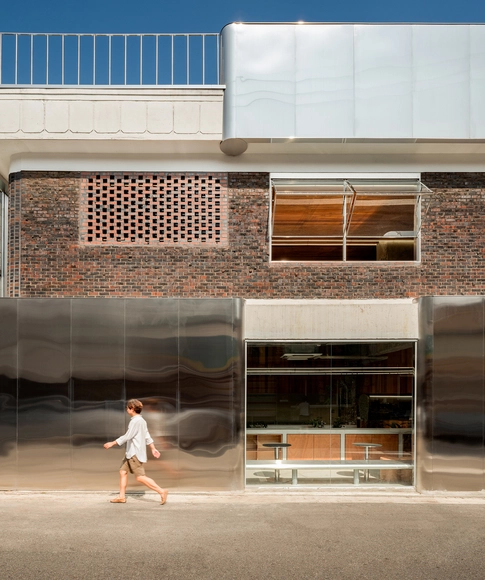
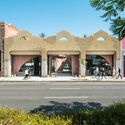
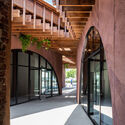
Formally, transparency usually takes the shape of a window, a door, a curtain wall, or a skylight. These are commonly created through rectangular punched openings or in the form of glass curtain wall systems or translucent screens. The following projects play with traditional notions of transparency and window-making in playful and unconventional ways. They create visually striking facades and dynamic relationships between their exterior and interior. They filter light and frame views through their glazing and opening articulation to craft memorable architectural experiences.
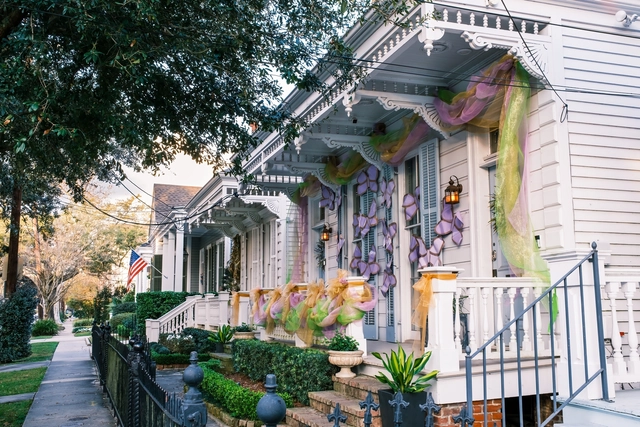
Porches in New Orleans. Image via William A. Morgan / Shutterstock
Positioned between the streetscape of a neighborhood and the privacy of the interior of a house lies the porch. Taking on the role of an entrance, a window to ponder out of, a gathering spot, and a stage, the porch has come to represent community and identity for many neighborhoods in the United States. Made of various stylistic elements of different sizes and shapes, these tie together neighborhoods by creating an interstitial space between the home and the street, weaving together the family life inside the house and the public life outside it, and creating a space between the private and public for both serendipitous encounters and for pausing. The porch has often been displayed in film and literature as the stage of profound and life-changing conversations, representing a comfortable threshold between the domestic and public realm in which to linger.
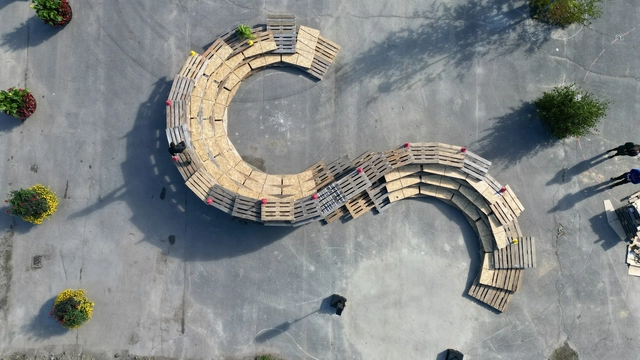
Pallet Parliament / Alejandro Haiek, Rebecca Rudolph, and Raffaele Errichiello. Umeå, Sweden 2022 Photo: Kent Brodin. Image Courtesy of Alejandro Haiek Coll
Architecture practices usually start their design process with a client, who provides a program and a site. Alejandro Haiek, founder of The Public Machinery, approaches things differently. The Public Machinery describes itself as a network of architects and designers working collectively, actively observing, imagining, and proposing public urban interventions themselves. Their proposals are at the intersection of art, architecture, and engineering and weave community engagement, ecology, and new technologies into innovative forms of social infrastructure. They secure funding through research and public grants, enabling them to create public spaces that defy expectations in both their design process and in the form their projects take.
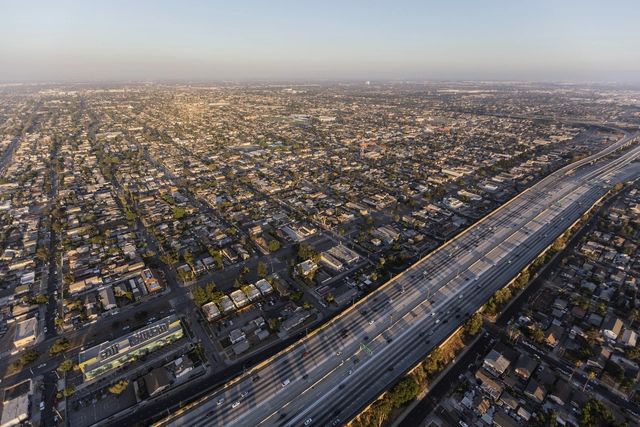
Los Angeles Aerial. Image via trekandshoot / Shutterstock
Cities in the United States are short of millions of housing units. Compounded by other factors, this shortage is radically increasing the cost of both renting and buying houses. Los Angeles is no exception; with 74% of its land zoned exclusively for single-family homes, multifamily housing construction is limited to an extremely small swath of the city, making the construction of new affordable housing difficult. Complex multi-year permit approval processes often make these projects even less feasible.
That's why, in December 2022, Mayor Karen Bass took a drastic approach by declaring a state of emergency to speed up approval for affordable housing projects, allowing developers to expedite rent-stabilized projects through fast permitting times and exemptions from zoning rules. Executive Direction (ED1) created a surge of affordable housing applications, surprisingly not just from developers using public money but from private ones.
In recent decades, the term "adaptive reuse" has gained tremendous popularity as an eco-friendly construction approach. But what if there was something more poetic about reframing a space and its stories for new users? These architects show that once-deemed disposable facades, walls, and textures can obtain new meaning through bold and clever juxtapositions. These adaptations proudly display their conversions and layers of historical patina under them as a batch of honor and speak to the permanence of buildings and their impermanence in use and interpretation. Through subtle formal moves and daring material choices, they transformed structures that would have been otherwise demolished and reimagined them in new and intriguing ways.
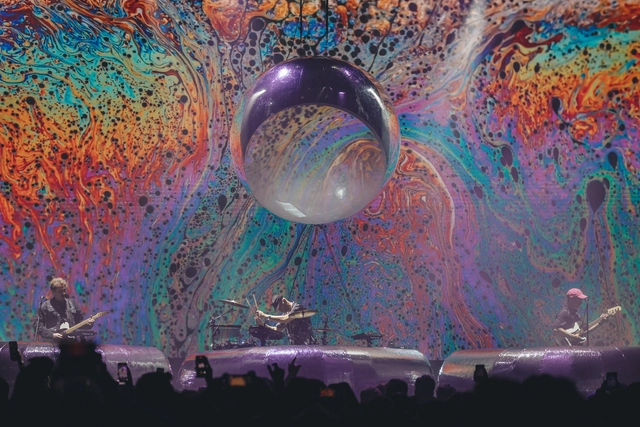
Immersive spaces are heavily sensorial environments meant to create impactful experiences crafted through intentionally curated architecture, light, imagery, sound, and sometimes even smell. To "immerse" oneself is to be wholly enveloped in a world shaped solely by immediate sensory input. Using digital tools to craft these environments to showcase art, create compelling exhibitions, and feature performance events has become increasingly popular. Evocative experiences like these can offer a respite from the inundation of personalized digital content and foster shared, grounding encounters. The design of these can exist at the intersection of architecture, graphic design, visual art, lighting design, music, and performance. They underscore the power of interdisciplinary collaboration to craft memorable moments. So, what role does architecture play in shaping these?
Opt Oog Column / Blast Studio. Image Courtesy of Blast Studio
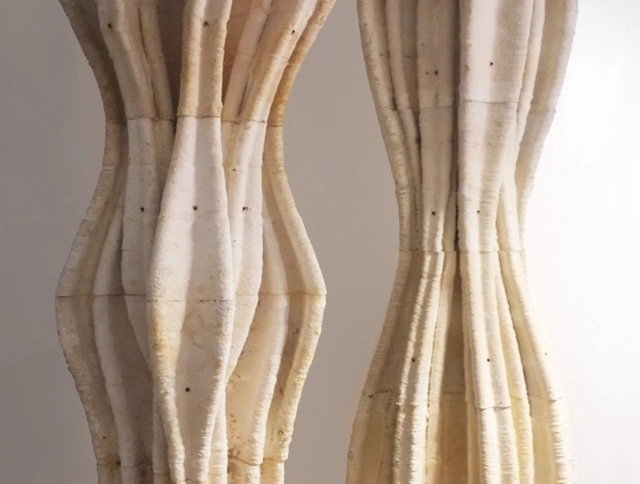
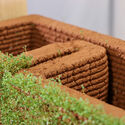
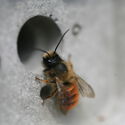
In architectural design, our interactions with non-human organisms have predominantly involved creating barriers to exclude them from the human realm. What if we were to adopt a different approach? Interspecies design is a movement that puts non-human organisms—fungi, insects, and various animals—on an equal footing with humans. This design philosophy provides frameworks that foster non-hierarchical relationships with other species. By doing so, it cultivates empathy for other life forms and shifts our perspective on the world around us. It aims not only for a net-zero approach but also seeks collaboration with non-human organisms to develop environments beneficial to all. Below, explore some emerging material technologies designed to benefit both humans and other life forms.
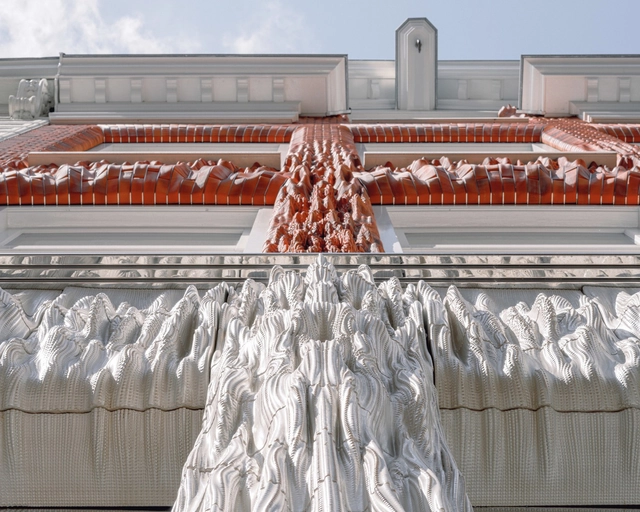
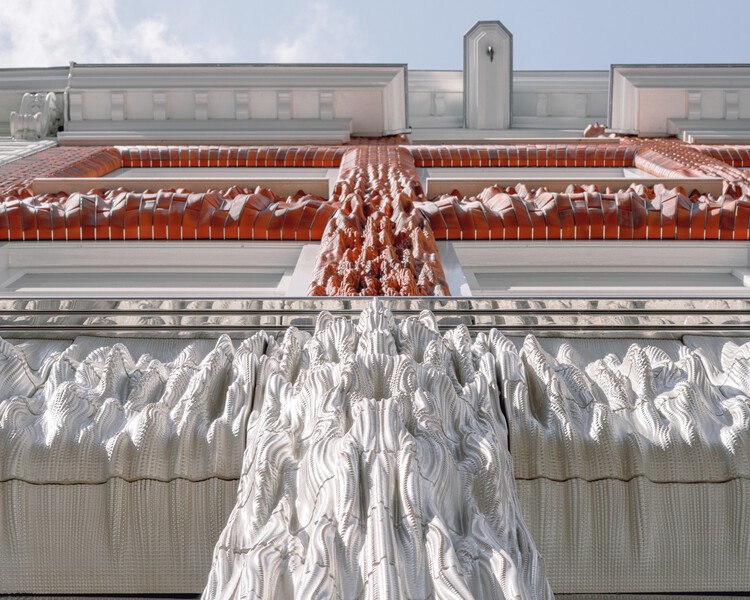
Advancements in 3D printing technology are progressing at an unprecedented pace, accompanied by a parallel surge in computational power for manipulating and creating intricate geometries. This synergy has the potential to offer architects an unprecedented level of artistic freedom in regards to the complex textures they can generate, thanks to the technology's remarkable high resolution and rapid manufacturing capabilities. If the question of production was out of the way, and architects could now sculpt virtually anything into a facade effectively and efficiently, what would they sculpt?
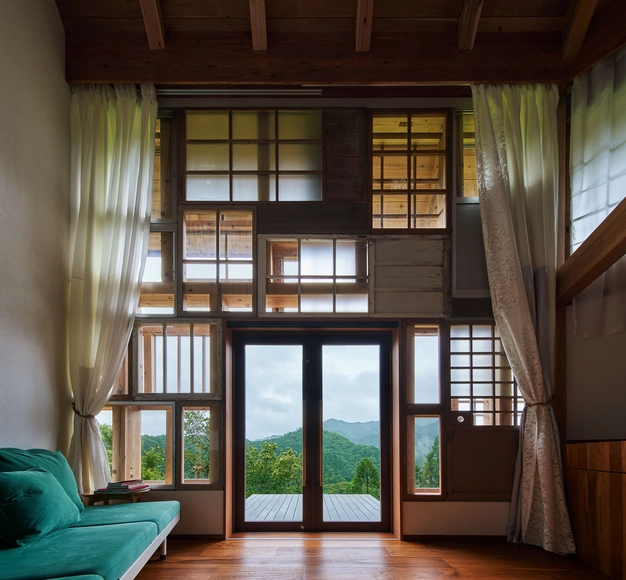
A vital aspect of a circular economy lies in shifting our view of waste. Labeling an item "waste" implies voiding its value and ending its useful role in a traditionally linear economy. While the item might be out of sight and out of mind, its life continues in the landfill. This shift in perspective regarding waste means opening our minds to the opportunity that the abundance of junk presents. These designers and architects have managed to not only effectively reclaim discarded objects but also to make them look precious, imbuing them with new meaning and value through their careful curation.
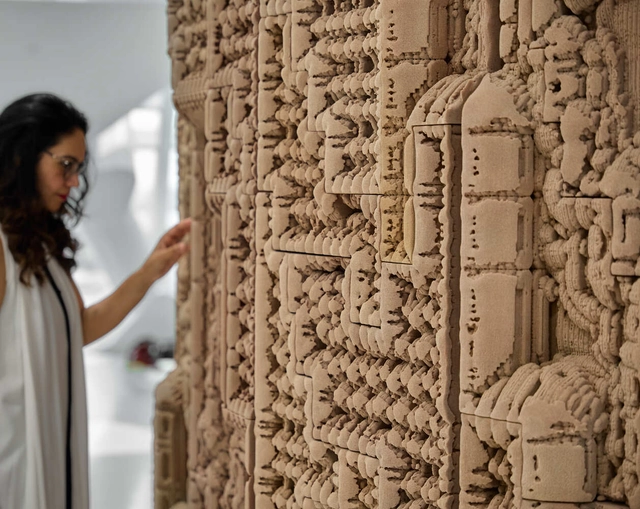
3D printing holds vast potential due to its ease of large-quantity manufacturing, its flexibility in terms of material exploration, and its ability to materialize all kinds of geometries. This year, architects and designers have looked at 3D printing technology to decarbonize construction materials, integrate contemporary aesthetics with traditional construction methods, and add a layer of craft and artistry to interiors and facades.
Music Festivals can provide artists, designers, and architects a platform to present their work to large crowds. The sheer scale of these installations, the space for artistic exploration, and the vast audience they reach can give designers the opportunity of a lifetime to showcase their ideas. Through scale, color, imagery, and lighting, these installations create lasting impressions on the people who attend these events and those who see them through news coverage or social media. Some themes explored this year included reframing familiar things in unfamiliar ways, large-scale abstract geometries at the intersection of technology and art, and the use of innovative new materials.