Carla Bonilla Huaroc

US-based architect and interdisciplinary designer. Master's in Architecture from the University of Pennsylvania. Interested in the intersection between art and architecture, emerging technologies, and innovative public space typologies.

BROWSE ALL FROM THIS AUTHOR HERE

Reclaiming Waterfronts: Turning Barren Shipping Ports Into Iconic Public Spaces

Subscriber Access | 

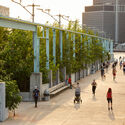
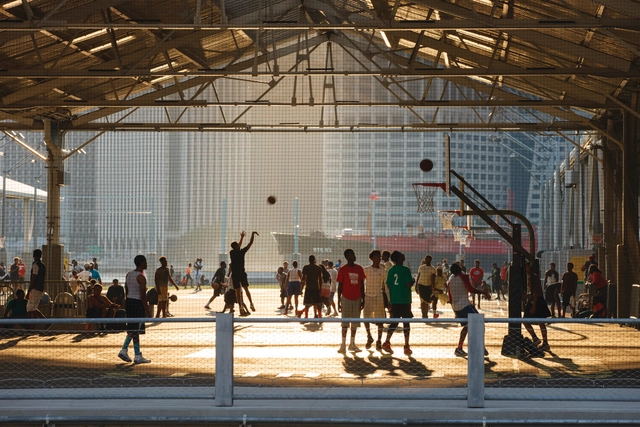
Beautiful sites with stunning views along the waterfront of major cities often go unused due to the industrial remains of a past economy based on shipping and manufacturing. The move away from these economic sectors and the potential of these sites has contributed to a move to adapt these spaces into public amenities. While some cities' approach has been to demolish and start from scratch completely, the thirteen-year transformation of the Brooklyn Bridge Park in New York City's waterfront included keeping some of its industrial character. In their upcoming book "Brooklyn Bridge Park," Michael Van Valkenburgh Associates discuss their design process, including using the existing materiality and structures along the piers to embed the site's history in the park.

Reclaiming Waterfronts: Turning Barren Shipping Ports Into Iconic Public Spaces - Image 1 of 4Reclaiming Waterfronts: Turning Barren Shipping Ports Into Iconic Public Spaces - Image 2 of 4Reclaiming Waterfronts: Turning Barren Shipping Ports Into Iconic Public Spaces - Image 3 of 4Reclaiming Waterfronts: Turning Barren Shipping Ports Into Iconic Public Spaces - Image 4 of 4Reclaiming Waterfronts: Turning Barren Shipping Ports Into Iconic Public Spaces - More Images+ 5

Exploring the Bay State Cohousing Model: A Unique Approach to Multi-Family Housing

Subscriber Access | 

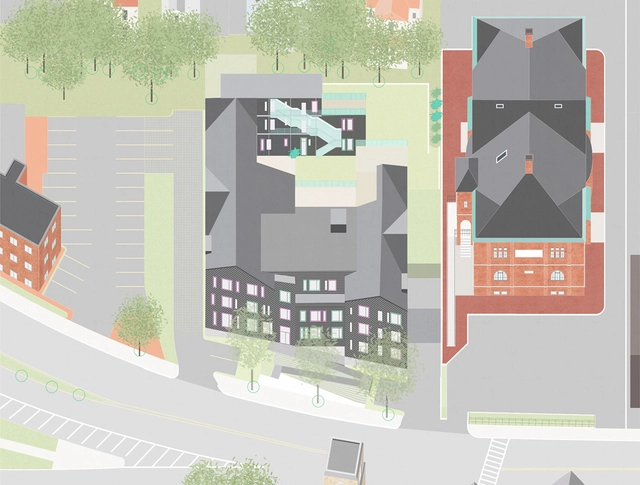
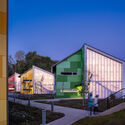
In Greater Boston's city of Malden, Massachusetts, an inter-generational community of thirty households hired an architecture firm and collectively designed their cohousing community. Responding to the cohousing community's request for collective living in an urban setting, French2D designed a typology-challenging building with individual residential units connected by a framework of shared spaces. The result is a 48,700 sqft unique and colorful type of multi-family housing. It is one of a growing number of cohousing projects in the United States.

Exploring the Bay State Cohousing Model: A Unique Approach to Multi-Family Housing - Image 1 of 4Exploring the Bay State Cohousing Model: A Unique Approach to Multi-Family Housing - Image 2 of 4Exploring the Bay State Cohousing Model: A Unique Approach to Multi-Family Housing - Image 3 of 4Exploring the Bay State Cohousing Model: A Unique Approach to Multi-Family Housing - Image 4 of 4Exploring the Bay State Cohousing Model: A Unique Approach to Multi-Family Housing - More Images+ 3

Digital Art and Architecture: Beyond Billboards and Spheres

Subscriber Access | 

In July, Las Vegas unveiled an extravagant spectacle - a colossal LED-wrapped spherical structure, standing 366 feet tall and 516 feet wide. This entertainment event venue instantly captured the public's gaze, becoming a local landmark and attracting global attention through extensive news coverage. Similar spherical concepts have been proposed in London and at a smaller scale in Los Angeles. These massive display structures open up questions about facades as digital canvases. What role can architecture take as an urban canvas other than as a billboard? And what are different ways for architecture to engage the public through digital art besides gigantic LED spheres?

Digital Art and Architecture: Beyond Billboards and Spheres - Image 1 of 4Digital Art and Architecture: Beyond Billboards and Spheres - Image 2 of 4Digital Art and Architecture: Beyond Billboards and Spheres - Image 3 of 4Digital Art and Architecture: Beyond Billboards and Spheres - Image 4 of 4Digital Art and Architecture: Beyond Billboards and Spheres - More Images+ 2

Reshaping U.S. Downtowns: Momentum Grows for Office-To-Housing Transformations

Subscriber Access | 

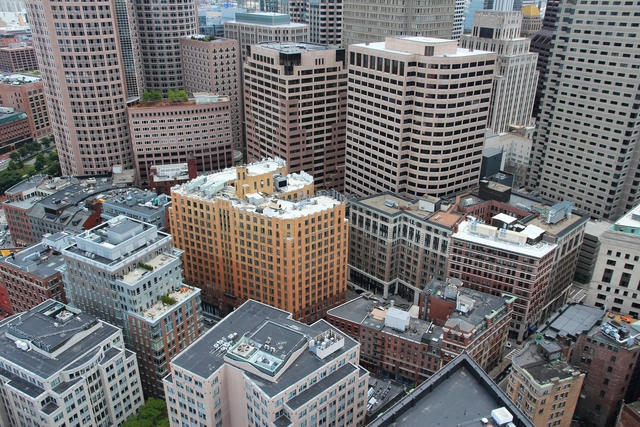
Cities across the US are struggling to fill their office spaces. Major cities like Washington DC, Boston, and San Francisco have increasingly vacant downtowns, while the urban centers of small Rust Belt cities struggle to survive altogether. This trend is consistent beyond the US, with over three-quarters of Europe’s office buildings at risk of obsolescence by the decade’s end. The cause of this, in most cases, is simple: an oversupply of offices and a shift towards remote work. These vacant buildings can trigger a negative domino effect of economic and social challenges for cities, and their surplus, coupled with a housing shortage, has sparked discussions among cities and architects about the impending necessity to transform offices into housing.

Reshaping U.S. Downtowns: Momentum Grows for Office-To-Housing Transformations - Image 1 of 4Reshaping U.S. Downtowns: Momentum Grows for Office-To-Housing Transformations - Image 2 of 4Reshaping U.S. Downtowns: Momentum Grows for Office-To-Housing Transformations - Image 3 of 4Reshaping U.S. Downtowns: Momentum Grows for Office-To-Housing Transformations - Image 4 of 4Reshaping U.S. Downtowns: Momentum Grows for Office-To-Housing Transformations - More Images+ 2

How NYC Plans to Deal With Rainstorms: Global Precedents

Subscriber Access | 

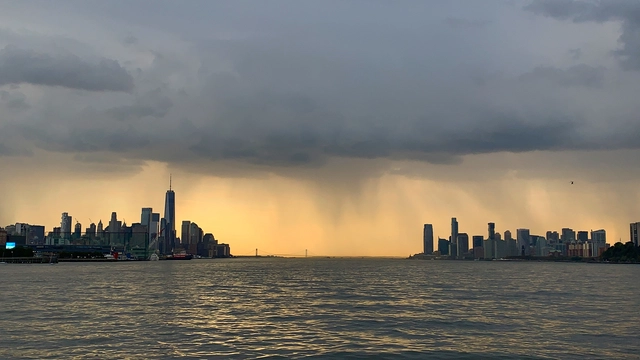
In September of this year, New York City experienced a severe storm that inundated its streets with more than 7 inches of rain in less than 24 hours, causing a number of roads to close, cars to submerge, and buses to get trapped. This event again highlighted the city's old infrastructure's inability to handle fast and heavy rainfall. As climate change intensifies, experts warn that such extreme weather events will become increasingly frequent. This vulnerability is especially concerning in densely populated urban areas such as New York City, where flooding risks increase due to the large amounts of impervious surfaces.

How NYC Plans to Deal With Rainstorms: Global Precedents - Image 1 of 4How NYC Plans to Deal With Rainstorms: Global Precedents - Image 2 of 4How NYC Plans to Deal With Rainstorms: Global Precedents - Image 3 of 4How NYC Plans to Deal With Rainstorms: Global Precedents - Image 4 of 4How NYC Plans to Deal With Rainstorms: Global Precedents - More Images

Affordable Housing in Portland: 3 Innovative Approaches to Design and Construction

Subscriber Access | 

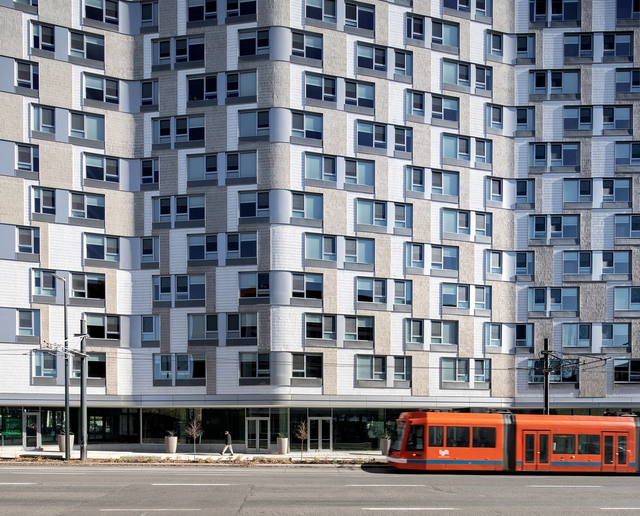
Despite the bad reputation of public housing in the United States, organizations, planners, and architects in Portland, Oregon are determined to create affordable housing that does not sacrifice quality or aesthetic appeal. While Portland has developed a bad reputation regarding its homelessness problem, in the past four years resources have flowed in the right direction, and designers have taken this in stride to design livable and striking buildings, within very restrictive budgets. Through innovative and creative approaches to construction and design, these organizations and designers have utilized federal, state, and city resources to make these types of projects a reality.

Affordable Housing in Portland: 3 Innovative Approaches to Design and Construction - Image 1 of 4Affordable Housing in Portland: 3 Innovative Approaches to Design and Construction - Image 2 of 4Affordable Housing in Portland: 3 Innovative Approaches to Design and Construction - Image 3 of 4Affordable Housing in Portland: 3 Innovative Approaches to Design and Construction - Image 4 of 4Affordable Housing in Portland: 3 Innovative Approaches to Design and Construction - More Images+ 4