1. ArchDaily
  2. News

News

Architecture and Nature: How Architecture Can Draw Inspiration From Natural Elements

Subscriber Access | 

Nature is often used as an inspirational source for architecture. Whether from its shapes, the extraction and use of its materials, or even the incorporation of physical and chemical processes in the technologies used, it is always relevant to look for relations between the built environment and the natural environment. Of the many ecosystems present on planet Earth, the oceans represent most of the surface and hold stories, mystiques, symbols and shapes that can be referenced in architecture.


Architecture and Nature: How Architecture Can Draw Inspiration From Natural Elements - Image 1 of 4Architecture and Nature: How Architecture Can Draw Inspiration From Natural Elements - Image 2 of 4Architecture and Nature: How Architecture Can Draw Inspiration From Natural Elements - Image 3 of 4Architecture and Nature: How Architecture Can Draw Inspiration From Natural Elements - Image 4 of 4Architecture and Nature: How Architecture Can Draw Inspiration From Natural Elements - More Images+ 8

Ecological Control and the Garden City: Utopia for Whom?

Subscriber Access | 

At the turn of the 19th century, a British publishing house would release a book written by an English urban planner – a book with an optimistic title. The title of this book was To-morrow: A Peaceful Path to Real Reform, later reprinted as Garden Cities of To-morrow. The English urban planner in question was Ebenezer Howard – and this book would lay the foundations for what would later become known as the Garden City Movement. This movement would go on to produce green suburbs praised for their lofty aims, but it would also produce satellite communities that only catered to a privileged few.

Ecological Control and the Garden City: Utopia for Whom? - Image 1 of 4Ecological Control and the Garden City: Utopia for Whom? - Image 2 of 4Ecological Control and the Garden City: Utopia for Whom? - Image 3 of 4Ecological Control and the Garden City: Utopia for Whom? - Image 4 of 4Ecological Control and the Garden City: Utopia for Whom? - More Images+ 8

Democratizing Architecture vs. Aesthetic Apartheid Architecture

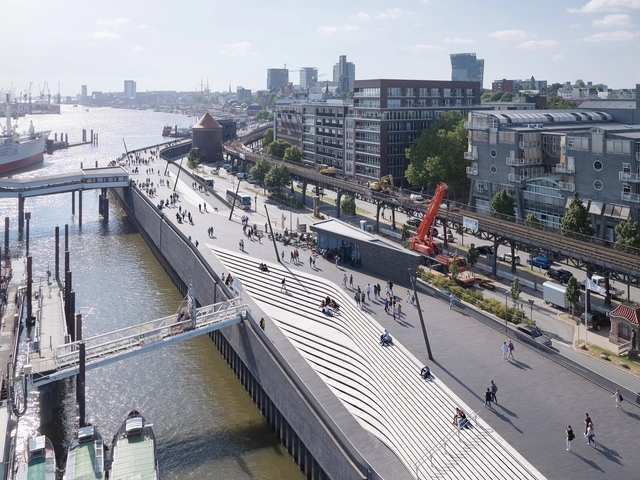
Architecture has long been a profession in aesthetic apartheid. The profession’s favored aesthetic, Modernism, has relegated all other “styles” to marginalized insignificance in laud, teaching and publication. The last generation has seen those following an aesthetic deemed “traditional” create an entirely separate system of schools, awards and publication.

Democratizing Architecture vs. Aesthetic Apartheid Architecture - Image 1 of 4Democratizing Architecture vs. Aesthetic Apartheid Architecture - Image 2 of 4Democratizing Architecture vs. Aesthetic Apartheid Architecture - Image 3 of 4Democratizing Architecture vs. Aesthetic Apartheid Architecture - Image 4 of 4Democratizing Architecture vs. Aesthetic Apartheid Architecture - More Images+ 2

Styling Interiors with Design Icons: Eames, Breuer, Jacobsen, & Bellini

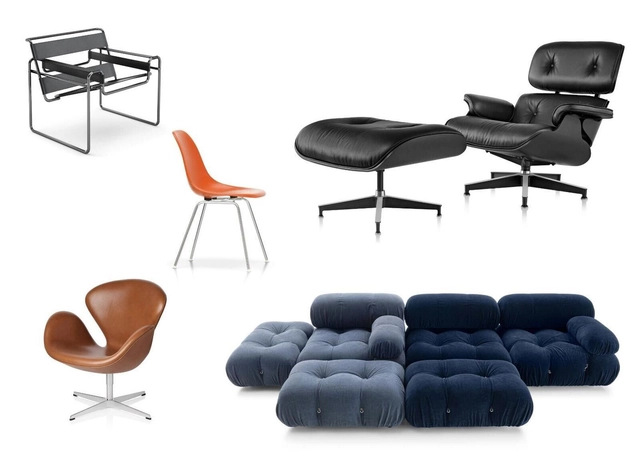
In a way, classic furniture is like a mixture between a work of art and a gold bar: it is a safe investment and can often even increase in value with age. In our second selection of design icons from the 20th century, we present Ray and Charles Eames, Marcel Breuer, Arne Jacobsen and Mario Bellini and some furniture pieces from the past century that remain more modern today than ever, in terms of not only design but also comfort. Find out more on the Architonic Platform.

What Role Do Materials and Construction Systems Play in Democratizing Architecture?

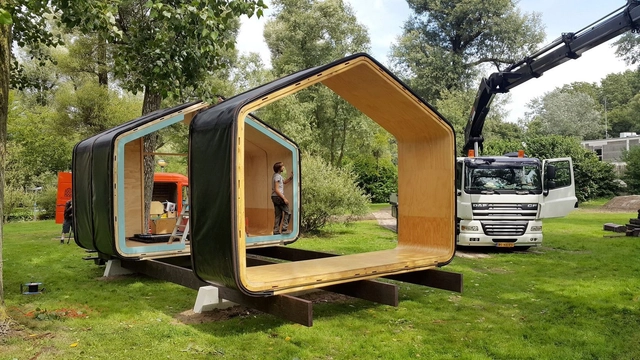
“Architecture does not change anything. It’s always on the side of the wealthy.” With these words, Oscar Niemeyer referred to architecture as being a privilege mostly destined to the upper class – a statement that has historically proven to be true, even as some would like to deny it. Today, only 2% of all houses around the world are designed by architects. This is largely due to the fact that, to the average consumer, architect-designed homes continue to be perceived as expensive and esoteric products available only to this select few; a luxury that many cannot fathom to afford, especially as housing prices rise. Ultimately, this makes good design inaccessible for certain segments, forcing them to settle for precarious living conditions in standardized spaces that fail to take their needs into account (that is, if they even have access to housing).