

This guide explains how to structure multi-image prompts in the RunDifussion platform. Explore RunDifussion's product catalog.
News
How to Prompt and Annotate Multiple Images with AI
| Sponsored Content
https://www.archdaily.comhttps://www.archdaily.com/catalog/us/products/38860/how-to-prompt-and-annotate-multiple-images-with-ai-rundiffusion
Rethinking Public Space Through a Skateboarder’s Eyes
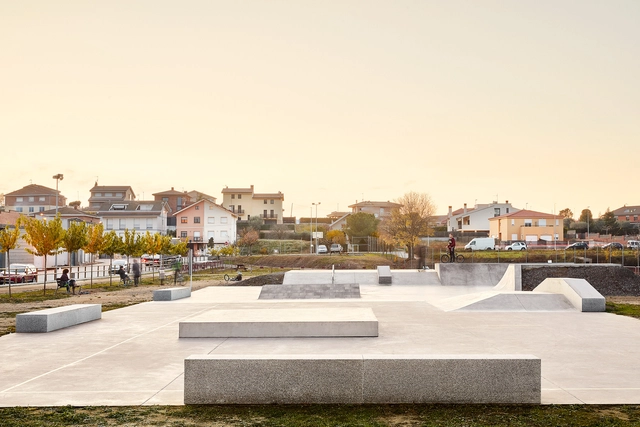
Created by California surfers who wanted to bring the lines of surfing onto asphalt, skateboarding soon outgrew its role as a simple alternative for flat days. It established itself as a practice that reads the city through a different logic, reinterpreting steps, handrails, walls, and interstitial spaces as possible lines, challenges, and opportunities. Over time, it evolved into a global urban culture, a way of inhabiting and transforming public space through movement. What was once marginal has become a catalyst for urban activation, community building, and new uses for overlooked spaces. At its core, skateboarding reveals how many cities coexist within the same city, depending on who moves through them and how each person is able to reinterpret their surroundings.
https://www.archdaily.com/1036121/rethinking-public-space-through-a-skateboarders-eyesEduardo Souza
Light, Material, Reaction: How Active Surfaces® Transform Cybernet Systems’ Tokyo Headquarters
| Sponsored Content
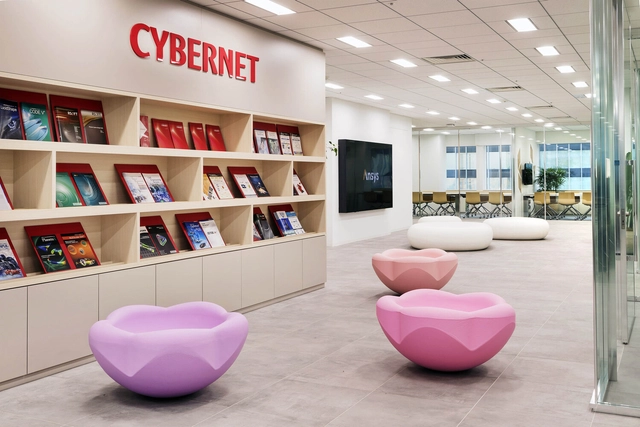
The new headquarters for Cybernet Systems was designed around the Japanese architectural concept of flexibility, promoting well-being, collaboration, and productivity. As a global leader in Computer-Aided Engineering, supporting industrial production through advanced digital solutions, the headquarters, located in the Fuji Soft Akihabara Building in Tokyo, embodies the company's commitment to creating a dynamic, technology-driven community.
Developed by MB-AA (Matteo Belfiore Architect & Associates) and Shukoh, in collaboration with Cybernet Systems, the project translates corporate values into spatial design. Minimalism, natural light, and openness define the environment. Transparent partitions and adaptable layouts foster communication while allowing each employee to personalize their workspace. Well-being, creativity, flexibility, and technology form the core of the project.
https://www.archdaily.com/1035865/light-material-reaction-how-active-surfaces-r-transform-cybernet-systems-tokyo-headquartersRene Submissions
The European Cultural Centre Announces the Winners of the ECC Awards 2025 in Venice
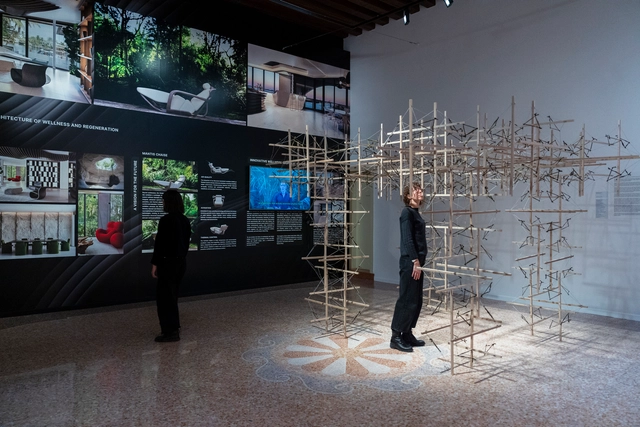
The European Cultural Centre (ECC) has announced the winners of the ECC Awards 2025, selected from participants of the seventh edition of Time Space Existence and unveiled during the exhibition's Closing Day on 23 November 2025 in Venice. Bringing together 207 practices from more than 52 countries, this year's edition highlighted a broad spectrum of architectural and design approaches responding to the themes of Repair, Regenerate, and Reuse. The awards recognise four projects that stood out for their originality, execution, narrative clarity, and forward-looking engagement with questions of sustainability, community, and the future of the built environment.
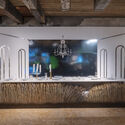


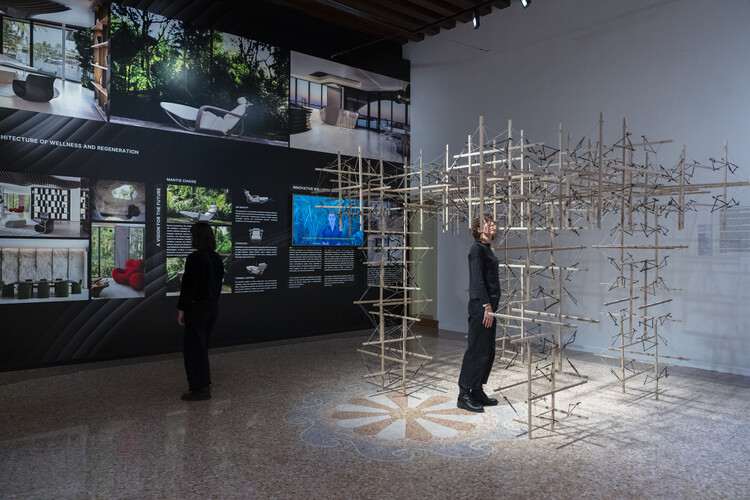
https://www.archdaily.com/1036344/the-european-cultural-centre-announces-the-winners-of-the-ecc-awards-2025-in-veniceReyyan Dogan
COP30 Outcomes for the Built Environment: From Sustainable Cooling to Climate Adaptation Commitments
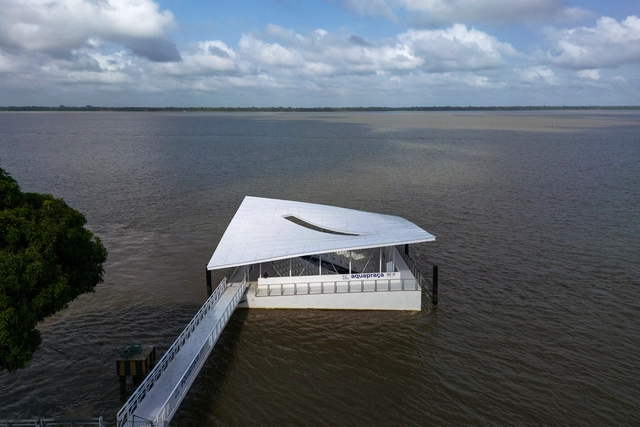
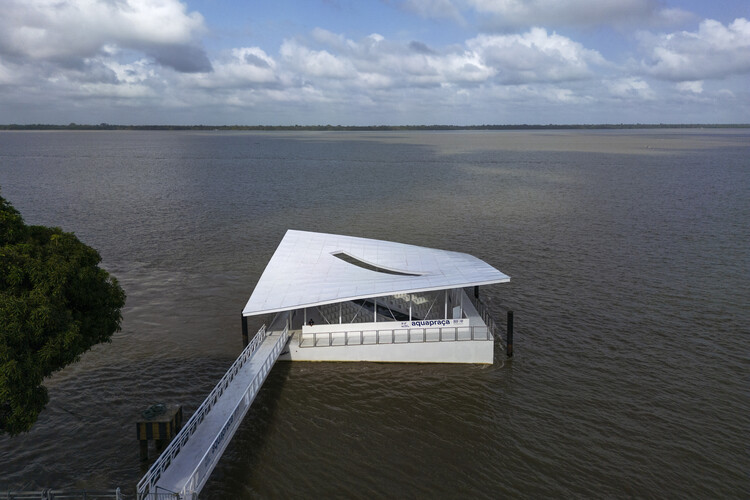
On November 21, 2025, the closing day of the 30th edition of the Conference of the Parties (COP) took place, the yearly gathering of United Nations member states to negotiate international climate agreements and assess global progress toward emissions reduction. This year, the event was held in Belém, Brazil, a port city of fewer than 1.5 million people, widely known as a gateway to Brazil's lower Amazon region. First convened in 1992, UN Climate Change Conferences (or COPs) are an international multilateral decision-making forum on climate change involving 198 "Parties" (197 countries, nearly all of them, depending on definitions of country, and the European Union). Their purpose is to assess global efforts toward the central Paris Agreement aim of limiting global warming to as close as possible to 1.5 °C above pre-industrial levels. The event brings together leaders and negotiators from member states, business figures, young people, climate scientists, Indigenous Peoples, and civil society around issues considered essential to that climate goal. This year, COP30 was marked by strong criticism of its ties to the fossil fuel industry, descriptions of agreements as fragile and insubstantial, and the struggle to move climate finance "from pledge to lifeline."


https://www.archdaily.com/1036340/cop30-outcomes-for-the-built-environment-from-sustainable-cooling-to-climate-adaptation-commitmentsAntonia Piñeiro
Imagining a World Without Limits: Orama Minimal Frames at BAU Munich 2025
| Sponsored Content

The prestigious BAU Munich, the world's leading trade fair for architecture, materials, and systems, served as the stage for Orama Minimal Frames' latest innovations in architectural frame technology. The exhibition offered a platform for industry connections and showcased advancements that challenge conventional boundaries in frame design.
https://www.archdaily.com/1035507/imagining-a-world-without-limits-orama-minimal-frames-at-bau-munich-2025Rene Submissions
The Venice Biennale Over Time: Classic Projects and Stories from Architecture’s Most Iconic Exhibition

Since 1895, the Venice Biennale has invited the world to witness the evolving landscape of contemporary art. In 1980, the event expanded its reach with the launch of the Architecture Biennale, which quickly became one of the discipline’s most influential global platforms. Today, alternating annually between contemporary art and architecture, the Biennale affirms itself as a space where disciplines and ideas intersect. Always timely and provocative, it fuels essential debates on the role of art and architecture in the contemporary world. Among its most recent editions are the 17th Architecture Biennale, themed How Will We Live Together? (2021), curated by Hashim Sarkis; The Laboratory of the Future (2023), by Lesley Lokko; and Intelligens. Natural. Artificial. Collective (2025), curated by Carlo Ratti and open to the public until the end of November.





https://www.archdaily.com/1036057/the-venice-biennale-over-time-classic-projects-and-stories-from-architectures-most-iconic-exhibitionCamilla Ghisleni
Where Every Centimeter Counts: How Tiny Bathrooms Inform Spatial Design
| In Collaboration

Are living spaces getting smaller? As cities densify and the global population continues its steady migration toward urban centers—projected to reach around 70% by 2050—domestic space is becoming increasingly compressed. Rising land prices, high construction costs, and a surge in single-person households push developers toward smaller units and tighter floor plans. At the same time, cultural shifts toward resource efficiency and minimal living support this move. Shrinking living spaces require fewer materials, consume less energy, and encourage people to live closer to their means.
https://www.archdaily.com/1036090/where-every-centimeter-counts-how-tiny-bathrooms-inform-spatial-designKiana Buchberger
The 2025 Venice Architecture Biennale Ends, Marking the Event’s Most Visited Edition

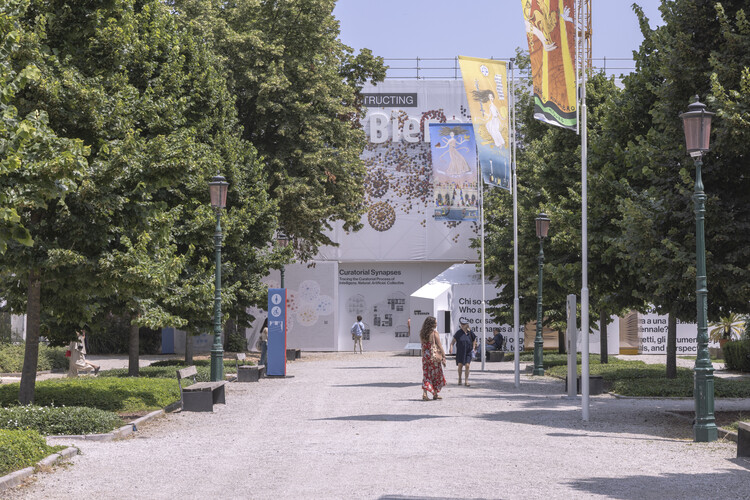
The 19th International Architecture Exhibition of La Biennale di Venezia, "Intelligens. Natural. Artificial. Collective.," curated by Carlo Ratti, closed on 23 November 2025 as the most visited Architecture Biennale to date. The exhibition recorded 298,000 visitors, in addition to 17,584 preview attendees, surpassing previous editions despite the temporary closure of the Central Pavilion for restoration. Bringing together 303 projects and 758 invited architects, along with 66 National Participations and 11 Collateral Events, the edition extended across the Giardini, Arsenale, and multiple sites throughout Venice.


https://www.archdaily.com/1036315/the-2025-venice-architecture-biennale-ends-marking-the-events-most-visited-editionReyyan Dogan
Mecanoo’s Natural History Museum Opens in Abu Dhabi’s Saadiyat Cultural District
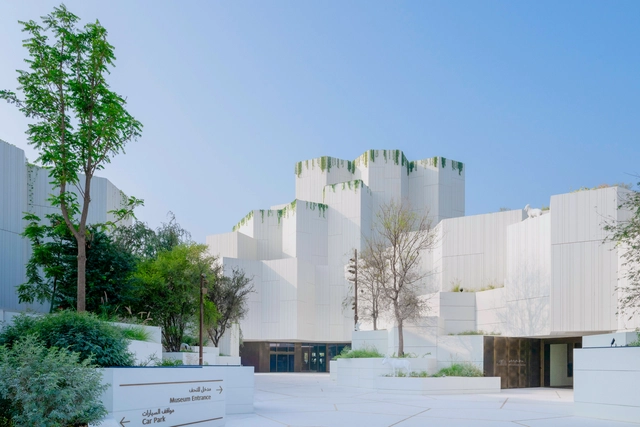
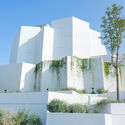
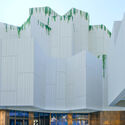
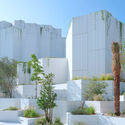
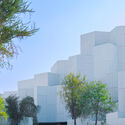
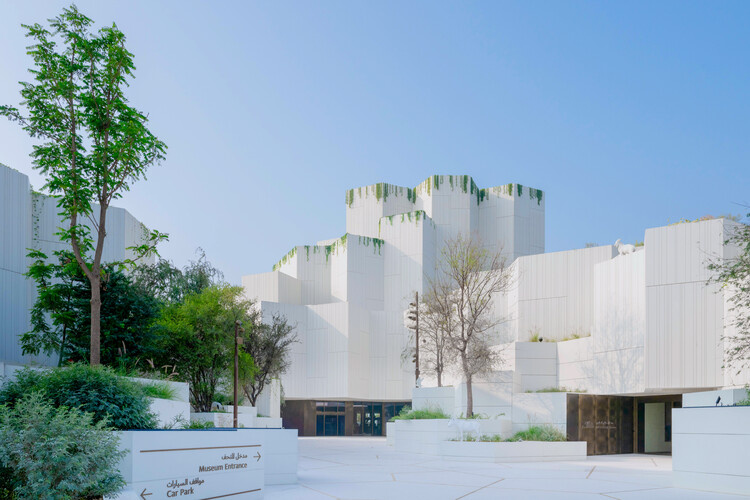
Back in April 2022, Abu Dhabi unveiled the first images of a new Natural History Museum designed by the Dutch practice Mecanoo. Three years later, on November 22, 2025, the museum opened its doors to the public, presenting 13.8 billion years of science and discovery with a special focus on the Arabian region. Covering more than 35,000 sqm, the design is intended to resonate with natural rock formations. Geometry acts as the unifying theme, with pentagonal shapes referencing cellular structures. Water and vegetation, symbols of life in the desert, also play an important role in the design. Located in Abu Dhabi's Saadiyat Cultural District, the building houses rare meteorites, dinosaur fossils, and reconstructions of the region's prehistoric landscapes, combining natural history, storytelling, and immersive environments. Through interactive exhibitions, special events, and community-science programmes, the museum seeks to encourage audiences of all ages to engage with the natural world.
https://www.archdaily.com/1036303/mecanoos-natural-history-museum-opens-in-abu-dhabis-saadiyat-cultural-districtAntonia Piñeiro
Designing with Empathy: From Smart to Sensitive Cities

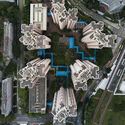
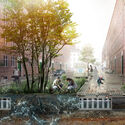
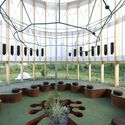
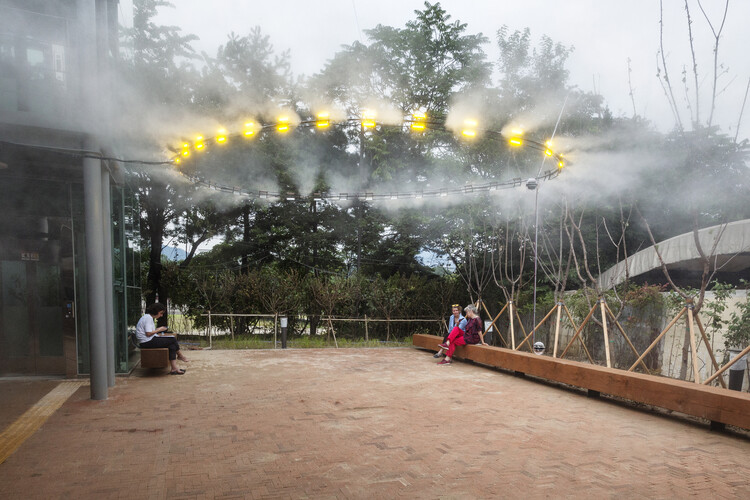
The future of cities has long been defined by intelligence: networks of sensors, data, and engineered systems. From traffic-flow algorithms to climate dashboards, the smart city promised to make urban life optimized, measurable, and predictable. Yet amid this technological abundance, something essential feels absent: sensitivity. Cities are becoming increasingly equipped to process information but less able to perceive atmosphere, emotion, or care.
As recent global debates on urban innovation reveal, the next challenge is not about adding more devices but cultivating new forms of awareness. A sensitive city listens to its climate, adapts to its inhabitants, and responds to the subtle rhythms of the environment. In this shift from computation to perception, architecture and urban design are rediscovering intelligence as a form of empathy.

https://www.archdaily.com/1036219/designing-with-empathy-from-smart-to-sensitive-citiesDaniela Andino
Architecture for Change: Parametric Urban Design, Vernacular Heritage Conservation, and Resilient Housing Solutions
| Sponsored Content

Can academic projects explore new directions and contribute to public discourse on global and local issues? The 2025 Politecnico di Torino Architecture Students Award aimed to address these questions, showcasing how architectural research, training, and experimentation can be integrated into a school curriculum.
https://www.archdaily.com/1036056/architecture-for-change-parametric-urban-design-vernacular-heritage-conservation-and-resilient-housing-solutionsRene Submissions
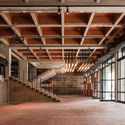
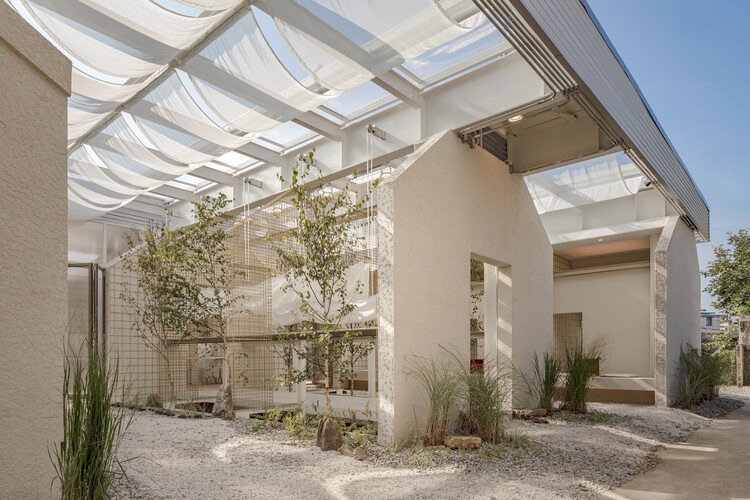
Design Ethos of Subtraction and Addition: 10 Adaptive Reuse Projects for Commercial and Social Spaces in Asia
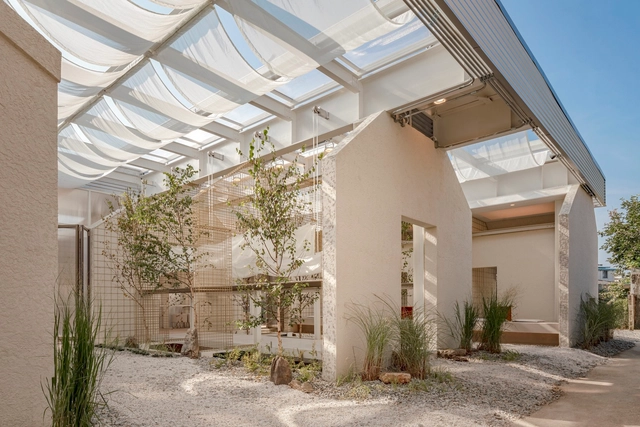
While adaptive reuse has been increasingly acknowledged as a vital architectural strategy worldwide, its discourse and implementation in Asia are still expanding—driven by growing ecological awareness and a shifting understanding of architectural knowledge. Rather than accelerating a developmentalist model centered on demolition and new construction, architects today are confronted with a different approach to the built environment: treating the existing structure as a resource—an archive of materials, spatial organizations, and informal histories.
Adaptive reuse is often associated with the preservation of historic buildings and culturally significant heritage. Yet the vast field of seemingly 'less-valued' structures—abandoned houses, standard yet old dwellings, non-conforming office buildings, and overlooked urban voids—has become ground for experimentation. These sites challenge architects and designers to reconsider prevailing standards of efficiency and market-driven development, and to imagine spatial and ecological practices that avoid the continual loss of embodied material and cultural knowledge inherent in constant rebuilding.

https://www.archdaily.com/1036211/design-ethos-of-subtraction-and-addition-10-adaptive-reuse-projects-for-commercial-and-social-spaces-in-asiaMiwa Negoro
Heatherwick Studio and MANICA Reveal Stadium Design Defined by Twelve Brick Chimneys in Birmingham
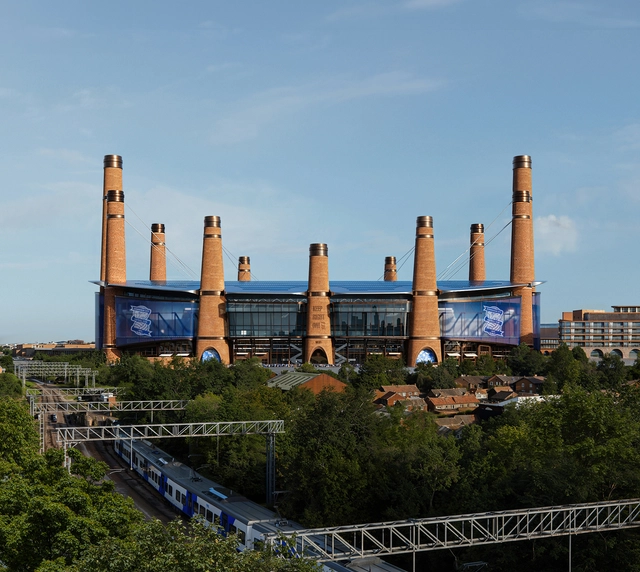
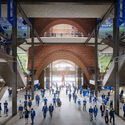
Heatherwick Studio and MANICA Architecture have released the design for Birmingham City Football Club's new stadium, set to anchor the forthcoming Birmingham Sports Quarter in East Birmingham, England. The 62,000-seat venue, planned for Bordesley Green, forms part of a wider redevelopment strategy and coincides with the club's 150th anniversary. Developed through a competition led by filmmaker Steven Knight, the project aims to introduce a multifunctional sports and cultural venue integrated into its urban context.




https://www.archdaily.com/1036270/heatherwick-studio-and-manica-reveal-stadium-design-defined-by-twelve-brick-chimneys-in-birminghamReyyan Dogan
Make Materials Matter: Louisiana Channel Releases New Documentary on Danish Architect Søren Pihlmann
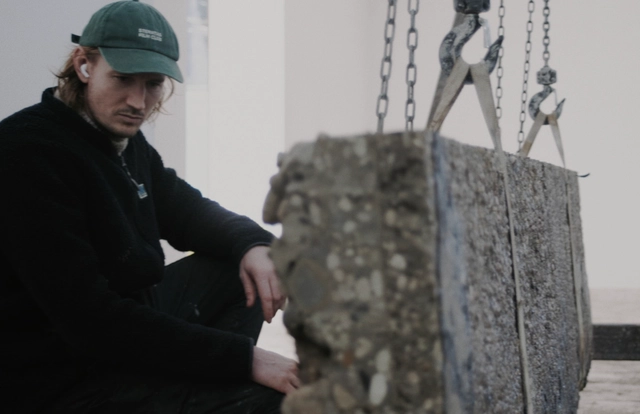
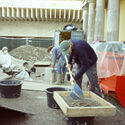
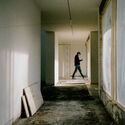
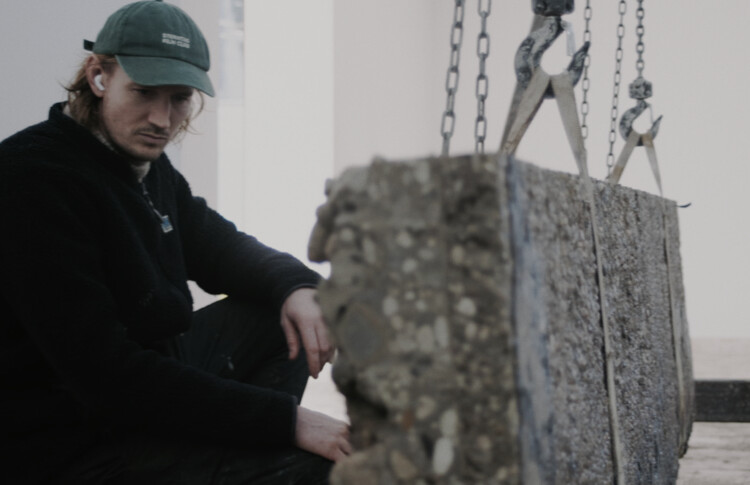
Louisiana Channel, a web TV platform based at the Louisiana Museum of Modern Art in Denmark, is launching a new film titled Søren Pihlmann: Make Materials Matter. Over the course of 54 minutes, Marc-Christoph Wagner and Simon Weyhe offer a glimpse into the work and mind of the founding architect of Pihlmann Architects, presenting his vision of Danish architecture, the practice of architecture itself, and, in particular, his sensitivity to materials. The film provides a behind-the-scenes look at the process and thinking behind the Danish exhibition at this year's Venice Architecture Biennale. Led by Søren Pihlmann, the team used the opportunity to renovate and conduct material research on Denmark's permanent building in the Giardini, transforming it into a material laboratory and experimental construction site. The result is a process exhibition that highlights how rethinking and reusing existing structures and materials can address critical architectural challenges. As of today, November 20, the documentary is available to watch online for free.


https://www.archdaily.com/1036214/make-materials-matter-louisiana-channel-releases-new-documentary-on-danish-architect-soren-pihlmannAntonia Piñeiro
Grand Prize Winners Announced for the 2025 Holcim Foundation Awards
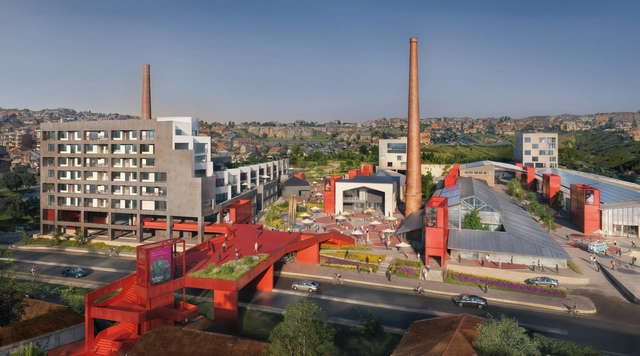
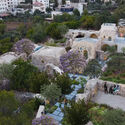
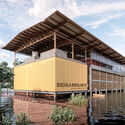
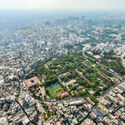
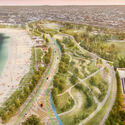
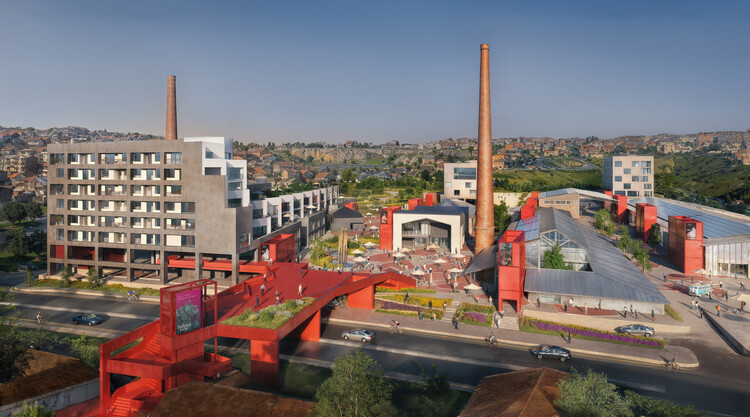
The Holcim Foundation for Sustainable Construction has announced the Grand Prize Winners of the 2025 Holcim Awards, selecting one project from each global region to represent the most impactful approaches to sustainable design in this cycle. This edition marks the introduction of the Grand Prize format, replacing the previous tiered distinctions to better acknowledge diverse regional contexts and avoid hierarchical rankings. Evaluated by juries chaired by Sou Fujimoto (Asia Pacific), Kjetil Trædal Thorsen (Europe), Sandra Barclay (Latin America), Lina Ghotmeh (Middle East and Africa), and Jeanne Gang (North America), the winning projects reflect the Foundation's principles of holistic, transformational, and transferable design.
https://www.archdaily.com/1036257/grand-prize-winners-announced-for-the-2025-holcim-foundation-awardsReyyan Dogan
Designing the Reuse Economy: How Architects Can Build Supply Chains, Not Just Buildings

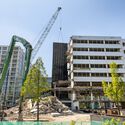
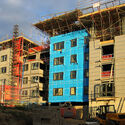
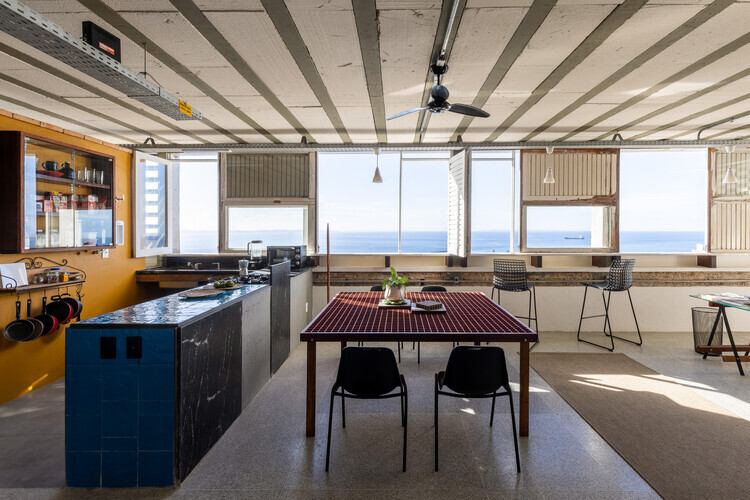
Across Europe and beyond, architects are confronting a turning point. As rising emissions targets collide with shrinking material supplies and the growing urgency of climate commitments, the built environment is being forced into a deeper reckoning with how it consumes, circulates, and discards resources. What was once considered waste is now revealing itself as a dormant architectural archive, an urban ecosystem of materials waiting to be reclaimed, revalued, or reimagined. Within this shift, architects are beginning to play a radically different role. Not only as designers of buildings, but also as orchestrators of the flows that sustain them.
This emerging mindset is reshaping the foundations of practice. Instead of depending on long, extractive supply chains, designers are beginning to build their own closed-loop networks, establishing material banks, negotiating deconstruction protocols, and participating in new forms of urban mining.


https://www.archdaily.com/1036222/designing-the-reuse-economy-how-architects-can-build-supply-chains-not-just-buildingsAnanya Nayak
Architecture in Motion: Framing Spaces That Live and Breathe
| Sponsored Content
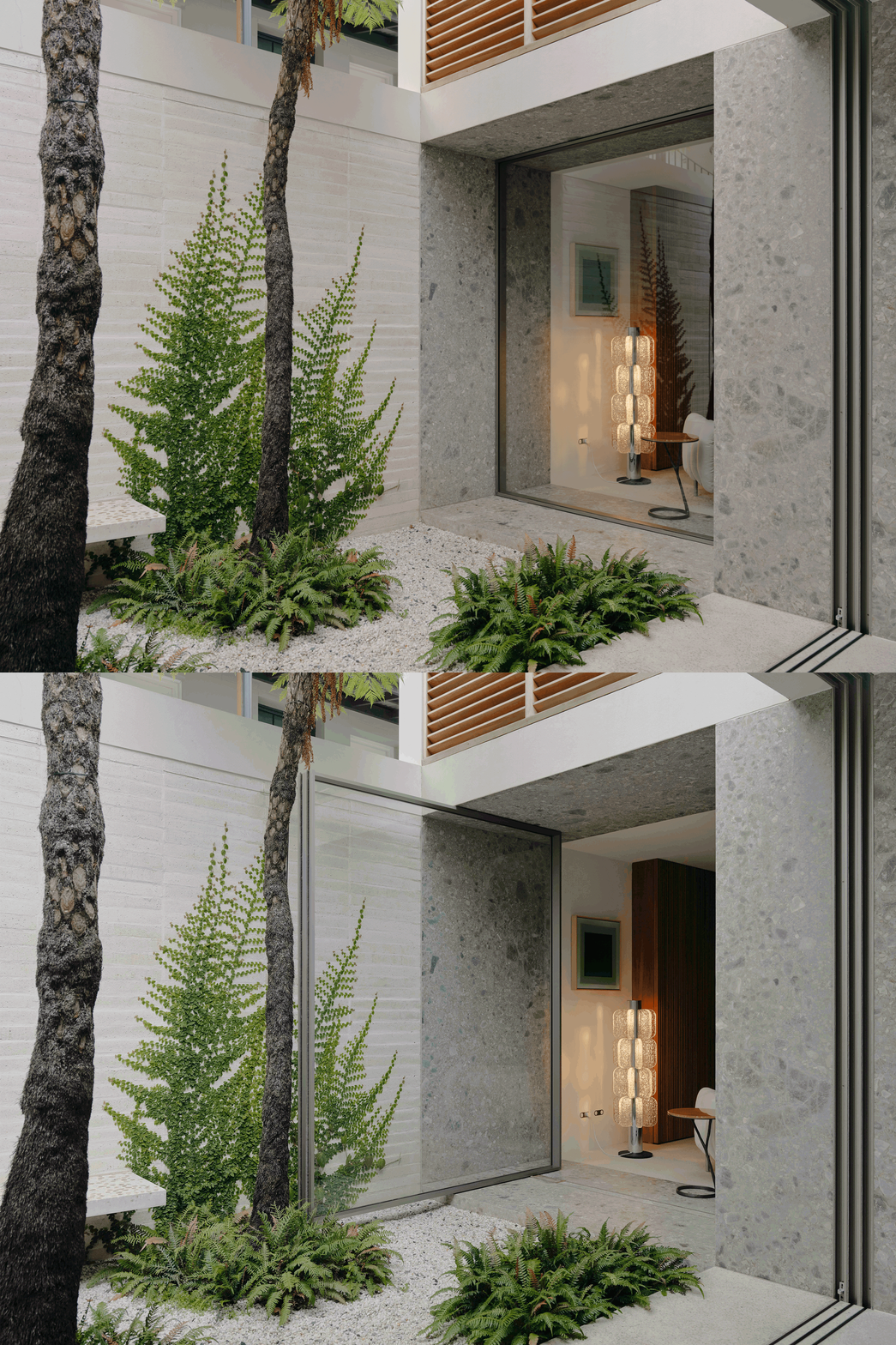
Architectural space has long been framed by permanence: rooms for fixed functions, facades that clearly define where exterior ends and interior begins. Yet contemporary life is defined by overlap and transition: between work and living, interior and exterior, privacy and community. Spatial needs evolve continually, demanding architecture that can respond, adapt, and remain relevant over time.
In this context, adaptability has emerged not only as a design ambition but as a sustainable necessity. Buildings that adjust to shifting uses, evolving climates, or new forms of living extend their lifespan and reduce the need for demolition or extensive retrofits. Flexibility becomes a measure of resilience, allowing structures to remain vital across decades. But how can architecture respond to the evolving ways we inhabit and experience space?
https://www.archdaily.com/1035970/architecture-in-motion-framing-spaces-that-live-and-breatheKiana Buchberger
Watch Live the 2025 Holcim Foundation Awards Ceremony and Discover the 5 Grand Prize Winners
Watch live the Holcim Foundation Awards 2025 Ceremony on November 20, broadcast from Venice, Italy, during the closing week of the 19th International Architecture Exhibition, to discover the regional Grand Prize winners. The Holcim Foundation for Sustainable Construction has announced the 20 winning projects of this cycle, selected across five regions: Asia Pacific, Europe, Latin America, the Middle East and Africa, and North America. This edition introduces a new Grand Prize format, replacing the Gold, Silver, and Bronze distinctions to highlight excellence without comparison and reflect the varied contexts in which sustainable design operates.
https://www.archdaily.com/1036226/watch-live-the-2025-holcim-foundation-awards-ceremony-and-discover-the-5-grand-prize-winnersReyyan Dogan
How Open-Source Toolkits Are Democratizing Built Heritage

For monuments worthy of sustained admiration, conservation practices have been selectively mobilized to reinforce their prestige and secure their place at the center of heritage narratives. Structures whose vernacular ought to be passed down miss the discerning eye of the experts. Rowhouses, shopfronts, and neighborhood structures that form the fabric of our cities are often left to deteriorate beyond repair. Much more is lost, apart from aesthetics.




https://www.archdaily.com/1036161/how-open-source-toolkits-are-democratizing-built-heritageAnkitha Gattupalli
The Role of Responsible AI in Transforming Architectural Practices and Design
| Sponsored Content
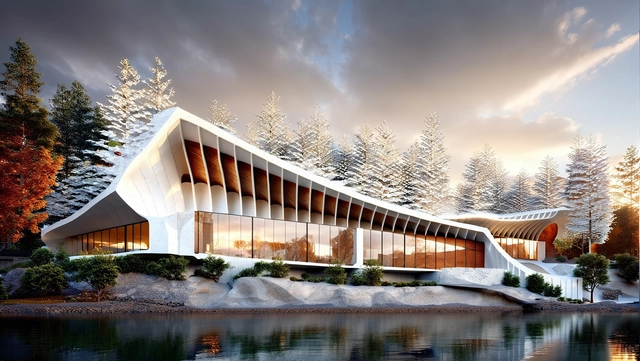
The conversation around AI in architecture has shifted from hype to application. Architects and designers now want to understand how the intelligent use of AI-powered tools can drive innovation and create a competitive advantage. Yet, as curiosity and optimism grow, firms also face concerns about the ethical and legal questions surrounding AI adoption.
https://www.archdaily.com/1035931/the-role-of-responsible-ai-in-transforming-architectural-practices-and-designRene Submissions
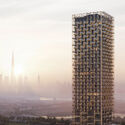
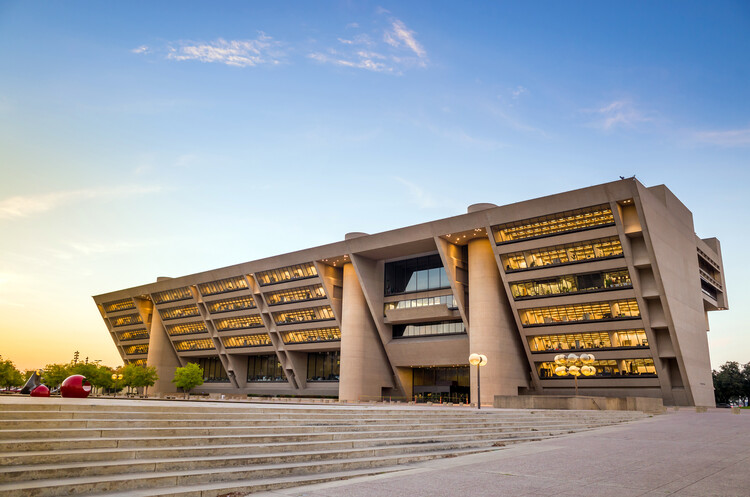
Dallas City Hall Debate and ZHA’s Symphony Tower in Dubai: This Week’s Review

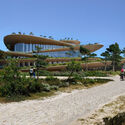
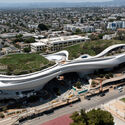
Across cultural districts and civic centers, this week's architectural developments highlight how institutions and city governments are reshaping their futures amid shifting environmental, social, and economic pressures. New museum and opera projects signal ongoing commitments to expanding public cultural infrastructure, while the debate surrounding Dallas' modernist City Hall illustrates the tensions that arise when questions of heritage meet rising maintenance demands and redevelopment pressures. At the same time, municipalities are advancing new regulatory tools to confront climate challenges, from electrification standards in Sydney and Boston to mobility restrictions and emerging forms of urban diplomacy. These developments reflect an increasingly complex landscape in which architectural environments evolve through a combination of cultural ambition, environmental targets, and shifting models of public decision-making.

https://www.archdaily.com/1036221/dallas-city-hall-debate-and-zhas-symphony-tower-in-dubai-this-weeks-reviewReyyan Dogan
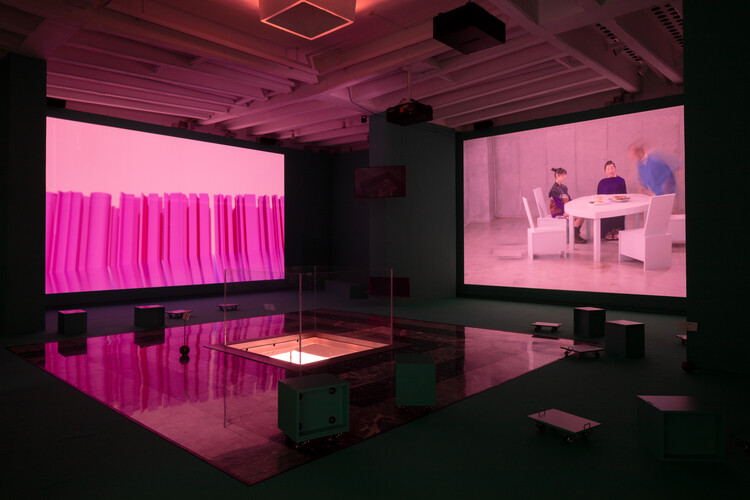
The Japanese Pavilion at the 2025 Venice Biennale Explores Artificial Intelligence in Architectural Processes
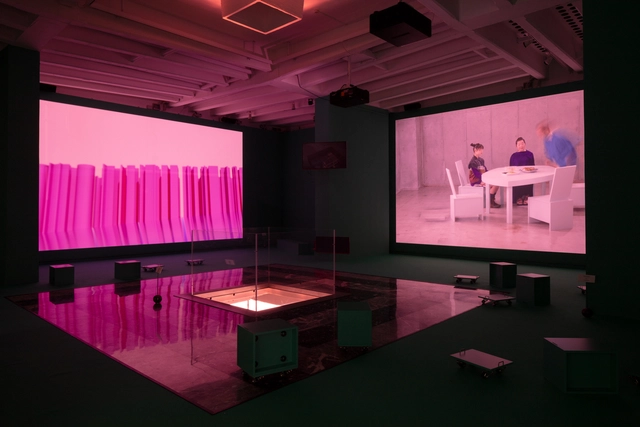
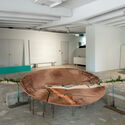
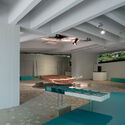
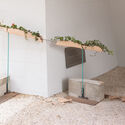
The Japan Pavilion at the 2025 Venice Biennale investigates the evolving role of artificial intelligence (AI) in architecture, focusing on the concept of the "in-between." Curated by Jun Aoki, the exhibition runs from May 10 to November 23, 2025, at the Giardini della Biennale in Venice. The exhibition explores the growing autonomy of AI in architectural design, raising questions about the shifting relationship between human agency and machine intelligence. The showcase aligns with the overarching theme "Intelligens. Natural. Artificial. Collective," curated by Carlo Ratti.

https://www.archdaily.com/1027934/japan-pavilion-at-2025-venice-biennale-explores-architectural-intelligence-in-architectural-processesNour Fakharany
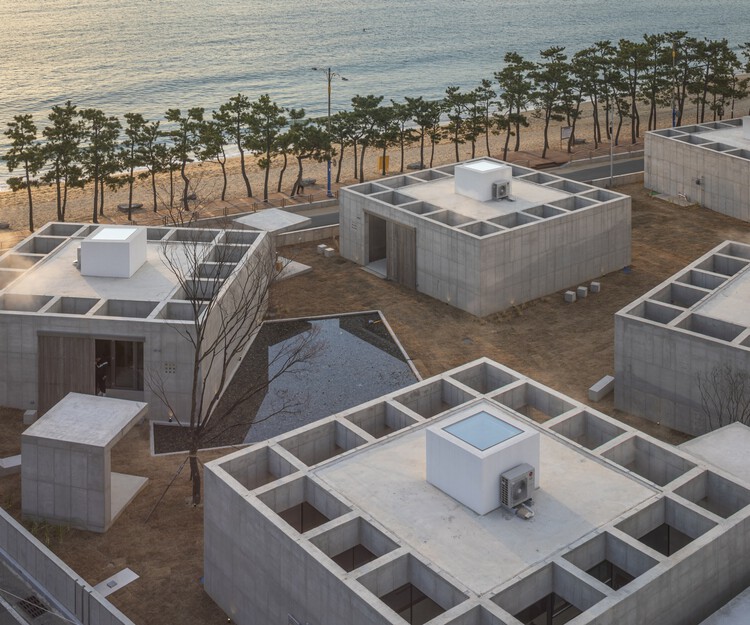
Elemental Shores in the Asia-Pacific: Concrete Recasts the Beach House

Living by the beach has long been a defining aspiration—drawn by the promise of tempered nature, privacy, and immediate access to the water. Historically, beach houses tended to be rustic and pared back: partly because servicing remote sites and delivering materials was difficult, and partly because their charm lay in being closer to the elements—simpler, rougher, more direct.
Accordingly, many early beach houses were built in timber. Wood offered clear advantages: it was lightweight, adaptable, quick to work with, and could be erected with minimal heavy machinery. While timber weathers and fares poorly in salt-laden humidity, exterior-grade lumber carries a raw, natural character that reinforced the appeal of the beach-house ideal.


https://www.archdaily.com/1036100/elemental-shores-in-the-asia-pacific-concrete-recasts-the-beach-houseJonathan Yeung
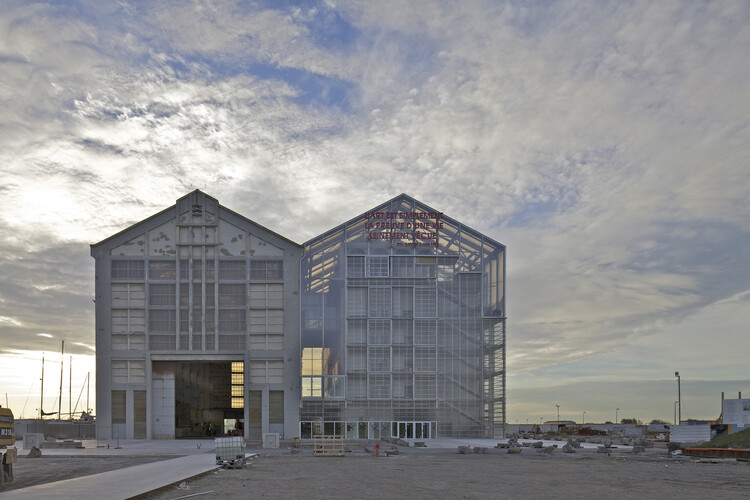
The Architecture of Restraint: When Choosing Not to Build Becomes Design
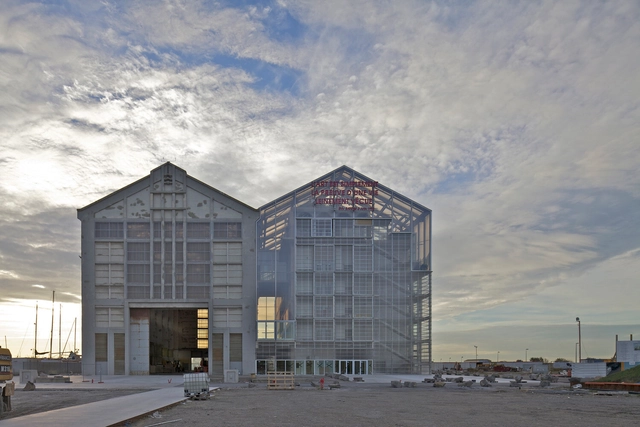
In a world facing ecological exhaustion and spatial saturation, the act of building has come to represent both creation and consumption. For decades, architectural progress was measured by the new: new materials, new technologies, new monuments of ambition. Yet today, the discipline is increasingly shaped by another form of intelligence, one that values what already exists. Architects are learning that doing less can mean designing more, and this shift marks the emergence of what might be called an architecture of restraint: a practice defined by care, maintenance, and the deliberate choice not to build.
The principle recognizes that the most sustainable building is often the one that already stands, and that transformation can occur through preservation, repair, or even absence. Choosing not to build becomes a political and creative act, a response to the material limits of the planet and to the ethical limits of endless growth. That Architecture moves beyond the production of new forms to embrace continuity, extending the life of structures, materials, and memories that already inhabit the world.
https://www.archdaily.com/1035638/the-architecture-of-restraint-when-choosing-not-to-build-becomes-designDiogo Borges Ferreira