

This guide explains how to structure multi-image prompts in the RunDifussion platform. Explore RunDifussion's product catalog.
News
How to Prompt and Annotate Multiple Images with AI
| Sponsored Content
https://www.archdaily.comhttps://www.archdaily.com/catalog/us/products/38860/how-to-prompt-and-annotate-multiple-images-with-ai-rundiffusion
Bridging Disciplines, Connecting Cities: The Interdisciplinary Approach to Urban Mobility in Portugal

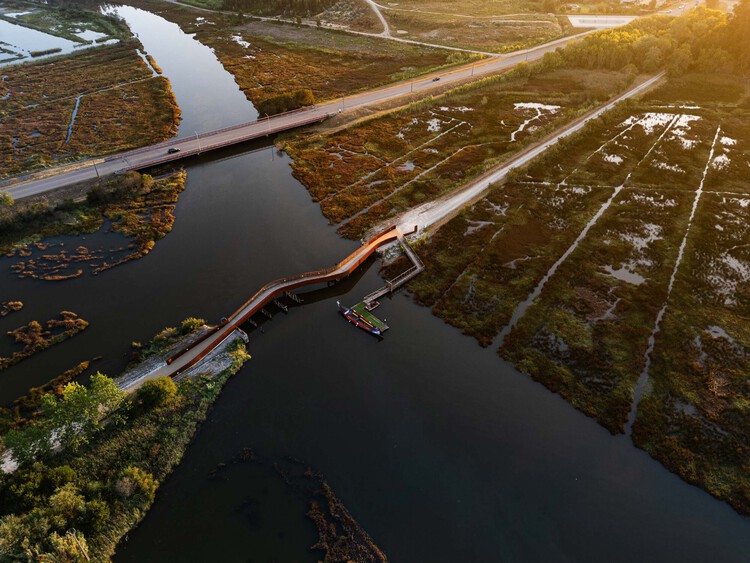
An architecture degree may provide a vast curriculum, but many of the skills needed for a project lie outside the discipline. This is especially true for urban-scale projects. They demand expertise in areas like traffic studies, structural calculations, landscape design, and technical installation forecasting. These are often seen as "complementary" but are, in fact, fundamental to the overall design.
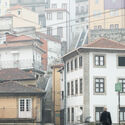
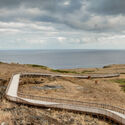
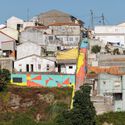
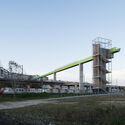
In a country like Portugal, with a relatively small but geographically diverse territory, the challenge of connecting different parts of the territory – whether to cross a river or link one level of a city to another – is a constant one. Its largest metropolitan areas, such as Lisbon and Porto, share a rugged geography of steep valleys and hills. These features led to the development of elevators and funiculars, like the Santa Justa Lift and the Bica Funicular in Lisbon, and the Guindais Funicular in Porto. Today, besides improving urban mobility, they have become tourist landmarks.
https://www.archdaily.com/1033799/bridging-disciplines-connecting-cities-the-interdisciplinary-approach-to-urban-mobility-in-portugalSusanna Moreira
Offsitewood 2.0: Practical Tools for Architects Exploring Offsite Wood
| Sponsored Content

The latest release of Offsitewood.org marks a significant step forward in making offsite wood construction more approachable for architects. Version 2.0 introduces a set of digital resources aimed at helping designers model, plan, and collaborate more efficiently.
Free downloadable libraries are a central and expanding feature of the site. Additionally, new applications and services are now available that include wood material e-sample viewers, an advanced panelization and framing toolbar for Revit, and a collaborative workspace for project optimization.
https://www.archdaily.com/1033811/offsitewood-practical-tools-for-architects-exploring-offsite-woodRene Submissions
Sumayya Vally Renovates Heritage Building in Central London as New Arts and Cultural Center
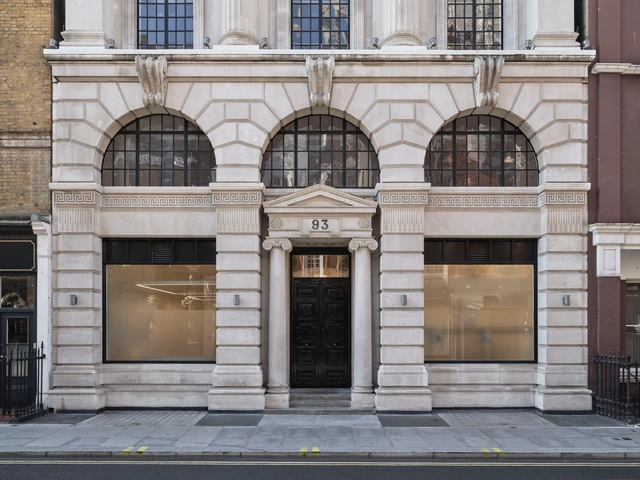
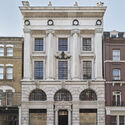
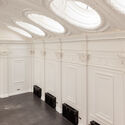
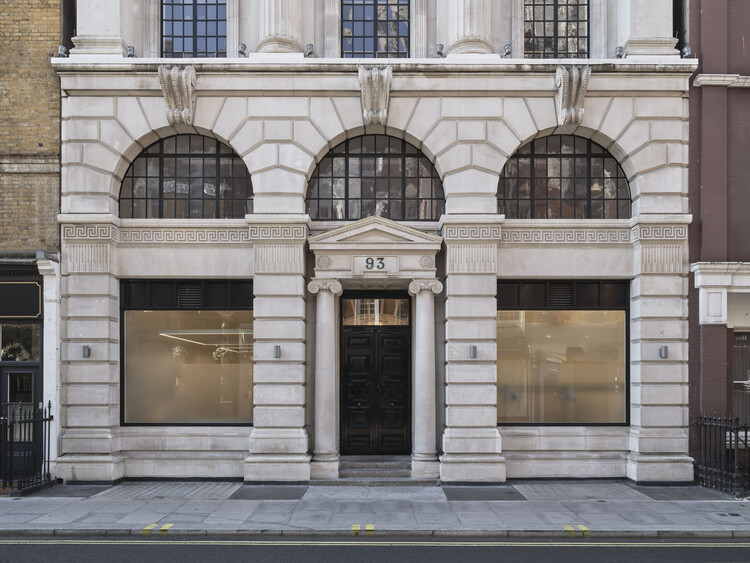
October will see the opening of Ibraaz, a new cultural space reimagined by Architect-in-Residence Sumayya Vally in central London. The initiative is led by the Kamel Lazaar Foundation and aims to highlight art, culture, and ideas from the Global Majority: communities of African, Asian, Indigenous, and Latin American heritage that together represent most of the world's population. The project seeks to bridge local and global conversations by creating a "world of many worlds" within a single venue: a six-floor, 10,000-square-foot building that has undergone multiple transformations, from synagogue to residence, club, and now cultural center.


https://www.archdaily.com/1034285/sumayya-vally-renovates-heritage-building-in-central-london-as-new-arts-and-cultural-centerAntonia Piñeiro
From Yakushima to Toronto: Architecture Now Highlights New Projects Shaping Hospitality, Public Life, and Infrastructure

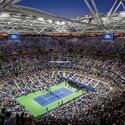
As cities and infrastructures evolve to meet shifting cultural, environmental, and social demands, new architectural projects are redefining how public spaces and civic institutions operate. This edition of Architecture Now brings together proposals spanning different contexts and scales: on Yakushima Island, Jean Nouvel embeds a boutique retreat for NOT A HOTEL into a UNESCO-listed forest landscape; in New York City, Rossetti and WSP are preparing a major renovation of Arthur Ashe Stadium to expand capacity and enhance the visitor experience; in Toronto, Diamond Schmitt and gh3* have broken ground on a mass-timber, net-zero paramedic station; and across the English Channel, Hollaway Studio is leading a transformation of LeShuttle's UK and French terminals into more seamless and sustainable gateways. Together, these projects reflect how design is being used to adapt existing systems and landscapes to new forms of public life.



https://www.archdaily.com/1034288/from-yakushima-to-toronto-architecture-now-highlights-new-projects-shaping-hospitality-public-life-and-infrastructureNour Fakharany
Choreographing Space: Architecture and Dance as Interdisciplinary Practices
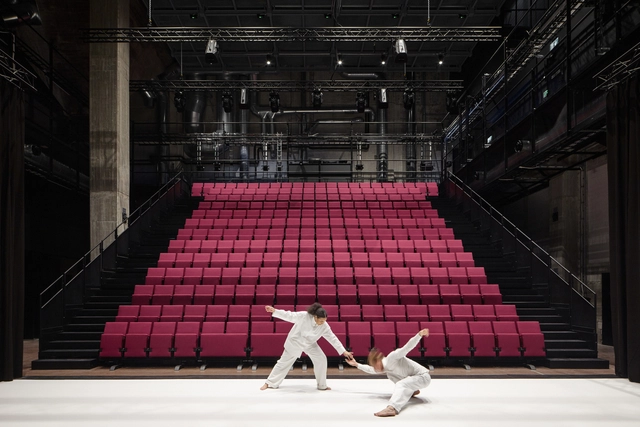
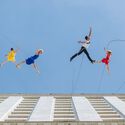
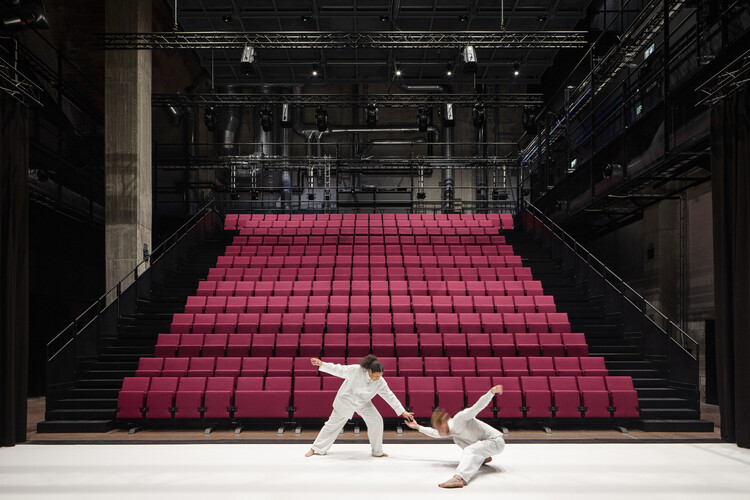
"Dance, dance… otherwise we are lost." This oft-cited phrase by Pina Bausch encapsulates not only the urgency of movement, but its capacity to reveal space itself. In her choreographies, space is never a neutral backdrop, it becomes a partner, an obstacle, a memory. Floors tilt, chairs accumulate, walls oppress or liberate. These are architectural conditions, staged and contested through the body. What Bausch exposes — and what architecture often forgets — is that space is not simply built, it is performed. Her work invites architects to think not only in terms of materials and forms, but of gestures, relations, and rhythms. It suggests that architecture, like dance, is ultimately about how we inhabit, structure, and emotionally charge the spaces we move through.
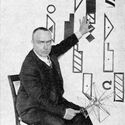
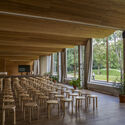
Historically, architecture and dance have operated in parallel, shaping human experience through the body's orientation in space and time. From the choreographed rituals of classical temples to the axial logics of Baroque palaces, built space has always implied movement. The Bauhaus took this further, as Oskar Schlemmer's Triadic Ballet visualized space as a geometric extension of the body. This was not scenery, but spatial thinking made kinetic. In the 20th century, choreographers like William Forsythe and Anne Teresa De Keersmaeker integrated architectural constraints into their scores, while architects such as Steven Holl, Diller Scofidio + Renfro, and Toyo Ito designed buildings that unfold as spatial sequences, inviting movement, drift, and delay.

https://www.archdaily.com/1033981/choreographing-space-architecture-and-dance-as-interdisciplinary-practicesDiogo Borges Ferreira
First Copenhagen Architecture Biennial Opens With the Theme “Slow Down”
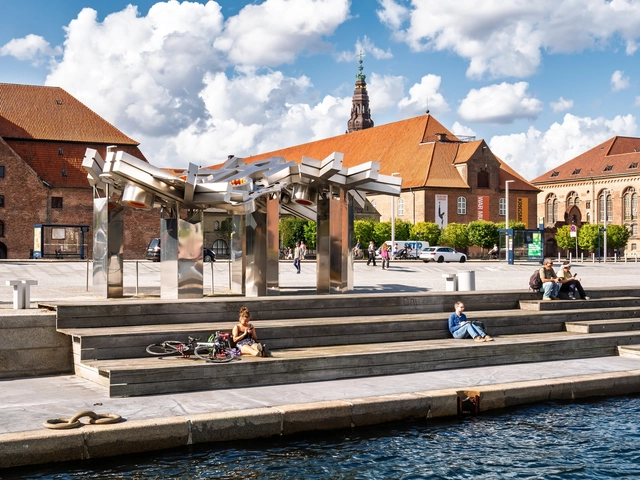
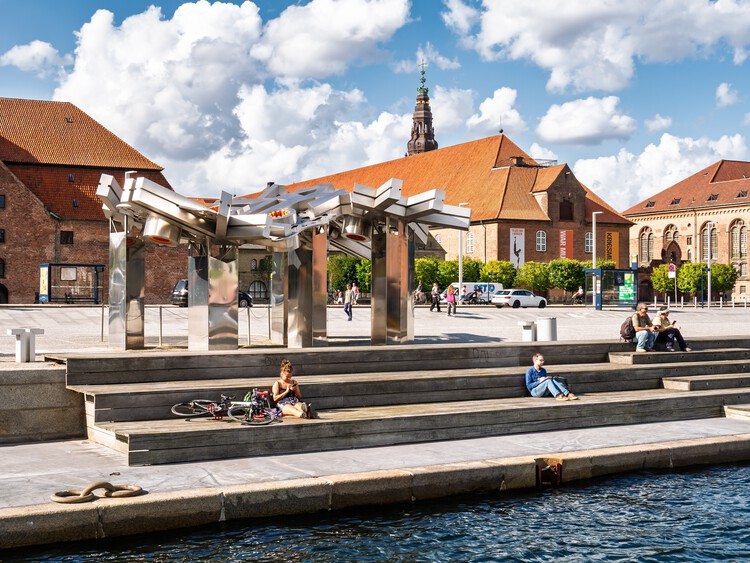
The first edition of the Copenhagen Architecture Biennial opens today and runs until October 19, transforming the city into a platform for architectural dialogue and exchange. Organised by CAFx (Copenhagen Architecture Forum), the new biennial expands on the former Copenhagen Architecture Festival, shifting from an annual format to a broader, more ambitious platform for architectural exploration. Led by Josephine Michau, CEO and Founder of CAFx and curator of the Danish Pavilion at the Venice Architecture Biennale 2023, the Biennial launches under the theme "Slow Down," reflecting on how societies can respond to the pressures of rapid population growth, resource consumption, and environmental challenges by rethinking the pace of change in the built environment. The theme builds on the concept of a "Great Deceleration," inviting participants to envision spaces that promote sustainability, longevity, and mindful engagement with the built environment.



https://www.archdaily.com/1033335/one-month-until-the-opening-exploring-copenhagen-architecture-biennials-program-pavilions-and-exhibitionsReyyan Dogan
Zaha Hadid Architects Develop 3D-Printed Habitats to Support Marine Ecosystem Restoration
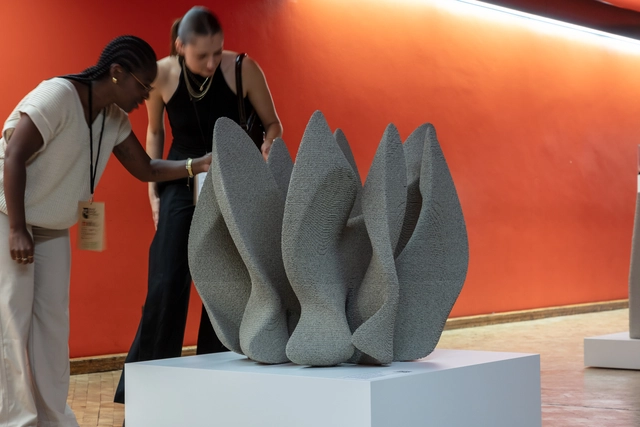
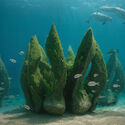
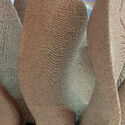
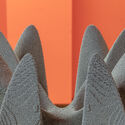
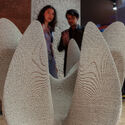
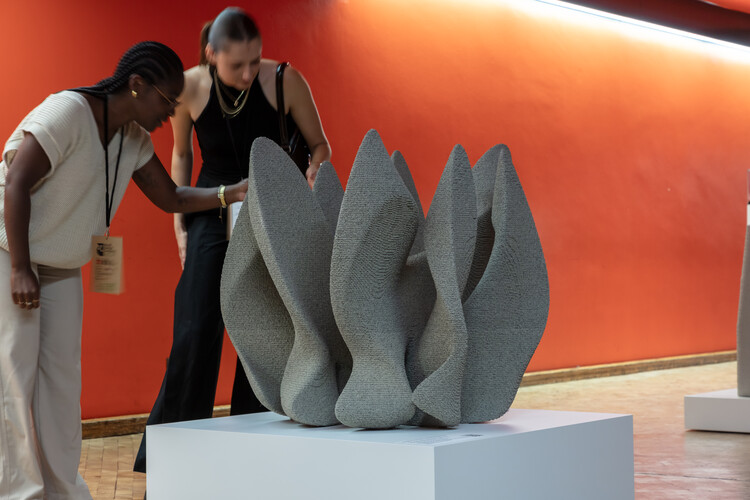
Zaha Hadid Architects' design for a digitally fabricated marine habitat in the North Lantau Marine Park conservation zone in Hong Kong was recently presented at the World Design Congress exhibition in London. The event took place at the Barbican Centre between September 9 and 10, one of the world's most recognized examples of Brutalist architecture. Its theme, "Design for Planet," called on designers and commissioners of design to take on their most critical brief to date: to design a regenerative future in the face of climate change and to examine design's role as a tool for environmental action. In this context, Zaha Hadid Architects presented Nereid, a digitally fabricated habitat developed with advanced 3D printing technologies by D-Shape, aimed at supporting the natural regeneration of marine ecosystems.
https://www.archdaily.com/1034247/zaha-hadid-architects-develop-3d-printed-habitats-to-support-marine-ecosystem-restorationAntonia Piñeiro
A Model for Community-Led Heritage Preservation: Esna's Aga Khan Award-Winning Revitalisation

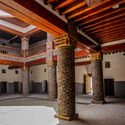
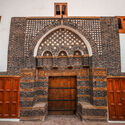
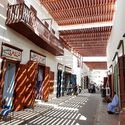
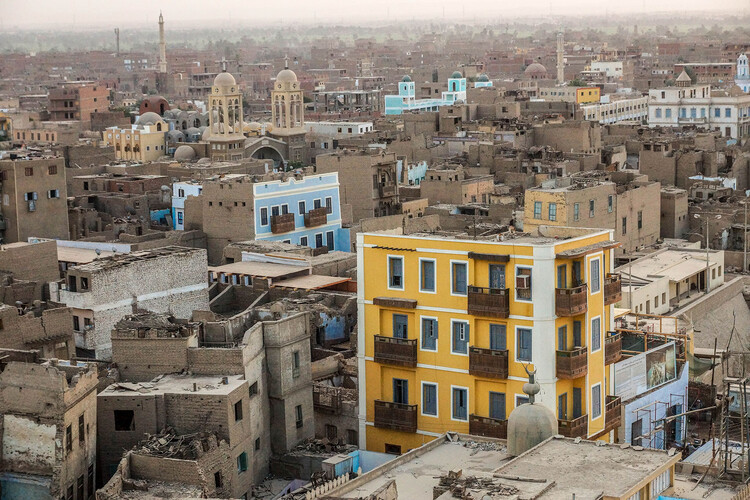
Among the seven winners of this year's 16th Aga Khan Award for Architecture was the Revitalisation of Historic Esna in southern Egypt. Led by the Cairo-based firm Takween, the project was far more than a simple restoration. It was a comprehensive renewal effort that combined deep community engagement with the preservation of both tangible and intangible heritage. By creating thousands of jobs and restoring the historic center, the initiative offered a powerful alternative to demolition. The Aga Khan Trust lauded it as a 'replicable model for sustainable development'.
https://www.archdaily.com/1034136/a-model-for-community-led-heritage-preservation-esnas-aga-khan-award-winning-revitalisationMohieldin Gamal
The 10th VELUX Daylight Symposium: Live from Copenhagen
| Sponsored Content
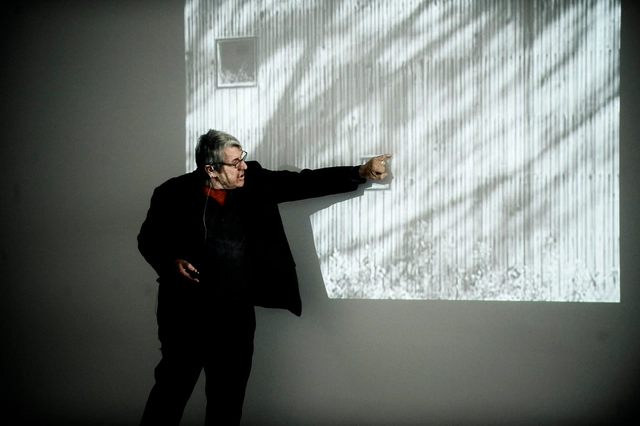
This year marks 20 years since the first VELUX Daylight Symposium—two decades of shared insights, ideas, and exploration into the role of daylight in our built environment. Since its humble beginnings in 2005, the symposium has grown into a leading international forum for cross-disciplinary dialogue on daylight.
The 10th edition, taking place in the heart of Copenhagen, will once again bring together researchers, architects, engineers, and policymakers to examine the evolving role of daylight in architecture and design. It's a space where science and practice meet to reflect on past learnings and look ahead to the future of daylight in our cities and spaces. Join the livestream on September 18th, 2025, from 09:00 to 17:30 (CEST).
https://www.archdaily.com/1034015/the-10th-velux-daylight-symposium-live-from-copenhagenRene Submissions
Teaching Empathy: New Approaches to Architecture Education in Latin America

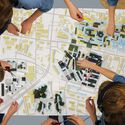
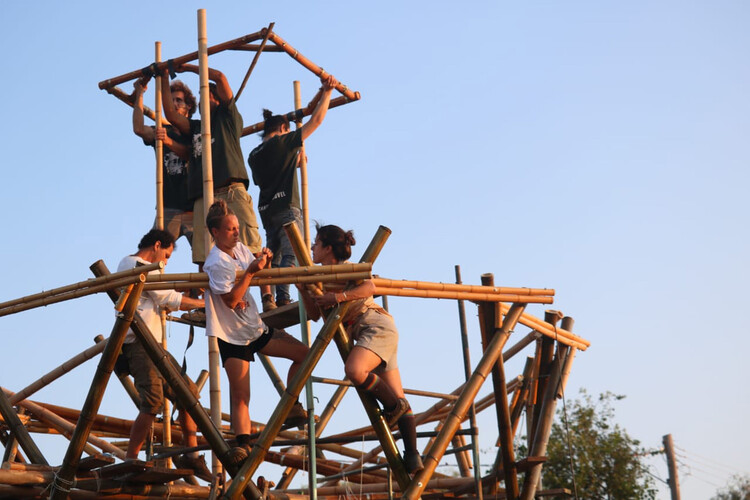
Historically, the first universities in the contemporary model were established in Europe to educate elites for the State and the Church, rather than to promote social emancipation. With the rise of capitalism, they became privileged centers for producing and reproducing modern Western culture. However, from the 1960s onward—particularly after the student uprisings of May 1968—the academic focus shifted toward market-oriented values, displacing humanist and critical ideals. The humanities lost prominence, while technical fields gained central importance, often at the expense of reflecting on the social impact of their work.
https://www.archdaily.com/1034102/teaching-empathy-new-approaches-to-architecture-education-in-latin-americaCamilla Ghisleni
Christian de Portzamparc to Receive the 2026 Créateurs Design Awards Lifetime Achievement Award
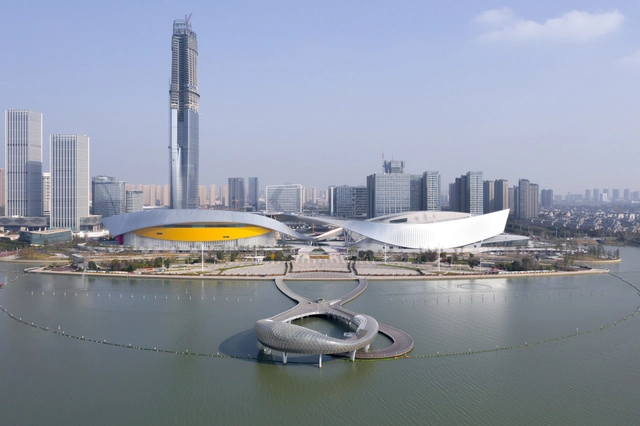
Christian de Portzamparc has been announced as the recipient of the 2026 Andrée Putman Lifetime Achievement Award by the Créateurs Design Awards (CDA). The recognition honors his influence on architecture and urban planning, situating him among a lineage of practitioners whose work has shaped both the built environment and cultural discourse. The ceremony will be held in Paris on January 17, 2026, where de Portzamparc will accept the award in person.


https://www.archdaily.com/1034200/christian-de-portzamparc-to-receive-the-2026-createurs-design-awards-lifetime-achievement-awardReyyan Dogan
UNESCO Culminates the Restoration Program of the City of Mosul, Iraq
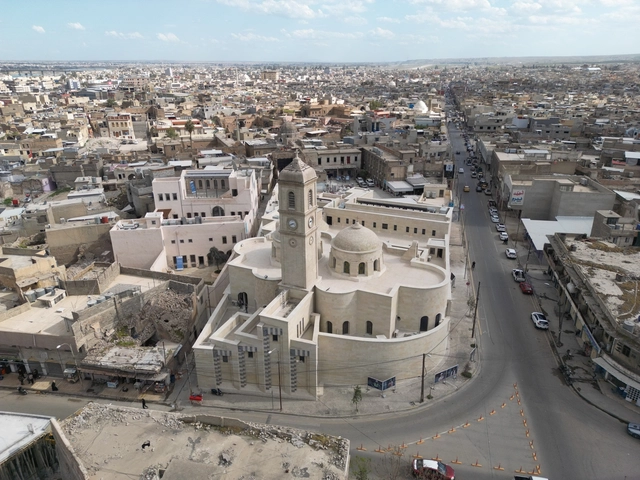
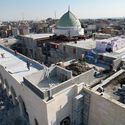
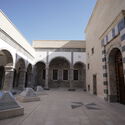
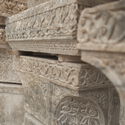
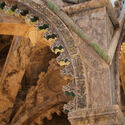
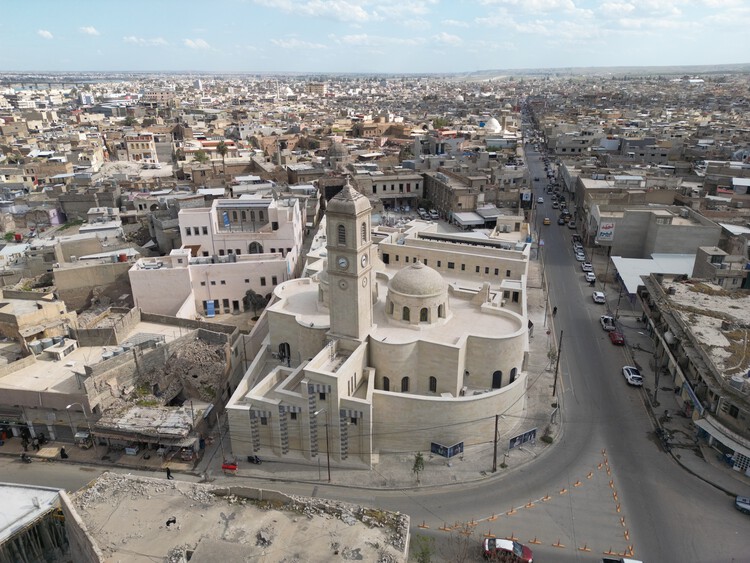
From 2014 to 2019, Daesh (ISIS) occupied and controlled territory in Iraq and Syria, including the northern city of Mosul. UNESCO estimates that 80% of Mosul's historic town was destroyed during this period, which led to one of the most ambitious reconstruction campaigns in recent decades: "Revive the Spirit of Mosul." Since 2019, UNESCO has carried out large-scale efforts to rebuild the city's landscapes and monuments, reconstructing three religious and cultural landmarks and 124 heritage houses, along with other buildings located in the Old City. The program was structured around three pillars: restoring significant heritage, promoting the return of cultural life, and strengthening spaces for education. On September 1, 2025, Iraq's Prime Minister inaugurated three major landmarks: the Al-Nouri Mosque complex, Al-Saa'a Convent, and Al-Tahera Church, marking the completion of the restoration project.
https://www.archdaily.com/1034216/unesco-culminates-the-restoration-program-of-the-city-of-mosul-iraqAntonia Piñeiro
Four Winds Field Expansion Showcases Thin Brick in Modern Stadium Design
| Sponsored Content

Since its opening in 1987, Four Winds Field — home of the AA Minor League team South Bend Cubs — has undergone several transformations. In each of them, brick has remained a central architectural element, evoking tradition, permanence, and a distinct urban character. Now, with a major expansion underway, the stadium reaffirms this legacy while embracing innovative construction techniques, most notably, the integration of thin brick as a contemporary solution that honors the past without compromising technical performance.
https://www.archdaily.com/1032620/brick-as-a-link-between-past-and-future-at-four-winds-fieldEduardo Souza
The Architect as Mediator of Materials: Lessons from Hybrid Habitats

With deep roots, sturdy trunks, and the ability to withstand extreme temperatures, date palms (Phoenix dactylifera) are among the species best adapted to the arid desert environment. It is no coincidence that in many local indigenous cultures they are known as the "tree of life," as their fruits, leaves, and trunks have provided food, shelter, and building materials for thousands of years. Without them, much of human settlement in desert regions would not have been possible. Today, widely cultivated across desert regions around the world, the species continues to sustain traditional agricultural practices, yet its potential can be further enhanced and expanded through the efforts of contemporary researchers.
https://www.archdaily.com/1033945/the-architect-as-mediator-of-materials-lessons-from-hybrid-habitatsEduardo Souza
Utopian Hours in Turin: A Festival for Bold New Directions in City-Making

Utopian Hours returns to Turin as Europe's leading festival dedicated to city making and urban innovation. Three days packed with inspiration: masterclasses, talks, workshops, roundtables, and exhibitions. Recipes and case studies from around the world show how urban (and social) innovation happens — and how the very idea of city-making is being stretched in bold new directions. More than 40 international guests, the most influential media, leading urban gurus, and Europe's sharpest city officials are all gathering in Turin to exchange ideas, tools, experiences, solutions, desires, and passions.
https://www.archdaily.com/1034043/utopian-hours-in-turin-a-festival-for-bold-new-directions-in-city-makingRene Submissions
The Korean Pavilion at the 2025 Venice Biennale Marks 30 Years with “Little Toad, Little Toad: Unbuilding Pavilion”

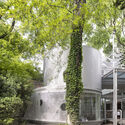
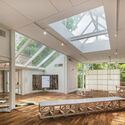
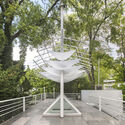
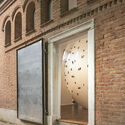
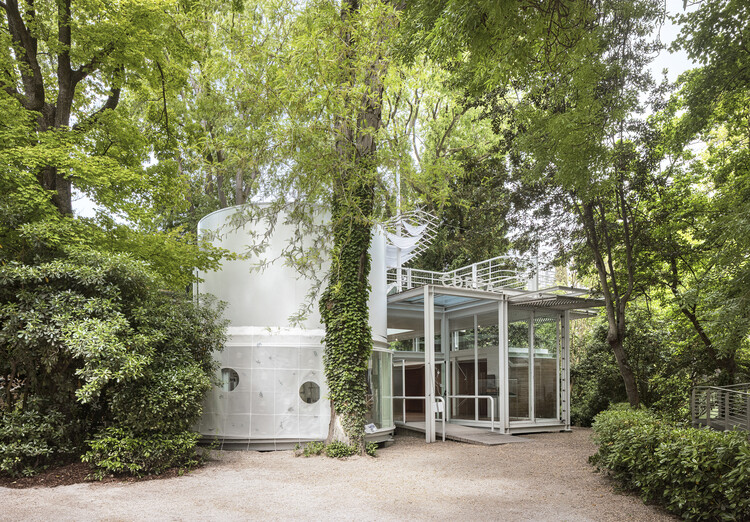
The Korean Pavilion at the 19th International Architecture Exhibition - La Biennale di Venezia marks its 30th anniversary with "Little Toad, Little Toad: Unbuilding Pavilion," an exhibition commissioned by Arts Council Korea (ARKO) and curated by Curating Architecture Collective (CAC), composed of Chung Dahyoung, Kim Heejung, and Jung Sungkyu. Bringing together architects and artists Kim Hyunjong, Heechan Park, Young Yena, and Lee Dammy, the exhibition critically revisits the pavilion as both a physical structure and a symbolic space, tracing its trajectory since its completion in 1995 while speculating on its possible futures.
https://www.archdaily.com/1034156/the-korean-pavilion-at-the-2025-venice-biennale-marks-30-years-with-little-toad-little-toad-unbuilding-pavilionReyyan Dogan
Nicholas Grimshaw, British High-Tech Architecture Pioneer and Founder of Grimshaw, Passes Away at 85
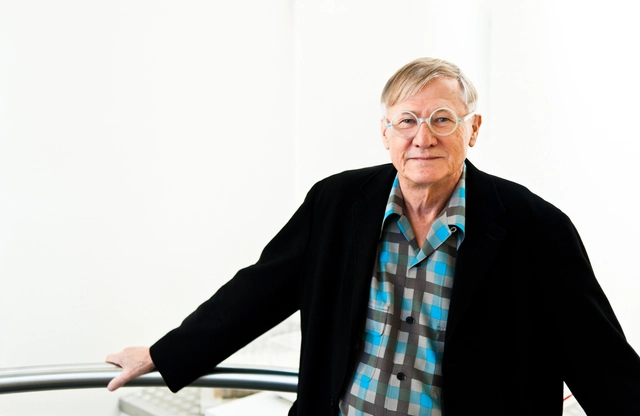
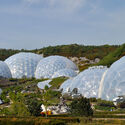
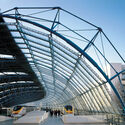
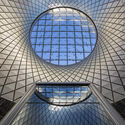
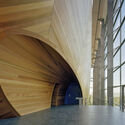
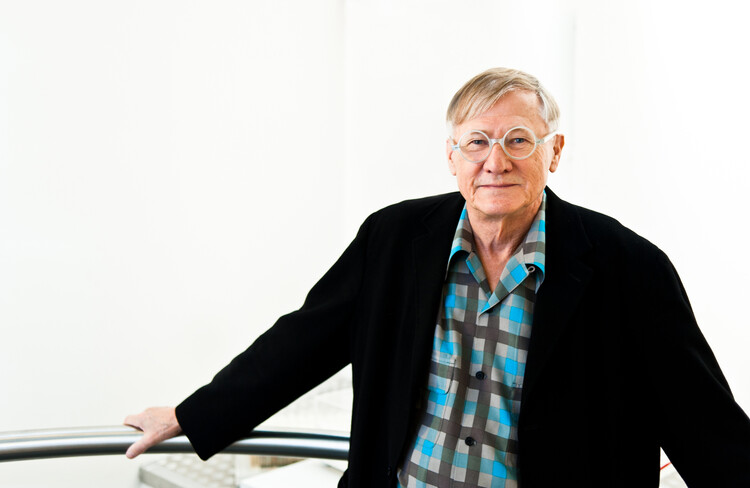
Sir Nicholas Grimshaw, the British architect known for advancing high-tech architecture and for founding the practice Grimshaw, has died at the age of 85. Over a career spanning more than five decades, he delivered public and infrastructure projects that emphasized structural clarity, advanced engineering, and utility. His major works include Waterloo International, the original Eurostar terminal in London; the Eden Project in Cornwall; the Financial Times Printworks; and major transport hubs around the world. Knighted in 2002 for his services to architecture, he helped define an era of British and international design. He served as President of the Royal Academy of Arts from 2004 to 2011 and was awarded the Royal Institute of British Architects' Royal Gold Medal in 2019.
https://www.archdaily.com/1034155/nicholas-grimshaw-british-high-tech-architecture-pioneer-and-founder-of-grimshaw-passes-away-at-85Antonia Piñeiro
Composing with Light: Atmospheres and Strategies at the Kompetenzzentrum Breisgau
| Sponsored Content

In Plato's allegory of the cave, light symbolizes knowledge: it is what guides the human being out of the shadows of ignorance and toward truth. In many religions, light is also associated with divinity, as a manifestation of the sacred. Over time, light ceased to be merely a symbol of reason and became an instrument of sensitivity, a living material capable of shaping atmospheres, influencing perception, and revealing meaning.
Light is masterfully used in the quiet spaces of Tadao Ando, for example, where it seeps in like a sacred substance between concrete walls. In Alvar Aalto's buildings, it is delicately modulated to converse with the Nordic sky. In James Turrell's immersive installations, it becomes body, color, and experience. But light also manifests in the most ordinary gestures: in every precisely oriented window, or every shadow carefully drawn to reveal what is not immediately visible. Like a conductor before the score and the orchestra, the architect can compose with light accentuating volumes, softening boundaries, and giving rhythm and intensity to the spaces we inhabit.
https://www.archdaily.com/1032508/composing-with-light-atmospheres-and-strategies-at-the-kompetenzzentrum-breisgauEduardo Souza
Rethinking Architectural Ideation With Human-Centric AI
| Sponsored Content

The earliest stages of ideation can be both the most exciting and the most challenging part of the design process. Ideas flow quickly, but they can be abstract and difficult to communicate. This can lead to frustration and waste precious time.
Now, architects, designers, and artists can shorten the distance between the first sketch and a meaningful design decision by pairing traditional ideation techniques with AI-powered visualization tools designed to enhance — not replace — human creativity. Chaos tools keep creators firmly in the center of the process, empowering them with speed and clarity without sacrificing ownership or control.
https://www.archdaily.com/1033832/rethinking-architectural-ideation-with-human-centric-aiRene Submissions
Almaty Museum of Arts by Chapman Taylor Opens in Kazakhstan

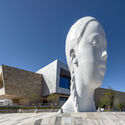
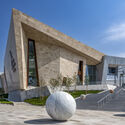
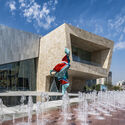
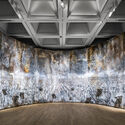
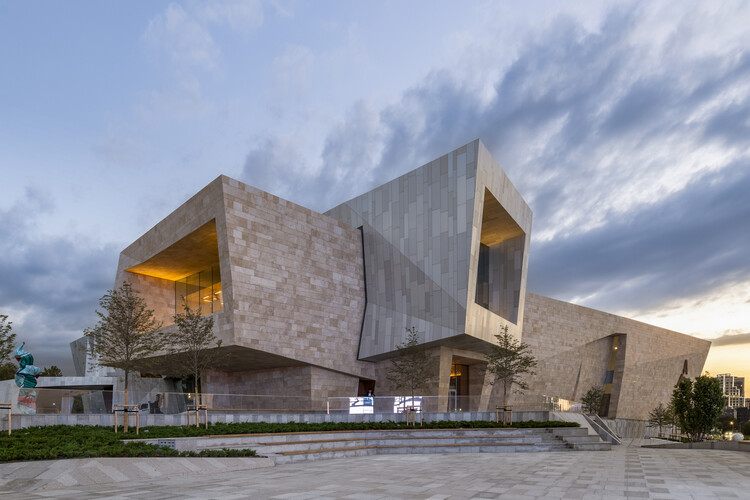
The Almaty Museum of Arts has opened in Kazakhstan, establishing a new cultural institution dedicated to contemporary art in Central Asia and internationally. Designed by Chapman Taylor, the museum is located at the foothills of the Tian Shan mountains and encompasses 10,060 square meters. The design draws inspiration from the contrast between the city of Almaty and its mountainous surroundings, a relationship expressed through two interconnecting limestone and aluminium-clad volumes. These are organized around a central, light-filled atrium referred to as the "Art Street," which serves as the primary circulation and gathering space.
https://www.archdaily.com/1034134/almaty-museum-of-arts-by-chapman-taylor-opens-in-kazakhstanReyyan Dogan
Lina Ghotmeh — Architecture Envisions a Landscape-Inspired Desert Dwelling in AlUla, Saudi Arabia

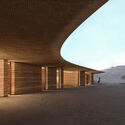
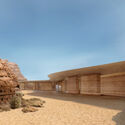
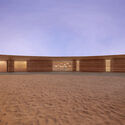
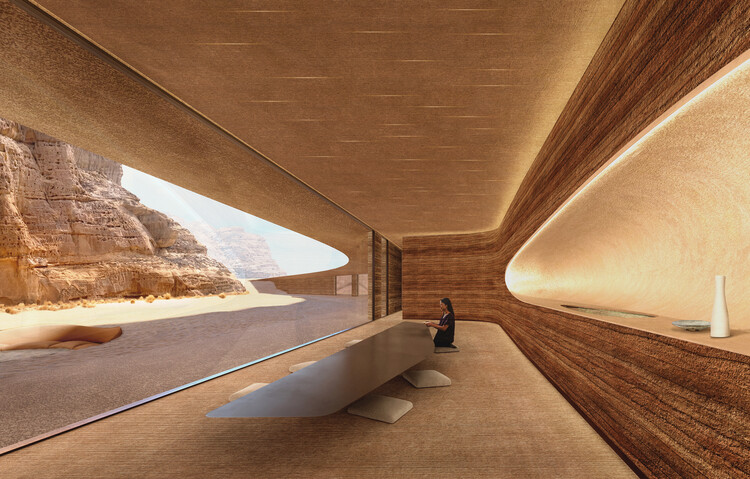
Lina Ghotmeh — Architecture recently revealed images of the AlUla Immersive Living project, a proposed dwelling envisioned to emerge from the desert landscape of Saudi Arabia. Its form is shaped by the site's light and wind, rooted in climate, and positioned between rock and dune. The design follows the concept of a shelter belonging as much to the desert as to its inhabitants, and behaving as a "living landscape." The structure is conceived with thick rammed-earth walls, contrasted by open platforms that frame the sky. It is presented as a statement of architecture intended "not to dominate but to host," providing refuge without severing connections, reflecting Lina Ghotmeh's position at the intersection of context, craft, and care.
https://www.archdaily.com/1034106/lina-ghotmeh-architecture-envisions-a-landscape-inspired-desert-dwelling-in-alula-saudi-arabiaAntonia Piñeiro
The Continuous Project: A Case of Iterative Placemaking in Long You, China

The architect's role has traditionally been relatively well-defined: design a building, direct the project, coordinate logistics, and guide construction through to completion. As specialised fields have proliferated, together with a rapidly changing social economy, the practice of architecture has diversified, opening multiple paths for how architects can contribute to society.
Since the 1980s, one of the most consistent shifts may have been the separation between the "design architect" and the "architect of record." Where a single office once carried a project from concept to completion, internationalisation—alongside cross-border work, licensure regimes, procurement models, and liability structures—has encouraged a split. Design teams increasingly set the conceptual and schematic direction, then hand over the design development to local record architects for technical detailing, approvals, and site execution. The model has clear advantages—sharper expertise, efficiency, and often profitability (or services offered at reduced fees)—but it also segments the profession and can distance authorship from delivery.
What, then, might the next shift be, and what new synergies could redefine the architect's role? How should architects adapt to the changing professional climate? One promising trajectory is a turn from singular, permanent objects toward ongoing placemaking—iterative, context-specific programmes that prototype, test, and refine spatial ideas in public. Rather than producing one large, iconic work that fixes a site for decades, this model privileges cycles of making, use, evaluation, and adjustment at the community scale.


https://www.archdaily.com/1034118/the-continuous-project-a-case-of-iterative-placemaking-in-long-yau-chinaJonathan Yeung
More Than Parking: 12 Projects to Reclaim Urban Space
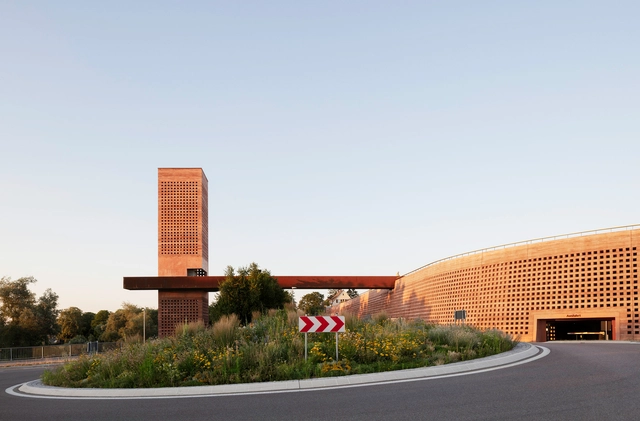
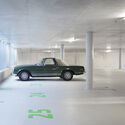
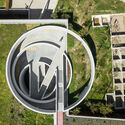
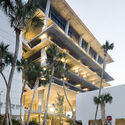
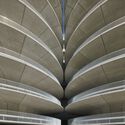
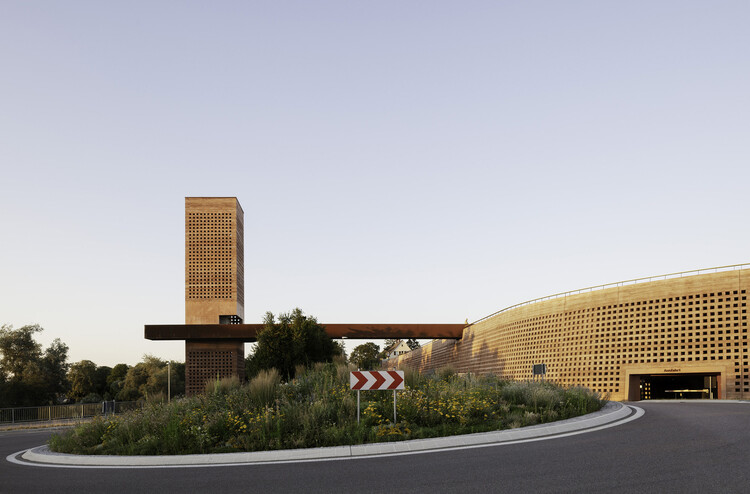
Marginalized in architectural discourse and often dismissed as purely functional, parking garages remain among the most ubiquitous structures in the urban landscape. Designed to accommodate the needs of private vehicles, they occupy central locations, shape skylines, and consume considerable resources, yet rarely receive the same attention — or architectural care — as cultural institutions, schools, or housing. Despite their prevalence, these buildings tend to fade into the background of daily life, treated as infrastructural necessities rather than as design opportunities.
This is beginning to change. As urban mobility undergoes profound transformations — from the decline of car ownership to the rise of electric vehicles and shared transport systems — the role of parking infrastructure is being redefined. Architects and planners are reimagining garages as adaptable frameworks that integrate public space, ecological functions, and mixed-use programs. These new approaches challenge the perception of parking as a residual typology and instead position it as a civic structure with the potential to support more inclusive, flexible, and sustainable urban models.
https://www.archdaily.com/1033620/more-than-parking-12-projects-to-reclaim-urban-spaceDiogo Borges Ferreira
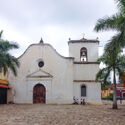
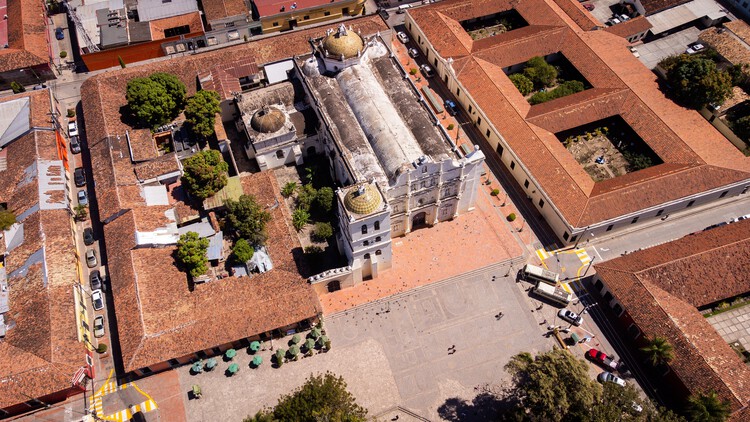
The Architect as Policymaker: The Case of Comayagua's Heritage Preservation in Honduras
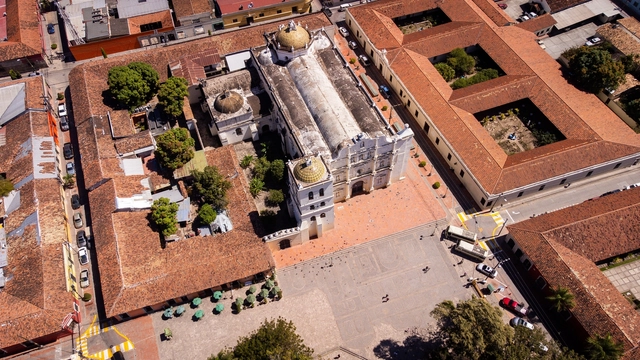
Comayagua is a city in central Honduras nestled in a valley with the same name. It holds a pivotal place in the nation's history, having served as its colonial and early republican capital for over 300 years. However, when the capital was relocated to Tegucigalpa in 1880, Comayagua's urban expansion halted, inadvertently preserving an ample and rich heritage. By the early 1990s, much of the city's architectural legacy was in a state of disrepair. Recognizing the urgent need to protect it, the governments of Honduras and Spain initiated a collaborative effort, with the objective of initiating a long-term restoration program to create a policy framework that would ensure the preservation of the city's historic center for years to come.


https://www.archdaily.com/1033892/the-architect-as-policymaker-the-case-of-comayaguas-heritage-preservation-in-hondurasMoises Carrasco