1. ArchDaily
  2. 2016 Olympic Games

2016 Olympic Games: The Latest Architecture and News

From Wooden Shells to Polycarbonate Panels: The Materials Shaping Flexible Sports Spaces

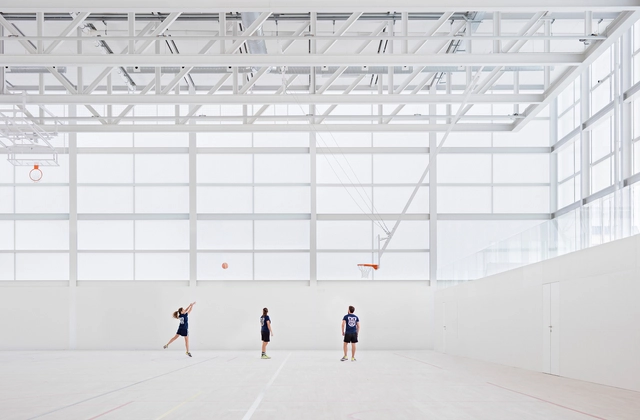
The Roman Colosseum is arguably the most iconic versatile venue in the world. Although this structure was not intended for sporting activities, it hosted various events, from the well-known gladiatorial combats to theatrical performances and the dramatic naumachia (naval battles). This demonstrates that flexible use of space has been relevant since ancient times. Centuries later, in the context of the ever-changing built environment and urban development, sports venues have similarly evolved, becoming outstanding examples of multi-purpose spaces.

These athletic complexes have transformed from highly specialized venues into dynamic, multifunctional structures. Whether hosting major international events such as the Olympic and Paralympic Games or serving as gathering spots for local communities, these spaces strike a delicate balance between addressing the needs of specific sports and maintaining the flexibility to accommodate a range of activities. How do these diverse functions coexist and interconnect? This analysis will explore how sports facilities are configured as flexible hubs for other disciplines and everyday activities.
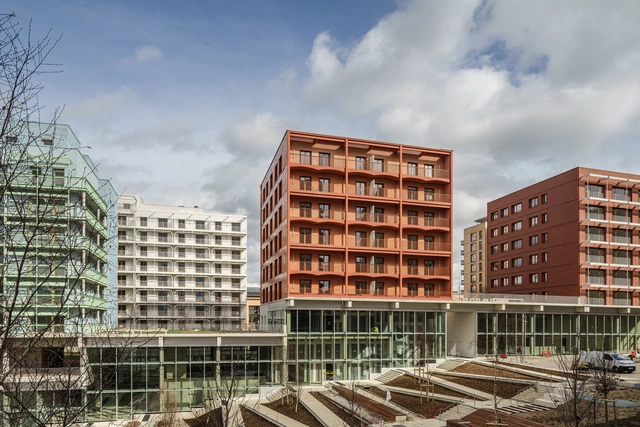
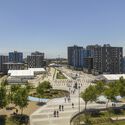
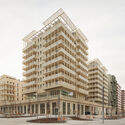
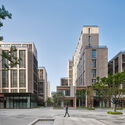
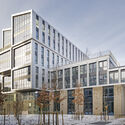
Beyond Sports: 10 Reversible and Multifunctional Olympic Villages

The first Olympic village was built for the 1924 Summer Games in Paris. Before this, athletes stayed in hotels, hostels, schools, headquarters, and even on the ships that brought them to the host cities. Pierre de Coubertin, co-founder of the International Olympic Committee (IOC), proposed the idea of an Olympic village. He realized it would be more cost-effective to house athletes in temporary structures rather than hotels. He believed the village would also create a sense of community among the international competitors.

Beyond Sports: 10 Reversible and Multifunctional Olympic Villages - Image 1 of 4Beyond Sports: 10 Reversible and Multifunctional Olympic Villages - Image 2 of 4Beyond Sports: 10 Reversible and Multifunctional Olympic Villages - Image 3 of 4Beyond Sports: 10 Reversible and Multifunctional Olympic Villages - Image 4 of 4Beyond Sports: 10 Reversible and Multifunctional Olympic Villages - More Images+ 7

Working in Brazil: The Pros & Cons

In this article, which originally appeared on the AIArchitect, Sara Fernández Cendón discusses the opportunities and challenges for US architects who are taking advantage of Brazil's infrastructure development boom, particularly in the wake of the 2014 FIFA World Cup and in preparation for the 2016 Summer Olympics.

Until Brazil was selected to host the FIFA World Cup in 2014 and the Summer Olympic Games in 2016, only three countries had hosted both events back-to-back. Successful bids for either event are usually equal parts proof that the country already has what it takes and a promise that it will do whatever else necessary to make things run smoothly.

In Brazil’s case, the “promise” part has generated a handful of projects for architectural firms around the world; Populous is responsible for conceptual design a stadium in the city of Natal, for example. And some observers believe that World Cup building delays could generate a rush of last-minute opportunities for foreign construction professionals. But even if these two headline-grabbing events haven’t been fully planned and designed by foreigners new to Brazil, the country is evolving into an emerging market for American architects, built on its intense thirst for upgraded commercial and transit infrastructure.

Weston Williamson Wins Brasilia Stadium Competition with Responsive Arena

London-based studio Weston Williamson has been announced the winner of the Brasilia Athletics Stadium competition. The international competition, associated with the 2016 Olympic Games in Rio, called for designers to envision a 70,000 seat stadium in the nation's capital.

Is an Olympic Bid Ever Worth It? What if You Lose?

In "How (Not) to Host the Olympics," I suggest that, when it comes to Olympic Planning, there is one Golden Rule: “The best thing to do if you’re bidding for the Olympics, Is to Not Get the Olympics.”

However, a recent article from The Atlantic Cities' Emily Badger takes that claim to question.

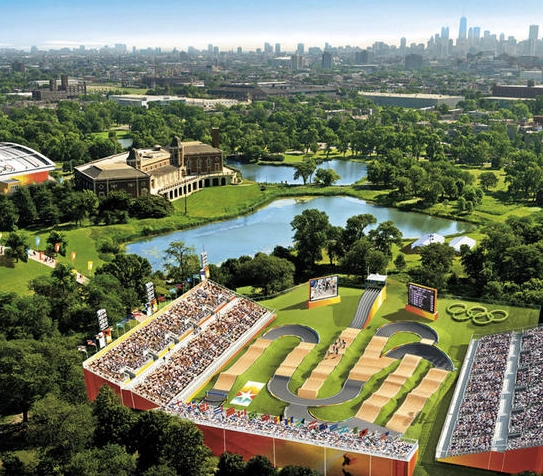
Badger follows up in Chicago, a city that bid - hard - for the 2016 Olympics (which will take place in Rio de Janeiro). As she puts it: "We often ask what Olympic cities really get in return for all the money, energy, and construction chaos invested in hosting the world's largest sporting event. But the story of cities that vie for but never win the Games raises a different question.

'What does putting together a bid that is unsuccessful leave you?'"