1. ArchDaily
  2. AD Recap Articles

AD Recap Articles: The Latest Architecture and News

Beyond Human: Architecture as a Participant in Living Systems

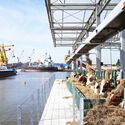
The built environment has historically served humans as a mechanism of environmental control. Through our intellectual capacities and ability to organize, we have used buildings to actively influence and terraform the immediate context in which they are inserted, often treating geography, water, and ecosystems as resources to be extracted and managed. However, more and more, architecture is transitioning from exploiting physical and biological matter to actively collaborating with it. This shift demands that architects explore how buildings and their materials grow, transform, decay, and persist beyond human timelines. This thinking also serves as a starting point for the profession to reflect on how it influences the natural world, as well as the non-human species around it, creating networks and connections between humans, buildings, living organisms, and natural environments.


Beyond Human: Architecture as a Participant in Living Systems - Image 1 of 4Beyond Human: Architecture as a Participant in Living Systems - Image 2 of 4Beyond Human: Architecture as a Participant in Living Systems - Image 3 of 4Beyond Human: Architecture as a Participant in Living Systems - Image 4 of 4Beyond Human: Architecture as a Participant in Living Systems - More Images+ 5

Mapping the Technosphere: Architecture as an Interface Between Systems and Territories

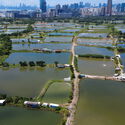
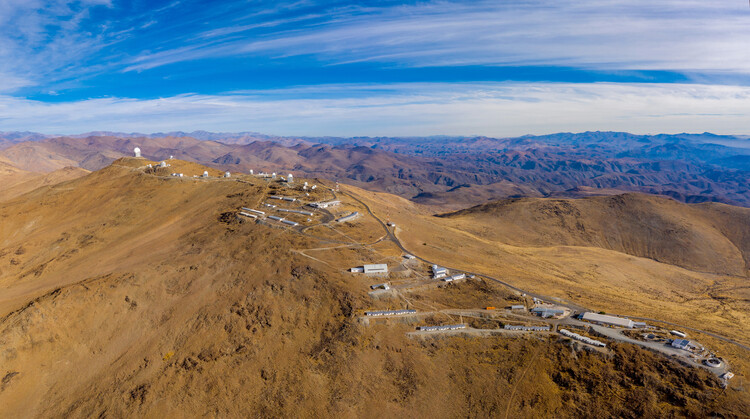
Architecture can no longer be thought of as an isolated object, detached from the technical networks that sustain contemporary life—a scenario that demands different readings and approaches. Against this backdrop, in March, ArchDaily's monthly topic focused on The Technosphere: Architecture at the Intersection of Technology, Ecology, and Planetary Systems, a broad and inevitably complex topic. Stemming from the concept of the technosphere, coined by geologist Peter Haff to describe the collective artifacts produced by humanity, a panorama emerges in which contemporary life is deeply intertwined with machines, data, and energy grids.

Mapping the Technosphere: Architecture as an Interface Between Systems and Territories - Image 1 of 4Mapping the Technosphere: Architecture as an Interface Between Systems and Territories - Image 2 of 4Mapping the Technosphere: Architecture as an Interface Between Systems and Territories - Image 3 of 4Mapping the Technosphere: Architecture as an Interface Between Systems and Territories - Image 4 of 4Mapping the Technosphere: Architecture as an Interface Between Systems and Territories - More Images+ 11

Architecture as Nation-Building: Modernism and Independence in Africa

Subscriber Access | 

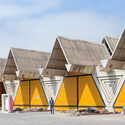
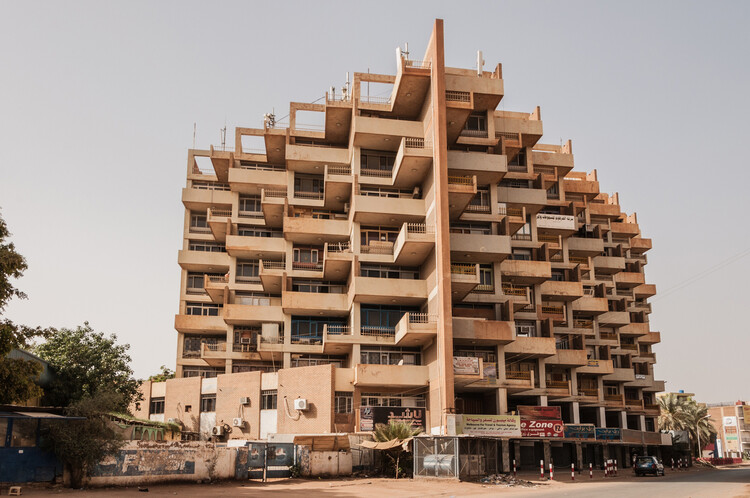
Launched in September 2024, the Rediscovering Modernism in Africa series joined a growing worldwide interest in this topic. Previously underrepresented in architectural discussions, the work of architects and researchers on the continent and abroad has continued to tell the story of these high-quality modern works of architecture. These buildings represent designers striving to create locally suited architecture using global concepts and technologies, coinciding with huge political changes as most African countries gained their independence.

Architecture as Nation-Building: Modernism and Independence in Africa - Image 1 of 4Architecture as Nation-Building: Modernism and Independence in Africa - Image 2 of 4Architecture as Nation-Building: Modernism and Independence in Africa - Image 3 of 4Architecture as Nation-Building: Modernism and Independence in Africa - Image 4 of 4Architecture as Nation-Building: Modernism and Independence in Africa - More Images+ 8

Architecture as Infrastructure: How India Builds for a Billion

Subscriber Access | 

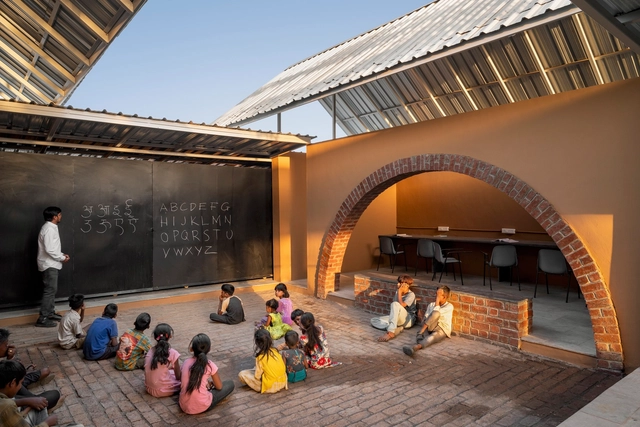
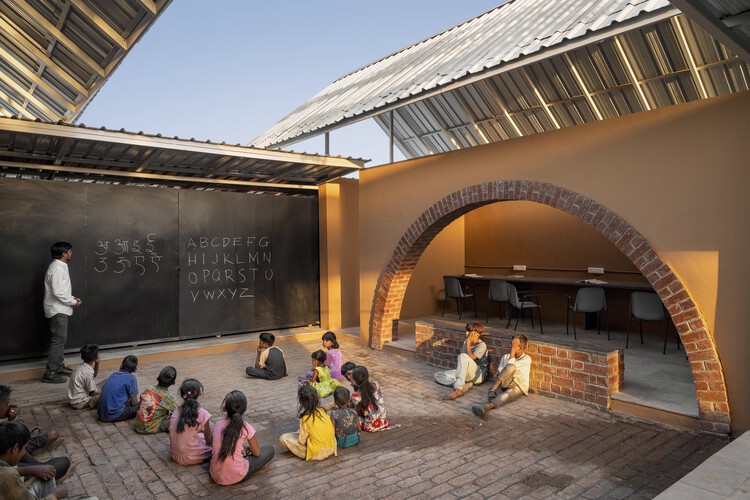
India's built environment has, in recent years, gained visibility through a growing number of transformative architectural and infrastructure projects. Cities and towns scale faster each year, despite looming concerns around climate and economic volatility. The nation has shown resilience in balancing rapid urbanization with resource constraints; this is no small feat. India's architectural practices rarely rely on novelty alone; they are built on systems that have existed for centuries. Through ArchDaily's Building for Billions, recurring stories have highlighted the social intelligence and adaptive capacity embedded in these practices, revealing an architecture that operates less as isolated form and more as infrastructure.

Architecture as Infrastructure: How India Builds for a Billion - Image 1 of 4Architecture as Infrastructure: How India Builds for a Billion - Image 2 of 4Architecture as Infrastructure: How India Builds for a Billion - Image 3 of 4Architecture as Infrastructure: How India Builds for a Billion - Image 4 of 4Architecture as Infrastructure: How India Builds for a Billion - More Images+ 2