1. ArchDaily
  2. Adaptive Formations

Adaptive Formations: The Latest Architecture and News

Urban Banquet at the Curb: Hong Kong’s Third-Space Dining

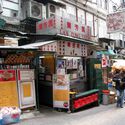
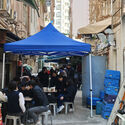
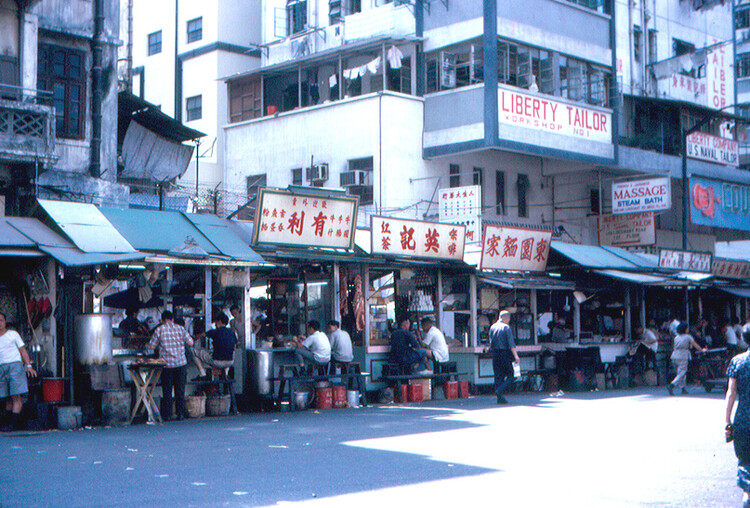
Across cities worldwide, architecture unfolds continuously at the scale of people and community—not only through new buildings, renovations, or monumental works. "Third spaces" are especially revealing. Consider the street-side culinary realm: how seating, serving, and lingering occupy the edge of the street often discloses a city's cultural codes and spatial habits. What forms of dining and inhabitation have emerged in response to local climate, regulation, and social custom—and how have they evolved over time?

In parts of Europe, for instance, al fresco in Italy and en terrasse in France name culturally specific ways of dining in public, drawing the meal into the urban field—attuned to weather, air, and the passive sociability of people-watching. Since COVID-19, New York City has similarly expanded outdoor dining, reflecting a community-driven desire to engage the streetscape while eating—an everyday, street-level "third place" within a dense metropolis.
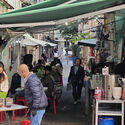
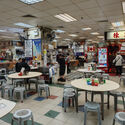
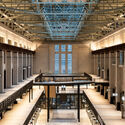
Urban Banquet at the Curb: Hong Kong’s Third-Space Dining - Image 1 of 4Urban Banquet at the Curb: Hong Kong’s Third-Space Dining - Image 2 of 4Urban Banquet at the Curb: Hong Kong’s Third-Space Dining - Image 3 of 4Urban Banquet at the Curb: Hong Kong’s Third-Space Dining - Image 4 of 4Urban Banquet at the Curb: Hong Kong’s Third-Space Dining - More Images+ 7

Laying the Groundwork: Six Creative Strategies for Reusing Architectural Foundations

Adaptive reuse allows architects to conserve resources, reduce waste, and extend the life of existing structures. By working with what already exists, architects lessen the need for new materials, lower energy consumption, and limit demolition debris. This approach protects natural habitats and green spaces by reducing the demand for new land development. Through reuse, cities become more sustainable and less carbon-intensive while preserving the material and cultural value of the built environment.

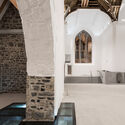
Laying the Groundwork: Six Creative Strategies for Reusing Architectural Foundations - Image 1 of 4Laying the Groundwork: Six Creative Strategies for Reusing Architectural Foundations - Image 2 of 4Laying the Groundwork: Six Creative Strategies for Reusing Architectural Foundations - Image 3 of 4Laying the Groundwork: Six Creative Strategies for Reusing Architectural Foundations - Image 4 of 4Laying the Groundwork: Six Creative Strategies for Reusing Architectural Foundations - More Images+ 11

Adaptive Formations / Design Studio 4of7

Subscriber Access | 
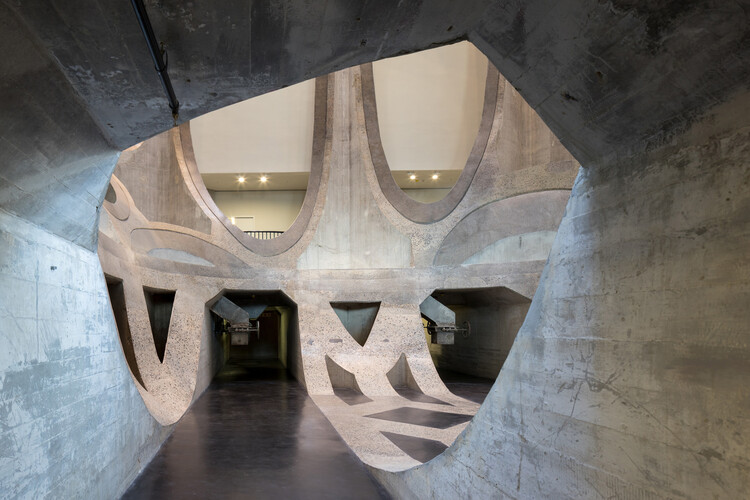
Adaptive Formations / Design Studio 4of7 - Image 10 of 4

Design Studio 4of7 in conjunction with the University of Belgrade’s Graduate Program has spent a year exploring alternatives for the Port of Belgrade, a 110 hectare site on the river Danube bank in Southeast Europe. The port belongs to the central zone of the city and currently, the former industrial riverfront has attracted developers, city authorities, architects and planners to design its future potential. Over the last two academic terms, the Graduate Program has had the opportunity to work with the actual redevelopment of the site and exchange ideas with Daniel Libeskind Studio and Gehl Architects who are both working on the master plan.

More about the design after the break.