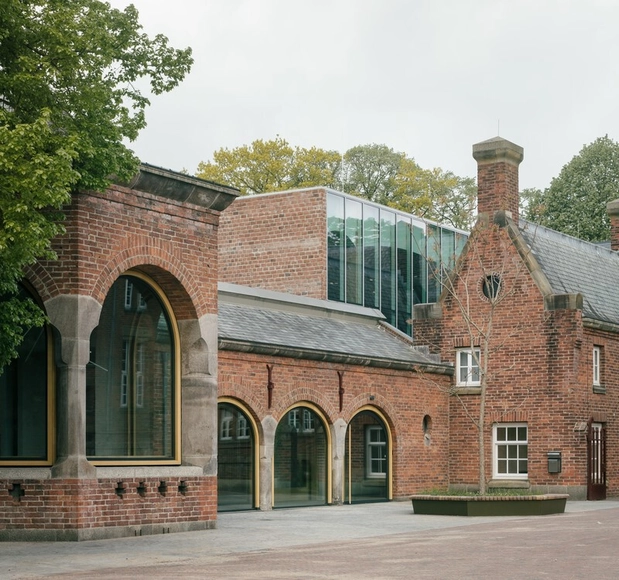
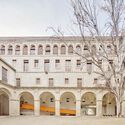
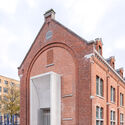
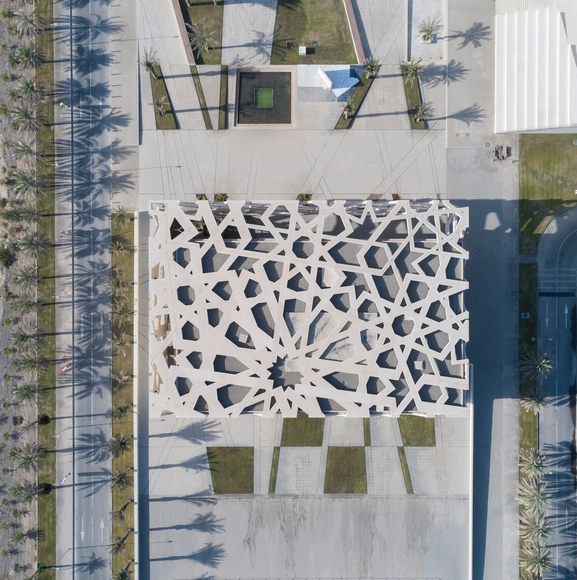
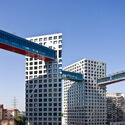
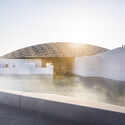
Throughout their relatively recent history, museums have evolved to condense particular aspects of a culture and present them in a coherent and unified manner. This makes the connection between the architecture and the exhibit a crucial matter, as the architect is tasked with designing not only the framework and background of the exhibited arts or artifacts but also taking charge of the journey undertaken by the visitor, harmonizing the cultural gain with the lived spatial experience of walking the exhibition halls. However, not all museums have been purposely built for this task.
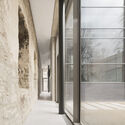
Across Europe, museums are being organized within or expanding upon historical monuments and buildings that have lost their original purpose. Then in a state of decay, this decision to reorganize them as cultural venues stops the decay and preserves the historical material, adding a new layer of complexity to the intended exhibits. The architect's role becomes that of introducing order and a system that can balance the heritage of the place with the needs of modern functionality, ensuring that the essence of the original structure is preserved while meeting the needs of contemporary exhibitions and public engagement.
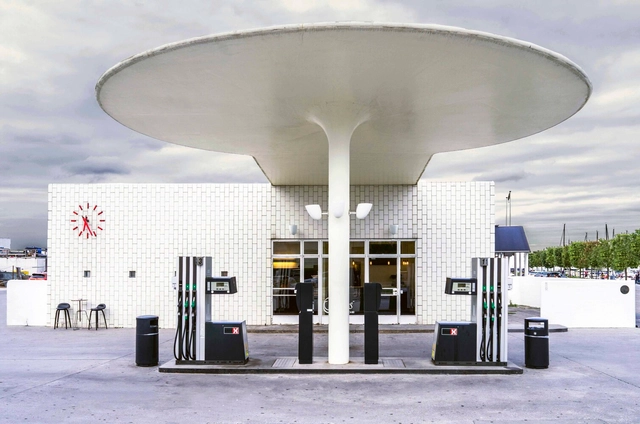
The gas station is an architectural typology that has undergone significant transformations since its inception. Initially, these structures were simple roadside refueling points designed for functionality rather than aesthetics. As automobile culture expanded, gas stations evolved to accommodate new technologies, shifting urban landscapes and changing consumer behaviors. Over time, they became more than just utilitarian stops — they developed into service hubs, integrating restaurants, motels, and leisure spaces, responding to contemporary transportation increasing demands.
By the late 20th century, however, the widespread standardization of gas stations led them to be perceived as "non-places", a concept defined by anthropologist Marc Augé to describe transient spaces that lack social or cultural significance. With uniform designs and a focus on efficiency, gas stations became interchangeable, reinforcing their role as purely functional infrastructure rather than meaningful architectural interventions. This standardization also departed from the era when fuel stations served as recognizable landmarks, contributing to a homogenized landscape devoid of local identity.
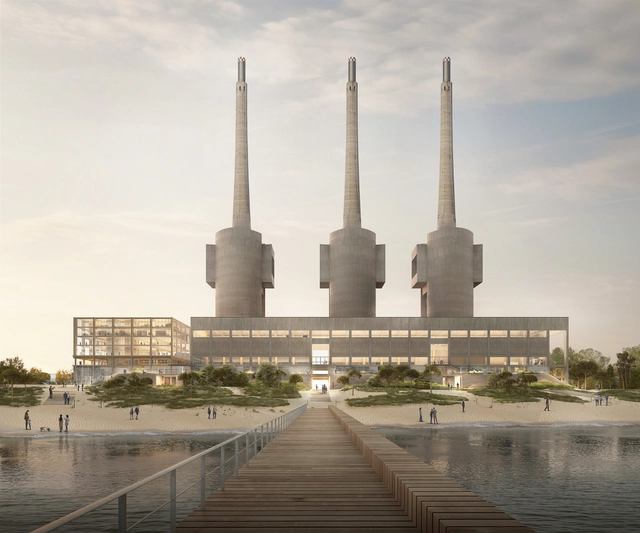
Garcés de Seta Bonet and MARVEL Architects' proposal won the competition to adapt and expand the Tres Xemeneies/Three Chimneys, a former power plant set to become the Catalunya Media City hub in Barcelona, Spain. With their winning design, the two studios sought to preserve the site's historical legacy while creating a space that can evolve and shape future possibilities. Scheduled to begin in the summer of 2025 and expected to be completed by 2027/2028, the project is planning to offer a range of features and services designed to foster innovation, creativity, technology, training, and digital culture exhibitions.
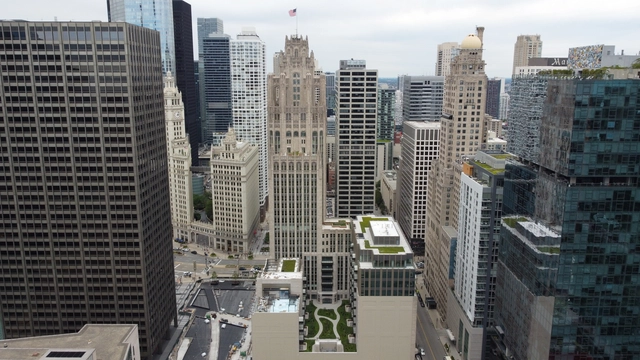
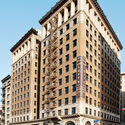
The Los Angeles City Council has approved the revised Citywide Adaptive Reuse Ordinance (Citywide ARO), which is planned to take effect in 2025. Building on the success of the 1999 ordinance, which facilitated the creation of over 12,000 housing units in Downtown LA, the updated policy aims to address the city's ongoing housing crisis and repurpose underutilized buildings.
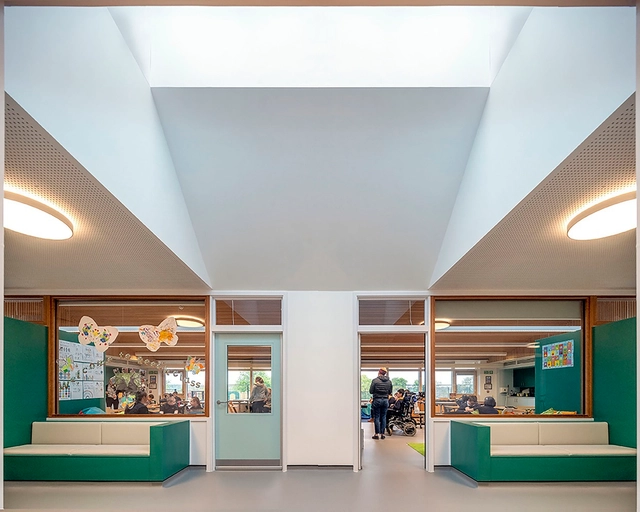
Gallaudet University was established in 1864, becoming the first American educational institution for the deaf and hard of hearing. The university is officially bilingual, with American Sign Language (ASL) and written English used throughout the educational programs. Over the years, the university has grown, adapting both its teaching methods and its spaces to the needs of its students, in turn learning from them how to counter the challenges they face and create a safer and more comfortable environment. These lessons turned into design guidelines, created to educate the architectural community about the strategies they can employ to create more accessible spaces for all.
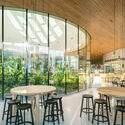
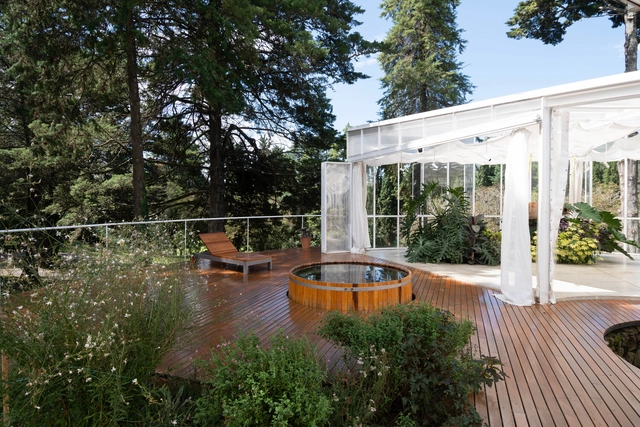
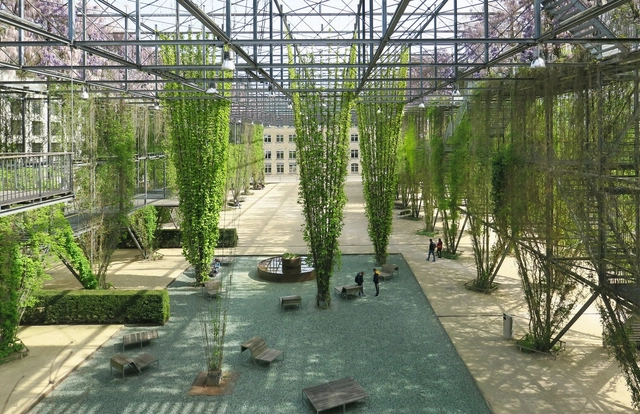
How can architecture professionals transform the atmosphere of a structure? What kinds of interventions can go beyond adaptive reuse to modify spatial perception? As architectural structures are repurposed over time, new uses and needs emerge between spaces and their users. While the structures of old buildings keep the memory of communities alive, the introduction of new life through greenhouses, housing, commerce, offices, or cultural centers brings about new atmospheres where light, ventilation, the integration of nature, and other elements reshape interior experiences.
A previous exploration of cultural landmarks in the Middle East designed by international architects highlighted recurring themes such as architecture as an extension of the landscape, climate-responsive design, and abstraction of traditional forms. These projects often introduced high-tech environmental solutions, used monumental forms to reinterpret local identity, or positioned themselves as landmarks within the broader urban or desert landscape. While these approaches have defined many of the region's most recognizable cultural institutions, they represent just one side of the architectural discourse. An equally significant yet distinct trajectory emerges from local architects, who work within existing structures, historical contexts, and lived environments to create institutions that feel deeply embedded in their surroundings. This approach prioritizes continuity, transformation, and accessibility, ensuring that architecture remains an evolving part of the cultural fabric rather than a self-contained object.
Creating an atmosphere that enhances exhibitions and enriches the visitor and user experience requires a thoughtful balance between preserving a space's unique character and adapting it to meet the needs of artistic and cultural production. The challenge lies in maintaining a building's industrial atmosphere while accommodating the specific requirements of exhibition design or the various uses the new building will require. This delicate task involves careful consideration of spatial layout, material choices, and lighting solutions, all of which play a significant role in shaping the new environment.
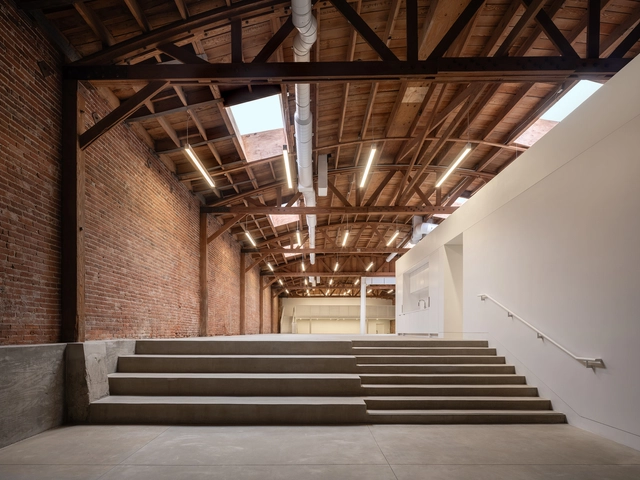
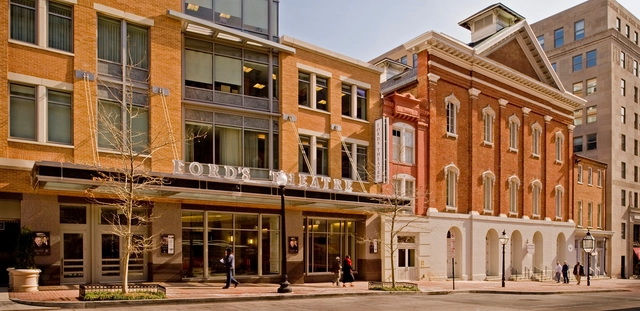
Many major cities in the United States are grappling with large industrial buildings that have fallen into disuse. These buildings hold historical and architectural significance and are often protected from demolition. Consequently, architects face the challenge and responsibility of adapting these buildings to contemporary functionalities. Opting against demolition reflects a sustainable construction approach and highlights the importance of honoring the built heritage.
Sustainability in architecture is often framed as a universal challenge, leading to standardized solutions that prioritize efficiency over context. However, architecture is inherently tied to its environment — buildings interact with climate, topography, and cultural history in ways that demand specificity. Instead of relying on standardized sustainability checklists, how can architecture embrace site-specific solutions? This conversation is deeply connected to the concept of Genius Loci, or the spirit of a place, introduced by Christian Norberg-Schulz and embraced by architects advocating for designs that resonate with their surroundings. It suggests that architecture should not be imposed upon a site but rather emerge from it, informed by its materials, climate, and cultural significance. This philosophy challenges the widespread application of generic sustainable technologies, instead proposing that sustainability must be inherently tied to the location in which it operates.
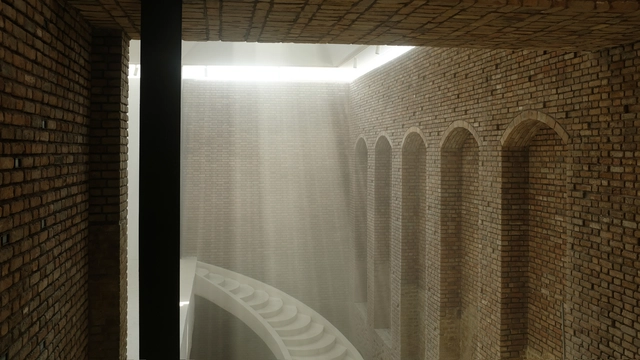
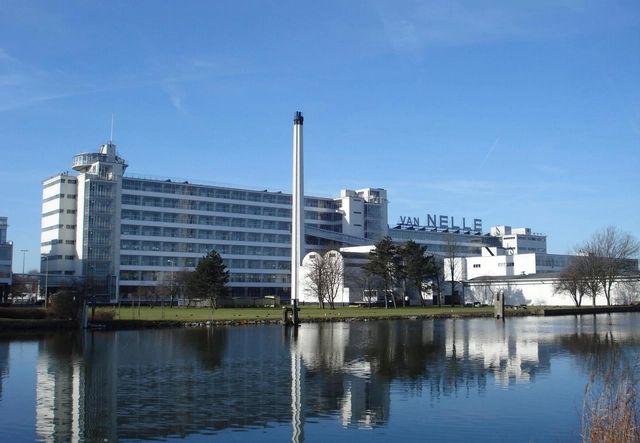
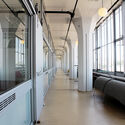
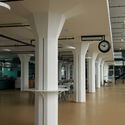
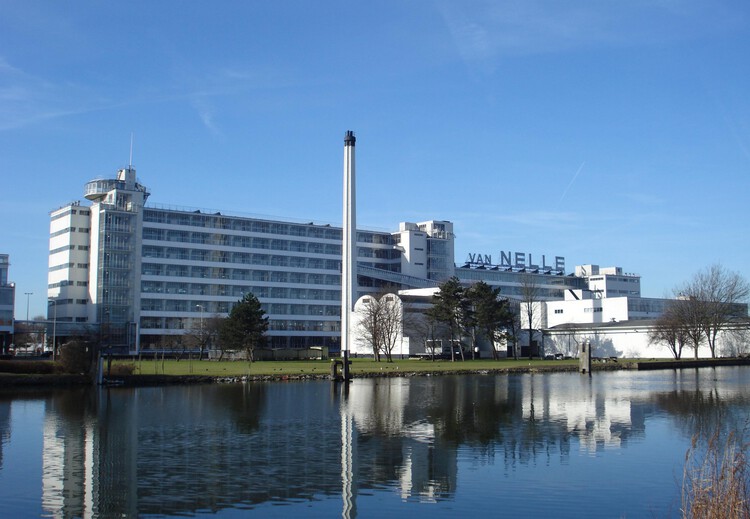
Envisioned as a "daylight factory", the Van Nelle complex introduced revolutionary architectural and social concepts for its time. By integrating glass, steel, and concrete into an open, rational layout, it demonstrated how design could transform industrial processes while improving the lives of the people within. It was not merely a space for production but a symbol of optimism, representing the potential of architecture to reshape industries and communities.
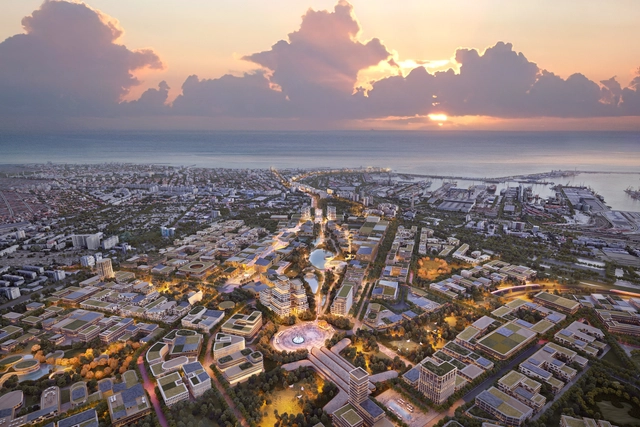
Foster + Partners has developed a masterplan for a 38-hectare former industrial site in the heart of Constanța, a port city in Romania's Dobrogea region. The design transforms the site into a "city within a city," incorporating cultural and educational buildings, retail, entertainment, sports and leisure facilities, public parks, and botanical gardens. The project aims to reconnect the urban landscape and enhance the city's experience. The proposal is rooted in Constanța's history, from its Greek and Roman origins to its more recent industrial heritage.
The United States is a country with an extensive history, its buildings holding onto legacies from later times. For their cultural significance, these structures are greatly celebrated and protected, however, they are also exempt from certain energy efficiency mandates. As cities push toward reaching climate goals, these mandates are under scrutiny. Preservationists argue that historic buildings deserve protection from potentially damaging retrofits. On the other hand, sustainability advocates bring up the need for energy efficiency improvements across all sectors of the built environment. The challenge lies in achieving a balance between the competing priorities - ensuring the maintenance of heritage and environmental responsibility.
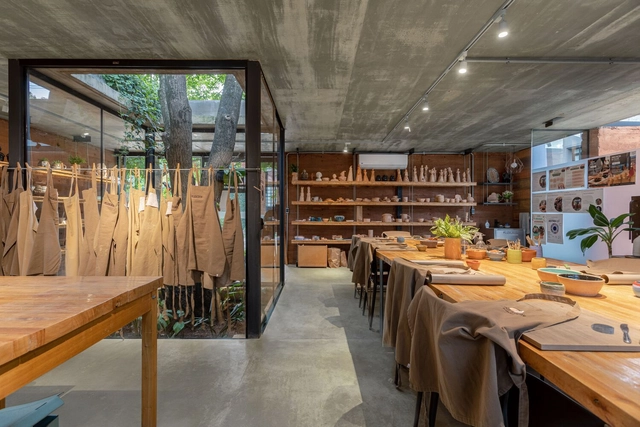
In recent years, working from home has become increasingly common, creating a need for domestic spaces that accommodate both professional and personal life. This is especially true for artists, where the integration of living and working spaces is essential. Often, these spaces must also serve as areas for exhibiting artistic production, such as paintings, sculptures, ceramics, and more.
This fusion of work and living environments has influenced architectural and interior design trends, prioritizing flexibility, multifunctionality, and aesthetics that foster both creativity and comfort. Open-plan layouts, modular furniture, and adaptable lighting solutions are now key elements in designs that support the seamless coexistence of work and personal life.
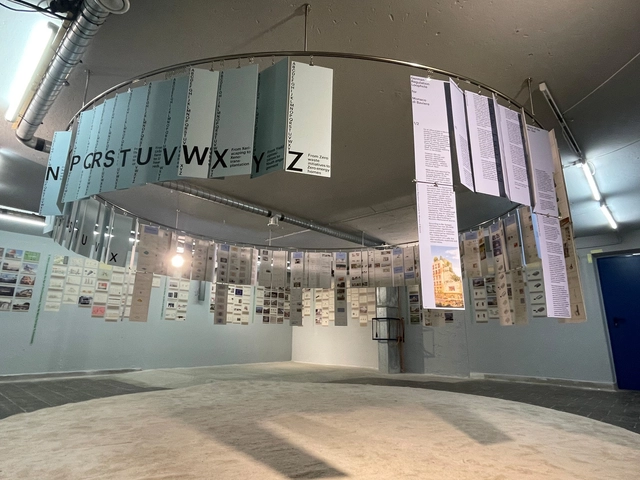
As the global climate crisis intensifies, the construction industry faces increasing pressure to reduce carbon emissions, prompting a fundamental reassessment of building practices. Dutch architecture firm MVRDV, known for its commitment to sustainability, presents an honest exploration of this challenge in "Carbon Confessions," an exhibition at Munich's Architekturgalerie. The exhibition provides insight into the firm's ongoing efforts, highlighting both its achievements and the obstacles encountered in the pursuit of carbon reduction.
Modernism in architecture emerged at the beginning of the twentieth century, fueled by advancements in science and engineering and a deliberate departure from historical styles. It championed a focus on social equity, urban development, efficiency, and functional design, marking a significant shift in architectural philosophy. Originating primarily in Europe and the United States, modernism captivated the global imagination with its innovative redefinition of space and architecture. Its spread to Asia was facilitated by cross-cultural exchanges—East Asian architects who studied under prominent modernists and European architects working in East Asia through international collaborations or colonial-era influences.
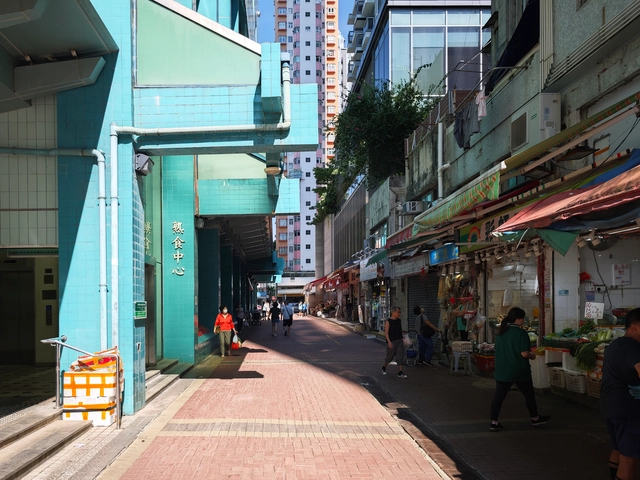
In Delirious New York, Rem Koolhaas vividly discusses the Downtown Athletic Club, a striking example of how an unassuming building exterior can conceal a vibrant mix of distinct, self-contained programs. Inside the uniform facade of this skyscraper, a private athletic club hosts an eclectic range of facilities—boxing gyms next to oyster bars and interior golf ranges below swimming pools—all segregated yet highly accessible. The Downtown Athletic Club epitomized the dynamism of New York's skyscrapers at the time, showcasing the thrill of capitalism through a selective, inward-focused world of leisure and privilege for the selected. This "machine of programs" operated independently of the external city as an isolated ecosystem within its walls. Yet, one might ask: could a similar model, designed for public use, create a more inclusive, lively community and neighborhood experience? This will activate the building within, instead of only serving the selected elites, and influence and transform the urban fabric and shapes around the building. In Hong Kong, a distant parallel can be drawn with the Municipal Services Buildings (MSBs)—publicly-funded structures that serve the community by integrating diverse functions within a singular vast building mass, much like the Downtown Athletic Club.