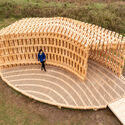
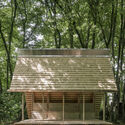
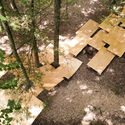
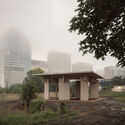
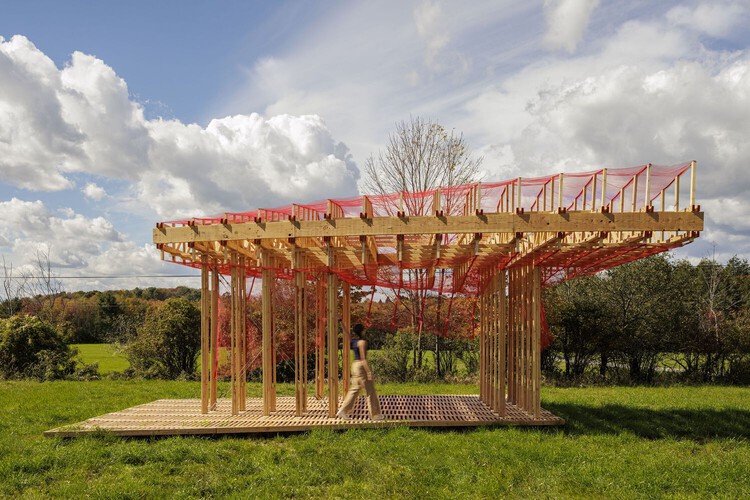
Wood is among architecture's oldest and most familiar materials, yet its contemporary use raises complex questions about environmental impact, resource availability, material provenance, and circularity in relation to local economies. At the same time, advances in computational design, CNC machining, and robotic fabrication are also reshaping how timber is designed and assembled, opening new possibilities for structural innovation and formal expression while redefining the balance between automation, labor, and efficiency.