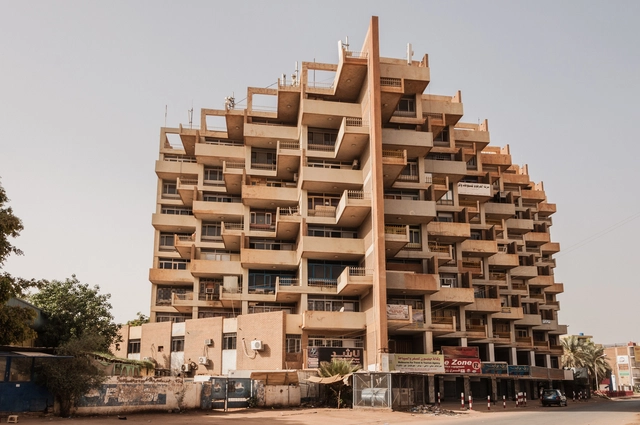
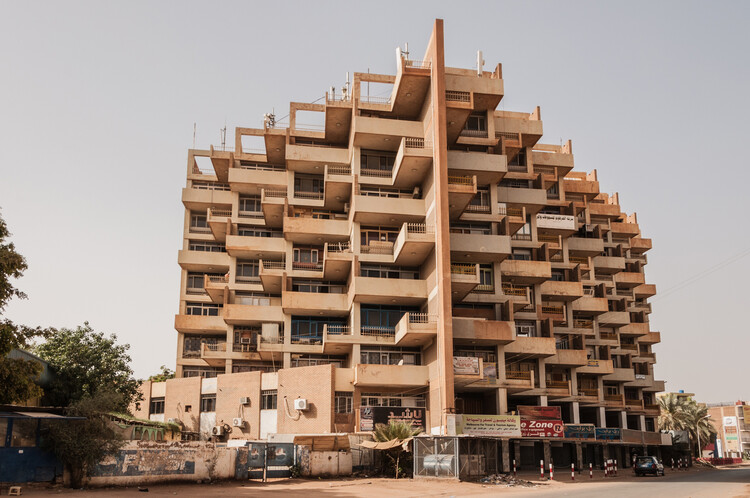
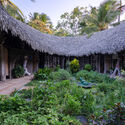
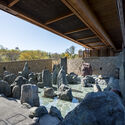
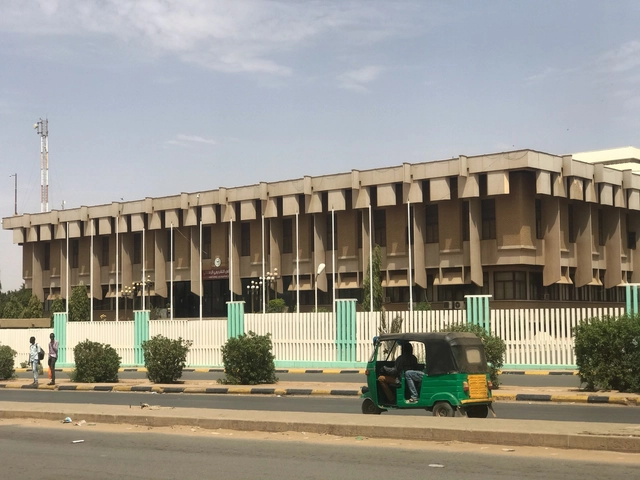
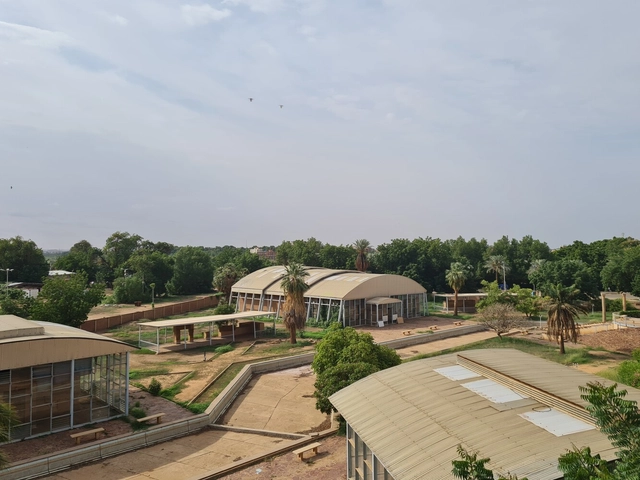
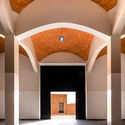
Little has been written about the work of Abdelmoneim Mustafa, one of the most respected architects in his homeland of Sudan and a pioneer in his profession in the mid-twentieth century. Esra Akcan, who made extensive research of his work with a team in Sudan during a small window of opportunity between 2019 and 2021, laments this lack of recognition thus, "How could someone as gifted as Moneim Mustafa… designer of some of the most exciting mid-century modernist buildings anywhere, be so neglected, so ignored out of Sudan, that to this day there is no internationally accessible publication in his name." Akcan's writings, coupled with the personal blog of Hashim Khalifa, who trained under Mustafa, shed light on his extensive legacy.
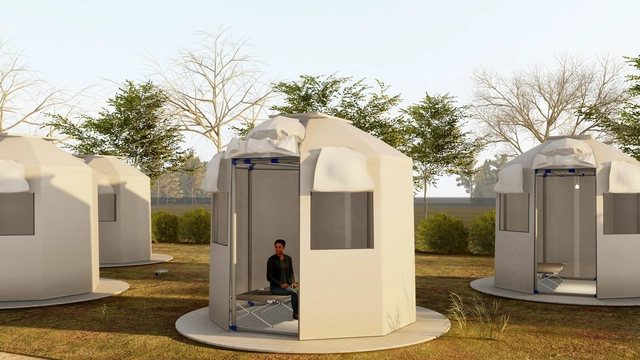
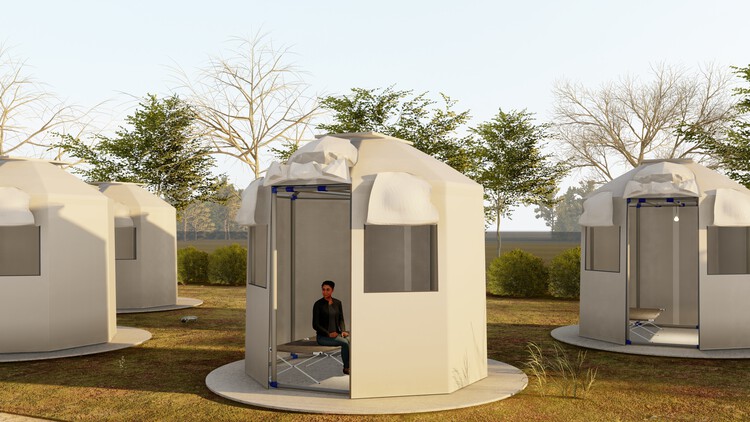
2025 Creatives For Our Future - AllSpace Modular Home. Image Courtesy of Swarovski Foundation
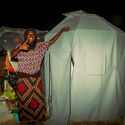
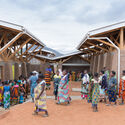
Nigerian-born architect Blossom Eromosele has developed AllSpace, a modular housing design inspired by traditional African architecture. The design was created as part of the Swarovski Foundation's fourth edition of the Creatives for Our Future global mentorship and grant program, developed in collaboration with the United Nations Office for Partnerships. Among the six selected projects, AllSpace seeks to respond to the current Nigerian refugee crisis with a low-cost, solar-powered housing solution for camps.
The existing podium, located outside the Secretariat Building in Freetown, commemorates soldiers of the First World War and later incorporated servicemen from the Second World War by removing a small mention of the men of the Carrier Corps, a removal this project seeks to address. Studio founder Tosin Oshinowo is the first woman and the first West African architect to design a memorial for the CWGC.
Around the world, different cultures have developed unique ways of understanding and experiencing healing. Far from being merely a physical process, healing encompasses emotional, spiritual, social, and architectural dimensions. Healing spaces—whether physical, symbolic, or natural—reflect each culture's values, beliefs, and ways of life. Exploring these cultural approaches not only broadens our perspective on health but also encourages us to reconsider how we design environments that nurture care and well-being.
The mid-twentieth century marked a transformative period for Africa as 29 countries achieved independence between 1956 and 1964, signaling the dawn of the nation-state across the continent. This era resonated with a spirit of liberation and progress, paralleling the global movements of that time, such as the establishment of international organizations like the United Nations (1945) and the Organization of African Unity (1963). Within this context, Modernist architecture emerged as a powerful symbol of national identity, ambition, and the collective aspiration for a brighter future. As newly independent nations sought to define themselves apart from their colonial pasts, the adoption of Modern Movement principles facilitated the construction of key infrastructures, such as convention centers, parliament buildings, and hotels, as well as the development of architectural education, as native-trained architects begun to either replace or cooperate with foreign-born professionals.
This article inaugurates a new series titled Rediscovering Modernism in Africa, aiming to explore the architectural legacy of the Modern Movement in Africa, highlighting its role in nation-building and the evolution of architectural education, while shedding light on the architects and movements that shaped this transformative era.
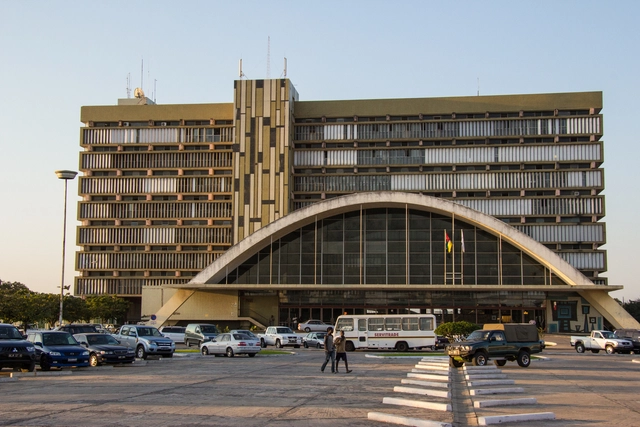
As, one by one, the African nations gained their independence in the middle of the twentieth century, building programs were central to the process of nation-building. In several of those countries, this included the construction of the state's institutions such as their respective national assembly. These buildings not only facilitate the legislative process but also symbolize the new nation's governance, identity, and aspirations. The period of independence movements also coincided with the introduction of the Modern Movement across the continent, which was associated with progress and a break from the colonial past. Across Africa, some national assemblies were constructed early and were part of the nationalization process that preceded independence, while some were constructed long after.
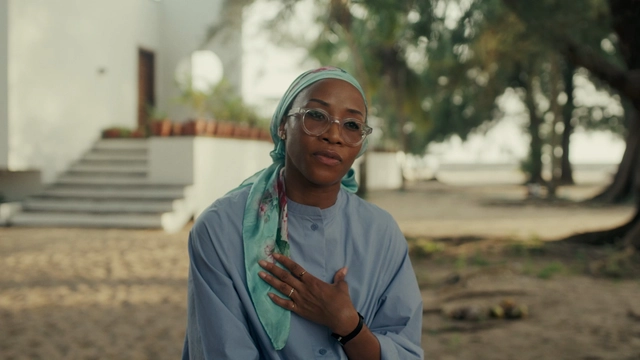
“Women in Architecture” documentary: Tosin Oshinowo. Image Courtesy of SkyFrame
Architecture is a discipline where theory and practice meet, transforming abstract ideas into spaces that shape and respond to human lives and identity. For Nigerian architect and curator Tosin Oshinowo, this dynamic is at the core of her work. As the founder of Oshinowo Studio and curator of the 2023 Sharjah Architecture Triennial, she has carved a unique path in contemporary architecture by blending cultural specificity, climate consciousness, and global relevance.
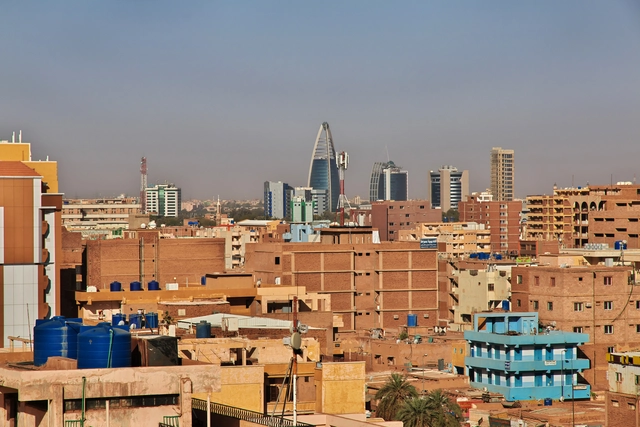
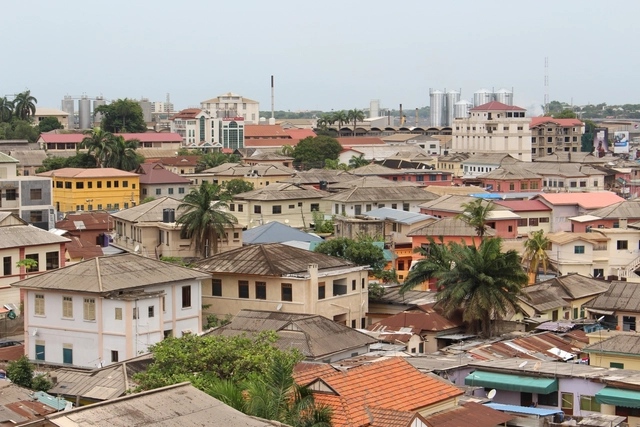
Two museums in Africa built in the mid-twentieth century carry the name 'National Museum.' They reflect the story of their respective nation's history and are tied to notions of national identity. Both are also examples of fine architecture built on the principles of Modernism, a movement associated with nation-building in Africa. However, their inception and purpose followed very different paths. This article explores the under-reported architecture of the National Museum of Ghana in Accra and the Sudan National Museum in Khartoum.
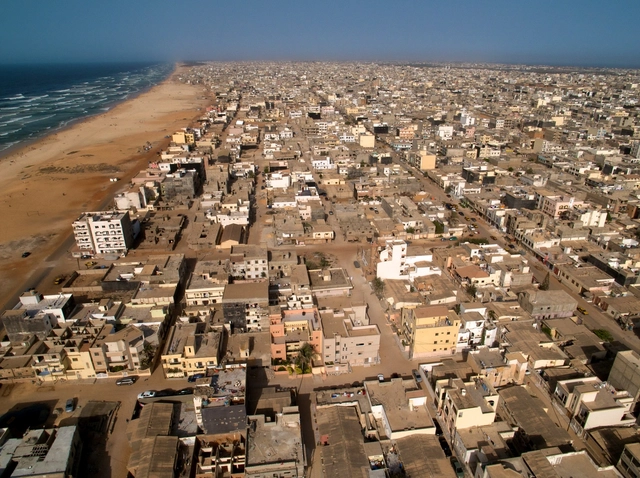
A city that defies expectations, this is what many visitors often express about the Senegalese capital, Dakar. As Africa's most western port city, which gained independence from the French in 1960, Dakar is a regional hub for diversity and culture. While it's often described as an unexpectedly sleek and "modern" city, with its characteristic and sometimes colorful monolithic buildings, Dakar is in fact in constant development and each of its districts tends to reflect a different style and focus, depending on its inhabitants and the dominating functions.
Weaving is not only a technical craft but also a way to design material experiences. Engaging in the process of weaving allows us to structure, communicate, reflect on, and connect with our designs. By experimenting with different fabric structures, we gain insight into how materials behave under tension and compression. This understanding helps us push the boundaries of textiles and their limitations, resulting in designs that stretch and test the properties of the materials.
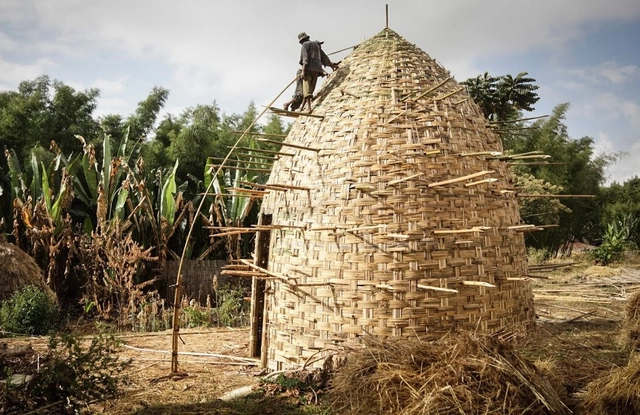
In architecture, the construction mechanism of weaving centers the shelter to the building process. In this sense, shelter becomes a direct manifestation of material production. Additionally, weaving offers numerous environmental and social benefits by creating shelters that actively engage with materials, tools, technologies, and creative potentials, thereby supporting placemaking.
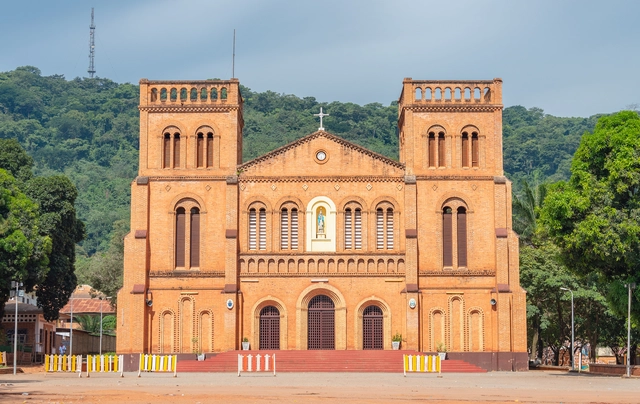
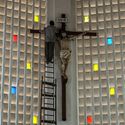
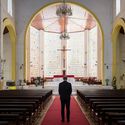
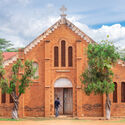
Located in the city of Bangui, the capital of the Central African Republic, is the Notre DameCathedral. This large red brick church was built in the early 1900s in the French colonial style. As the city grew from a small outpost to a colonial capital, the building was formed as a cultural and symbolic fusion of European and Central African architectural styles. Designed by French architect Roger Erell, the cathedral showcases local construction craftsmanship, provides a space for spiritual solace, and contributes to the national identity of the country.
The home is a fundamental expression of architectural movements within the fabric of a city. As one of the smallest typologies, it is the simplest canvas to exhibit the design ethos of any particular era. African cities have continuously negotiated the meaning of their residential dwellings, from traditional architecture to colonial architecture, and the influx of post-colonial modern architecture. Vernacular architecture explored homes with spatial patterns rooted in cultural dexterity, envelopes built with indigenous materials and forms, endowed with traditional motifs. These were in stark contrast to colonial homes that featured a range of imported architectural styles across the continent, neglecting their climatic and cultural contexts while amplifying social class.
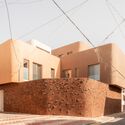
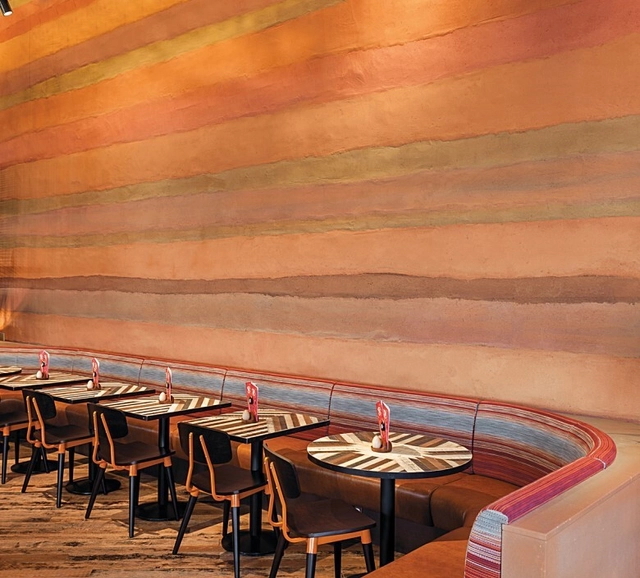
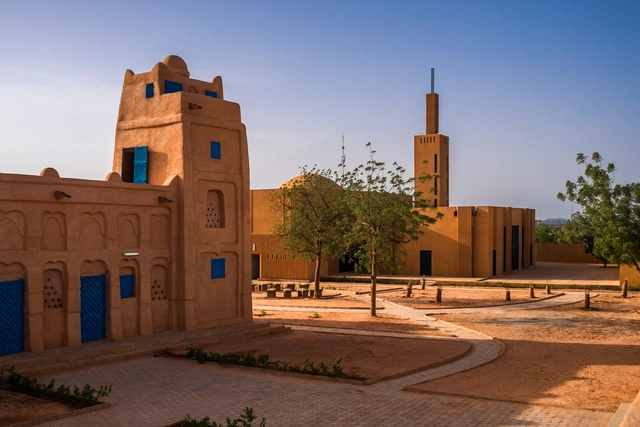
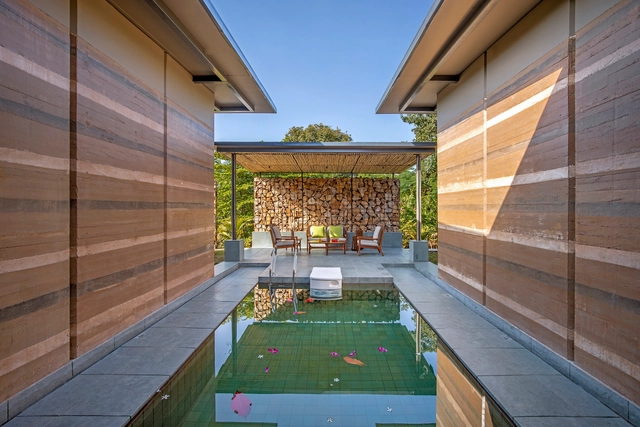
Rammed earth is one of the oldest methods of constructing walls and still holds great potential for modern earth construction. One aspect of this potential is the gift of its colors and layers, which become visible as the formworks are removed, revealing a layered character. As a process that involves the layer-by-layer compression of gravel, sand, silt, and clay, its resulting appearance is a horizontal stratification of earth tones, material content, and curing procedures. This colorful appearance of rammed earth walls can be controlled and explored through patterns, texture, pigmentation, and natural clay colors, offering an opportunity to push its boundaries within architecture.
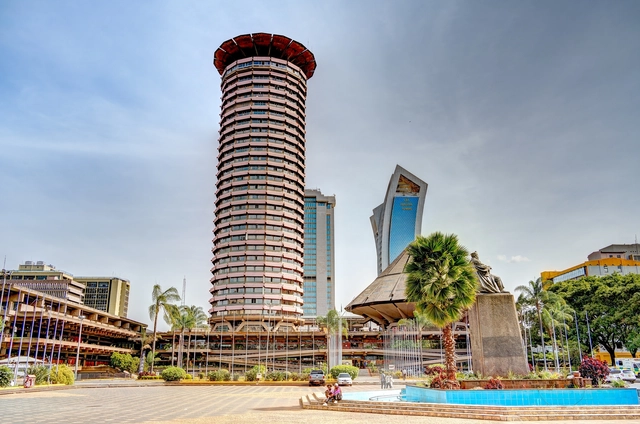
Sub-Saharan Africa is home to an enormous number of religious adherents – within which there is extraordinary diversity in religious expression. Iconic buildings serving a religious purpose are found throughout the continent, such as The Cathedral Basilica of the Holy Family in central Nairobi or the Hare Krishna Temple in South Africa. What is evident is that architecture that hosts religious gatherings makes up a key part of the urban fabric of sub-Saharan African cities and that in a lot of cases, religious structures go against the grain – leaving aside or tweaking classical models in favor of a unique architectural approach.
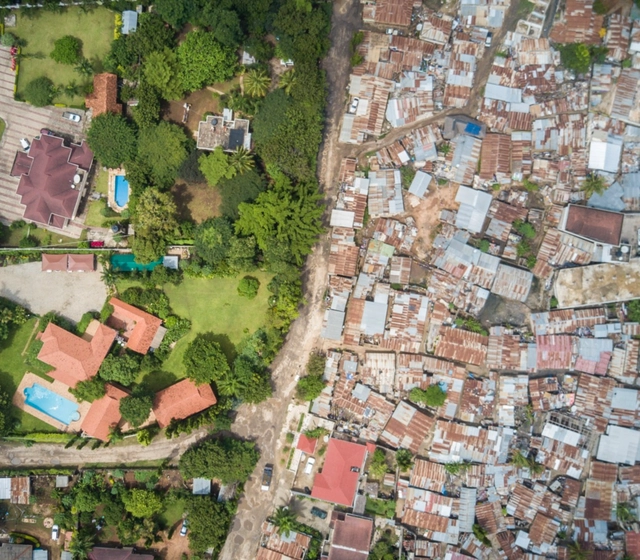
A quick glance today at the cities of the African continent reveals a rich diversity of urban settlements, ranging in type from rural enclaves to sprawling metropolises. That quick glance also reveals a larger picture of cities that are continuously adapting and evolving as we enter the decade of the 2020s – yet this evolution in many places is taking place at the expense of those who are less fortunate. This is not happening in a vacuum, as the reason why a lot of African cities look as they do today is a result of a segregated organization during colonial rule.
With the proper know-how, readily available earth, sand, chalk, lime, or gravel can yield a versatile, strong, and durable construction material. Its colorful results vary from region to region, depending on the natural soil component, climate, and treatment. While some prefer to minimize any added processing, others relish the exploration of rammed earth surfaces. Different textures and mesmerizing layers of multitoned or multicolored earth can be used to create a solid surface that enriches the visual quality of a space and carries a sense of warmth to any project.