1. ArchDaily
  2. Andean Architecture

Andean Architecture: The Latest Architecture and News

Architecture in the Andes: How Altitude Shapes Design Decisions

Subscriber Access | 

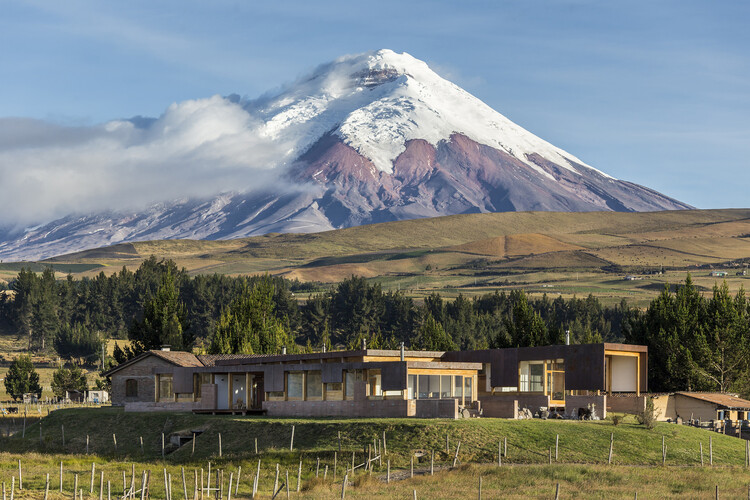
The Andes are often understood as a continuous mountain range, yet they encompass a wide range of climates and ecosystems. In Ecuador, Peru, Bolivia, Colombia, and Chile, páramos, dry highlands, temperate valleys, and snow-covered landscapes can exist within relatively short distances of one another. As elevation changes, so do temperature, solar radiation, humidity, wind, vegetation, and topography, producing environments that require different ways of building.

Unlike many mountain regions where cold is the defining environmental condition, high-altitude environments in the Andes combine several climatic conditions at once. As elevation increases, solar radiation becomes more intense. Some regions remain humid throughout the year, while others experience prolonged dry seasons. In many places, steep terrain, snow, and changing weather patterns become additional factors that influence how buildings are designed.
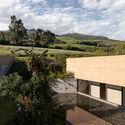

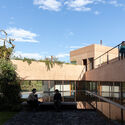
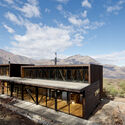
Architecture in the Andes: How Altitude Shapes Design Decisions - Image 1 of 4Architecture in the Andes: How Altitude Shapes Design Decisions - Image 2 of 4Architecture in the Andes: How Altitude Shapes Design Decisions - Image 3 of 4Architecture in the Andes: How Altitude Shapes Design Decisions - Image 4 of 4Architecture in the Andes: How Altitude Shapes Design Decisions - More Images+ 12

Join the Architectural Association El Alto 2019

La Paz
Monday 22 July – Sunday 4 August 2019

Why Freddy Mamani is Leading A New Andean Architecture

Subscriber Access | 

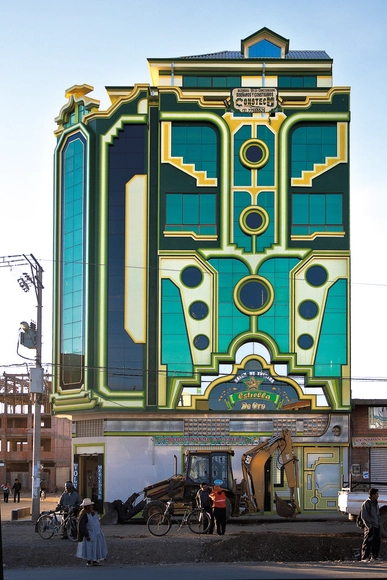
The media outbreak for architect Elisabetta Andreoli and artist Ligia D'Andrea’s book "Andean Architecture of Bolivia", which focuses on the work of Freddy Mamani - ex-bricklayer turned engineer and constructor- has become the excuse to talk about everything else related to the highland country of Bolivia.

Such as the shortcomings and luxuries of the rapid urban expansion dispersed in El Alto, the youngest city in Bolivia; the birth of a new Aymara bourgeoisie in the shadow of the white elites; and the birth of a contemporary architectural identity that bothers purists and makes Aymaras proud, but is rejected by local architecture schools. Below, you can find out more about this new type of architecture together with photos by Alfredo Zeballos.