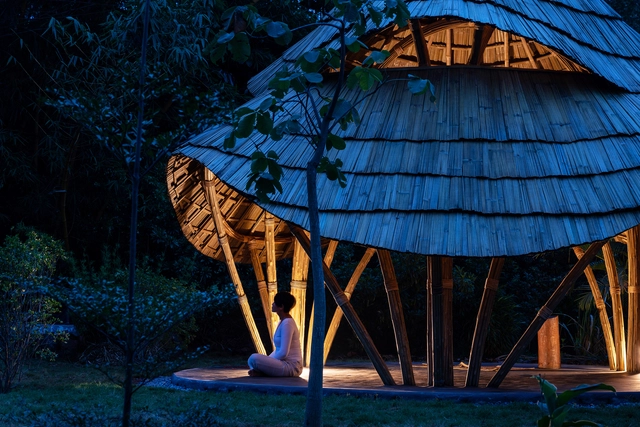
Around the world, different cultures have developed unique ways of understanding and experiencing healing. Far from being merely a physical process, healing encompasses emotional, spiritual, social, and architectural dimensions. Healing spaces—whether physical, symbolic, or natural—reflect each culture's values, beliefs, and ways of life. Exploring these cultural approaches not only broadens our perspective on health but also encourages us to reconsider how we design environments that nurture care and well-being.
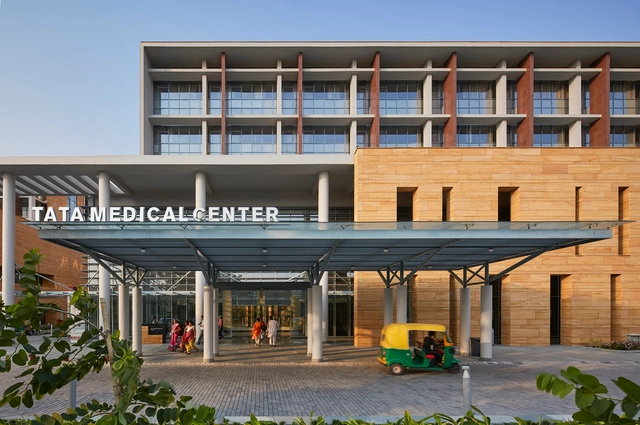
In a nation as diverse as India, the healthcare landscape presents wicked problems and plentiful opportunities. The country's hospital infrastructure has been increasingly strained in the areas of accessibility, quality, and equity, especially with a snowballing population growth. While urban development expands amidst these constraints, architects have been able to position innovative design solutions as mediators, also sealing the gap between urban and rural healthcare quality and accessibility in India.
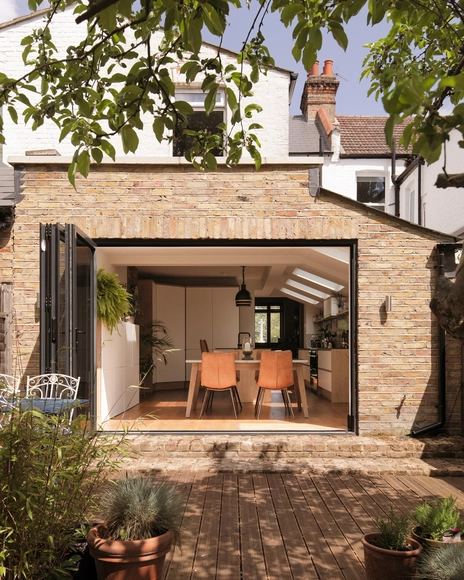
What is architecture? Is it grand designs with complex structures, defying the laws of physics? Is it simple, everyday buildings that, when put together, create the urban fabric? In the mid-18th century, Laugier introduced the concept of the Primitive Hut, a structure, essentially a home, designed and built to meet the primitive man’s basic needs: shelter from the elements and nature. Any structure that meets these requirements would be considered authentic architecture. However, since then, our needs have evolved and are much more elaborate, especially when it comes to our homes. They need to provide shelter, security, thermal comfort, and space. Our homes have to be economical, environmentally friendly, and have access to the internet, among many other prerequisites. So what would the ideal modern human’s home, and thus true architecture, look like?
The Science of a Happy Home Report, carried out by Resi first in 2020 and then again in post-pandemic 2023, sought to discover exactly what elements people believed made up the ultimate happy home. The results were six prominent qualities: a home that is adaptable to meet our changing needs, a home that allows us to connect and build relationships, a home that mirrors our personality and values, a nourishing home that provides the conditions we need to thrive (i.e. air quality), a home that helps us relax, and a home that offers security and makes us feel safe. These needs, however, aren't being met for the majority of UK homes, and that's where Resi comes in.
In this fourth feature, we met with co-chairs ofdesign for Health architectArif Hasan, former Visiting Professor NED University Karachi and member of UNs Advisory Group on Forced Evictions, and architectChristian Benimana, Senior Principal and Co-Executive Director atMASS Design Group
The first Monday of October of every year marks World Architecture Day and World Habitat Day. Celebrated simultaneously, they both seek to shed light on the built environment and its challenges, taking on a different theme with each new edition. This year, through its World Architecture Day, the UIA is focusing on “Architecture for well-being”, in line with the designation of 2022 as the UIA Year of Design for Health in buildings and cities. In parallel, the UN’s World Habitat Day, is centered on “Mind the Gap. Leave No One and Place Behind”, looking at the problem of growing inequality and challenges in cities and human settlements, due to the triple ‘C’ crises – COVID-19, climate and conflict.
Introducing Urban October, 31 days to promote a better urban future, World Architecture Day and World Habitat Day push forward the debates on urban sustainability. Joining the conversation every year, ArchDaily takes part in this occasion by promoting content that tackles the main objectives of this day, raising awareness, presenting solutions, engaging the international community, and “empowering everyone who makes architecture happen to create a better quality of life”.
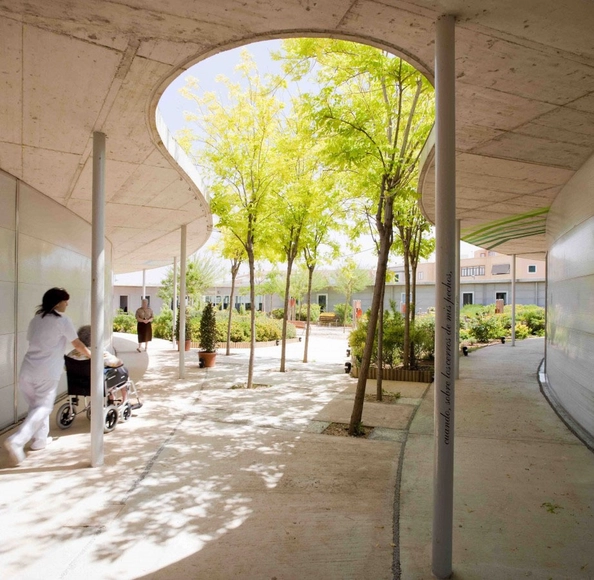
Santa Rita Geriatric Center / Manuel Ocaña. Image Courtesy of Manuel Ocaña
At a hospital, patients are always one conversation away from good or bad news. When not being rushed into treatment rooms, the sick are often left to feel stressed about their health. Healthcare workers have one of the most stressful jobs, with sudden changes in patient conditions. The general atmosphere in traditional hospitals seems tense and worrisome, and this has an adverse effect on patients’ well-being.