1. ArchDaily
  2. Architectural Education

Architectural Education: The Latest Architecture and News

The Lasting Impact of Architectural Education: Training Professionals to Question Convention

 | Sponsored Content

Architectural schools usually leave lasting marks on their students, shaping their style and critical inquiry long after formal education has ended. For example, SCI-Arc, founded in 1972 and based in downtown Los Angeles, is an institution recognized for its culture of experimentation, critical investigation, and creative independence, building a reputation based on the idea that architecture should be understood as a field open to dialogue with art, technology, design, and contemporary culture. The diversity of trajectories of its alumni demonstrates how this environment can generate distinct professional approaches, but united by the same willingness to explore new possibilities.

See and Foresee: Architectural Research Across Four Southeastern European Cities

 | Sponsored Content

Cities in Southeastern Europe do not wait to be read. They accumulate, layer upon layer of socialist planning, post-socialist disruption, and the quieter, less legible work of citizens remaking space from the ground up. Here, space and legacy insist on their own terms. What happens to architectural research when the cities that we observe already seem to know something our discipline has not yet learned to see?

Mastering Interdisciplinary Architecture and Sustainable Urbanism at UC Berkeley

 | Sponsored Content

Today, interdisciplinary learning and exchange are more important than ever in addressing increasingly complex environmental, social, and urban challenges.

Each summer, the University of California, Berkeley's College of Environmental Design (CED) becomes an intensive laboratory for architectural, landscape, and urban exploration. Through two complementary programs—Design + Innovation for Sustainable Cities (DISC) and the Summer Institutes—Berkeley offers an immersive curriculum grounded in disciplinary rigor, intentional exchange, and a shared institutional culture. Together, these programs reflect CED's long-standing multidisciplinary structure, with architecture, landscape architecture, city planning, and urban design thriving and collaborating under one roof.

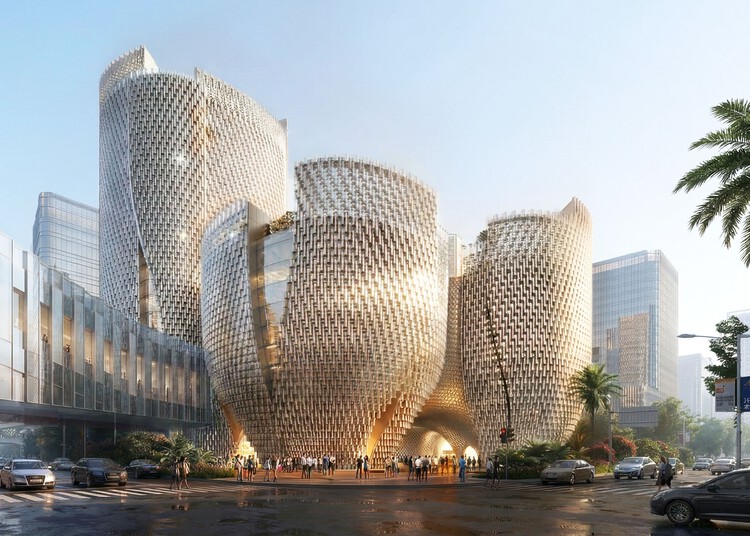
Zaha Hadid’s Legacy and Büro Ole Scheeren’s Róng Museum: This Week’s Review

As architectural discourse continues to expand across cultural, educational, and civic domains, this week's developments highlight how the discipline operates simultaneously through legacy, knowledge production, and large-scale public engagement. From reflections on influential figures and their enduring impact to evolving academic landscapes and new forms of cultural infrastructure, architecture is positioned as both a repository of ideas and an active agent in shaping contemporary identities. At the same time, projects spanning entertainment, museums, and waterfront developments point to a growing emphasis on hybrid programs and experiential environments, where architecture mediates between culture, public life, and global audiences.

Zaha Hadid’s Legacy and Büro Ole Scheeren’s Róng Museum: This Week’s Review - Image 1 of 4Zaha Hadid’s Legacy and Büro Ole Scheeren’s Róng Museum: This Week’s Review - Image 2 of 4Zaha Hadid’s Legacy and Büro Ole Scheeren’s Róng Museum: This Week’s Review - Image 3 of 4Zaha Hadid’s Legacy and Büro Ole Scheeren’s Róng Museum: This Week’s Review - Image 4 of 4Zaha Hadid’s Legacy and Büro Ole Scheeren’s Róng Museum: This Week’s Review - More Images+ 2

Discover the Top Universities for Architecture and the Built Environment in 2026, According to QS Rankings

The 2026 edition of the QS World University Rankings, published by Quacquarelli Symonds, presents an updated overview of leading academic institutions worldwide. In the field of Architecture and the Built Environment, the 2026 edition once again evaluates universities across regions, reflecting both long-standing academic excellence and shifting global dynamics. The Bartlett School of Architecture maintains its position at the top of the ranking, continuing its multi-year lead, while the overall composition of the top 10 signals subtle but notable changes rather than major disruptions.

Discover the Top Universities for Architecture and the Built Environment in 2026, According to QS Rankings - Image 1 of 4Discover the Top Universities for Architecture and the Built Environment in 2026, According to QS Rankings - Image 2 of 4Discover the Top Universities for Architecture and the Built Environment in 2026, According to QS Rankings - Image 3 of 4Discover the Top Universities for Architecture and the Built Environment in 2026, According to QS Rankings - Image 4 of 4Discover the Top Universities for Architecture and the Built Environment in 2026, According to QS Rankings - More Images+ 4

Níall McLaughlin Receives the 2026 RIBA Royal Gold Medal for Architecture

The Royal Institute of British Architects (RIBA) has announced that Irish architect, educator, and writer Níall McLaughlin will receive the 2026 Royal Gold Medal for Architecture. Awarded on behalf of His Majesty the King, the Royal Gold Medal is among the significant international distinctions in architecture, recognizing a sustained contribution to the advancement of the discipline through built work, education, and critical discourse. In announcing the award, RIBA noted McLaughlin's long-standing influence across architectural practice and pedagogy, citing a career that spans more than three decades and reflects a consistent engagement with the cultural, environmental, and social dimensions of architecture.

Níall McLaughlin Receives the 2026 RIBA Royal Gold Medal for Architecture - Image 1 of 4Níall McLaughlin Receives the 2026 RIBA Royal Gold Medal for Architecture - Image 2 of 4Níall McLaughlin Receives the 2026 RIBA Royal Gold Medal for Architecture - Image 3 of 4Níall McLaughlin Receives the 2026 RIBA Royal Gold Medal for Architecture - Image 4 of 4Níall McLaughlin Receives the 2026 RIBA Royal Gold Medal for Architecture - More Images+ 6

Experimentation, Learning, and Evolution in Architectural Design: Get to Know WORKac

Subscriber Access | 

WORKac is a New York-based firm founded in 2003 by Amale Andraos and Dan Wood. The firm has always believed in "the power of architecture and design to engage in environmental and social concerns, and to create new possibilities for the future." In that sense, the firm's principals define their approach to architecture as a constant evolution. For them, it is a continuous process of learning, questioning, and relearning, which is nurtured through the firm's engagement in local culture, climates, and histories, as well as discourse in the fields of ecology, landscape, and urbanism. In this way, they are able to bring these topics together with a focus on public, cultural, and civic projects that aim to reinvent how people live, work, and experience the world.

Experimentation, Learning, and Evolution in Architectural Design: Get to Know WORKac  - Image 1 of 4Experimentation, Learning, and Evolution in Architectural Design: Get to Know WORKac  - Image 2 of 4Experimentation, Learning, and Evolution in Architectural Design: Get to Know WORKac  - Image 3 of 4Experimentation, Learning, and Evolution in Architectural Design: Get to Know WORKac  - Image 4 of 4Experimentation, Learning, and Evolution in Architectural Design: Get to Know WORKac  - More Images+ 6

Designing With Living Systems: Discover the Works of Yong Ju Lee Architecture

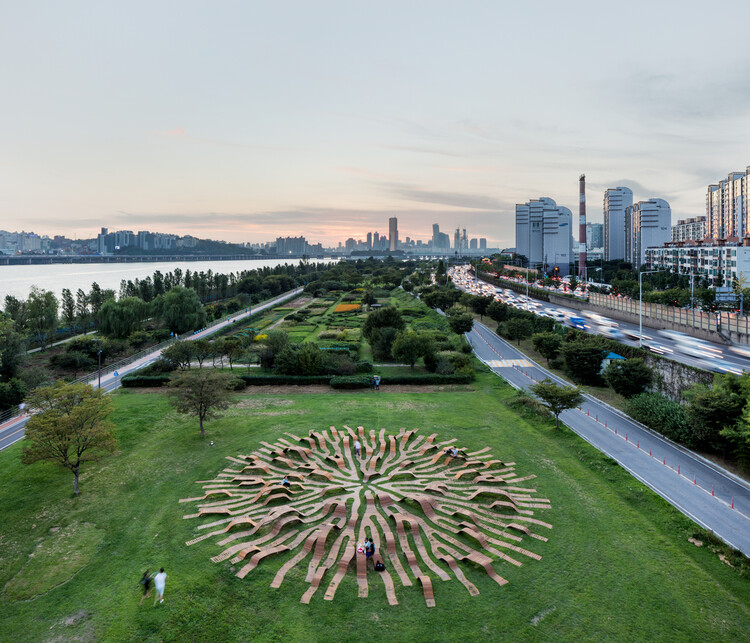
What does it mean to practice ecological responsibility beyond performance metrics or carbon calculations? How can fabrication become a design method rather than a final outcome? Founded in Seoul, Yong Ju Lee Architecture is a practice led by architect and researcher Yong Ju Lee. Across installations, research-driven proposals, and cultural projects, the studio positions architecture as an experimental discipline rooted in making: a process in which design emerges from material behavior, prototyping, and fabrication logic as much as from drawing or representation. Bridging professional practice and academia, his work consistently expands the architectural toolkit through computational design, experimental material research, and an evolving commitment to ecology as a responsibility and a design driver. In 2025, the studio was selected as a winner of the ArchDaily Next Practices Awards.

Designing With Living Systems: Discover the Works of Yong Ju Lee Architecture - Image 1 of 4Designing With Living Systems: Discover the Works of Yong Ju Lee Architecture - Image 2 of 4Designing With Living Systems: Discover the Works of Yong Ju Lee Architecture - Image 3 of 4Designing With Living Systems: Discover the Works of Yong Ju Lee Architecture - Image 4 of 4Designing With Living Systems: Discover the Works of Yong Ju Lee Architecture - More Images+ 21

Reflecting on the International Day of Education: From Playful Environments to Youth Agency in Architecture

Education has long been understood as a cornerstone of social development, shaping not only individual futures but also the collective capacity of societies to respond to change. Observed annually on 24 January, the International Day of Education invites reflection on the role education plays in addressing global challenges and sustaining social progress. As the world confronts overlapping challenges, from technological transformation to deepening inequalities, the question of how education is imagined, governed, and experienced has become increasingly urgent.

Reflecting on the International Day of Education: From Playful Environments to Youth Agency in Architecture - Image 1 of 4Reflecting on the International Day of Education: From Playful Environments to Youth Agency in Architecture - Image 2 of 4Reflecting on the International Day of Education: From Playful Environments to Youth Agency in Architecture - Image 3 of 4Reflecting on the International Day of Education: From Playful Environments to Youth Agency in Architecture - Image 4 of 4Reflecting on the International Day of Education: From Playful Environments to Youth Agency in Architecture - More Images+ 12

Expanding Practice: Architecture Think Tanks at the Intersection of Research and Design

In architecture, most practices revolve around delivering projects to clients. Offices are shaped by deadlines, budgets, and clear briefs. While this structure produces buildings, it rarely leaves space for architects to question broader issues — about how we live, how cities are changing, or what the future demands of design. But alongside this production-focused system, a quieter movement has emerged: studios, collectives, and foundations that prioritize research, experimentation, and reflection. These are the architecture think tanks — spaces designed not to build immediately, but to think first.

The idea of a think tank is not new. Traditionally found in politics, economics, or science, think tanks bring together experts to study complex problems and propose solutions. In architecture, their rise reveals a tension at the heart of the discipline. If architecture is to remain socially and environmentally relevant, can it continue to rely only on client-driven practice? Or must it carve out space for slower, deeper inquiry?

Expanding Practice: Architecture Think Tanks at the Intersection of Research and Design - Image 1 of 4Expanding Practice: Architecture Think Tanks at the Intersection of Research and Design - Image 2 of 4Expanding Practice: Architecture Think Tanks at the Intersection of Research and Design - Image 3 of 4Expanding Practice: Architecture Think Tanks at the Intersection of Research and Design - Image 4 of 4Expanding Practice: Architecture Think Tanks at the Intersection of Research and Design - More Images+ 48

Designing Beyond the Formula: Get to Know the Works of 5468796 Architecture in Canada

Subscriber Access | 

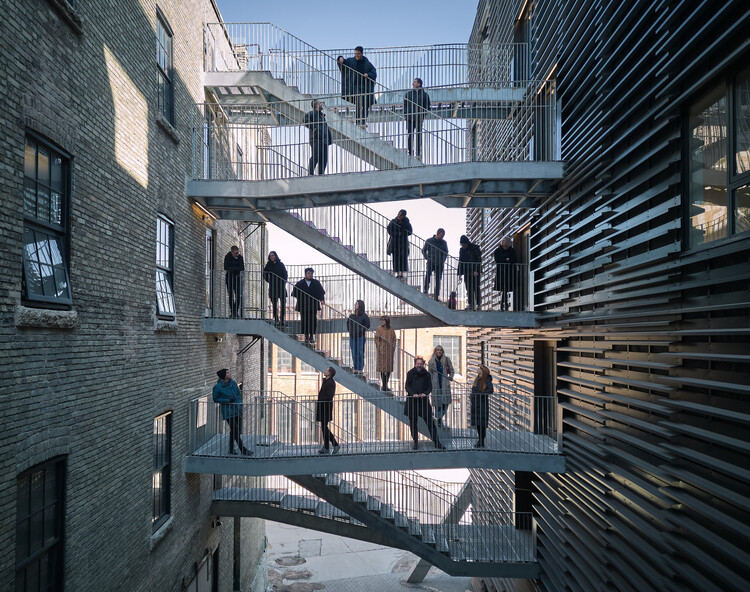
Founded in Winnipeg, Manitoba, in 2007 by Johanna Hurme and Sasa Radulovic, and shortly afterward joined by its third partner, Colin Neufeld, 5468796 Architecture was established as an architecture firm whose early work explored the current state of housing in North America. The Canadian studio operates as a collaborative group of approximately 20 designers, where they prioritize the collective value of ideas over individual authorship.

Designing Beyond the Formula: Get to Know the Works of 5468796 Architecture in Canada - Image 1 of 4Designing Beyond the Formula: Get to Know the Works of 5468796 Architecture in Canada - Image 3 of 4Designing Beyond the Formula: Get to Know the Works of 5468796 Architecture in Canada - Image 4 of 4Designing Beyond the Formula: Get to Know the Works of 5468796 Architecture in Canada - Image 2 of 4Designing Beyond the Formula: Get to Know the Works of 5468796 Architecture in Canada - More Images+ 8

Snaptrude Launches Free Student Plan to Equip the Next Generation of Architects

 | Sponsored Content

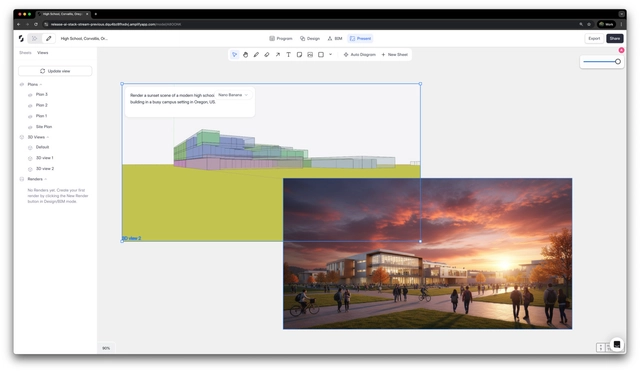
Snaptrude announced the launch of the Snaptrude Student Plan, a free offering that gives architecture students worldwide full access to Snaptrude's professional platform and intelligent AI workflows. The initiative reflects Snaptrude's commitment to strengthening architectural education and ensuring that emerging designers can build real-world skills while still in school. Full access to the professional platform and AI tools empowers students to design faster and build portfolio-ready work.

Building Knowledge, Not Just Structures: Redefining the Architect’s Role in Times of Uncertainty

Aristotle is credited with the proverb "One swallow does not make a summer." In nature, the arrival of these migratory birds often announces the change of seasons, a universal symbol of renewal and hope. Yet it is only when many take flight that the true warmth of summer begins. The same can happen in architecture: an isolated project, however exemplary, rarely changes a reality on its own. When, however, a work teaches, inspires, and can be replicated, it becomes the harbinger of something greater.

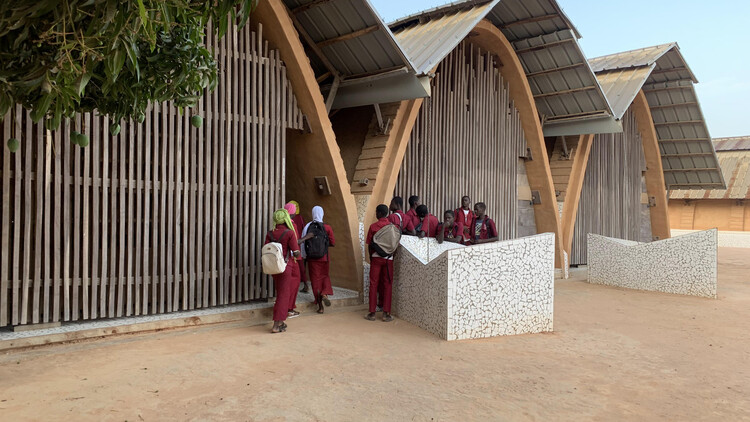
Initiatives that combine simple technologies, local materials, and participatory processes show how building can also be an act of learning. Structures and bricks shape places of mutual teaching, where architects and residents share knowledge and build together, multiplying skills and strengthening bonds. These projects point to the possibility of a collective summer, a future in which knowledge spreads as widely as the walls that shelter it.

Building Knowledge, Not Just Structures: Redefining the Architect’s Role in Times of Uncertainty - Image 1 of 4Building Knowledge, Not Just Structures: Redefining the Architect’s Role in Times of Uncertainty - Image 2 of 4Building Knowledge, Not Just Structures: Redefining the Architect’s Role in Times of Uncertainty - Image 3 of 4Building Knowledge, Not Just Structures: Redefining the Architect’s Role in Times of Uncertainty - Image 4 of 4Building Knowledge, Not Just Structures: Redefining the Architect’s Role in Times of Uncertainty - More Images+ 10

The Architect as a Scientist: New Materials Emerging Between Science and Design

What is architecture? For some, its traditional role is to bring together imagination, technical knowledge, and problem-solving, allowing architects to design and construct while balancing ideas with the means to realize them. From the stone and wood of early buildings to the steel and concrete of the 20th century, each era demanded not only an understanding of form but also of the properties and potential of the materials in use. This grasp of materials has always been a core part of the creative process, though its scope was limited by the know-how and technologies available.

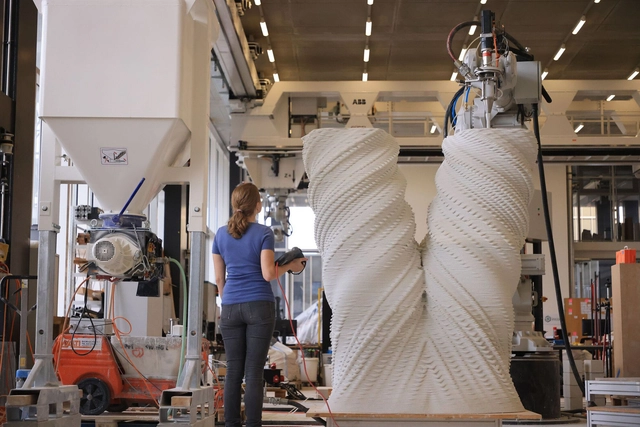
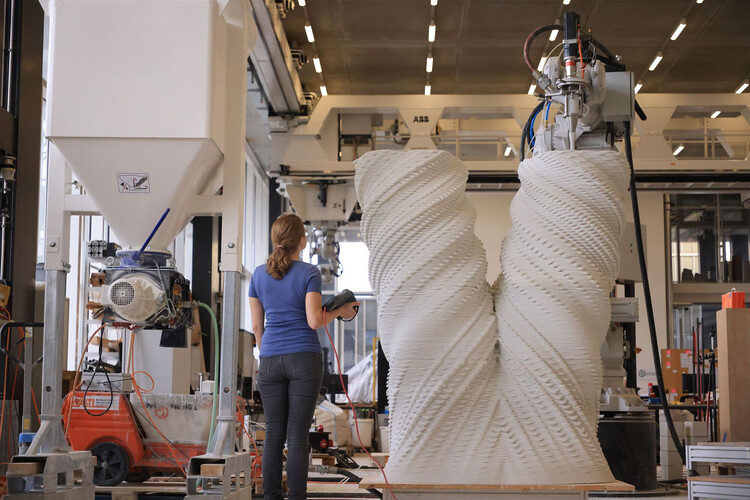
Over time, that balance has begun to shift. Architects have moved from merely using materials to actively designing them, applying scientific principles and experimenting with biological, chemical, and computational processes. This evolution has expanded the possibilities of architecture, intersecting nature, technology, and art, while pushing the role of the architect into a more experimental, science-driven dimension, where the manipulation and creation of materials becomes central to the creative act rather than merely a means to achieve forms or structures.

The Architect as a Scientist: New Materials Emerging Between Science and Design - Image 1 of 4The Architect as a Scientist: New Materials Emerging Between Science and Design - Image 2 of 4The Architect as a Scientist: New Materials Emerging Between Science and Design - Image 3 of 4The Architect as a Scientist: New Materials Emerging Between Science and Design - Image 4 of 4The Architect as a Scientist: New Materials Emerging Between Science and Design - More Images+ 11

The Architect as Writer: Expanding the Discipline Beyond Buildings

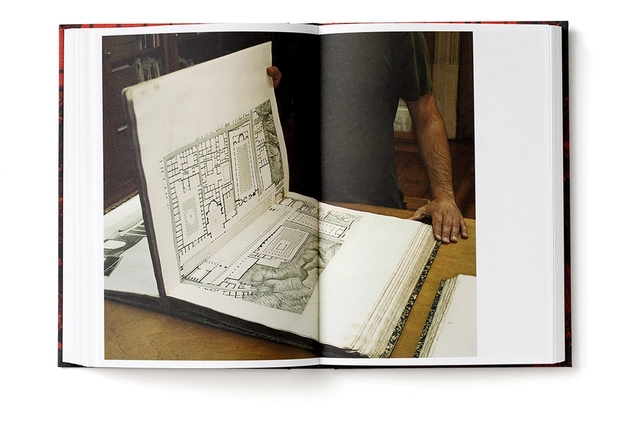
Architecture has always been more than bricks and mortar. It is equally constructed through words, ideas, and narratives. From ancient treatises to radical manifestos, from technical manuals to poetic essays, the written word has served as a spatial, pedagogical, and political tool within the field. Writing shapes how architecture is conceptualized, communicated, and critiqued — often long before, or even in the absence of, physical construction.

Historically, figures such as Vitruvius, Alberti, and Palladio employed writing to codify principles, project ideals, and legitimize architecture as a discipline. In the modern era, Le Corbusier, Adolf Loos, and Lina Bo Bardi wrote prolifically to expand the scope of architecture beyond form and function, often using publications as tools for persuasion and experimentation. The postwar period gave rise to new editorial strategies, as evident in the manifestos of Archizoom and Superstudio, and the polemical publications of Delirious New York and Oppositions, where writing served as both critique and project.

The Architect as Writer: Expanding the Discipline Beyond Buildings - Image 1 of 4The Architect as Writer: Expanding the Discipline Beyond Buildings - Image 2 of 4The Architect as Writer: Expanding the Discipline Beyond Buildings - Image 3 of 4The Architect as Writer: Expanding the Discipline Beyond Buildings - Image 4 of 4The Architect as Writer: Expanding the Discipline Beyond Buildings - More Images+ 31

International Youth Day: Three Educational Initiatives for Community-Led Urban Change

August 12, designated by the United Nations as International Youth Day since 1998, was conceived as an occasion to bring youth issues to the forefront of the international agenda and to celebrate the contributions of young people to today's global society. Each year, the observance focuses on a specific theme. In 2025, it is "Local Youth Actions for the SDGs and Beyond," emphasizing the role of youth in transforming global ambitions into community-driven realities. The aim is to highlight how young people help implement the Sustainable Development Goals (SDGs) within local contexts and bridge the gap between policy and practice. In this spirit, we present three educational programs, in Romania, the United Kingdom, and the United States, that empower youth to deepen their understanding of the built environment and envision a more sustainable, people-friendly urban future.

International Youth Day: Three Educational Initiatives for Community-Led Urban Change - Image 1 of 4International Youth Day: Three Educational Initiatives for Community-Led Urban Change - Image 2 of 4International Youth Day: Three Educational Initiatives for Community-Led Urban Change - Image 3 of 4International Youth Day: Three Educational Initiatives for Community-Led Urban Change - Image 4 of 4International Youth Day: Three Educational Initiatives for Community-Led Urban Change - More Images+ 1

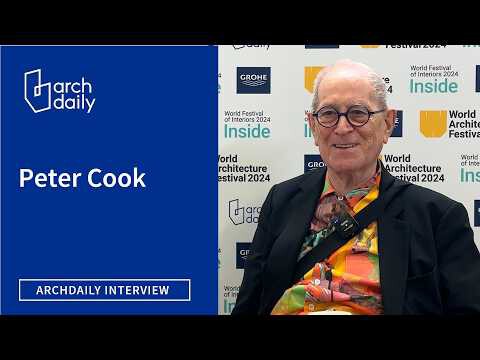
“Even If You Want to Be a Gardener, Study Architecture”: Archigram Co-Founder Sir Peter Cook on Boldness, Creativity, and Architectural Education

Sir Peter Cook is an English architect, professor, and writer, and a founding member of the neo-futuristic design group Archigram, alongside Warren Chalk, Ron Herron, David Greene, and Michael Webb. Beyond the group's radical urban concepts and visionary imagery, he co-founded CRAB Studio (Cook Robotham Architectural Bureau) with David Robotham in 2006, where they have developed built, conceptual, and speculative projects. He recently designed the Play Pavilion, located next to Serpentine South in Kensington Gardens, which opened on World Play Day, June 11, 2025. He is also known for the BIX Light and Media Façade at MoMA and for his series of drawings and collages that explore spaces, building elements, and organic landscapes.

Returning for his second interview with ArchDaily, Sir Peter Cook sat with Editor in Chief, Christele Harrouk, at the World Architecture Festival 2025. While the first conversation focused on his advice for young architects, this one followed his presentation during WAF on the forthcoming book, Archigram Ten, an editorial project reviving the spirit of the original magazine with founding members and contemporary designers. Building on those themes, he reflects on artificial intelligence, the impact of COVID-19 on his own practice, and current architectural pedagogies.
“Even If You Want to Be a Gardener, Study Architecture”: Archigram Co-Founder Sir Peter Cook on Boldness, Creativity, and Architectural Education - Image 1 of 4“Even If You Want to Be a Gardener, Study Architecture”: Archigram Co-Founder Sir Peter Cook on Boldness, Creativity, and Architectural Education - Image 2 of 4“Even If You Want to Be a Gardener, Study Architecture”: Archigram Co-Founder Sir Peter Cook on Boldness, Creativity, and Architectural Education - Image 3 of 4“Even If You Want to Be a Gardener, Study Architecture”: Archigram Co-Founder Sir Peter Cook on Boldness, Creativity, and Architectural Education - Image 4 of 4“Even If You Want to Be a Gardener, Study Architecture”: Archigram Co-Founder Sir Peter Cook on Boldness, Creativity, and Architectural Education - More Images+ 2

Beirut to Madrid: Global Education Programs from Zaha Hadid, Norman Foster, and SOM Foundations

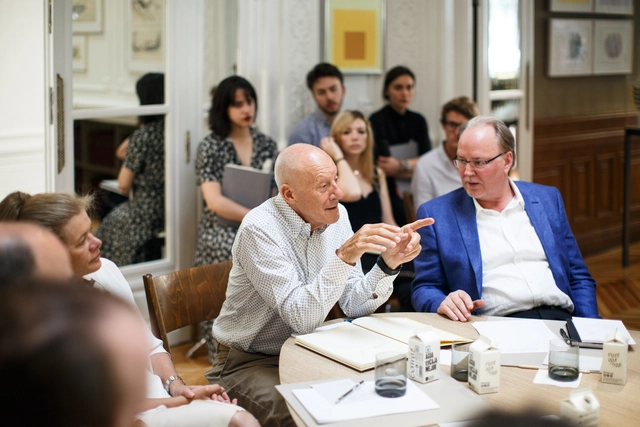
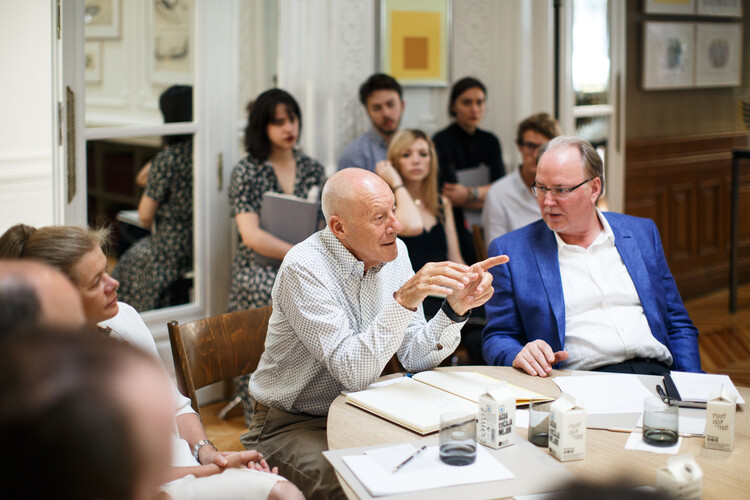
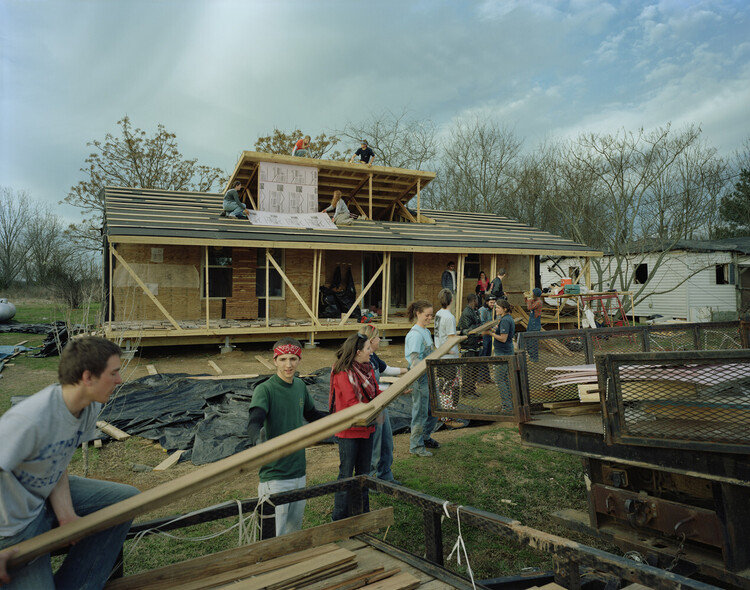
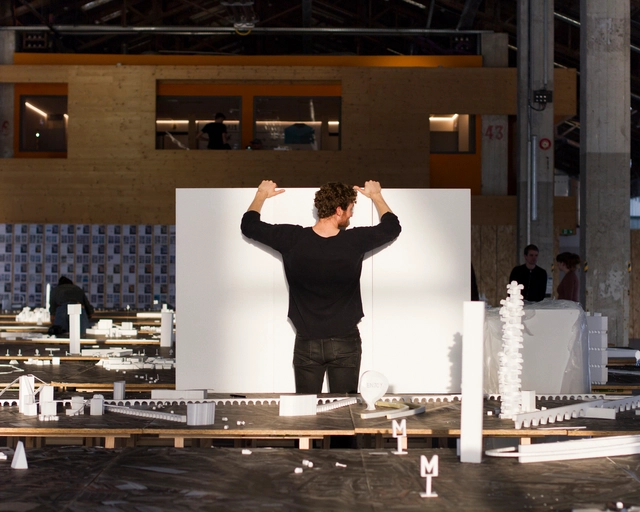
Foundations established by architects have increasingly become involved in architectural education through scholarships, fellowships, and interdisciplinary academic programs. These initiatives often aim to support students, promote research, and facilitate broader engagement with architecture and the built environment. Some architect-initiated foundations, such as the Zaha Hadid Foundation, which recently launched the Zaha Hadid Scholars Program at the American University of Beirut, along with the Norman Foster Foundation and the SOM Foundation, have introduced educational programs connected to their missions. While these programs differ in structure and focus, they commonly seek to extend the legacies of their founders by addressing contemporary challenges in design education. Their activities range from localized scholarship offerings to global research collaborations, reflecting a diverse approach to nurturing emerging talent and advancing architectural discourse.
Beirut to Madrid: Global Education Programs from Zaha Hadid, Norman Foster, and SOM Foundations - Image 1 of 4Beirut to Madrid: Global Education Programs from Zaha Hadid, Norman Foster, and SOM Foundations - Image 2 of 4Beirut to Madrid: Global Education Programs from Zaha Hadid, Norman Foster, and SOM Foundations - Image 3 of 4Beirut to Madrid: Global Education Programs from Zaha Hadid, Norman Foster, and SOM Foundations - Image 4 of 4Beirut to Madrid: Global Education Programs from Zaha Hadid, Norman Foster, and SOM Foundations - More Images+ 3