1. ArchDaily
  2. Baltic Sea

Baltic Sea: The Latest Architecture and News

Druzhba Sanatorium: A Soviet Monument Suspended Between Earth and Sea

Subscriber Access | 

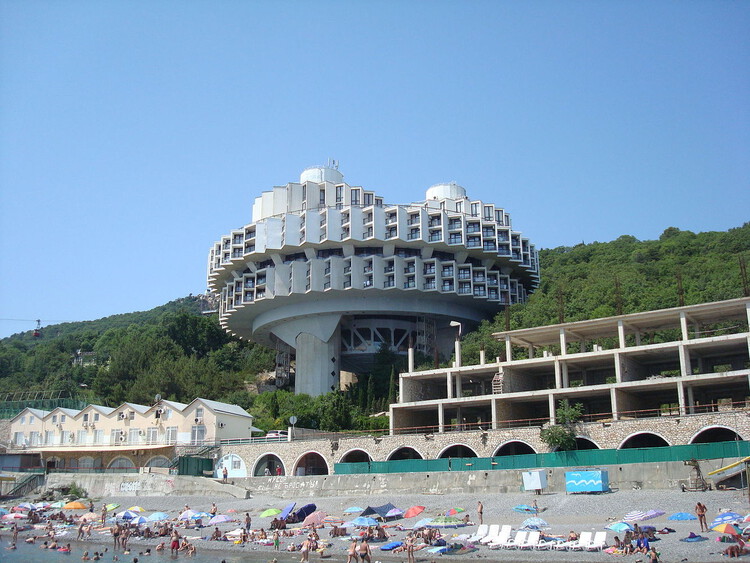
Perched above the cliffs of Crimea, the Druzhba Thermal Sanatorium appears less as a building than as a landed spacecraft. Its circular forms, suspended decks, and spiraling ramps evoke a scene from Andrei Tarkovsky's Solaris (1972), where architecture and psychology merge into a single landscape. Built between 1978 and 1985 by Igor Vasilevsky, the complex was conceived as a thermal resort for workers of the oil industry, part of the Soviet Union's extensive network of sanatoria dedicated to health and recreation.

Beyond its function as a place of recovery, Druzhba, meaning "friendship", embodied a broader political and aesthetic ambition. It sought to merge technological prowess with the restorative ideals of socialist modernity, translating collective well-being into concrete form. Rising from a steep coastal slope overlooking the Black Sea, its massive structure defies gravity, supported by a central concrete core from which radial wings extend like the blades of an enormous gear. Seen from a distance, it feels simultaneously mechanical and organic, a hybrid of infrastructure and landscape.
Druzhba Sanatorium: A Soviet Monument Suspended Between Earth and Sea - Image 1 of 4Druzhba Sanatorium: A Soviet Monument Suspended Between Earth and Sea - Image 2 of 4Druzhba Sanatorium: A Soviet Monument Suspended Between Earth and Sea - Image 3 of 4Druzhba Sanatorium: A Soviet Monument Suspended Between Earth and Sea - Image 4 of 4Druzhba Sanatorium: A Soviet Monument Suspended Between Earth and Sea - More Images+ 16

The World’s Longest Immersed Road and Rail Tunnel, between Denmark and Germany, Receives Green Light

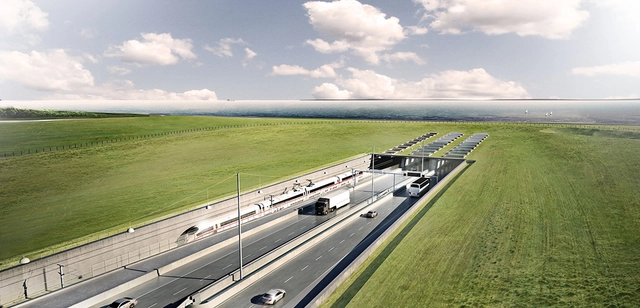
The world’s longest immersed road and rail tunnel design, the Fehmarnbelt link gets a go-ahead. The 18 km infrastructure, the longest of its kind, connecting Denmark’s Lolland Falster region with Germany’s Schleswig Holstein region across the Baltic Sea will shorten the journey between both countries to just 10 minutes by car and seven minutes by train.

The World’s Longest Immersed Road and Rail Tunnel, between Denmark and Germany, Receives Green Light  - Image 1 of 4The World’s Longest Immersed Road and Rail Tunnel, between Denmark and Germany, Receives Green Light  - Image 2 of 4The World’s Longest Immersed Road and Rail Tunnel, between Denmark and Germany, Receives Green Light  - Image 3 of 4The World’s Longest Immersed Road and Rail Tunnel, between Denmark and Germany, Receives Green Light  - Image 4 of 4The World’s Longest Immersed Road and Rail Tunnel, between Denmark and Germany, Receives Green Light  - More Images+ 3

WXCA's Winning Entry / Baltic Sea Park Competition

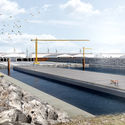
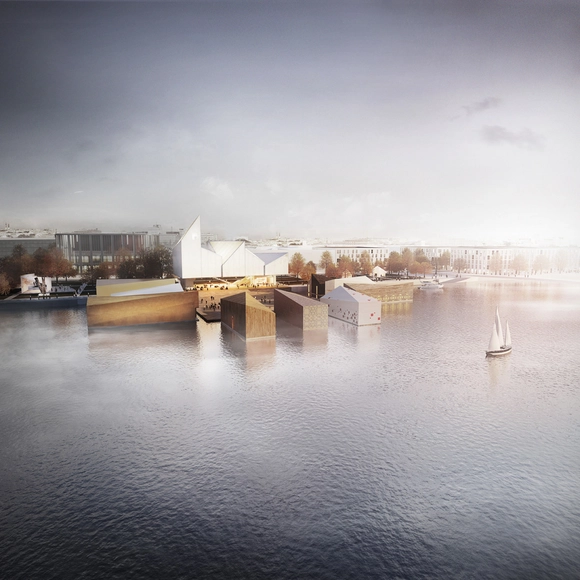
The Baltic Sea Art Park, designed by Warsaw based design studio WXCA, proposes a series of common exhibition spaces in downtown Pärnu, Estonia, on the edge of the Pärnu River. Folk art and professional work from artists of the Baltic Sea nations will be exhibited in a collection of floating pavilions. With nine countries being invited to exhibit, including Denmark, Estonia, Germany, Finland (with autonomous Aland), Latvia, Lithuania, Poland, Russia and Sweden, the "floating piazza" is intended to act as "a platform for exchange of the Baltic Sea culture that enables integration and interaction between all Baltic countries and their artistic heritage."