1. ArchDaily
  2. Bamboo Structure

Bamboo Structure: The Latest Architecture and News

Khudi Bari: Architecture for Climate Displacement

Subscriber Access | 

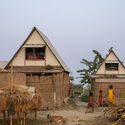
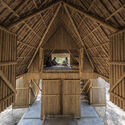
In the low-lying deltas of Bangladesh, water defines both life and loss. Every year, millions are forced to rebuild after floods wash away their homes, crops, and livelihoods. In these precarious territories, the act of building has become an act of resilience. It is here that Khudi Bari emerges as a modest yet radical proposal. Designed by Marina Tabassum Architects, the project provides a lightweight, modular, and affordable dwelling for communities displaced by climate change. Recognized as one of the winners of the 2025 Aga Khan Award for Architecture, it represents a form of architecture that empowers rather than imposes.
Khudi Bari: Architecture for Climate Displacement - Image 1 of 4Khudi Bari: Architecture for Climate Displacement - Image 2 of 4Khudi Bari: Architecture for Climate Displacement - Image 3 of 4Khudi Bari: Architecture for Climate Displacement - Image 4 of 4Khudi Bari: Architecture for Climate Displacement - More Images+ 27

Architectural Rebuilding as Cultural Memory: The Paradox of Ever-Fresh Heritage

Architecture—one of the few cultural artifacts made to be publicly lived with, preserved, and often capable of standing for centuries—contributes significantly to the cultural identity of places and people. Historically, buildings have expressed institutional attitudes, influence, and power; they are clear demonstrations of culture. Yet longevity complicates preservation: when a structure is rebuilt, repaired, or entirely reassembled, in what sense is it still the same building?

There's the classic Ship of Theseus puzzle from Plutarch. if a ship's planks are replaced one by one over time, is it still the same ship? Thomas Hobbes adds a twist—if the original planks are reassembled elsewhere, which ship is "the original"? The paradox tests what grounds identity: material fabric, continuous use and history, or shared recognition. In architecture and conservation, it reframes preservation as a choice among keeping matter, maintaining form and function, or sustaining the stories and practices that give a place meaning.

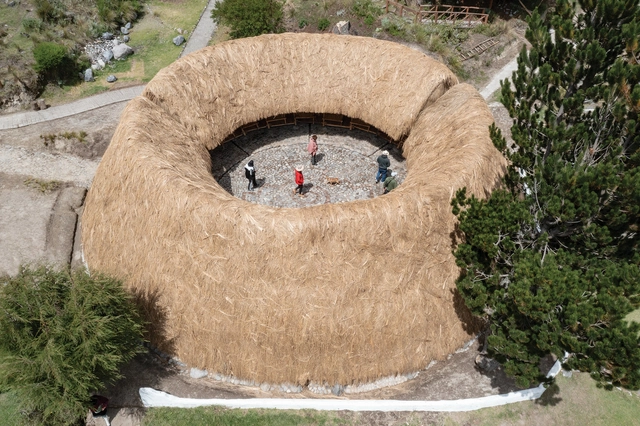
Architectural Rebuilding as Cultural Memory: The Paradox of Ever-Fresh Heritage - Image 1 of 4Architectural Rebuilding as Cultural Memory: The Paradox of Ever-Fresh Heritage - Image 2 of 4Architectural Rebuilding as Cultural Memory: The Paradox of Ever-Fresh Heritage - Image 3 of 4Architectural Rebuilding as Cultural Memory: The Paradox of Ever-Fresh Heritage - Image 4 of 4Architectural Rebuilding as Cultural Memory: The Paradox of Ever-Fresh Heritage - More Images+ 17

From Scaffolds to Structures: India’s Unfinished Journey with Bamboo

Subscriber Access | 

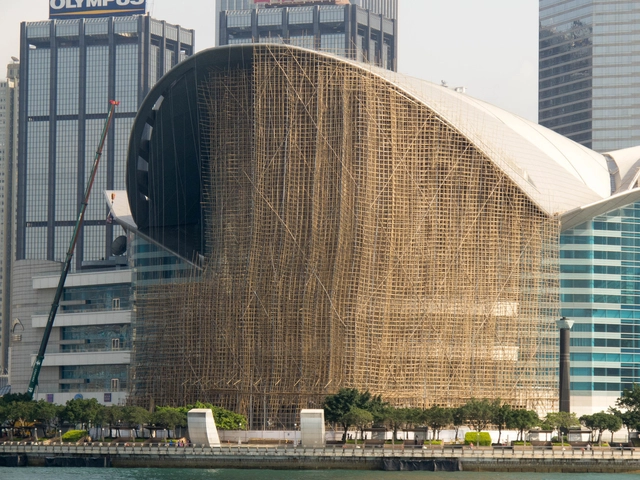
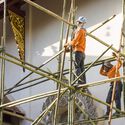
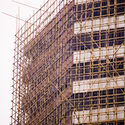
Across Asia, bamboo scaffolding has symbolized an intersection of traditional knowledge and modern construction. Hong Kong's skyline is shaped by intricate bamboo scaffolding, yet this time-honored craft is steadily vanishing from the region. Moving east, Indian cities still utilize bamboo scaffolding on building sites throughout the subcontinent, revealing a different kind of paradox.

From Scaffolds to Structures: India’s Unfinished Journey with Bamboo - Image 1 of 4From Scaffolds to Structures: India’s Unfinished Journey with Bamboo - Image 2 of 4From Scaffolds to Structures: India’s Unfinished Journey with Bamboo - Image 3 of 4From Scaffolds to Structures: India’s Unfinished Journey with Bamboo - Image 4 of 4From Scaffolds to Structures: India’s Unfinished Journey with Bamboo - More Images+ 4

Reimagining Urban-Rural Coexistence Through AI: In Conversation With Francisco Escapil

What structures and infrastructures sustain the ties and relationships between the countryside and the city? How will architecture and emerging technologies maintain -or not- the coexistence of both worlds in the future? The reduction of ecological footprints, the impact of climate change, the decentralization of major cities, food security, and other contemporary issues challenge professionals in architecture and urbanism globally under the main shared goal of improving citizens’ quality of life and achieving physical, mental, and emotional well-being in both built and natural environments.

Reimagining Urban-Rural Coexistence Through AI: In Conversation With Francisco Escapil - Image 1 of 4Reimagining Urban-Rural Coexistence Through AI: In Conversation With Francisco Escapil - Image 2 of 4Reimagining Urban-Rural Coexistence Through AI: In Conversation With Francisco Escapil - Image 3 of 4Reimagining Urban-Rural Coexistence Through AI: In Conversation With Francisco Escapil - Image 4 of 4Reimagining Urban-Rural Coexistence Through AI: In Conversation With Francisco Escapil - More Images+ 13

From Common Sight to Cultural Symbol: The Rise and Decline of Bamboo Scaffolding in Hong Kong

Subscriber Access | 

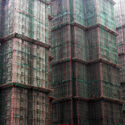
The bamboo scaffolding building typology—temporary, agile, and deeply rooted in tradition—particularly, the bamboo shed theatre building technique, is recognized as an item of Intangible Cultural Heritage in Hong Kong. As one walks through the city, especially in busy urban districts, it's nearly impossible not to encounter a bamboo scaffold within a five-minute radius. Bamboo scaffolding is arguably the most iconic construction material in Hong Kong, valued for its abundance, sustainability, flexibility, adaptability, and—most importantly—scalability. These qualities have contributed to its widespread use in temporary construction, from building maintenance and renovations to festival stages and sporting events.

However, this once-ubiquitous feature of the urban landscape may be slowly fading from view. A dwindling pool of skilled, younger workers—combined with evolving construction regulations—has contributed to its decline. On March 17, the Development Bureau announced plans to "drive a wider adoption of metal scaffolds in public building works." In practice, this means the Architectural Services Department (ArchSD) will soon require at least 50% of its capital works projects to utilize metal scaffolding. While not a formal ban, the policy signals what many see as the beginning of a gradual phase-out of bamboo scaffolding in public-sector construction.

From Common Sight to Cultural Symbol: The Rise and Decline of Bamboo Scaffolding in Hong Kong - Image 1 of 4From Common Sight to Cultural Symbol: The Rise and Decline of Bamboo Scaffolding in Hong Kong - Image 2 of 4From Common Sight to Cultural Symbol: The Rise and Decline of Bamboo Scaffolding in Hong Kong - Image 3 of 4From Common Sight to Cultural Symbol: The Rise and Decline of Bamboo Scaffolding in Hong Kong - Image 4 of 4From Common Sight to Cultural Symbol: The Rise and Decline of Bamboo Scaffolding in Hong Kong - More Images+ 15

Straw, Earth and Bamboo: Innovative Use of Natural Materials in 2024 Projects from the Global South

Sustainability has been a central theme in architectural discussions for years, encompassing not only the profession’s role in combating climate change and transitioning to low-carbon economies but also preserving cultural heritage and celebrating vernacular traditions. In 2024, a wave of projects and studies stood out for their innovative use of natural materials, particularly in the Global South. These initiatives skillfully blend creativity and technology with renewable resources, demonstrating how architecture can deliver high-quality spaces that align with contemporary demands for sustainability and environmental responsibility.

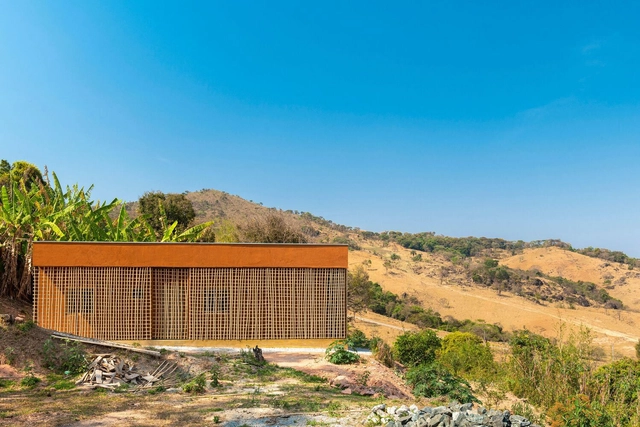
Straw, Earth and Bamboo: Innovative Use of Natural Materials in 2024 Projects from the Global South - Image 1 of 4Straw, Earth and Bamboo: Innovative Use of Natural Materials in 2024 Projects from the Global South - Image 2 of 4Straw, Earth and Bamboo: Innovative Use of Natural Materials in 2024 Projects from the Global South - Image 3 of 4Straw, Earth and Bamboo: Innovative Use of Natural Materials in 2024 Projects from the Global South - Image 4 of 4Straw, Earth and Bamboo: Innovative Use of Natural Materials in 2024 Projects from the Global South - More Images+ 9

Bamboo in Architecture: Same Material, Different Uses

Subscriber Access | 

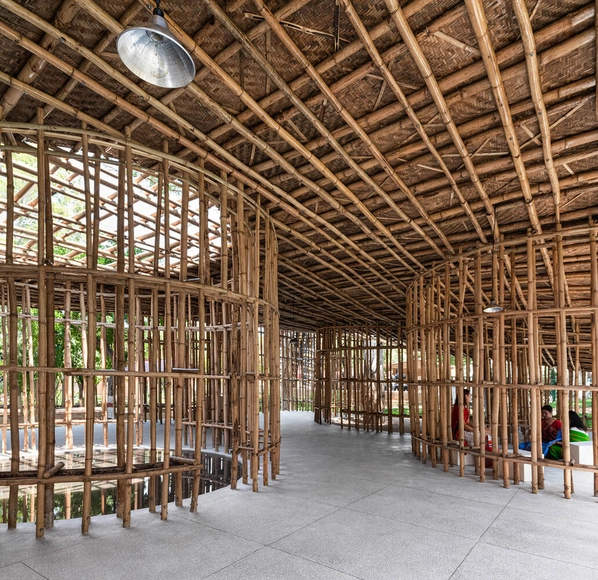
If we were to design an ideal building material, it would look like bamboo. At least, that's what Neil Thomas, director of the London-based structural engineering firm Atelier One, claims. Its tubular shape, vascular bundles, fast growth rate, and ease of manipulation make it ideal for construction. Today, it is even more interesting to the market as a renewable source with low environmental impact compared to other materials. Additionally, it is extremely versatile and can be used in various ways in construction. Here, we list some of them.

Bamboo in Architecture: Same Material, Different Uses - Image 1 of 4Bamboo in Architecture: Same Material, Different Uses - Image 2 of 4Bamboo in Architecture: Same Material, Different Uses - Image 3 of 4Bamboo in Architecture: Same Material, Different Uses - Image 4 of 4Bamboo in Architecture: Same Material, Different Uses - More Images+ 13