

-
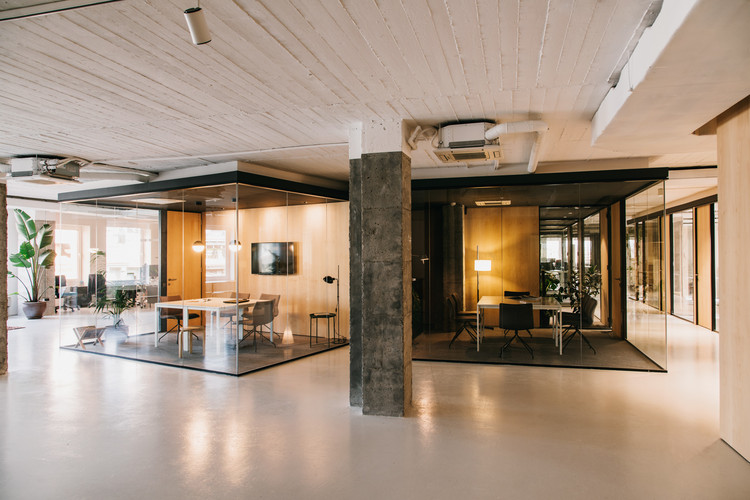
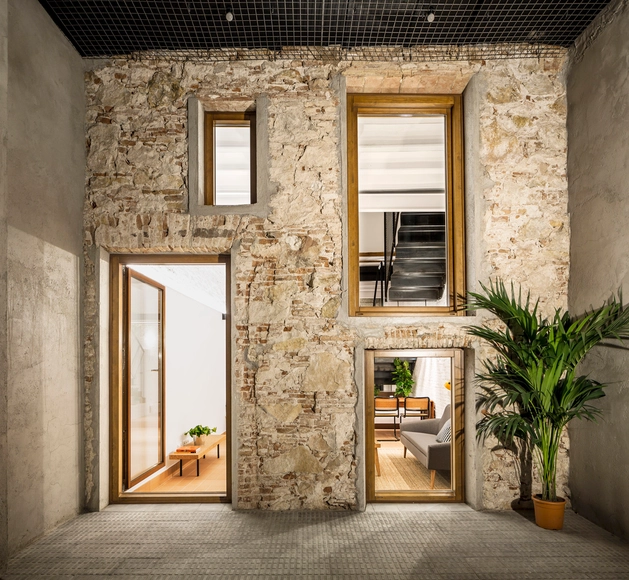
Architects: Allaround Lab
- Area: 78 m²
- Year: 2017
-
Manufacturers: Santa & Cole, Acor, Fima


We look for materials which are as intelligent, versatile and complex as natural phenomena, in other words materials which don't just appeal to the eyes of the astounded art critic, but are also really efficient and appeal to all our senses.
– Jacques Herzog
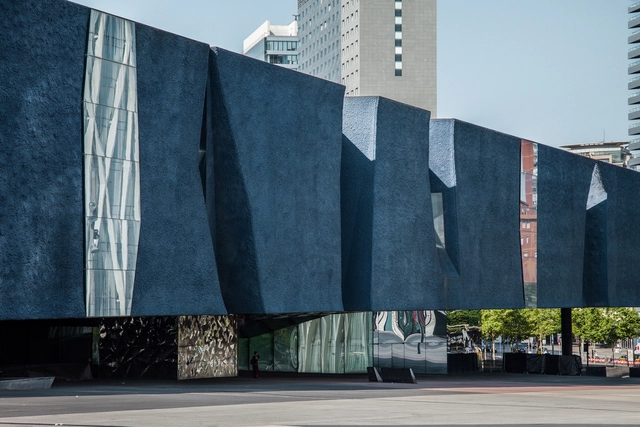
Like several other works of architecture by Herzog & de Meuron the Forum Building, known since the 2012 relocation of Barcelona's Museu de les Ciències Naturals as the Museu Blau, is remarkable for its sensitive use of materials. A triangular mass of gray-blue concrete punctured and split in places to reveal the contrasting use of reflective planes, the building is a hard one to ignore, especially for an architectural photographer.


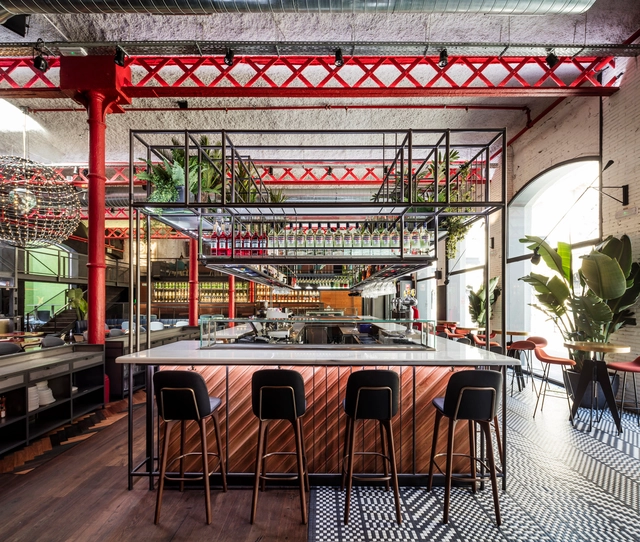
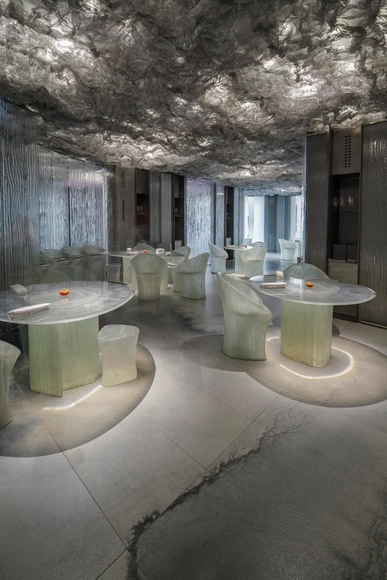
Neolith has unveiled their most ambitious project to date: the ENIGMA restaurant design in collaboration with RCR Arquitectes and P.Llimona. The conceptual restaurant space began with the vision of celebrated Catalan chef Albert Adrià, who wanted to create an "enigmatic” restaurant project reflecting his gastronomy and his career. Albert, together with his sibling Ferran Adrià have transformed the iconic El Bulli restaurant into a culinary research foundation and embarked on more projects since, including tapas bar Tickets and Bar 41 in Barcelona. ENIGMA, described as a “culinary amusement park” represents the new brainchild of the brothers’ dialogue exploring the intersection of food and design.
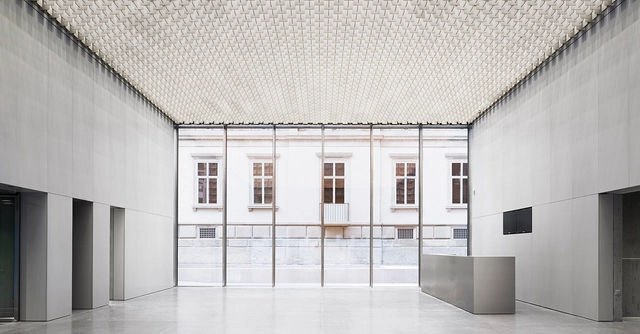
In this episode of GSAPP Conversations, Fabrizio Barozzi—who co-founded the Barcelona-based practice Barozzi/Veiga with Alberto Veiga in 2004—discusses the practice's process and obsessions, including how they position themselves in the architectural landscape and why they are sceptical of defining their own architectural "language". For Barozzi, research and an engagement with history are integral to the way his practice works operates.

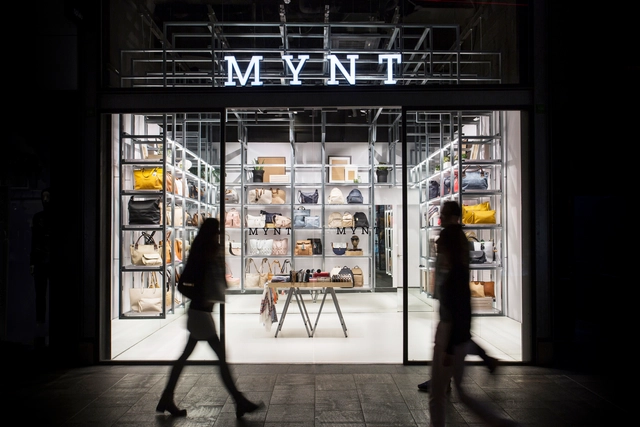
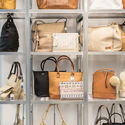
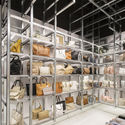
The premise for this design was to create an iconic space, with a concept adaptable to any property and versatile when exposing the product. It should also be a design that could be quickly built and at a moderate cost.
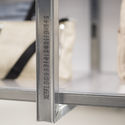
To reach this goal, DearDesign has designed an open store with a structure that, despite its rigid and orthogonal look, solves flexibility in terms of product display. The design of the store is based on a three-dimensional grid inspired by the Fibonacci sequence, which creates a variable rhythm in a permeable volume, ordering the space by generating niches to exhibit the product along its perimeter.
Margins, boundaries and borders
Relationships between built space and social structures
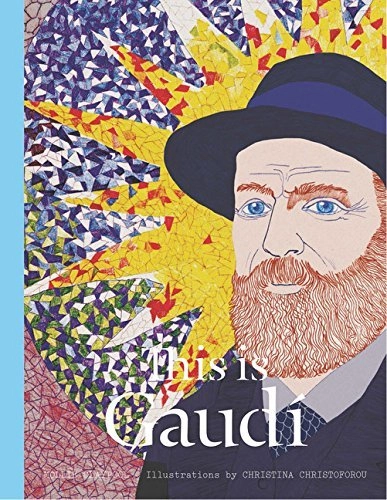
Antoni Gaudí has a reputation as monastic, mad and hermetic, but the architect of many of the buildings that define Barcelona’s cityscape was no mad eccentric; he was a genius inspired by his faith in nature and the divine.


In this photoset by Fernando Guerra, the photographer turns his lenses to a little-known project by Portuguese architect Álvaro Siza Vieira, Meteorology Center in Barcelona.



.jpg?1504241056)