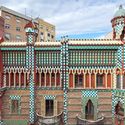
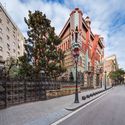
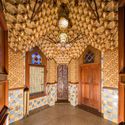
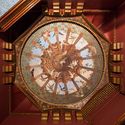
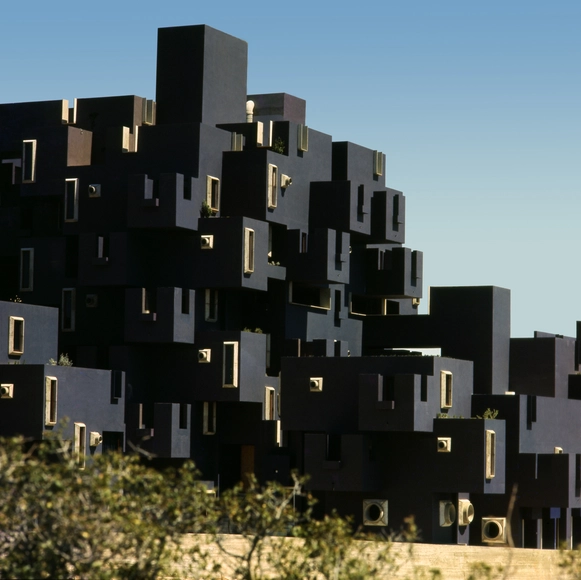
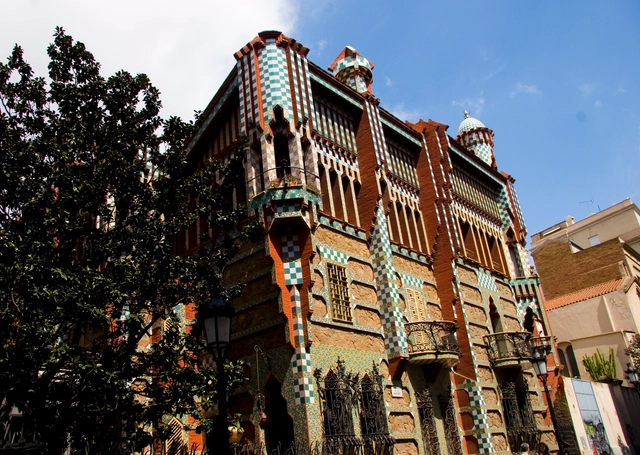
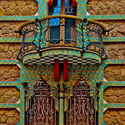
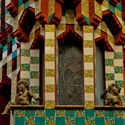
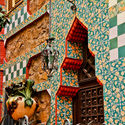
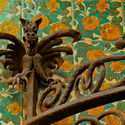
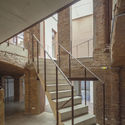
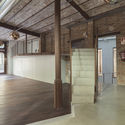
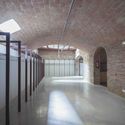
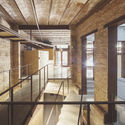
Antoni Gaudí’s first ever house, Casa Vicens, is set to open to the public this autumn following a major restoration effort. Located in the Barcelona neighborhood of Gràcia, the house was originally built for broker Manuel Vicens from 1883 to 1885 – helping to define Gaudí’s signature style and helping to usher in the era of Art Nouveau architecture in Catalonia.
It has been confirmed that the museum opening date for the Casa Vicens in Barcelona has been rescheduled for the second half of 2017. Originally scheduled for the second half of 2016, the reopening of Gaudi's first house was not able to be completed due to the complicated and labor intensive renovations. This will be the first time the house, declared World Heritage site, will be open to the public without it being a residential or private space.
The Casa Vicens, located on 24 Carolines Street, was the first house ever designed by Antoni Gaudí. In 1883 Manel Vicens, promoter of the project, commissioned the architect to build what would be his summer home. At that time Gràcia, now a cosmopolitan neighborhood, was a separate town. Therefore, the project did not contemplate the possibility of other buildings being built around it, and so to this day, it remains a completely freestanding building in a neighborhood characterized by its compact character, narrow streets, and high density of population.
Render – Kálida Sant Pau Centre. Image Courtesy of Playtime
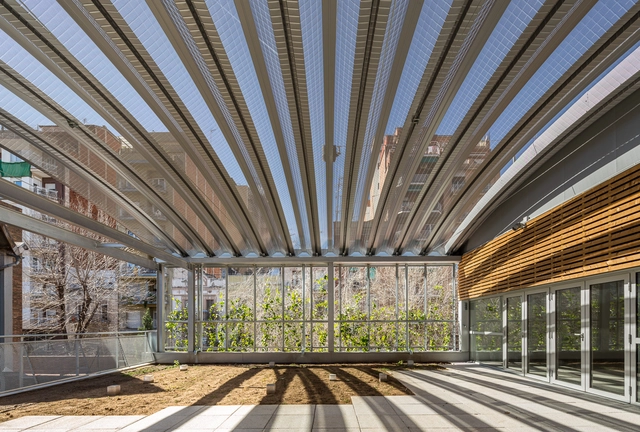
EMBT has broken ground on Kálida Sant Pau, a new cancer treatment center located in Barcelona, Spain. Led by EMBT co-founder Benedetta Tagliabue, the pioneering project will provide practical, emotional and social support to patients that complements more conventional medical treatment. The latest project in the Maggie’s Center global network, the center will offer free programs that are “accessible and provided in a warm and welcoming purpose built space where you can ask questions and seek advice in order to feel supported, informed and understood.”
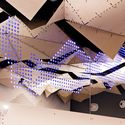
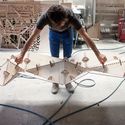
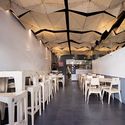
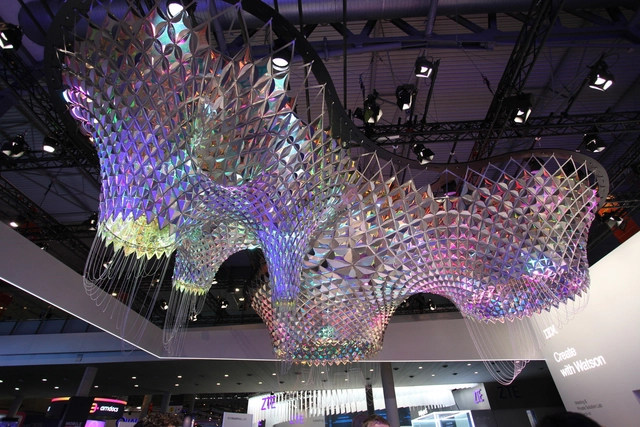
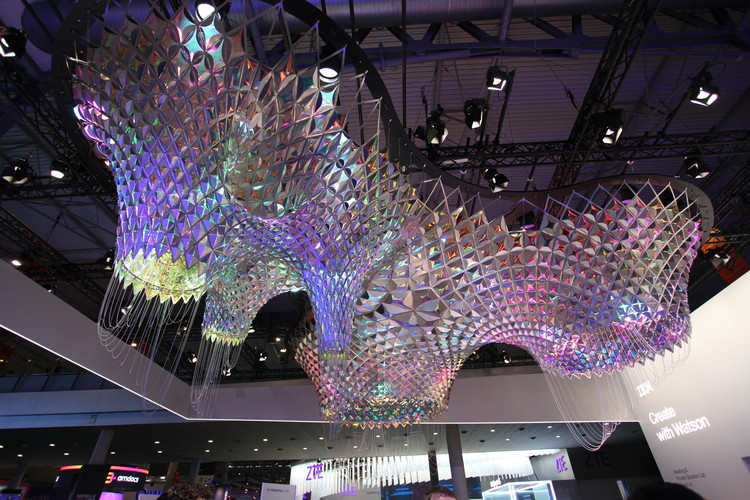
In order to help design the sculpture, Watson was taught about the history and style of Gaudí and the architecture of Barcelona through volumes of images, literary works, articles, and even music. From these references, Watson helped to uncover critical insights on patterns in Gaudí's work—like crabs, spiders, and color palettes—that the design team didn't initially associate with Gaudí. The resulting four-meter-tall sculpture features a structural surface made of over 1200 unique aluminum parts, and is unmistakably reminiscent of Gaudí’s work both in look and feel, yet entirely distinct.
The sculpture was on display from February 27 to March 2 at Mobile World Congress in Barcelona, where it interacted with visitors by changing shape in real-time, in response to sentiments from Twitter. To learn more about the sculpture, ArchDaily was given to opportunity to speak with IBMWatson Manager Jonas Nwuke.
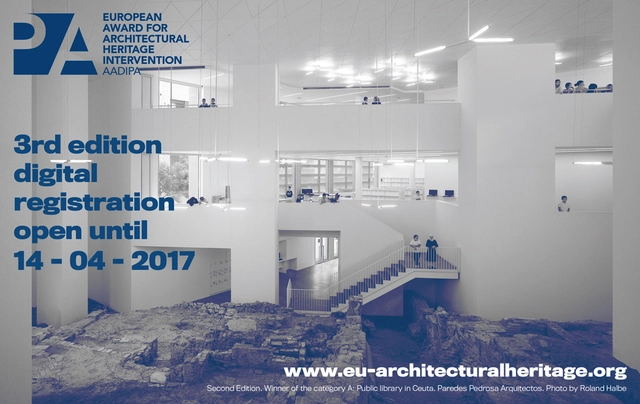
Second Edition. Winner of the category A: Public library in Ceuta. Paredes Pedrosa Arquitectos. Photo by Roland Halbe
The Award for Architectural Heritage Intervention AADIPA, arises from the belief that heritage, as a vehicle for social integration and an economic vitalizing resource for the community, deserves to be appreciated and encouraged. In the current context, in which architectural heritage is considered not only to be a fundamental instrument of knowledge but also a first rate socio-economic resource for the sustainable development of the territory, the disclosure, distinction and recognition of works and quality projects contributing to the preservation of the collective memory is imperative.
Mies van der Rohe’s seminal Barcelona Pavilion is one of the most well-loved structures in the history of architecture, a de facto pilgrimage site for architects and architecture lovers around the world. Now, even those unable to make the trip have the opportunity to get a tour of the beautiful structure, thanks to a new virtual walkthrough produced by The Mies van der Rohe Foundation.