


-
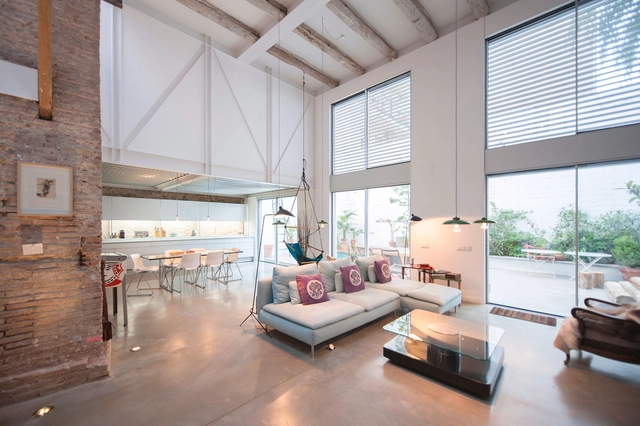
Architects: nook architects
- Area: 130 m²
- Year: 2015
A smart city isn’t necessarily a city brimming with technology. This crucial (and, thankfully, growingly accepted) clarification was strongly emphasized by a panel of experts during the Smart City Expo in Barcelona. However, the piloted driving—which, in layman's terms means cars that drive themselves—that Audi has been testing and implementing is as high-tech, impressive and brimming with technology as one might expect. Beyond the “ooh and aah” factor of a car that needs no human driver, the spatial implications for our cities are undeniable, and the sooner architects can learn to work with and appreciate this technology, the better. In a city equipped with smart mobility solutions, we can expect technology to drive positive changes to social behavior and the affordability of the cities. But for this, we need visionary leaders.
Last week Audi showed their commitment to finding these visionary leaders in the field of architecture by announcing the implementation of three Urban Future Partnerships in Somerville/Boston and Mexico City. In the words of Audi CEO Rupert Stadler, the three pilot projects represent a key move for the car manufacturer: “The development of an investment logic for mobility infrastructure in cities will be an integral part of our company strategy.”

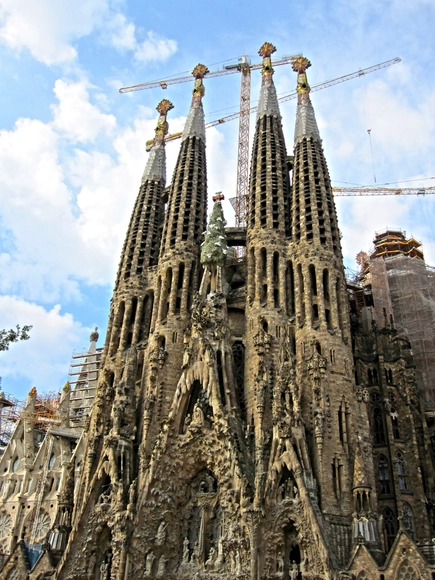
133 years since the laying of its foundation, the construction of Antoni Gaudí's Sagrada Família has entered its final phase. This news was announced in a recent press conference by the project's directing architect Jordi Faulí, who will oversee the completion of six new towers that will raise the "Tower of Jesus Christ" to 172.5 meters-tall, making it the tallest religious structure in Europe and Barcelona's tallest building.
The final stage will include the construction of the 172.5 meter Tower of Jesus Christ, as well as five other 135-meter towers honoring the Virgin Mary and the four apostles.
More information and a video after the break.
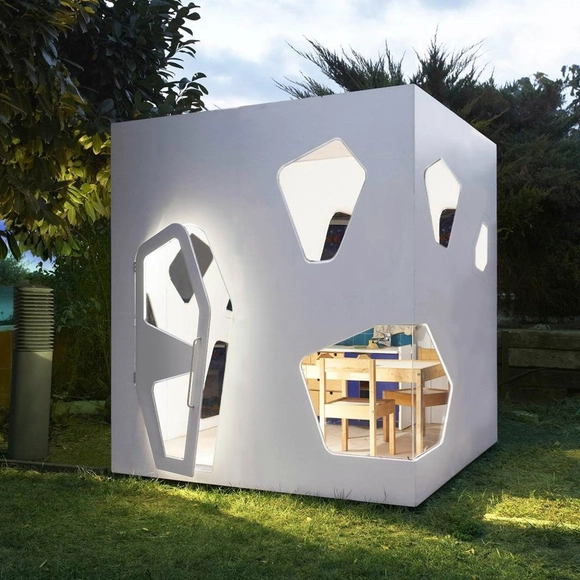
Barcelona-based designer David Lamolla of SmartPlayhouse creates children’s playhouses based on contemporary architecture styles, aiming to create fun spaces for children that are also sculptural elements for the garden. His Kyoto playhouse series is inspired by minimalist Japanese architecture, taking on a form reminiscent of Toyo Ito’s Mikimoto Ginza 2 building.

With a nuanced approach to site and purpose, the projects of Eduardo Cadaval & Clara Solà-Morales are geometric abstractions that are strong without being aggressive, and alluring without being indelicate. In a new documentary on their work, "Cadaval & Solà-Morales / Synthesis and Containment," the architects explain their history and process with commentary that is interspersed by tours of their most lauded projects, and validation of their work by peers. Juan Herreros, Founder and Director of Estudio Herreros, characterizes the architects as not heroic or epic, but as with ballerinas, practice makes the impossible look easy. Josep Luis Mateo, Founder & Director of Mateo Architectura, extols, “one can understand their work by itself, without having to recall their references.”


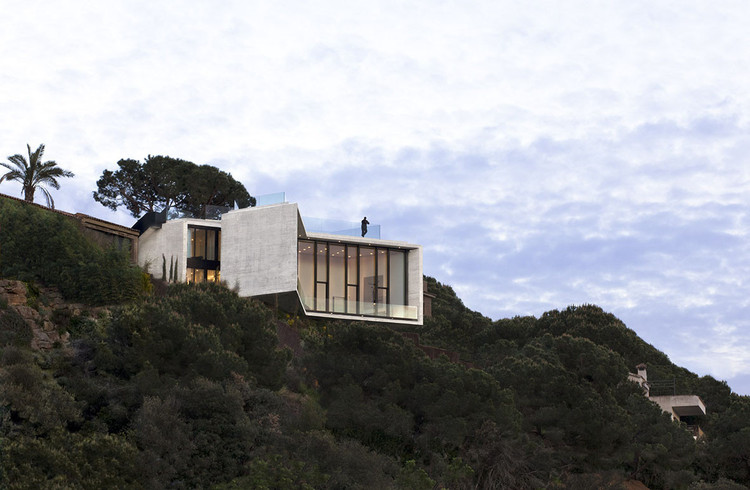
.jpg?1442198797 "Guinovart Florensa Residence. Image © Santiago Garcés")
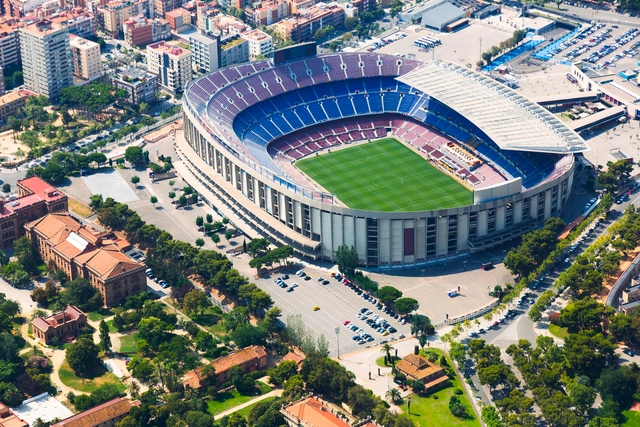
FC Barcelona has announced 14 teams in the running for two planned overhauls of their facilities at the Camp Nou in Barcelona, including alterations to their main stadium and the rebuilding of the Palau Blaugrana, the nearby arena owned by the club and used primarily for basketball and handball. The alterations to the two buildings are part of a larger €600 million project, known officially as "Nou Espai Barça," which seeks to improve the club's entire campus, also adding an ice skating rink, new offices, 5,000 parking spaces and improving the outdoor space surrounding the facilities. The Nou Espai Barça project was approved by the club's fanbase last April after a 72% vote in favor of the proposal.
The list names eight teams - including BIG, Populous, HKS and Arup Sport - in the running for the overhaul of the stadium itself, which will involve the addition of almost 6,000 seats to bring the stadium's total capacity to 105,000, increasing the stadium's lead as the largest football stadium in Europe. It will also include a complete redesign of the lowest seating tier to offer improved views, and the addition of a roof over the terraces. Also named are the six teams in the running to rebuild the Palau Blaugrana.
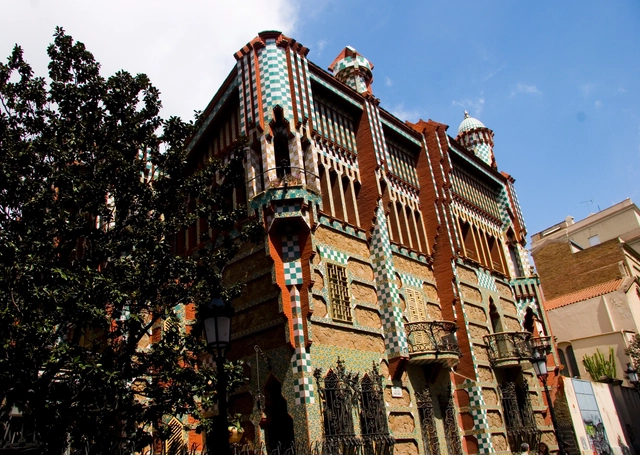
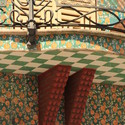
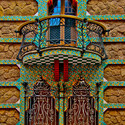
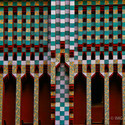
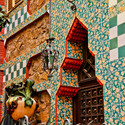
Designed by Antonio Gaudí in Barcelona when he was 30, and designated a World Heritage Site by UNESCO in 2005, Casa Vicens will be converted into a museum and open its doors to the public during the second half of 2016.
Built between 1883 and 1889, Casa Vicens was the first house designed by Gaudí. The building’s current owner, a subsidiary of the financial group Mora Banc Grup, is currently working on its restoration and the museum planning. “The mission of Casa Vicens as a house museum is to present the first Gaudí house, presenting it as an essential work to understand his unique architectural language and the development of Art Nouveau in Barcelona,” explained the executive manager of the project, Mercedes Mora, in a recent interview with Iconic Houses.
Learn more after the break.