

-
Architects: DATAAE, Maira Arquitectes, Narch
- Area: 5617 m²
- Year: 2022


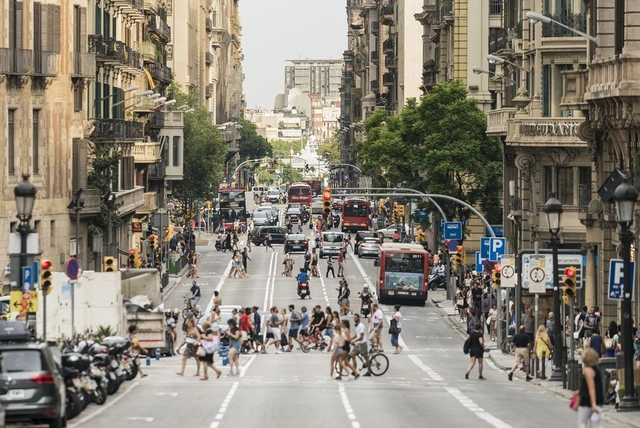
The climate crisis has made heatwaves more likely and more intense around the world. Record-breaking high temperatures are being reported across the world. According to international data, the first week of July 2023 was the hottest week on record, putting millions of people in danger. All throughout this summer, recurring heatwaves have been affecting large portions of Asia, Europe, and the United States, priming the land for fires in places like Greece, Spain, and Canada, triggering unhealthy air warnings, evacuations, and heat-related deaths. The increasingly threatening effects of the climate crisis are also felt in cities worldwide, as extreme heat proves to be a rapidly growing health risk to millions of urban dwellers.
Cities are on the front lines of this public health emergency. People living in urban areas are among the hardest hit when heatwaves happen, partly because of urban heat islands. This is a phenomenon that occurs when cities replace the natural land cover with dense concentrations of surfaces that absorb and retain heat, like pavements and buildings. Heat risk levels also vary by neighborhood, with less affluent and historically marginalized sectors being the most affected due to the density of the population, limited access to cooling systems, and the limited availability of green urban spaces.
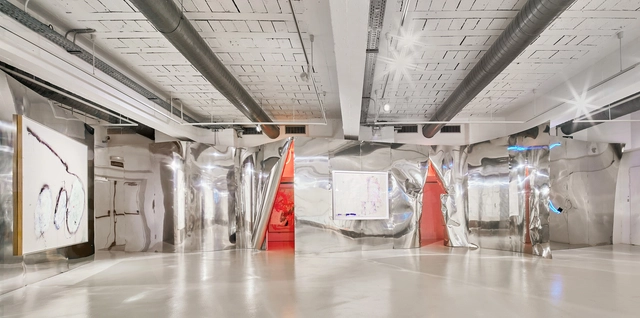
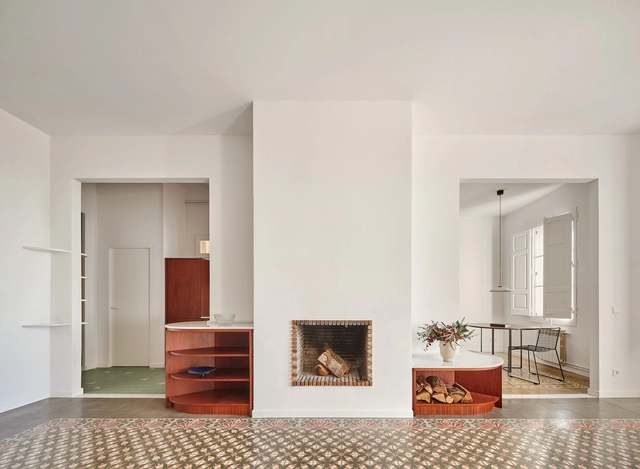
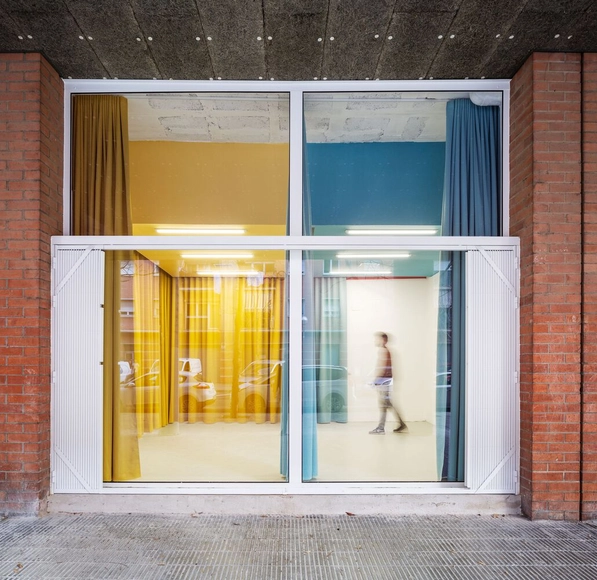
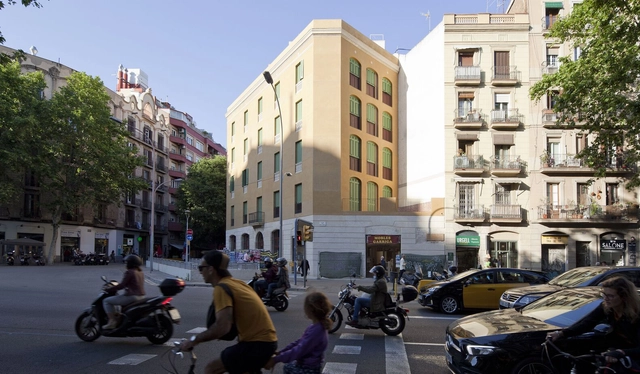
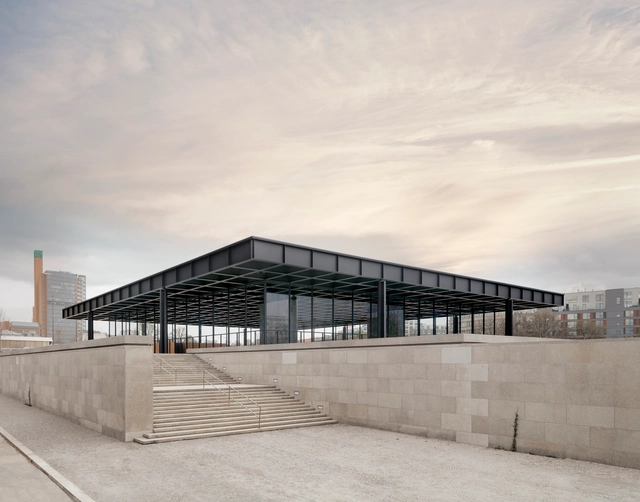
On June 1st, the ceremony for the VI European AHI Prize was held at the Sant Pau Hospital building in Barcelona. This recognition promoted by Architectural Heritage Intervention, in collaboration with the College of Architects of Catalonia and supported by the Department of Culture of the Generalitat de Cataluña, the City Council of Barcelona, and the Metropolitan Area of Barcelona, arises from the conviction that today, architectural heritage is not only an essential element of knowledge, but also a vital socio-economic resource for the sustainable development of territories.
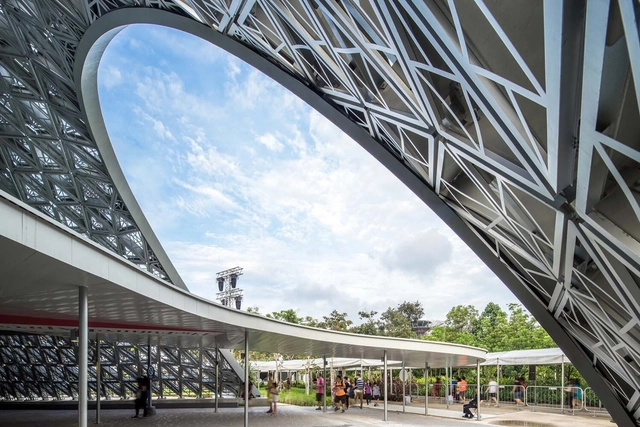
Cities are a canvas for architectural creativity and the dynamism of urban life. In recent years, they have taken on an additional role: that of living laboratories for innovative architecture and urban design. International cities have become experimental grounds for architectural technology, sustainable practices, and human-centered design principles to be tested and refined. This paradigm shift has not only transformed the physical aspects of urban environments but has also redefined the relationship between architecture, community, and the built environment.
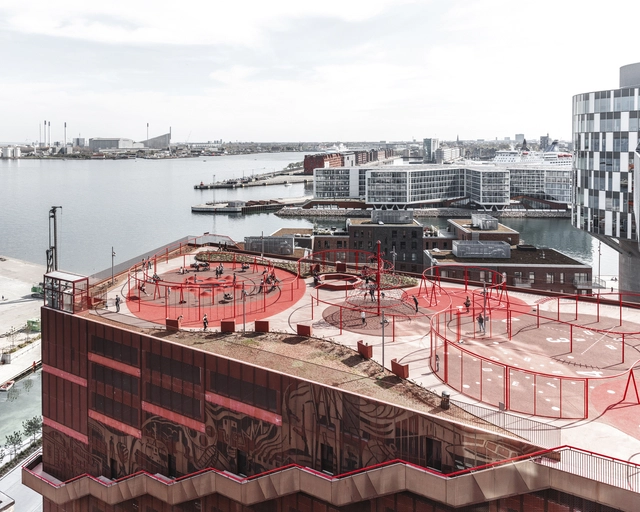
In increasingly denser urban environments, there is a new-found interest in underused spaces as opportunities for further development. Representing up to 25% of cities' land area, rooftops are among the most exciting spatial resources. From sustainable infrastructure and urban farming to social spaces and cultural venues, the article looks into the potential of creating a multi-layered city through the activation of urban rooftops.
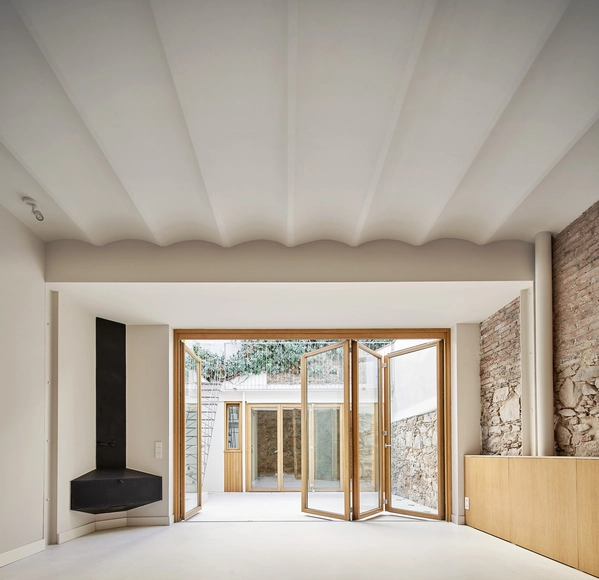
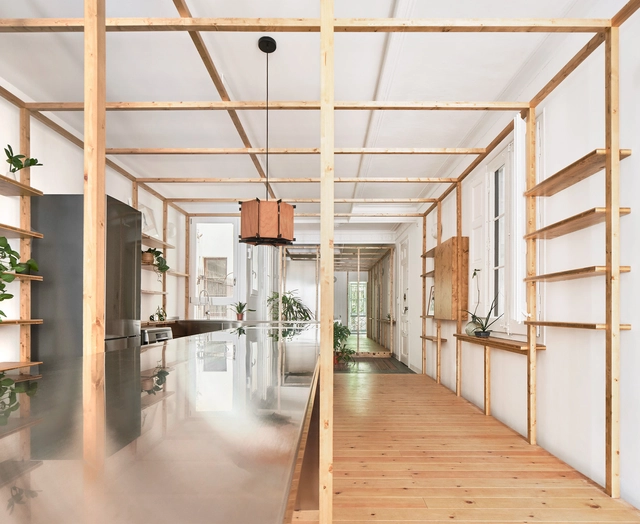
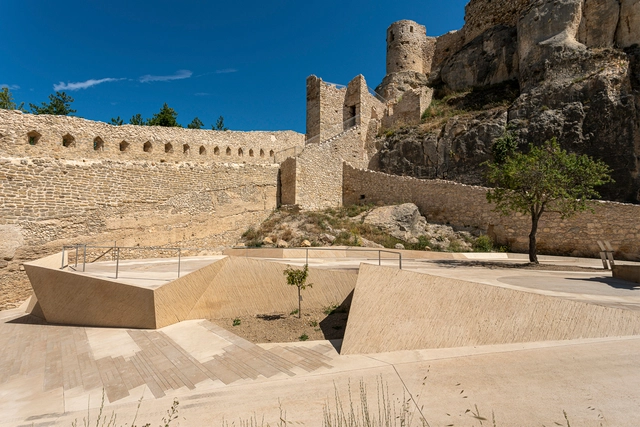
On the occasion of the sixth edition of the AHI European Heritage Intervention Award, the 26 selected projects within the categories of Built Heritage and Outdoor Spaces have been announced, among a total of 241 projects submitted from 28 different European countries.