1. ArchDaily
  2. Beirut

Beirut: The Latest Architecture and News

Design Miami Unveils Architectural Drawings by 90 International Architects Including Steven Holl, David Chipperfield and David Adjaye

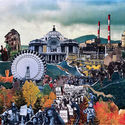
Design Miami’s latest initiative in partnership with Architects for Beirut, has gathered a collection of 100+ original architectural drawings and artworks donated by 90+ renowned architects from around the world. With proceeds going to aid on-the-ground restoration efforts in Beirut, works offered include exclusive pieces from Zaha Hadid, David Chipperfield, Toyo Ito, Steven Holl, Tatiana Bilbao, Adjaye Associates, and Renzo Piano, to name a few.

Design Miami Unveils Architectural Drawings by 90 International Architects Including Steven Holl, David Chipperfield and David Adjaye - Image 1 of 4Design Miami Unveils Architectural Drawings by 90 International Architects Including Steven Holl, David Chipperfield and David Adjaye - Image 2 of 4Design Miami Unveils Architectural Drawings by 90 International Architects Including Steven Holl, David Chipperfield and David Adjaye - Image 3 of 4Design Miami Unveils Architectural Drawings by 90 International Architects Including Steven Holl, David Chipperfield and David Adjaye - Image 4 of 4Design Miami Unveils Architectural Drawings by 90 International Architects Including Steven Holl, David Chipperfield and David Adjaye - More Images+ 13

Hashim Sarkis: “I Do Not Think We Have Ever Witnessed a Moment Where We Have Relied as Much on Architecture”

Subscriber Access | 

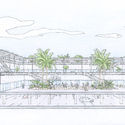
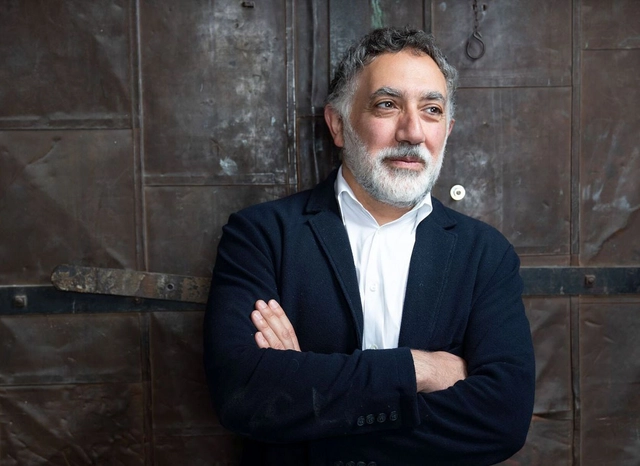
In the second part of his interview with Archdaily, Hashim Sarkis reflects on the future of architecture as he tackles the timeless question of the 2021 Venice Biennale. The curator of the Biennale, which proposes the question of “How Will We Live Together?”, discusses the role of the profession in the midst of all these new paradigms, stating that “Architects do change the world […] by creating […] wish images for what the world could be”.

In this feature, the curator of the anticipated biennale and dean of MIT School of Architecture and Planning presents his views on the evolution of Architecture, and the new directions the academic world should take, to reflect “the complexity of the urban problems of today”. Sarkis also brings up Beirut, discussing reconstruction approaches, civil society, and the exasperating notion of resilience.

Fire Breaks Out at the Zaha Hadid-Designed Building in Beirut, Lebanon

In the Lebanese capital, Beirut, a fire erupted on Tuesday Morning at Beirut Souks, a Zaha Hadid-Designed building. External walls of the under-construction department store fell as flames ravaged the building. The first reports did not clarify the causes of the fire.

Fire Breaks Out at the Zaha Hadid-Designed Building in Beirut, Lebanon - Image 1 of 4Fire Breaks Out at the Zaha Hadid-Designed Building in Beirut, Lebanon - Image 2 of 4Fire Breaks Out at the Zaha Hadid-Designed Building in Beirut, Lebanon - Image 3 of 4Fire Breaks Out at the Zaha Hadid-Designed Building in Beirut, Lebanon - Image 4 of 4Fire Breaks Out at the Zaha Hadid-Designed Building in Beirut, Lebanon - More Images+ 5

Beirut: Between a Threatened Architectural Heritage and a Traumatized Collective Memory

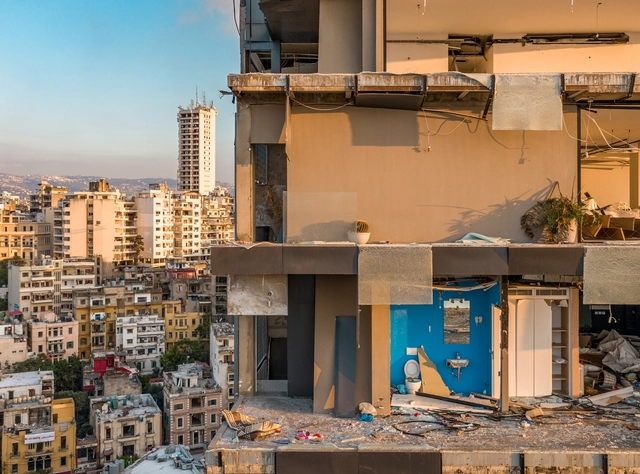
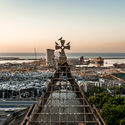
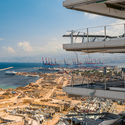
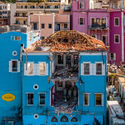
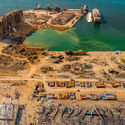
It only took a couple of seconds to destroy 40% of the city of Beirut on August 4th, 2020. A couple of trivial seconds were enough to determine the fate of the urban and social fabric of the Lebanese capital and its architectural heritage. Years and years of accumulated cultural assets fell instantly in distress, causing more harm than the infamous 15-year civil war. These seconds have erased the past, present, and destroyed future aspirations.

Hit right in its rich cultural center, the blast of the port shook the northeastern side of the Lebanese capital, leaving the neighborhoods of Mdawar, Rmeil, Gemmayze, Achrafieh, Mar Mkhayel, Karantina, and Geitawi, severely hurt. According to the UN Development Programme (UNDP), 200,000 housing units were affected by the explosions, with an estimated 40,000 buildings damaged, of which 3,000 were severely damaged.

Beirut: Between a Threatened Architectural Heritage and a Traumatized Collective Memory - Image 1 of 4Beirut: Between a Threatened Architectural Heritage and a Traumatized Collective Memory - Image 2 of 4Beirut: Between a Threatened Architectural Heritage and a Traumatized Collective Memory - Image 3 of 4Beirut: Between a Threatened Architectural Heritage and a Traumatized Collective Memory - Image 4 of 4Beirut: Between a Threatened Architectural Heritage and a Traumatized Collective Memory - More Images+ 20

Anastasia Elrouss Designs a Vertical Eco-Village in Beirut, a New Way to Inhabit the Built Environment

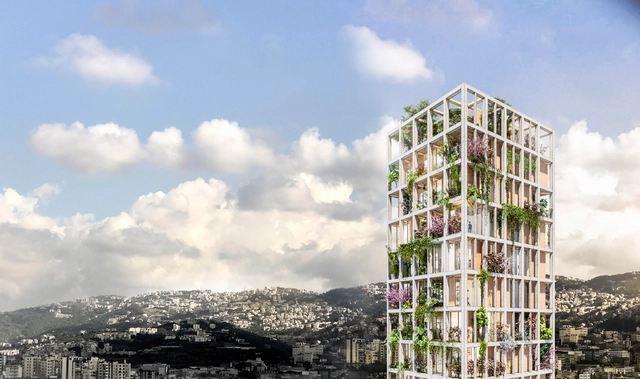
Anastasia Elrouss Architects has imagined the MM Residential Tower, a vertical eco-village in the fast-developing suburbs of Beirut, Lebanon. Labeled Urban Lung, the project, sitting on a 900-square-meter rectangular site, generates 14 stacked floor plates around a central and open planted core. The ground floor and basement level, rented by Warchee NGO, will encompass farming and carpentry workshops for women.

Anastasia Elrouss Designs a Vertical Eco-Village in Beirut, a New Way to Inhabit the Built Environment  - Image 1 of 4Anastasia Elrouss Designs a Vertical Eco-Village in Beirut, a New Way to Inhabit the Built Environment  - Image 2 of 4Anastasia Elrouss Designs a Vertical Eco-Village in Beirut, a New Way to Inhabit the Built Environment  - Image 3 of 4Anastasia Elrouss Designs a Vertical Eco-Village in Beirut, a New Way to Inhabit the Built Environment  - Image 4 of 4Anastasia Elrouss Designs a Vertical Eco-Village in Beirut, a New Way to Inhabit the Built Environment  - More Images+ 17

Public Spaces: Places of Protest, Expression and Social Engagement

Subscriber Access | 

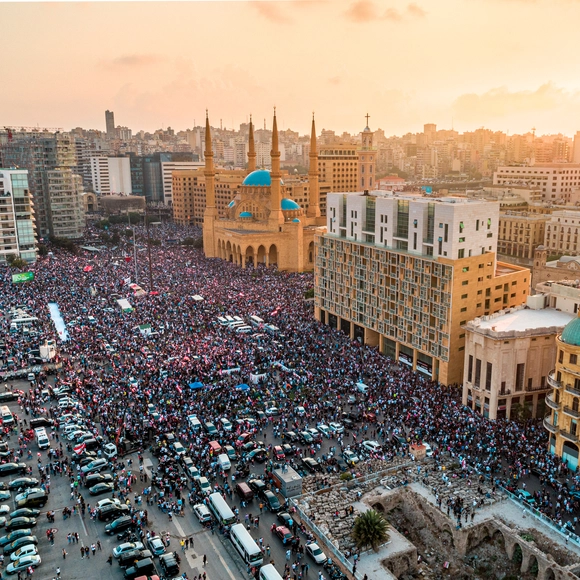
"Public space" is a legal terminology that tackles the notion of land ownership, suggesting that this type of parcel does not belong to anyone in particular, but to the state itself. Open, free, accessible to all, and financed by public money, these spaces are not only the results of planning, but the consequences of the public practices they hold. Actually, people define how public space is used and what it means.

Protests - powerful political tools for change - from the March on Washington in 1963, the Arab Spring in the early 2000s to recent Black Lives Matter Movements, are altering the world. In times like these, while people still need to "take their issues to the streets" to be heard and seen, public spaces have resurfaced as a topic of discussion.

Public Spaces: Places of Protest, Expression and Social Engagement - Image 1 of 4Public Spaces: Places of Protest, Expression and Social Engagement - Image 2 of 4Public Spaces: Places of Protest, Expression and Social Engagement - Image 3 of 4Public Spaces: Places of Protest, Expression and Social Engagement - Image 4 of 4Public Spaces: Places of Protest, Expression and Social Engagement - More Images+ 11

Plot # 1282 / Bernard Khoury / DW5

Plot # 1282 / Bernard Khoury / DW5 - Apartments, Facade
© Bahaa Ghoussainy

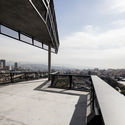
Plot # 1282 / Bernard Khoury / DW5 - Apartments, Facade, Door, BeamPlot # 1282 / Bernard Khoury / DW5 - Apartments, FacadePlot # 1282 / Bernard Khoury / DW5 - Apartments, FacadePlot # 1282 / Bernard Khoury / DW5 - Apartments, Facade, Handrail, CityscapePlot # 1282 / Bernard Khoury / DW5 - More Images+ 38

Arslanian Green Roof Kindergarten / Studio Etienne Bastormagi + Meg Architects

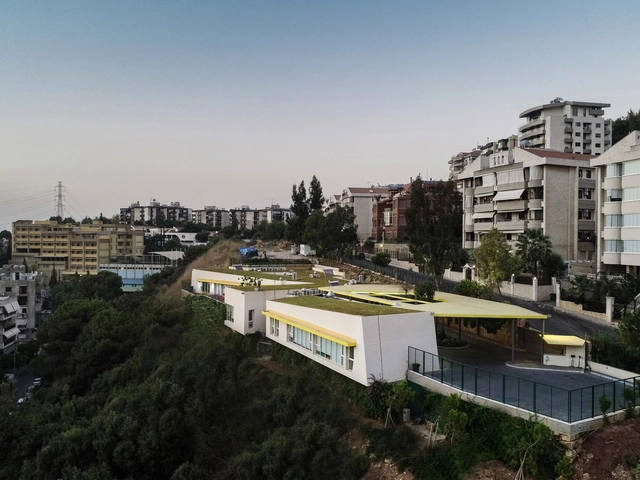
Arslanian Green Roof Kindergarten  / Studio Etienne Bastormagi + Meg Architects - Interior Photography, KindergartenArslanian Green Roof Kindergarten  / Studio Etienne Bastormagi + Meg Architects - Exterior Photography, KindergartenArslanian Green Roof Kindergarten  / Studio Etienne Bastormagi + Meg Architects - Interior Photography, KindergartenArslanian Green Roof Kindergarten  / Studio Etienne Bastormagi + Meg Architects - Interior Photography, Kindergarten, FacadeArslanian Green Roof Kindergarten  / Studio Etienne Bastormagi + Meg Architects - More Images+ 18

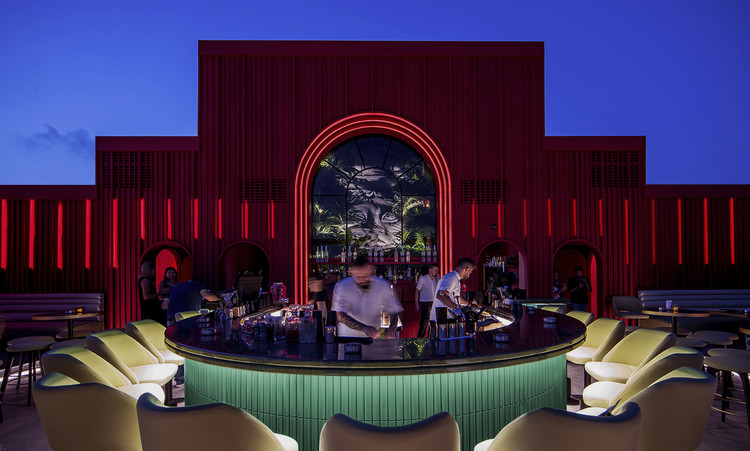
BAU Rooftop Lounge Bar / Rabih Geha Architects

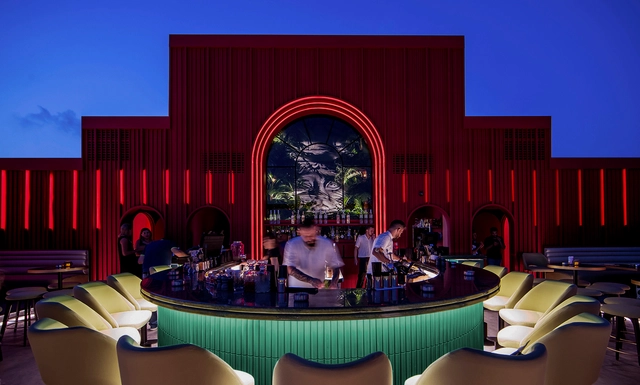
BAU Rooftop Lounge Bar / Rabih Geha Architects - Exterior Photography, Bar, Arch, Column, ChairBAU Rooftop Lounge Bar / Rabih Geha Architects - Exterior Photography, BarBAU Rooftop Lounge Bar / Rabih Geha Architects - Interior Photography, BarBAU Rooftop Lounge Bar / Rabih Geha Architects - Interior Photography, Bar, BathroomBAU Rooftop Lounge Bar / Rabih Geha Architects - More Images+ 8

Beirut, Lebanon
  • Area Area of this architecture project Area:  313
  • Year Completion year of this architecture project Year:  2019
  • Manufacturers Brands with products used in this architecture project
    Manufacturers:  Hansgrohe, Duravit, 3D Storyfoam, Artificial Plants, BOSE, +3

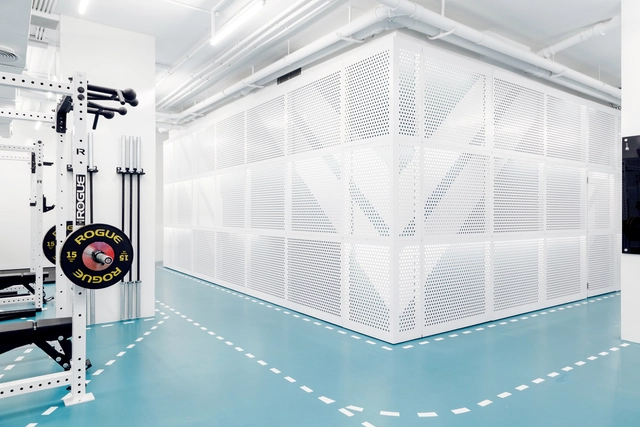
Vim & Vigor Gym / Rabih Geha Architects

Vim & Vigor Gym / Rabih Geha Architects - Interior Photography, Sports InteriorsVim & Vigor Gym / Rabih Geha Architects - Interior Photography, Sports InteriorsVim & Vigor Gym / Rabih Geha Architects - Interior Photography, Sports Interiors, Kitchen, Table, ChairVim & Vigor Gym / Rabih Geha Architects - Interior Photography, Sports InteriorsVim & Vigor Gym / Rabih Geha Architects - More Images+ 9

  • Area Area of this architecture project Area:  700
  • Year Completion year of this architecture project Year:  2018
  • Manufacturers Brands with products used in this architecture project
    Manufacturers:  Hansgrohe, Duravit, Core Cladding, Hanex, JBL, +3

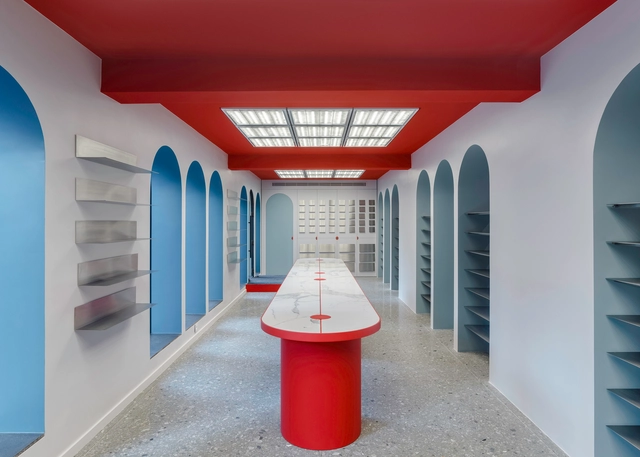
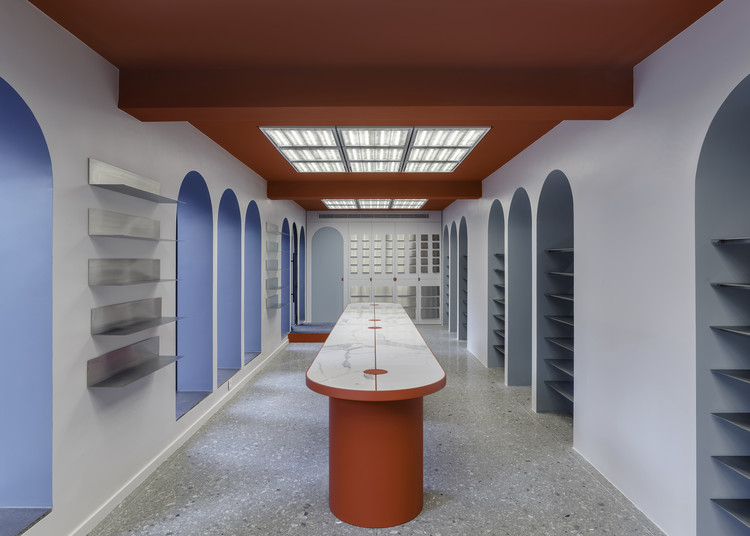
Images d'Orient / Rabih Geha Architects

Images d'Orient / Rabih Geha Architects - Interior Photography, Retail Interiors, Kitchen, Table, BenchImages d'Orient / Rabih Geha Architects - Retail Interiors, Door, ArchImages d'Orient / Rabih Geha Architects - Interior Photography, Retail InteriorsImages d'Orient / Rabih Geha Architects - Retail Interiors, Facade, ArchImages d'Orient / Rabih Geha Architects - More Images+ 14

  • Area Area of this architecture project Area:  70
  • Year Completion year of this architecture project Year:  2019
  • Manufacturers Brands with products used in this architecture project
    Manufacturers:  Hansgrohe, Duravit, Agglotech, Ariostea, Neon National, +1

Annabel Karim Kassar Transforms 19th-century Structure into a Contemporary Family Home

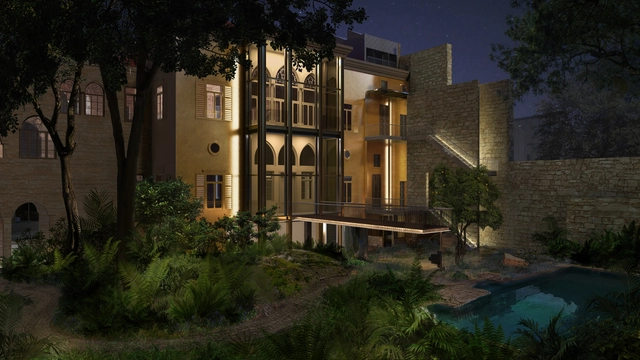
AKK Architects, an architecture practice founded by architect Annabel Karim Kassar, with offices in Beirut, Dubai, and London, is transforming a historical 19th-century Lebanese home into a contemporary family home. Bayt K was shortlisted for the WAF future projects awards under House category.

Annabel Karim Kassar Transforms 19th-century Structure into a Contemporary Family Home - Image 1 of 4Annabel Karim Kassar Transforms 19th-century Structure into a Contemporary Family Home - Image 2 of 4Annabel Karim Kassar Transforms 19th-century Structure into a Contemporary Family Home - Image 3 of 4Annabel Karim Kassar Transforms 19th-century Structure into a Contemporary Family Home - Image 4 of 4Annabel Karim Kassar Transforms 19th-century Structure into a Contemporary Family Home - More Images+ 10

Brutalist Beirut: Showcasing a Forgotten Modern Heritage

In recent years, people started to regain interest in a movement that dates back to the last century; a movement, first introduced during the 1940s and 1950s, through the works of Le Corbusier and Alison and Peter Smithson. With monolithic structures, modular shapes, and impressive massing, Brutalism highlights architectural integrity. This movement is highly characterized by rough, raw, and pure surfaces that underline the essence of the substances in question. Spread across the globe, architects have adopted and developed their own vision of this modern movement, creating contextual variations.

In the midst of all the chaos currently taking place in the city of Beirut, we look back on the Lebanese capital’s hidden Brutalist gems. To shed the light on a movement that's often neglected and forgotten, Architect Hadi Mroue created a series of images that highlight the Lebanese Brutalism movement as well as its evolution as an important part of the Lebanese modern heritage.

"We Wanted a Gradient of Galleries": WORKac Explain their Design for the Beirut Museum of Art

Subscriber Access | 

What is architecture if it does not understand its context?  Architecture is shaped and curated by the area it lives in, showcasing the culture it embodies. The more of this identity it embodies, the more meaningful (and sometimes prominent) it becomes. 
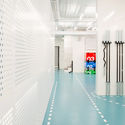
December of 2018 was a month of prosperity for Lebanese architecture: Hashim Sarkis was announced curator of the 2020 Venice Biennale and Lebanese-born Amale Andraos and partner Dan Wood of WORKac were selected to build the Beirut Museum of Art. The museum, a dynamic assembly of contoured geometries (not entirely unlike their work at Miami's Museum Garage) located in the heart of Beirut City, will house permanent and temporary exhibitions across 12,000 square meters. WORKac's winning scheme was chosen for its ability to “reveal the cultural possibilities of integrating art, architecture, and landscape within a dense urban setting and as a means to re-imagine how we can live, learn and share together.”

WORKac Selected to Design the New Beirut Museum of Art

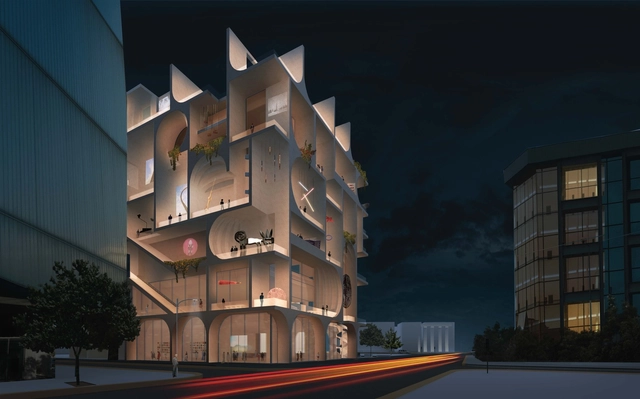
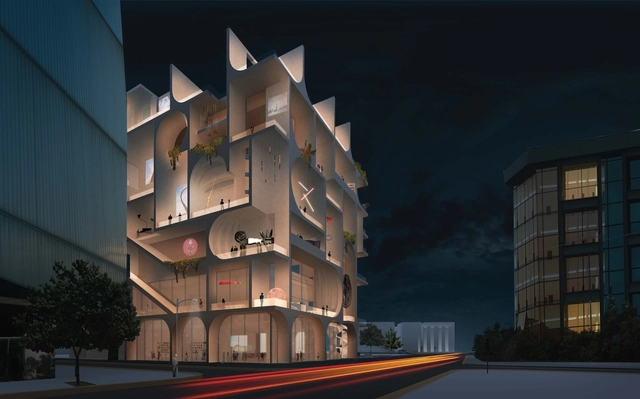
Architect Amale Andraos and her firm WORKac have been selected to design BeMA, the new Beirut Museum of Art in Lebanon. Centrally located in the heart of Beirut, the project will be positioned on a site that once marked the dividing line in the Lebanese civil war. The museum’s permanent collection will include modern and contemporary artworks from Lebanon, the Lebanese diaspora and the wider region. The new project will feature 70 balconies arrayed as a vertical promenade that blends indoor and outdoor spaces to create an open museum for the city.

 WORKac Selected to Design the New Beirut Museum of Art - Image 1 of 4 WORKac Selected to Design the New Beirut Museum of Art - Image 2 of 4 WORKac Selected to Design the New Beirut Museum of Art - Image 3 of 4 WORKac Selected to Design the New Beirut Museum of Art - Image 4 of 4 WORKac Selected to Design the New Beirut Museum of Art - More Images+ 8

Zaha Hadid's Issam Fares Institute Stands Out in New Photography by Bahaa Ghoussainy

Zaha Hadid's Issam Fares Institute Stands Out in New Photography by Bahaa Ghoussainy - Image 5 of 4
© Bahaa Ghoussainy

With its monumental form, swept diagonal lines and elevated concrete walkways, the Issam Fares Institute building at the American University of Beirut by Zaha Hadid Architects emphasizes movement, evoking the speed of contemporary life as it presides over a connecting system of pedestrian walkways. Begun in 2006 and completed in 2014, Hadid’s award-winning concrete and glass building makes a bold statement with its prominent 21-meter, two-story-tall cantilever, which creates a covered courtyard and reduces the footprint of the building to avoid blocking circulation routes. The elevated walkways carry pedestrians through the branches of huge Cypress and Ficus trees, many of which significantly predate the building at 120 to 180 years old.

Zaha Hadid's Issam Fares Institute Stands Out in New Photography by Bahaa Ghoussainy - Image 1 of 4Zaha Hadid's Issam Fares Institute Stands Out in New Photography by Bahaa Ghoussainy - Image 2 of 4Zaha Hadid's Issam Fares Institute Stands Out in New Photography by Bahaa Ghoussainy - Image 3 of 4Zaha Hadid's Issam Fares Institute Stands Out in New Photography by Bahaa Ghoussainy - Image 4 of 4Zaha Hadid's Issam Fares Institute Stands Out in New Photography by Bahaa Ghoussainy - More Images+ 18

Rafael Moneo's Beirut Souks Explored in Photographs by Bahaa Ghoussainy

When Spanish architect Rafael Moneo won the Pritzker Prize in 1996, the jury identified his ability to see buildings as lasting built entities—their lives extending beyond architectural drawings—as integral to his success. The South Souks, Moneo’s 2009 project in Beirut, Lebanon, indeed responds to a long history and anticipates a lasting future. After the city’s historic souq (outdoor marketplace) was destroyed during the Lebanese Civil War, developer Solidere began rebuilding the commercial area in 1991. As part of the project, Moneo designed an arcaded shopping district that follows the ancient Hellenistic grid and retains original street names.

Rafael Moneo's Beirut Souks Explored in Photographs by Bahaa Ghoussainy - Image 1 of 4Rafael Moneo's Beirut Souks Explored in Photographs by Bahaa Ghoussainy - Image 2 of 4Rafael Moneo's Beirut Souks Explored in Photographs by Bahaa Ghoussainy - Image 3 of 4Rafael Moneo's Beirut Souks Explored in Photographs by Bahaa Ghoussainy - Image 4 of 4Rafael Moneo's Beirut Souks Explored in Photographs by Bahaa Ghoussainy - More Images+ 21

Lightweight Wooden Deployable Structure Aims for Large Social Impact Without Leaving a Mark

Subscriber Access | 

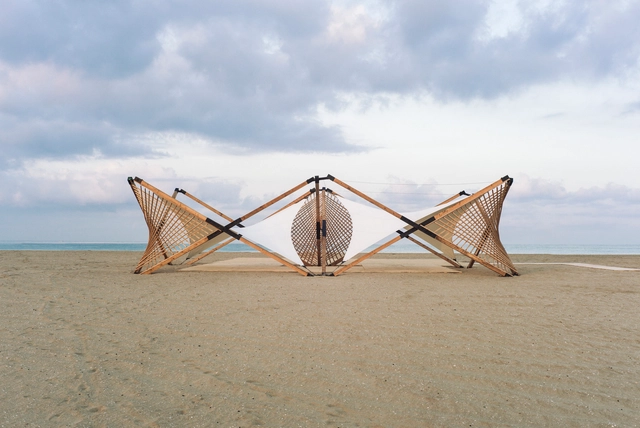
Architecture students of the American University of Beirut used an ephemeral design to approach the lack of awareness of marine biodiversity and responsible use of the coast of Tyre. The proposal consists of a lightweight and deployable structure constituting a programmatic point of meeting and information on the sand.

The project materialized with wood, metal ties and ropes, approach the possible application of light and temporary systems to generate a large social impact and at the same time minimum physical impact on the site.