1. ArchDaily
  2. Blockchain

Blockchain: The Latest Architecture and News

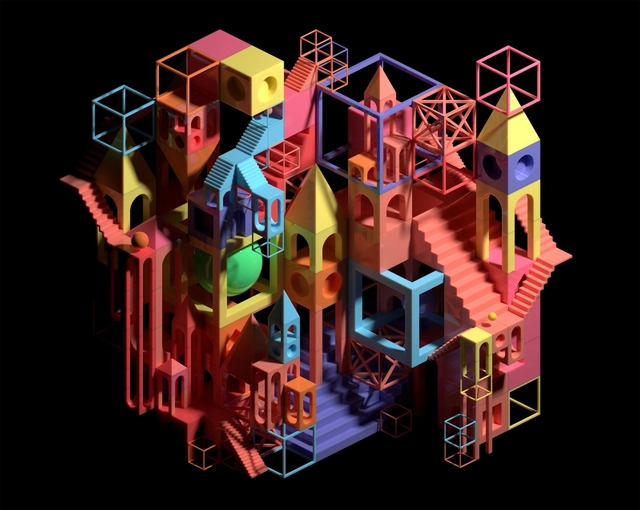
An Artificial Intelligence Bot Picks The Architecture Trends of 2023

2022 could be remembered as the year when surprising AI-fueled tools became accessible to a larger audience: from text-to-image generation Stable Diffusion, Midjourney, and DALL-E 2 to unsettling design experiments such as This House Does Not Exist, to surprisingly smart OpenGPT, a language-processing designed artificial intelligence to generate human-like text.

Cautiously described by OpenAI CEO Sam Altman as "a preview of progress", any user can talk with OpenGPT about almost anything: the results are astonishing and it easily can embody an umpteenth so-called threat for creative-related jobs. However, OpenGPT does not have access to browse the internet. Instead, it interacts based on the gigantic database that it has been trained on. As expressed by Gannett's Eric Ulken, "even the best generative AI tools are only as good as their training", so what an "inappropriate request" is has previously been tuned (by humans) as well.
Why Every 3D Designer / Architect Can Benefit From the Creator Economy in the Metaverse

Subscriber Access | 

Nike recently acquired RTFKT, a design studio that was founded in Jan 2020, and is known for its virtual “metaverse-ready sneakers and collectibles”. Metaverse land purchases are making headlines with multi-million dollar price tags. We’ve also seen mainstream adoption for NFT art this year and the sales are expected to surge to $17.7 billion by the end of 2021.

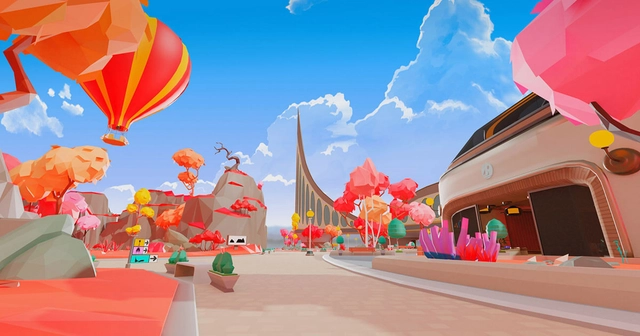
Beneath the hype and frenzy, we can spot a fundamental shift that unlocks a new creator economy. It provides the creators with direct access to the market, builds ongoing relationships with fans, and unites strangers in self-governed communities. In this article, we will discuss why every 3D designer/architect should embrace the Web 3.0 movement to adopt a new business logic and benefit from the creator economy in the metaverse?

Why Every 3D Designer / Architect Can Benefit From the Creator Economy in the Metaverse - Image 1 of 4Why Every 3D Designer / Architect Can Benefit From the Creator Economy in the Metaverse - Image 2 of 4Why Every 3D Designer / Architect Can Benefit From the Creator Economy in the Metaverse - Image 3 of 4Why Every 3D Designer / Architect Can Benefit From the Creator Economy in the Metaverse - Image 4 of 4Why Every 3D Designer / Architect Can Benefit From the Creator Economy in the Metaverse - More Images+ 5

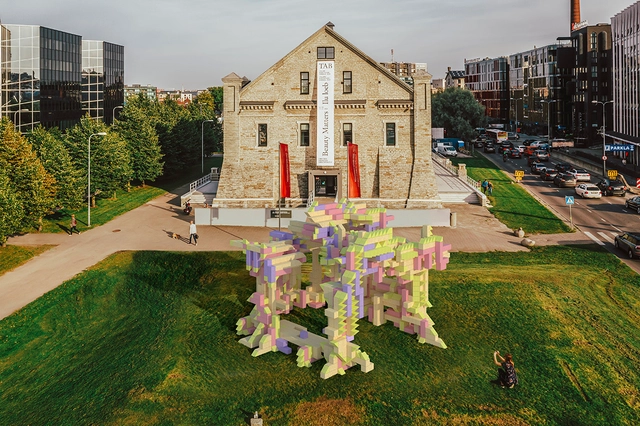
Tallinn Architecture Biennale Announces First Ever Blockchain-Funded Pavilion as New Winning Installation

Due to unexpected circumstances, The Tallinn Architecture Biennale announced a new winning proposal for its Installation Programme Competition: Fungible Non-Fungible Pavilion by iheartblob, a new "decentralized and systematic" approach towards architectural design which allows the community to be both designers and investors, contributing to a structure that evolves over time. TAB 2022 will take place during September – October 2022, with the opening week on the 7th–11th of September.

Tallinn Architecture Biennale Announces First Ever Blockchain-Funded Pavilion as New Winning Installation - Image 1 of 4Tallinn Architecture Biennale Announces First Ever Blockchain-Funded Pavilion as New Winning Installation - Image 2 of 4Tallinn Architecture Biennale Announces First Ever Blockchain-Funded Pavilion as New Winning Installation - Image 3 of 4Tallinn Architecture Biennale Announces First Ever Blockchain-Funded Pavilion as New Winning Installation - Image 4 of 4Tallinn Architecture Biennale Announces First Ever Blockchain-Funded Pavilion as New Winning Installation - More Images+ 9

Bitcoin, NFT's, and the Metaverse: Reflecting on the Year of Digital Real Estate and Design

Imagine if a few years ago you woke up to the news that someone paid more than one million dollars for three plots of digital land next to famed rapper Snoop Dogg’s digital mansion. You’d probably ask yourself, “What is digital real estate, and why would someone pay for that?” Over the past year, there’s been a rush to buy properties, art, and land- but all of it exists in a virtual world called the metaverse. Although this world existed long before the pandemic, lockdowns propelled the online world to a new level, catching the attention of private buyers and brokerages alike who began to funnel tier money into this augmented reality. But how did this world emerge, what does the future hold, and can anyone join the virtual world?

Would You Pay for Virtual Architecture? What the NFT Craze Means for the Future of the Design Profession

If someone tried to sell you a virtual building, would you buy it? That’s right- a virtual building. Not something that will ever be built in the physical world, or something you can occupy, but an image you can look at, or a video you could watch. This is exactly what’s being proposed as architecture enters the realm of NFTs (non-fungible tokens) that have taken the world by storm. And in the design profession, which continuously seeks to redefine what it means to be an architect, NFTs have big implications for the future of digitization and commoditization of the unbuilt environment.

How Will Digitalization and Remote Construction Change our Habits as Architects?

 | Sponsored Content

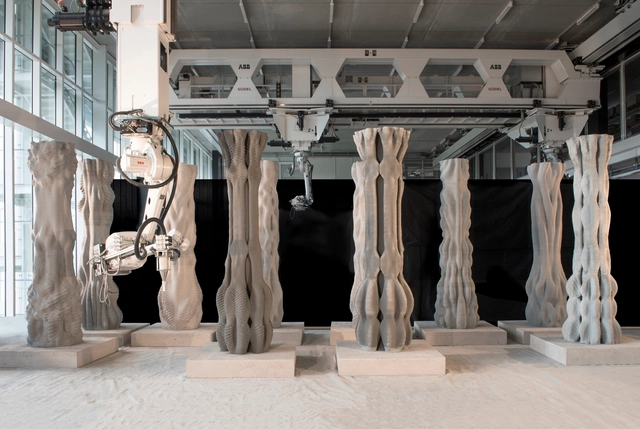
Architects don’t make buildings. Architects make drawings of buildings. But of course, someone has to make the building. The construction industry is one of the largest economic sectors and we all interact with the built environment on a daily basis, but the actual work of getting a building from drawing to structure has barely evolved over the decades. While the rest of the world has moved into Industry 4.0, the construction sector has not kept pace. Architecture has begun to embrace some digitalization. After all, not many of us work with mylar on drafting tables anymore. So with the architecture industry’s everlasting link to the construction industry, will the latter pick up some new technological tricks by association? And when it does, how will that change the role of the architect?

Could Future Cities be Crypto Cities? A Nevada Desert Experiment May Give an Answer

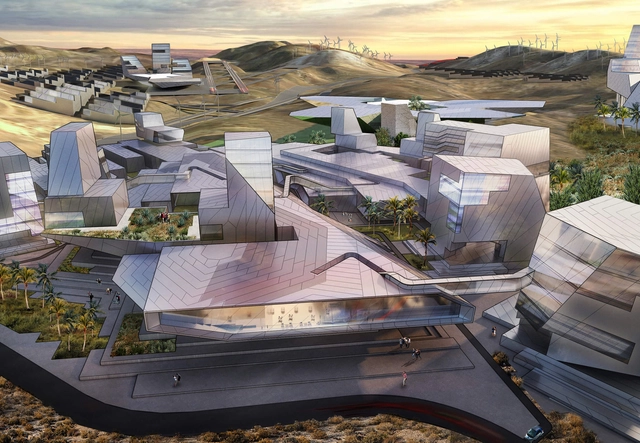
In a world increasingly obsessed with the potential of Blockchain (the decentralized technology behind Bitcoin), lawyer and cryptocurrency millionaire Jeffrey Berns has purchased an enormous 67,000-acre plot of the Nevada desert near Reno envisioned as an “experimental community” revolving around the technology.

His company, Blockchains LLC, has worked in collaboration with Tom Wiscombe Architecture and Ehrlich Yanai Rhee Chaney Architects (EYRC) to design “Innovation Park” which will be “developed into a smart city with decentralized Blockchain underlying all infrastructure.”

Could Future Cities be Crypto Cities? A Nevada Desert Experiment May Give an Answer - Image 1 of 4Could Future Cities be Crypto Cities? A Nevada Desert Experiment May Give an Answer - Image 2 of 4Could Future Cities be Crypto Cities? A Nevada Desert Experiment May Give an Answer - Image 3 of 4Could Future Cities be Crypto Cities? A Nevada Desert Experiment May Give an Answer - Image 4 of 4Could Future Cities be Crypto Cities? A Nevada Desert Experiment May Give an Answer - More Images+ 3