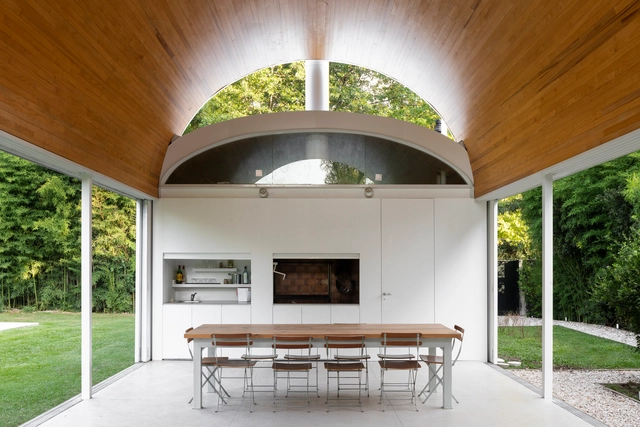
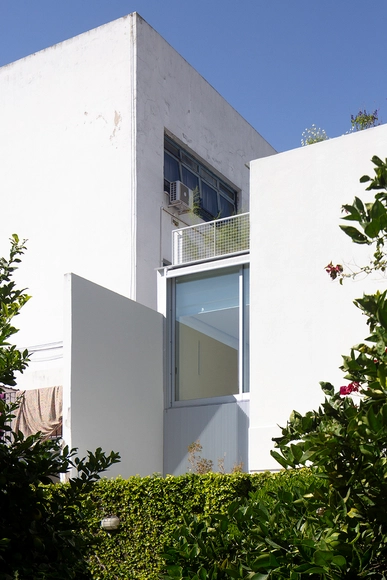
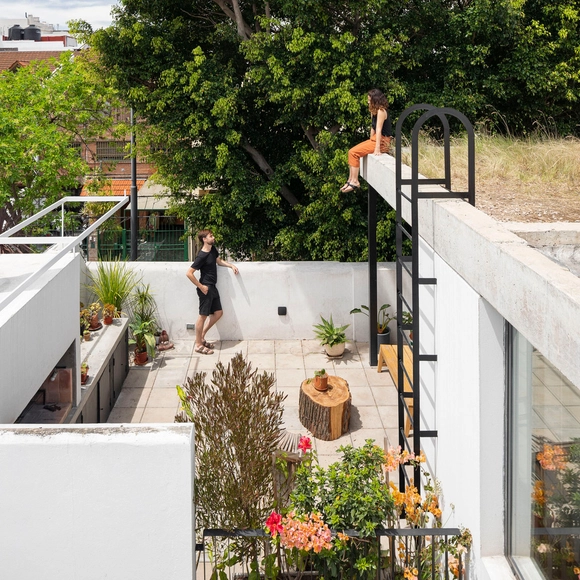
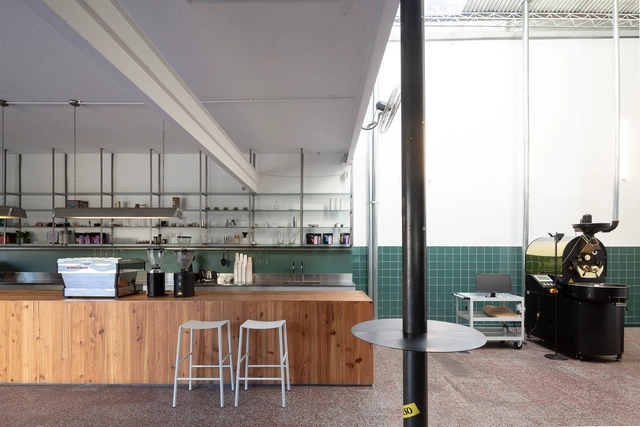
As a protagonist of the Argentinean culinary scene, the barbecue plays a prominent role. In architecture, beyond the dimensions of the spaces where they are installed, grills are consolidated as a meeting point for visitors and residents of the houses, coming into direct contact with the customs and culture of the country.
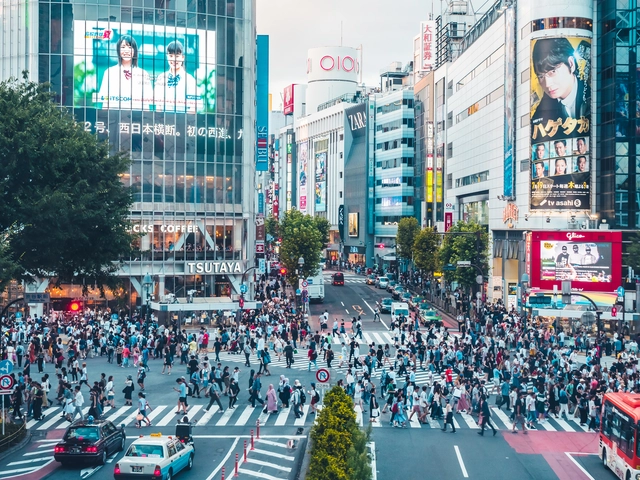
An online search away from any computer are eye-level views of many of the world’s cities. This technology is powerful – allowing people to have an in-depth look at the cities they might one day visit, live in, or work in. It’s a useful tool for understanding buildings on a more comprehensive level than photographs. This technology is, of course, Google Street View – which recently turned fifteen years old.
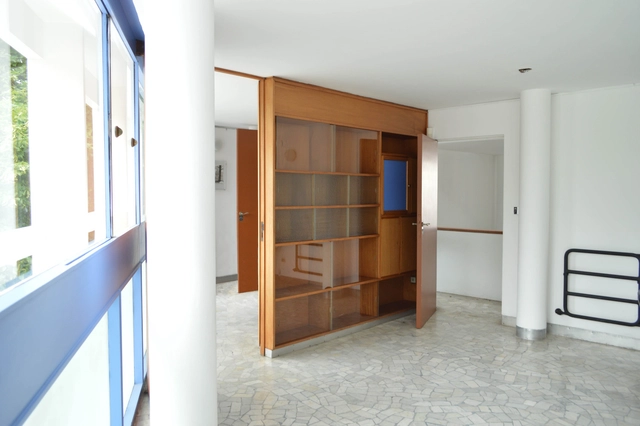
"La Curutchet habitada" is the title of a forthcoming book that records research developed by the Department of Interior Architecture and Furniture of the Instituto de Proyecto de FADU-Udelar, Uruguay, of which we share a small preview originally published in the magazine Summa+ 189 in December 2021.
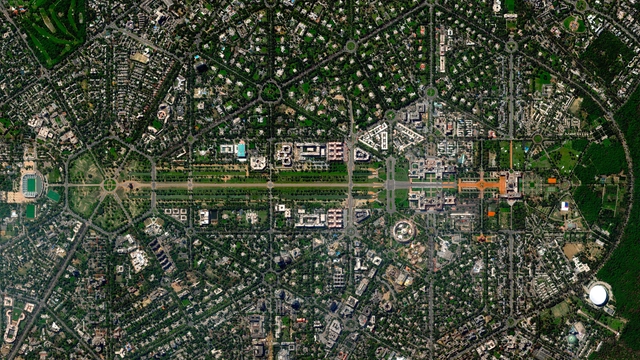
Half of the world’s population now lives in cities, according to UN-Habitat’s latest reports. While this number is set to increase to two-thirds by 2050, urban challenges are growing exponentially, making it more crucial than ever, to transform our cities. Annually, the world population review assesses the growth of cities and the number of residents living in metropolitan areas, to understand global evolution trends. In 2022, the list of the top 20 most populated countries remained similar to the 2021 edition, with a slight change in numbers and positions. Tokyo kept its status as the world’s largest city, with 37 million inhabitants, while Delhi and Shanghai, followed in second and third positions.
Comparing the results to the 2021 edition, the only decrease that can be seen in the top 20, involves both Japanese cities, Tokyo and Osaka. The rest of the list had, on average, a growth of 1.8% in the total of people residing in metropolitan areas. In fact, African cities Kinshasa in the Democratic Republic of Congo and Lagos in Nigeria gathered the highest rates, with respectively a 4.39% and a 3.54% increase in residents in 1 year. The largest city in the American continent is still Sao Paulo in Brazil, followed closely by Mexico City and Buenos Aires in Argentina, further down the table. In Europe, Istanbul is the most populous, with more than 14.5 million residents.
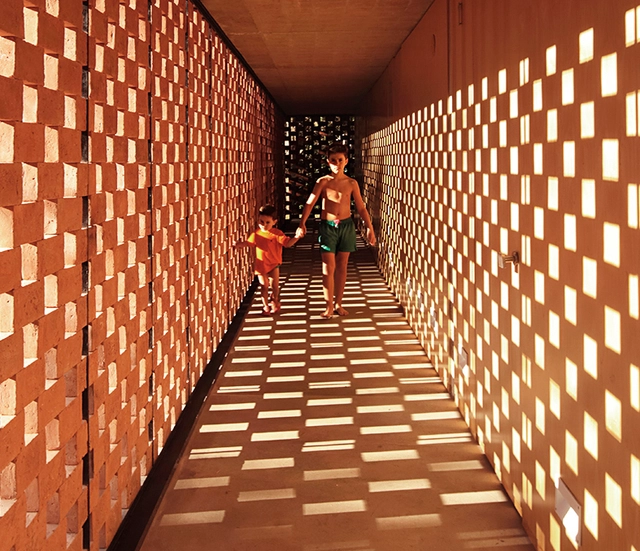
Brick has positioned itself as one of the materials that characterise and identify Argentinean and Latin American architectural culture. The diversity and versatility of masonry in our region have given rise to great heterogeneity in its uses and applications: structural walls, partitions, enclosures, screens, envelopes, skins, roofs, vaults, domes and floors allow us to visualise the great adaptability of this material in order to adapt to the particular requirements of each project.
Nowadays, the role of architects exceeds the limits of construction, reaching fields that are often unthinkable, but which nonetheless demonstrate a close relationship with the profession. If we go back in time, the fact is that many buildings, houses, monuments and even cities have been built intuitively without urban planning or renowned architects. Undoubtedly, today's architects are facing a great challenge that goes beyond demonstrating our skills and knowledge and extends to other areas that involve us, but we still don't know it. So we ask ourselves, what will be the profile of the architect of the future?
In a tour of the layout of Buenos Aires, around 500 passages are distributed throughout the city. Regardless of the neighbourhood in which they are located, they represent postcards of contemporary urban architecture with a tinge of improvisation. However, they bear witness to the organisation of Buenos Aires, which aspired to a checkerboard regularity.
On many occasions, it is difficult to tell the difference between the passage, the cut-off and the dead-end street, but they are all part of the urban space, that place of exchange, of encounter, of signs, symbols and words where people live, play and learn at the same time.
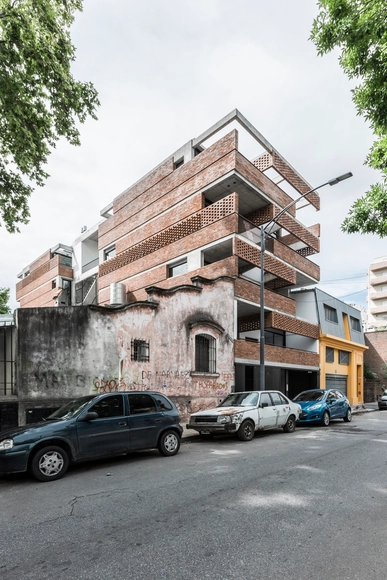
Edificio Juana Azurduy 1635 / BAAG. Image Cortesía de BAAG
Since 2008, the BAAG Studio, or Buenos Aires Architectura Grupal, has demonstrated that taking the time to collectively think, experiment, and rethink, not only reinforces architecture as a discipline, it advances it. The group's projects and research have added to the shared-practice-driven critical thinking that has become increasingly essential within the profession.
We sat down with BAAG to hear more about their inspiration, processes, education, and their predictions going forward.
Edificio ZETA en Buenos Aires, diseñado por ODA. Image Cortesía de ODA
ODA, the New York-based architecture office, has recently unveiled its design for Paseo Gigena, a former parking lot that will be transformed into a mixed-use project and a public park in Buenos Aires. Around the same time, ODA has also announced the beginning of the construction phase of its first residential venture in the same city: The ZETA building.
Located in the Belgrano neighborhood, next to the modern structure of the University of Belgrano and facing the historic mansion that houses the Australian Embassy, the 126-unit project seeks to "reimagine the language of residential buildings in Buenos Aires", according to the architects.
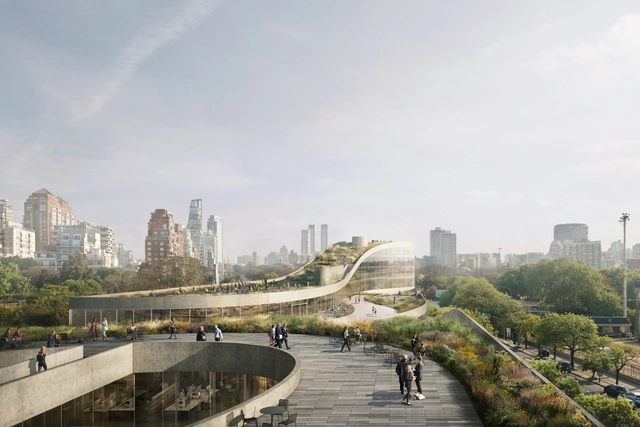
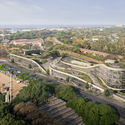
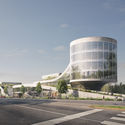
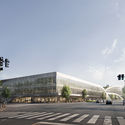
Paseo Gigena, diseñado por ODA. Image Cortesía de ODA
The old structure called Playa Gigena, in honor of the equestrian of the same name, located between the hippodrome and the Rosedal de Palermo in Buenos Aires, will now be converted by ODA into a Class A office building and a public park including cafes, restaurants, shops, and a covered parking lot. The partial demolition of the old parking lot has begun on June 28th.
Designed by the American architecture office ODA, the next Paseo Gigena will be the firm's first mixed-use project in the city of Buenos Aires city. The team involved in the process also includes the participation of Aisenson studio, Inscape Landscape, Coinsa, and the developer BSD Investments, to which the government has granted the concession of the property known as Ámbito Gigena, for a period of 15 years.