1. ArchDaily
  2. Osaka

Osaka: The Latest Architecture and News

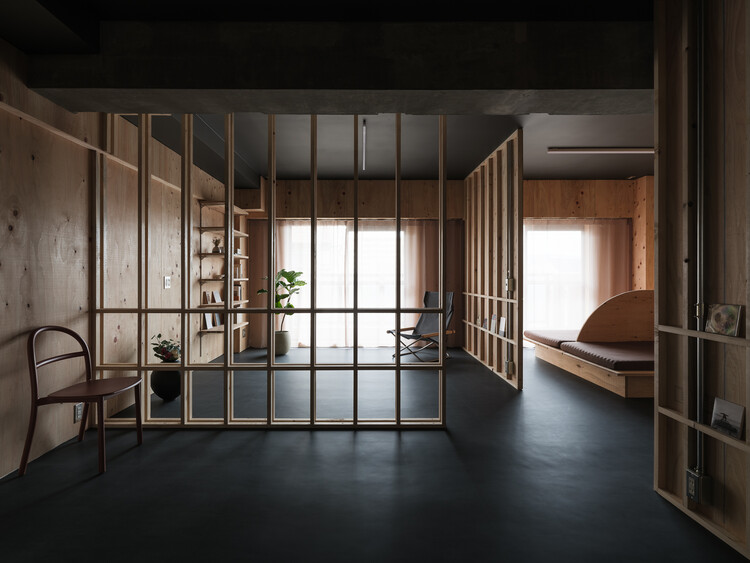
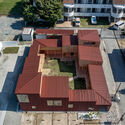
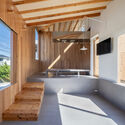
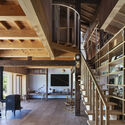
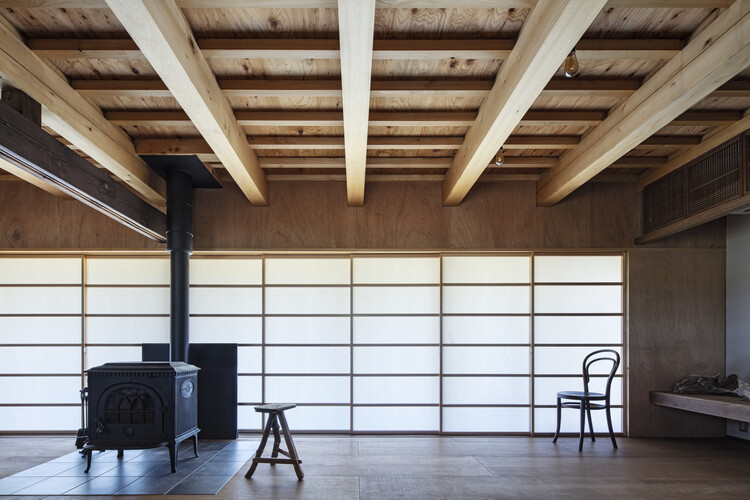
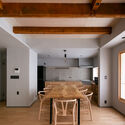
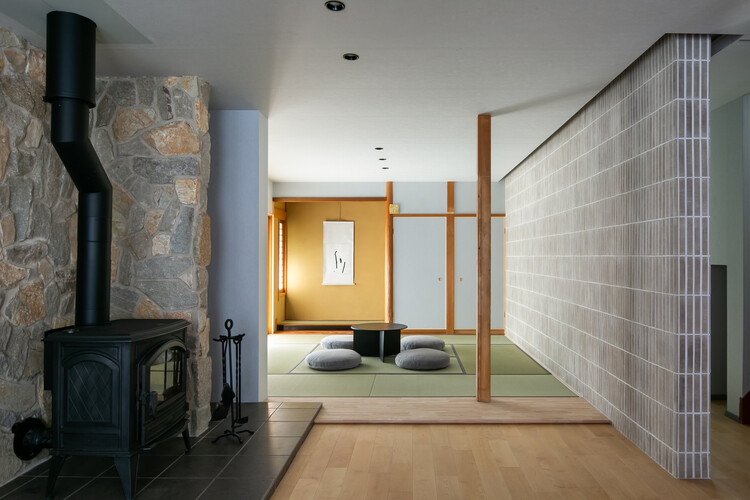
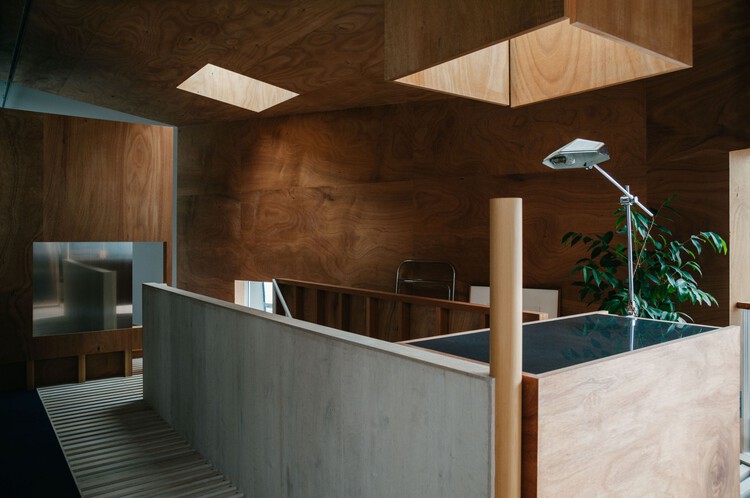
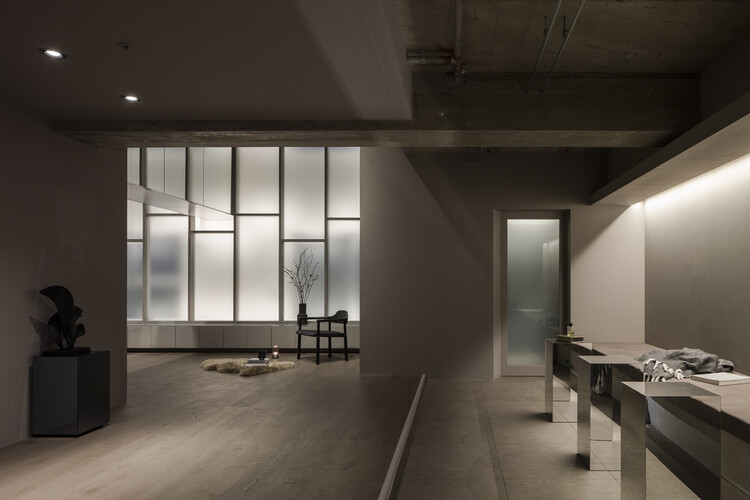
Six-Grid House in Osaka / ATELIER405

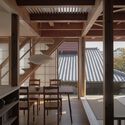
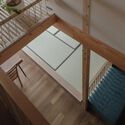
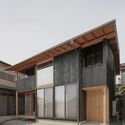
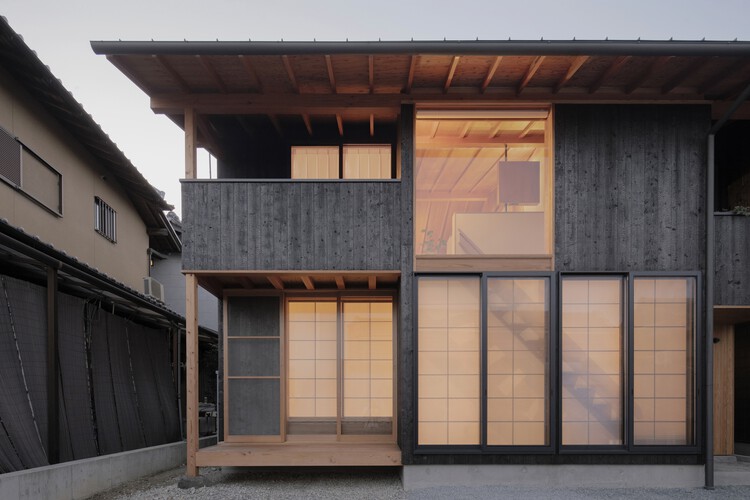
Six-Grid House in Osaka / ATELIER405 - Interior Photography, Refurbishment, Lighting, Table, ChairSix-Grid House in Osaka / ATELIER405 - Interior Photography, RefurbishmentSix-Grid House in Osaka / ATELIER405 - RefurbishmentSix-Grid House in Osaka / ATELIER405 - Interior Photography, Refurbishment, ChairSix-Grid House in Osaka / ATELIER405 - More Images+ 19

  • Architects: ATELIER405
  • Area Area of this architecture project Area:  63
  • Year Completion year of this architecture project Year:  2025
  • Manufacturers Brands with products used in this architecture project
    Manufacturers:  Cleanup Corporation, DAIKO ELECTRIC CO.,LTD., Lixil Corporation, NAGOYA MOSAIC-TILE CO., LTD. , Nankai Plywood Co., Ltd., +3
  • Professionals: Hauss Support Co., Ltd.

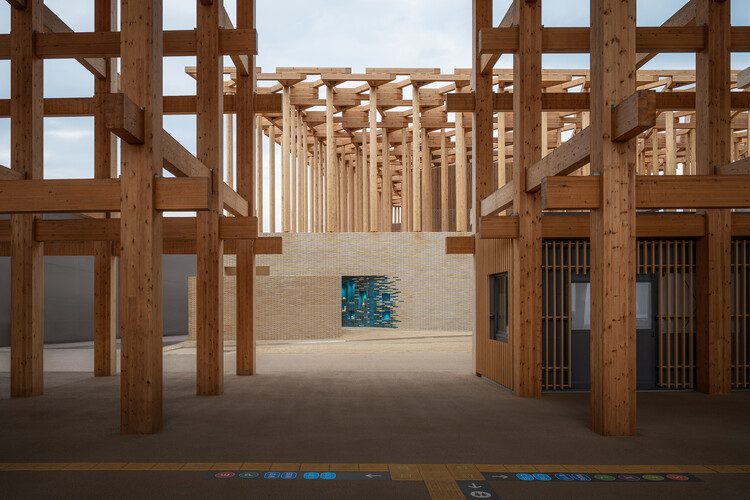
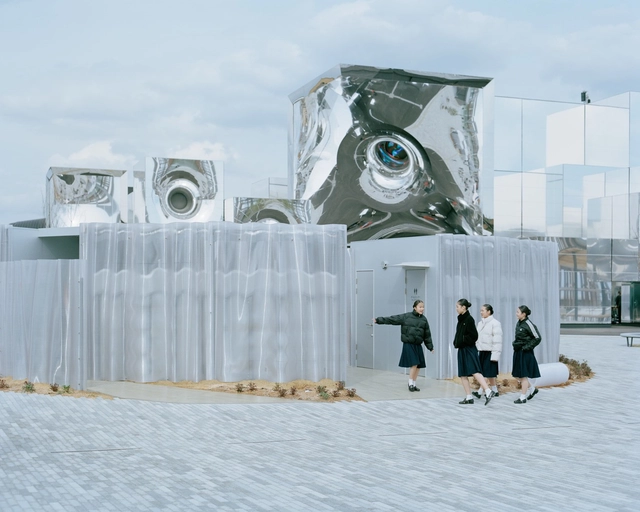
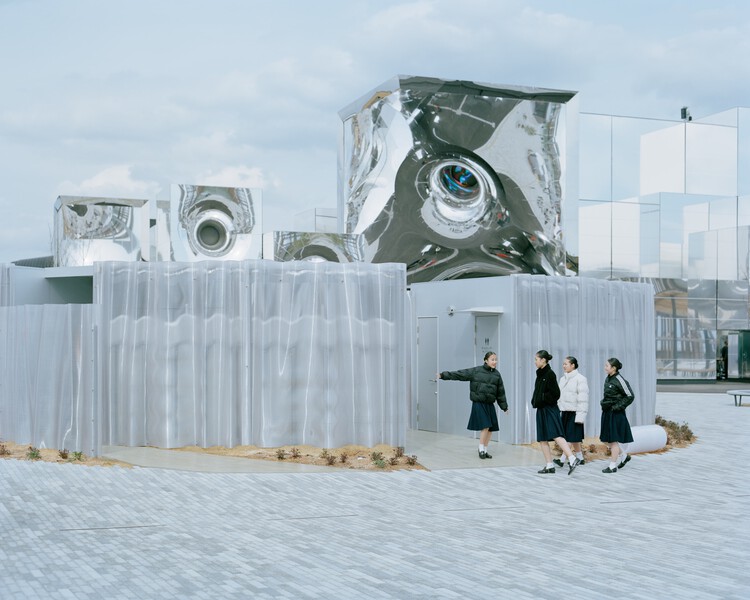
Resting Pavilion in Osaka Expo / MIDW

Resting Pavilion in Osaka Expo / MIDW - Exterior Photography, Temporary InstallationsResting Pavilion in Osaka Expo / MIDW - Temporary InstallationsResting Pavilion in Osaka Expo / MIDW - Temporary InstallationsResting Pavilion in Osaka Expo / MIDW - Temporary InstallationsResting Pavilion in Osaka Expo / MIDW - More Images+ 10

Renovation and Continuity in Japanese Architecture: The Work of 1110 Office for Architecture

In a shifting societal and environmental landscape, how can architectural design respond to transformation while meaningfully engaging with what endures? 1110 Office for Architecture, based in Osaka, Japan, approaches this question through a body of work defined by careful residential renovations and precise spatial interventions.

Named a winner of the ArchDaily 2025 Next Practices Awards, the practice represents an emerging voice in redefining architecture's role within conditions of change.

Renovation and Continuity in Japanese Architecture: The Work of 1110 Office for Architecture - Image 1 of 4Renovation and Continuity in Japanese Architecture: The Work of 1110 Office for Architecture - Image 2 of 4Renovation and Continuity in Japanese Architecture: The Work of 1110 Office for Architecture - Image 3 of 4Renovation and Continuity in Japanese Architecture: The Work of 1110 Office for Architecture - Image 4 of 4Renovation and Continuity in Japanese Architecture: The Work of 1110 Office for Architecture - More Images+ 17

Maki no Yado Miyakojima Riverside / Coil Kazuteru Matumura Architects

Maki no Yado Miyakojima Riverside / Coil Kazuteru Matumura Architects - Interior Photography, Refurbishment, Lighting, ChairMaki no Yado Miyakojima Riverside / Coil Kazuteru Matumura Architects - Interior Photography, Refurbishment, Kitchen, Beam, ChairMaki no Yado Miyakojima Riverside / Coil Kazuteru Matumura Architects - Interior Photography, Refurbishment, Bedroom, LightingMaki no Yado Miyakojima Riverside / Coil Kazuteru Matumura Architects - Interior Photography, Refurbishment, Table, ChairMaki no Yado Miyakojima Riverside / Coil Kazuteru Matumura Architects - More Images+ 15

  • Area Area of this architecture project Area:  160
  • Year Completion year of this architecture project Year:  2025
  • Manufacturers Brands with products used in this architecture project
    Manufacturers:  DAIEI CERAMIC INDUSTRY, Daiko, Fukubi, House System, Jo-zu-works, +10

Jonoya House / Masakazu Tsujibayashi Architects

Jonoya House / Masakazu Tsujibayashi Architects - Exterior Photography, HousesJonoya House / Masakazu Tsujibayashi Architects - Interior Photography, Houses, Table, ChairJonoya House / Masakazu Tsujibayashi Architects - HousesJonoya House / Masakazu Tsujibayashi Architects - HousesJonoya House / Masakazu Tsujibayashi Architects - More Images+ 21

Osaka, Japan

Room 1101 / FORM / Kouichi Kimura Architects

Room 1101 / FORM / Kouichi Kimura Architects - Interior Photography, Apartment Interiors, ChairRoom 1101 / FORM / Kouichi Kimura Architects - Apartment InteriorsRoom 1101 / FORM / Kouichi Kimura Architects - Interior Photography, Apartment Interiors, LightingRoom 1101 / FORM / Kouichi Kimura Architects - Apartment InteriorsRoom 1101 / FORM / Kouichi Kimura Architects - More Images+ 15

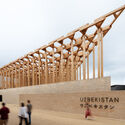
Uzbekistan Pavilion Expo 2025 Osaka / ATELIER BRÜCKNER

Uzbekistan Pavilion Expo 2025 Osaka / ATELIER BRÜCKNER - Exterior Photography, Exhibition Center, BeamUzbekistan Pavilion Expo 2025 Osaka / ATELIER BRÜCKNER - Interior Photography, Exhibition CenterUzbekistan Pavilion Expo 2025 Osaka / ATELIER BRÜCKNER - Exhibition CenterUzbekistan Pavilion Expo 2025 Osaka / ATELIER BRÜCKNER - Exhibition CenterUzbekistan Pavilion Expo 2025 Osaka / ATELIER BRÜCKNER - More Images+ 16

  • Architects: ATELIER BRÜCKNER
  • Area Area of this architecture project Area:  1272
  • Year Completion year of this architecture project Year:  2025
  • Manufacturers Brands with products used in this architecture project
    Manufacturers:  Miyako Yogyo, SHIDO, SHIDO

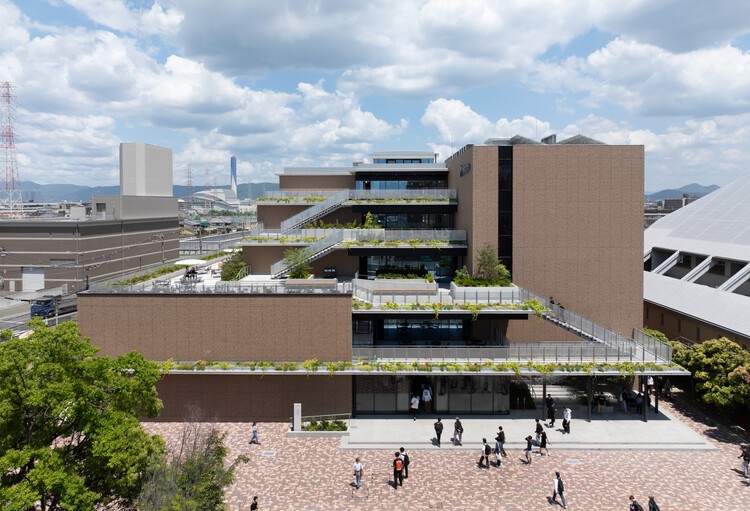
Hannan University Building 4 / Nikken Sekkei

Hannan University Building 4 / Nikken Sekkei - Exterior Photography, UniversityHannan University Building 4 / Nikken Sekkei - Exterior Photography, UniversityHannan University Building 4 / Nikken Sekkei - Interior Photography, University, Stairs, HandrailHannan University Building 4 / Nikken Sekkei - Interior Photography, University, ChairHannan University Building 4 / Nikken Sekkei - More Images+ 17

  • Architects: Nikken Sekkei
  • Area Area of this architecture project Area:  9889
  • Year Completion year of this architecture project Year:  2024
  • Manufacturers Brands with products used in this architecture project
    Manufacturers:  Ceramic Olive Inc., Fujisash Co., Ltd, Kawashima Selkon Textiles Co., Ltd., TOLI corporation

House in Saidera / Akio Isshiki Architects

House in Saidera / Akio Isshiki Architects - Interior Photography, Houses, StairsHouse in Saidera / Akio Isshiki Architects - Interior Photography, Houses, KitchenHouse in Saidera / Akio Isshiki Architects - HousesHouse in Saidera / Akio Isshiki Architects - Exterior Photography, HousesHouse in Saidera / Akio Isshiki Architects - More Images+ 35

Osaka, Japan

Designing the Future, Again: What the 55-Year Return of the World Expo to Osaka Reveals

Subscriber Access | 

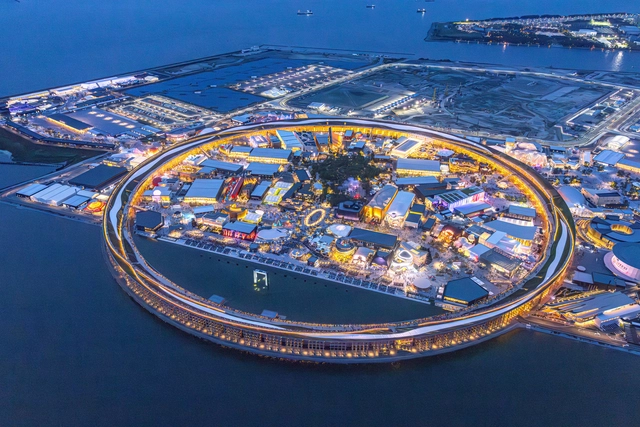
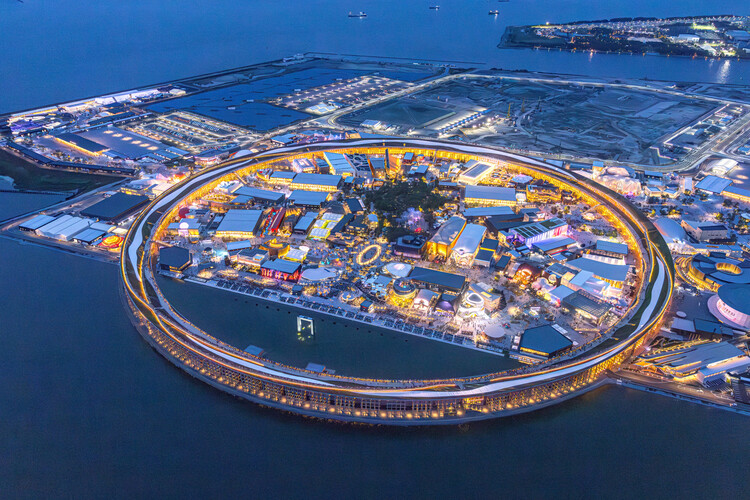
The 2025 Osaka Expo has captured widespread attention—not only for its architectural ambition and spectacle, but also for breaking records and generating controversy. Its most iconic feature, a monumental timber ring designed by Sou Fujimoto, has already made headlines as a Guinness World Record-breaking wooden structure. Built on the reclaimed island of Yumeshima, the site has attracted praise and critique in equal measure. Beyond its awe-inspiring 2-kilometer circumference—parts of which extend dramatically over the water—the structure has also drawn concerns, including questions about health & safety, extreme heat, and swarms of insects that may affect the visitor experience.

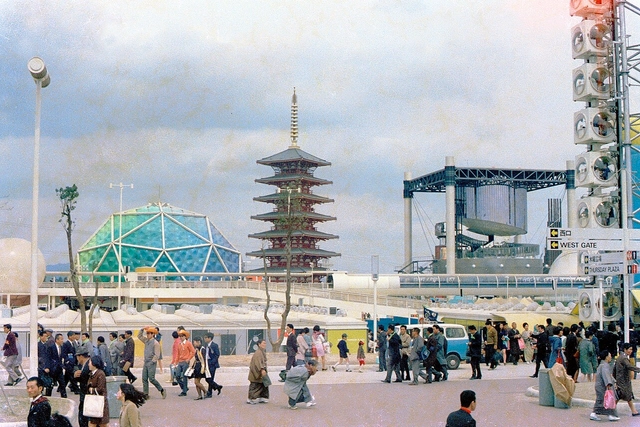
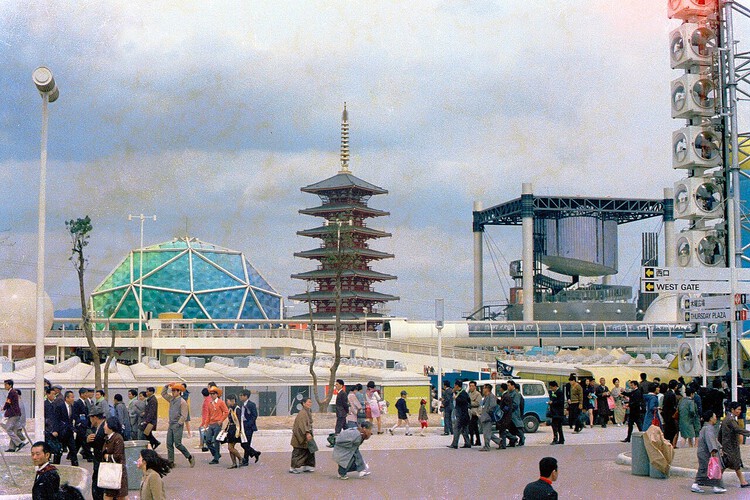
This year also marks a significant anniversary: the 55th year since the 1970 Osaka Expo, held under drastically different socio-economic conditions. Comparing these two expos—both hosted in the same city—offers a rare opportunity to reflect on how the rhetoric, curatorial themes, and architectural ambitions of world expos have evolved over time. From "Progress and Harmony for Mankind" in 1970 to "Designing Future Society for Our Lives" in 2025, the shift in thematic focus reveals changing global priorities. Meanwhile, the scale and nature of architectural involvement have also transformed, from the futuristic visions of Japanese Metabolism to a more internationally dispersed group of designers concerned with sustainability, technology, and civic engagement.

Designing the Future, Again: What the 55-Year Return of the World Expo to Osaka Reveals - Image 1 of 4Designing the Future, Again: What the 55-Year Return of the World Expo to Osaka Reveals - Image 2 of 4Designing the Future, Again: What the 55-Year Return of the World Expo to Osaka Reveals - Image 3 of 4Designing the Future, Again: What the 55-Year Return of the World Expo to Osaka Reveals - Image 4 of 4Designing the Future, Again: What the 55-Year Return of the World Expo to Osaka Reveals - More Images+ 21

Tracing Five Decades of Thought and Form: “Tadao Ando. Sketches, Drawings, and Architecture”

Taschen's new book, published in October 2025, Tadao Ando. Sketches, Drawings, and Architecture presents an in-depth exploration of the Japanese architect Tadao Ando's creative process, bringing together over 750 sketches, drawings, models, and technical plans developed over nearly five decades. Created in close collaboration with Ando himself, the book provides a rare view into how his ideas take shape, from the immediacy of the first pencil lines to the precision of architectural drawings that define his built works. Through these materials, the publication highlights Ando's enduring focus on the relationship between hand, thought, and space.

Tracing Five Decades of Thought and Form: “Tadao Ando. Sketches, Drawings, and Architecture” - Image 1 of 4Tracing Five Decades of Thought and Form: “Tadao Ando. Sketches, Drawings, and Architecture” - Image 2 of 4Tracing Five Decades of Thought and Form: “Tadao Ando. Sketches, Drawings, and Architecture” - Image 3 of 4Tracing Five Decades of Thought and Form: “Tadao Ando. Sketches, Drawings, and Architecture” - Image 4 of 4Tracing Five Decades of Thought and Form: “Tadao Ando. Sketches, Drawings, and Architecture” - More Images+ 7

A Look at the 45 Award-Winning Pavilions of Expo 2025 Osaka

About a month after the closing of Expo 2025 Osaka, the designs and constructions presented at the world's fair remain as a legacy. While the Bahrain Pavilion, designed by Lina Ghotmeh Architecture, drew particular attention this year for receiving double recognition, it was one among many awarded projects. During the awards ceremony held on the penultimate night of the event, a total of 45 awards were presented among 165 participating countries. The Official Participant Awards are granted according to pavilion size and type, recognizing excellence in Architecture and Landscape (for self-built pavilions only), External Design (for module pavilions only), Exhibition Design, Theme Development, and Sustainability. The recipients were selected by an international jury of nine experts who visited all national and thematic pavilions during two evaluation sessions in May and October 2025. The following overview presents all 45 pavilions distinguished in the five categories of the Official Participant Awards.

A Look at the 45 Award-Winning Pavilions of Expo 2025 Osaka - Image 1 of 4A Look at the 45 Award-Winning Pavilions of Expo 2025 Osaka - Image 2 of 4A Look at the 45 Award-Winning Pavilions of Expo 2025 Osaka - Image 3 of 4A Look at the 45 Award-Winning Pavilions of Expo 2025 Osaka - Image 4 of 4A Look at the 45 Award-Winning Pavilions of Expo 2025 Osaka - More Images+ 15

Garage House in Toyonaka / FujiwaraMuro Architects

Garage House in Toyonaka  / FujiwaraMuro Architects - HousesGarage House in Toyonaka  / FujiwaraMuro Architects - Interior Photography, Houses, StairsGarage House in Toyonaka  / FujiwaraMuro Architects - Interior Photography, HousesGarage House in Toyonaka  / FujiwaraMuro Architects - Interior Photography, HousesGarage House in Toyonaka  / FujiwaraMuro Architects - More Images+ 16

Osaka, Japan

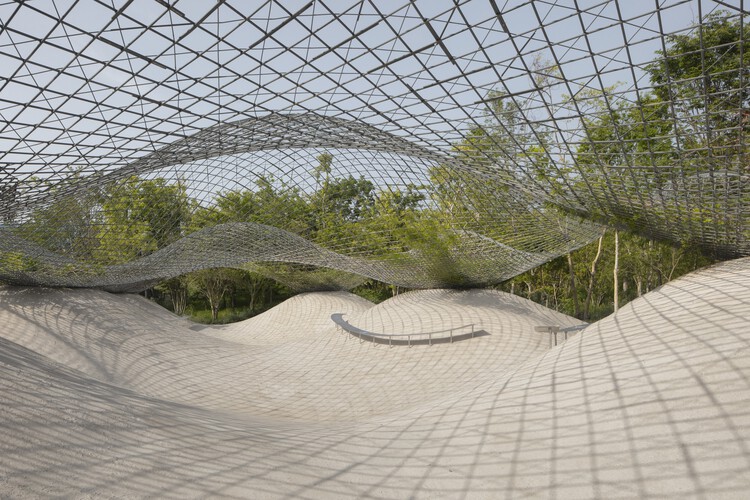
Mirage in Yumeshima / PONDEDGE + f a r m

Mirage in Yumeshima / PONDEDGE + f a r m - Exterior Photography, Public ArchitectureMirage in Yumeshima / PONDEDGE + f a r m - Public ArchitectureMirage in Yumeshima / PONDEDGE + f a r m - Public ArchitectureMirage in Yumeshima / PONDEDGE + f a r m - Public ArchitectureMirage in Yumeshima / PONDEDGE + f a r m - More Images+ 23

  • Architects: PONDEDGE, f a r m
  • Area Area of this architecture project Area:  101
  • Year Completion year of this architecture project Year:  2025

Expo Osaka 2025 Concludes After Six Months of Discussions on Saving, Empowering, and Connecting Lives

Monday, October 13th, marked the conclusion of Expo Osaka 2025. The exhibition gathered representatives from 165 countries and international organizations and welcomed around 28 million visitors to Yumeshima, a reclaimed site in Osaka Bay. The site was reimagined through a masterplan and bounded by a Guinness World Record-breaking wooden circular structure, both designed by Sou Fujimoto Architects. Over 184 days, participants were able to visit the self-built, modular, and shared pavilions, national exhibitions, and public activities organized under the overarching theme "Designing Future Society for Our Lives." During its six-month run, the Expo set out to explore three pivotal subthemes, Saving Lives, Empowering Lives, and Connecting Lives, as an invitation to bring together new perspectives for our built and social ecosystem.

Expo Osaka 2025 Concludes After Six Months of Discussions on Saving, Empowering, and Connecting Lives - Image 1 of 4Expo Osaka 2025 Concludes After Six Months of Discussions on Saving, Empowering, and Connecting Lives - Image 2 of 4Expo Osaka 2025 Concludes After Six Months of Discussions on Saving, Empowering, and Connecting Lives - Image 3 of 4Expo Osaka 2025 Concludes After Six Months of Discussions on Saving, Empowering, and Connecting Lives - Image 4 of 4Expo Osaka 2025 Concludes After Six Months of Discussions on Saving, Empowering, and Connecting Lives - More Images+ 5

Architectural Rebuilding as Cultural Memory: The Paradox of Ever-Fresh Heritage

Architecture—one of the few cultural artifacts made to be publicly lived with, preserved, and often capable of standing for centuries—contributes significantly to the cultural identity of places and people. Historically, buildings have expressed institutional attitudes, influence, and power; they are clear demonstrations of culture. Yet longevity complicates preservation: when a structure is rebuilt, repaired, or entirely reassembled, in what sense is it still the same building?

There's the classic Ship of Theseus puzzle from Plutarch. if a ship's planks are replaced one by one over time, is it still the same ship? Thomas Hobbes adds a twist—if the original planks are reassembled elsewhere, which ship is "the original"? The paradox tests what grounds identity: material fabric, continuous use and history, or shared recognition. In architecture and conservation, it reframes preservation as a choice among keeping matter, maintaining form and function, or sustaining the stories and practices that give a place meaning.

Architectural Rebuilding as Cultural Memory: The Paradox of Ever-Fresh Heritage - Image 1 of 4Architectural Rebuilding as Cultural Memory: The Paradox of Ever-Fresh Heritage - Image 2 of 4Architectural Rebuilding as Cultural Memory: The Paradox of Ever-Fresh Heritage - Image 3 of 4Architectural Rebuilding as Cultural Memory: The Paradox of Ever-Fresh Heritage - Image 4 of 4Architectural Rebuilding as Cultural Memory: The Paradox of Ever-Fresh Heritage - More Images+ 17

Osaka Expo 2025 Foresting Architecture Pavilion / Takenaka Corporation

Osaka Expo 2025 Foresting Architecture Pavilion  / Takenaka Corporation - Interior Photography, SustainabilityOsaka Expo 2025 Foresting Architecture Pavilion  / Takenaka Corporation - SustainabilityOsaka Expo 2025 Foresting Architecture Pavilion  / Takenaka Corporation - SustainabilityOsaka Expo 2025 Foresting Architecture Pavilion  / Takenaka Corporation - Exterior Photography, Sustainability, ForestOsaka Expo 2025 Foresting Architecture Pavilion  / Takenaka Corporation - More Images+ 21

  • Area Area of this architecture project Area:  31
  • Year Completion year of this architecture project Year:  2025

12 Pavilions at EXPO 2025 Osaka Highlight Immersive Spatial Experiences

 | Sponsored Content

Since its inauguration this spring, Expo 2025 Osaka has captured global attention from multiple perspectives, demonstrating how architecture can function as a laboratory for exploring solutions to pressing challenges. After 55 years, Osaka is once again hosting the World Expo, with each installation organized around the sub-themes Saving Lives, Empowering Lives, and Connecting Lives. These pavilions take forms that express the identity and values of their region through distinctive architectural languages, forming the central axis of their design. Building on this foundation, some installations serve as laboratories for the future society, utilizing technology to enhance experiences both inside and outside the spaces, transforming the visit through light, sound, visuals, and movement as part of the technological innovation showcased at the event.


12 Pavilions at EXPO 2025 Osaka Highlight Immersive Spatial Experiences - Image 1 of 412 Pavilions at EXPO 2025 Osaka Highlight Immersive Spatial Experiences - Image 2 of 412 Pavilions at EXPO 2025 Osaka Highlight Immersive Spatial Experiences - Image 3 of 412 Pavilions at EXPO 2025 Osaka Highlight Immersive Spatial Experiences - Image 4 of 412 Pavilions at EXPO 2025 Osaka Highlight Immersive Spatial Experiences - More Images+ 27