1. ArchDaily
  2. Cabin Architecture

Cabin Architecture: The Latest Architecture and News

The Evolving Practice of Designing Light in Scandinavian Environments

Subscriber Access | 

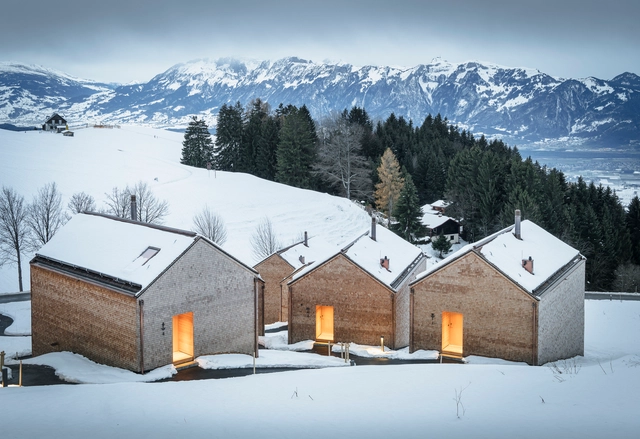
Scandinavia is shaped by environmental conditions that test both human endurance and architectural ingenuity, with long winters defined by limited daylight, low sun angles, deep snowfall, and cold winds that transform everyday movement, gathering, and habitation into deliberate acts. In this context, architecture is never neutral, and hospitality is never incidental. Buildings that welcome visitors across cities, forests, and coastlines must respond directly to darkness and cold, not by denying them, but by creating interior worlds that offer orientation, warmth, and psychological relief. The act of welcoming in Scandinavia is therefore inseparable from the climate, grounded in the understanding that shelter, light, and human presence are fundamental resources in Arctic environments.
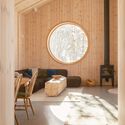
The Evolving Practice of Designing Light in Scandinavian Environments - Image 1 of 4The Evolving Practice of Designing Light in Scandinavian Environments - Image 2 of 4The Evolving Practice of Designing Light in Scandinavian Environments - Image 3 of 4The Evolving Practice of Designing Light in Scandinavian Environments - Image 4 of 4The Evolving Practice of Designing Light in Scandinavian Environments - More Images+ 18

Guesthouses and Lessons in Generosity: Spaces of Hospitality in Rural America

Spaces of hospitality are a mirror to how different cultures articulate generosity, care, belonging, and identity. In busy city settings, this is reflected in hotels, service systems, and curated amenities that directly shape the visitor experience. These spaces translate care into measurable forms, where success is correlated with efficiency, luxury, and brand identity.

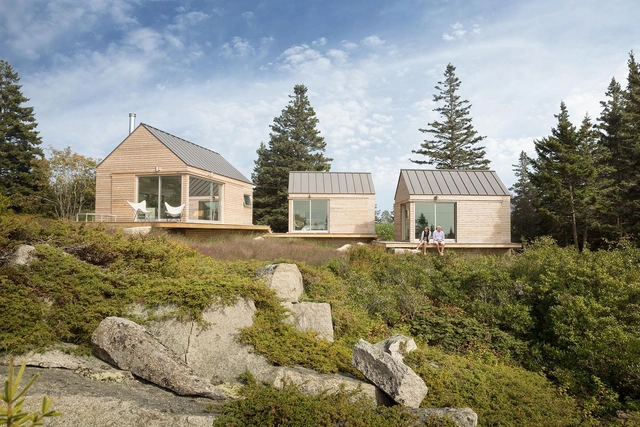
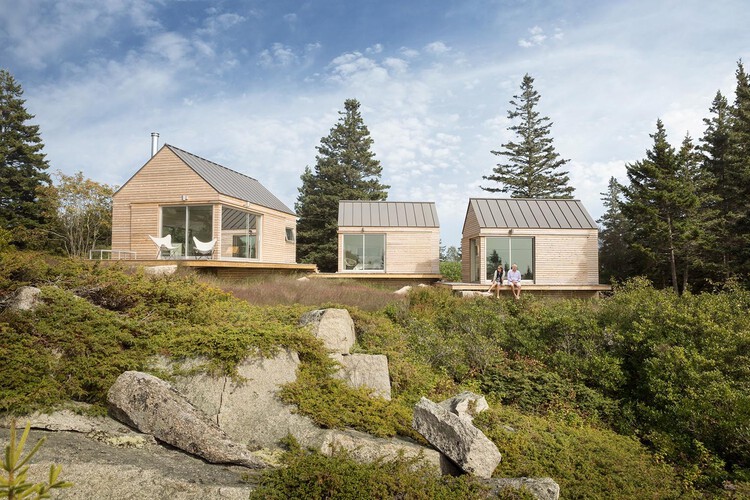
In rural America, hospitality operates with a different logic. In these environments, care is grounded in labor and community, while directly responding to the specific ecological and cultural geographies. Distance, limited infrastructure, and close social networks demand forms of architecture that are flexible and self-sufficient. Designs respond to shifting weather, local materials, and a culture where support often begins with neighbors. In this landscape, architectural thresholds of hospitality emerge in responsive, yet unexpected, ways.

Guesthouses and Lessons in Generosity: Spaces of Hospitality in Rural America - Image 1 of 4Guesthouses and Lessons in Generosity: Spaces of Hospitality in Rural America - Image 3 of 4Guesthouses and Lessons in Generosity: Spaces of Hospitality in Rural America - Image 2 of 4Guesthouses and Lessons in Generosity: Spaces of Hospitality in Rural America - Image 4 of 4Guesthouses and Lessons in Generosity: Spaces of Hospitality in Rural America - More Images+ 39

Creating Winter Retreats: Snow Resorts and Vacation Home Typologies

Subscriber Access | 

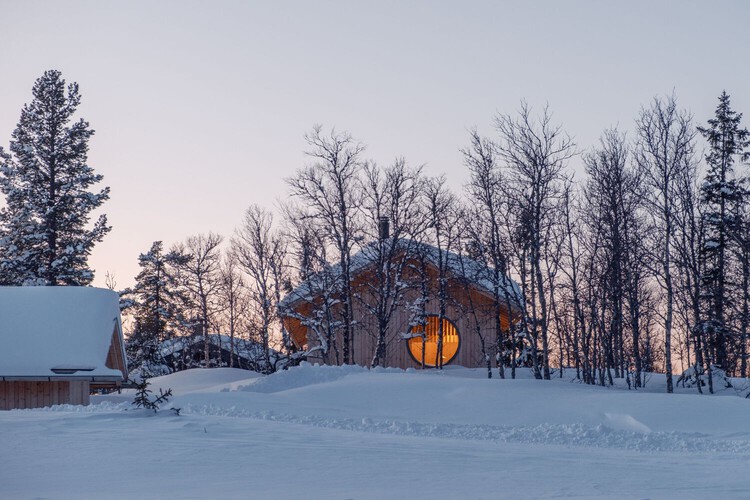
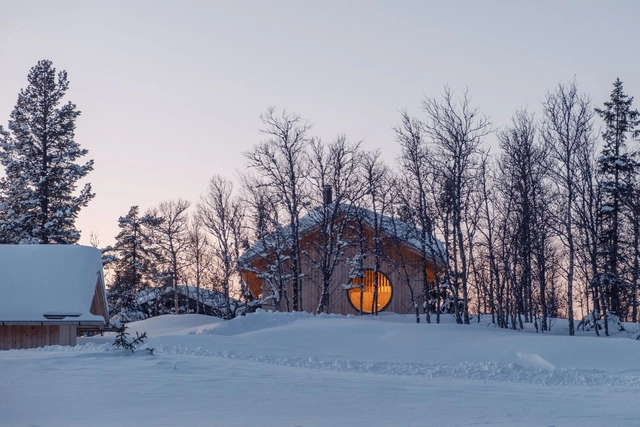
As we move past Thanksgiving and step into December, the festive season is fast approaching. This time of year brings celebrations, holidays, and travel plans into full swing. Particularly in the Northern Hemisphere, there is a strong association between end-of-year festivities and cold, snowy weather.

Among the many traditions that celebrate the season, one of the most logistically and architecturally challenging is arranging for the giant Christmas tree for Rockefeller Center in New York City. This spectacle of moving a 70+ foot, 10+ ton tree into one of the busiest city centers in the world continues to capture the holiday spirit annually.

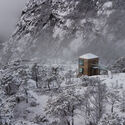
Creating Winter Retreats: Snow Resorts and Vacation Home Typologies - Image 1 of 4Creating Winter Retreats: Snow Resorts and Vacation Home Typologies - Image 2 of 4Creating Winter Retreats: Snow Resorts and Vacation Home Typologies - Image 3 of 4Creating Winter Retreats: Snow Resorts and Vacation Home Typologies - Image 4 of 4Creating Winter Retreats: Snow Resorts and Vacation Home Typologies - More Images+ 26

Canada’s Wilderness Retreats: Exploring The Nation's Tradition of Nature-Bound Cabins

Subscriber Access | 

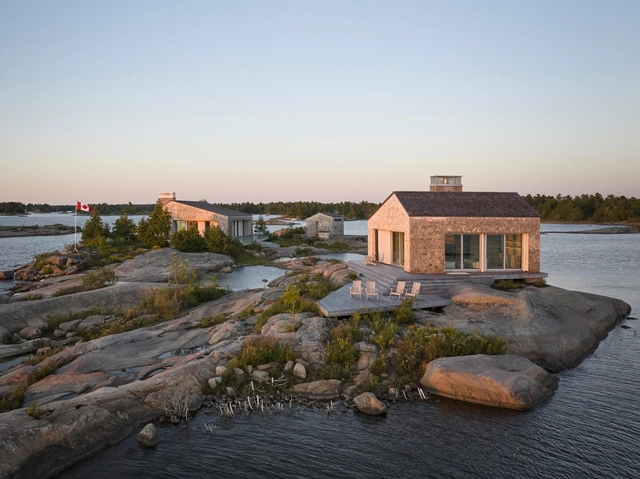
In Canada, the tradition of owning a secondary home in the countryside is a deeply rooted aspect of the national culture. In Ontario and parts of the Maritimes, these nature-surrounded secondary homes are often called "cottages". In British Columbia, Alberta, and Saskatchewan, the term "cabin" is more common, while in Quebec, they are known as "chalets." Regardless of what they are called, these rural retreats offer Canadians an escape from urban life, a place to gather with friends and family, reconnect with nature and enjoy outdoor activities throughout the year.

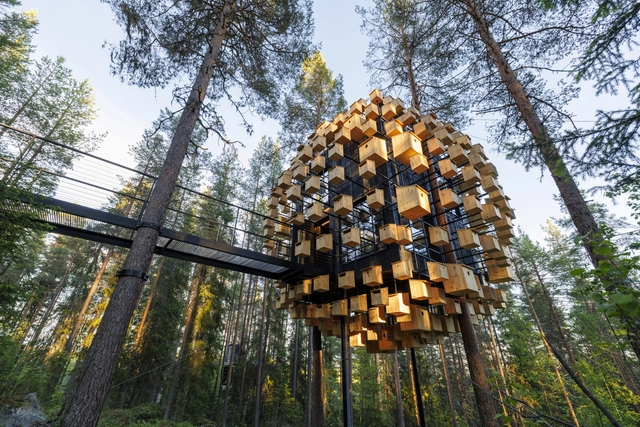
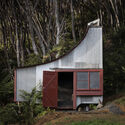
Canada’s Wilderness Retreats: Exploring The Nation's Tradition of Nature-Bound Cabins - Image 1 of 4Canada’s Wilderness Retreats: Exploring The Nation's Tradition of Nature-Bound Cabins - Image 2 of 4Canada’s Wilderness Retreats: Exploring The Nation's Tradition of Nature-Bound Cabins - Image 3 of 4Canada’s Wilderness Retreats: Exploring The Nation's Tradition of Nature-Bound Cabins - Featured ImageCanada’s Wilderness Retreats: Exploring The Nation's Tradition of Nature-Bound Cabins - More Images+ 23

Discovering Remote Retreats: 20 Projects Showcasing the Appeal of Nature-Set Accommodations

Subscriber Access | 

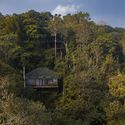
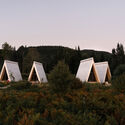
Today's population lives in large, vibrant, and sometimes chaotic cities. That’s why the most popular options involve escaping to natural settings such as remote forests, tropical jungles, or pristine beaches when choosing places to take a break from daily responsibilities and routines. For those seeking to disconnect completely from city life while staying closely connected to nature, small-scale hotels, cabins, and lodges are excellent options. Whether it’s a private vacation home or a cabin hotel, these accommodations are designed to make their natural surroundings their most important asset, allowing the buildings to blend seamlessly into the landscape.

Discovering Remote Retreats: 20 Projects Showcasing the Appeal of Nature-Set Accommodations - Image 12 of 4Discovering Remote Retreats: 20 Projects Showcasing the Appeal of Nature-Set Accommodations - Image 5 of 4Discovering Remote Retreats: 20 Projects Showcasing the Appeal of Nature-Set Accommodations - Image 2 of 4Discovering Remote Retreats: 20 Projects Showcasing the Appeal of Nature-Set Accommodations - Image 16 of 4Discovering Remote Retreats: 20 Projects Showcasing the Appeal of Nature-Set Accommodations - More Images+ 16

Cabin on the Border: What the Architects Learned from Living in a Tiny House

Subscriber Access | 

Architects Sevince Bayrak and Oral Göktaş from SO? Architecture&Ideas were attracted to the idea of having the opportunity to escape the urban bustle of Istanbul into a natural setting, and in 2017, they designed and built the Cabin on the Border. Since its completion, the project has undergone several changes, and the dwelling experience prompted the architects to re-evaluate their initial ideas and assumptions and change how they see the tiny house typology. Five years after the project's design, the architects share what they've learned from living in a tiny house, providing valuable insight for the design of such projects.

Cabin on the Border: What the Architects Learned from Living in a Tiny House - Image 1 of 4Cabin on the Border: What the Architects Learned from Living in a Tiny House - Image 2 of 4Cabin on the Border: What the Architects Learned from Living in a Tiny House - Image 3 of 4Cabin on the Border: What the Architects Learned from Living in a Tiny House - Image 4 of 4Cabin on the Border: What the Architects Learned from Living in a Tiny House - More Images+ 8

This Moss-Covered, Octagonal Micro-Cabin Combines Luxury and Rustic Aesthetic

This Moss-Covered, Octagonal Micro-Cabin Combines Luxury and Rustic Aesthetic - Image 1 of 4
© Madeline Lu

Jacob Witzling may lack formal architectural training, but his passion for nature and cabin architecture has provided him with all the tools needed to both design and construct idyllic living spaces. Witzling’s cabins can be found throughout the United States; these structures are often sequestered to the woods, providing a remote escape from urban centers and suburban sprawl.

Witzling’s interest in cabins began at the age of 16. His father, an architect and engineer, provided him with a preliminary exposure to the world of designing and building. “I needed to exist in the woods, and even though I had never built anything other than a blanket fort, I knew that my passion to create would be sufficient,” says Witzling. “I remember pouring over the pages of my dad’s favorite book, 'Handmade Houses: A Guide to the Woodbutcher’s Art.' I would gaze at the pictures from inside my blanket fort and daydream about building one of my own.”

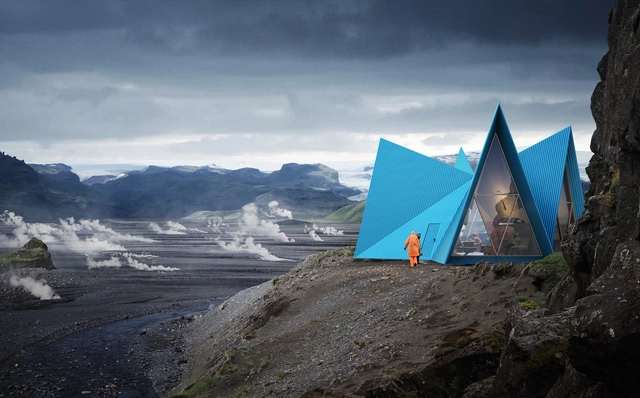
Striking Easily Assembled Cabins Will become Symbols for Shelter and Safety Along Remote Trekking Paths

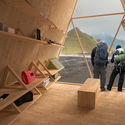
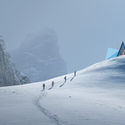
Stockholm-based architecture firm Utopia Arkitekter has designed Skýli, they are bright blue cabins that are popping up in one of the world's most beautiful landscape. The idea came from a desire to develop a structure which could be easily placed along some of the most famous trekking trails in Iceland. Not only are the lodges striking and beautiful in itself, they can be easily constructed and are built to withstand the harshest weather conditions.

Striking Easily Assembled Cabins Will become Symbols for Shelter and Safety Along Remote Trekking Paths  - SustainabilityStriking Easily Assembled Cabins Will become Symbols for Shelter and Safety Along Remote Trekking Paths  - SustainabilityStriking Easily Assembled Cabins Will become Symbols for Shelter and Safety Along Remote Trekking Paths  - SustainabilityStriking Easily Assembled Cabins Will become Symbols for Shelter and Safety Along Remote Trekking Paths  - SustainabilityStriking Easily Assembled Cabins Will become Symbols for Shelter and Safety Along Remote Trekking Paths  - More Images+ 5