1. ArchDaily
  2. Carbonized Wood

Carbonized Wood: The Latest Architecture and News

From Tradition to Innovation: How Modern Technologies are Transforming the Potential of Wood

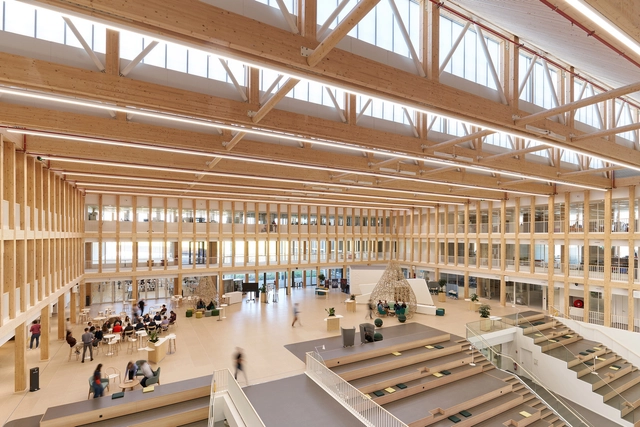
Wood, one of the oldest building materials, has been continuously reinvented throughout history. As contemporary architecture becomes more and more concerned with sustainability and environmental responsibility, the popularity of the material has also increased. As trees absorb carbon dioxide during their growth, their wood stores that carbon, keeping it out of the atmosphere. The materials derived from wood are thus associated with less greenhouse gas emissions on the condition of trees being harvested from sustainably managed forests. But in order to capture the full potential of this material, a plethora of techniques and modifications have evolved with the purpose of adapting and customizing wood's characteristics to the demands of modern design and construction. From thermal modification to engineered wood or versatile particle boards, these methods not only enhance wood's suitability for the rigors of contemporary architecture but also expand the usability of this sustainable material to an unprecedented scale.

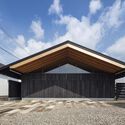
From Tradition to Innovation: How Modern Technologies are Transforming the Potential of Wood - Image 1 of 4From Tradition to Innovation: How Modern Technologies are Transforming the Potential of Wood - Image 2 of 4From Tradition to Innovation: How Modern Technologies are Transforming the Potential of Wood - Image 3 of 4From Tradition to Innovation: How Modern Technologies are Transforming the Potential of Wood - Image 4 of 4From Tradition to Innovation: How Modern Technologies are Transforming the Potential of Wood - More Images+ 5

The Symbolism of Yakisugi: Explore the Beauty and Durability of this Wood in Contemporary Architecture

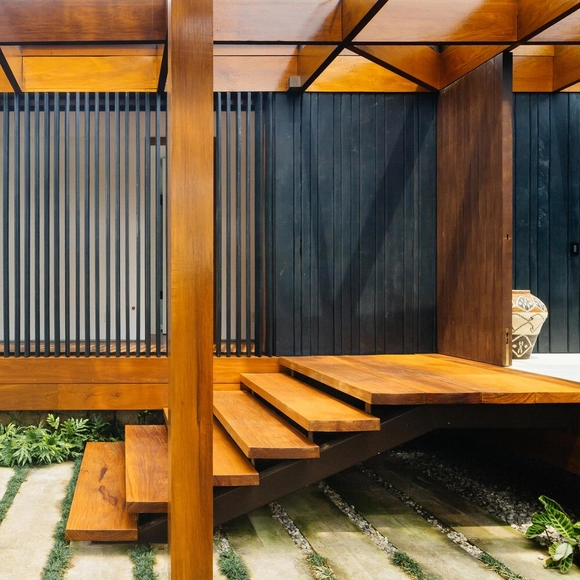
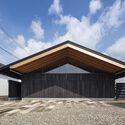
Wood in contemporary construction is often associated with coziness, simplicity, and a certain sense of nobility. Despite requiring more frequent maintenance compared to materials like concrete, wood is increasingly considered a viable option within the concept of regenerative design, owing to its place in the natural organic cycle of our planet. While wood has been a staple in architectural design, carbonized wood, known as yakisugi, is gaining significant attention as a finishing choice.

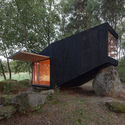
The Symbolism of Yakisugi: Explore the Beauty and Durability of this Wood in Contemporary Architecture - Image 1 of 4The Symbolism of Yakisugi: Explore the Beauty and Durability of this Wood in Contemporary Architecture - Image 2 of 4The Symbolism of Yakisugi: Explore the Beauty and Durability of this Wood in Contemporary Architecture - Image 3 of 4The Symbolism of Yakisugi: Explore the Beauty and Durability of this Wood in Contemporary Architecture - Image 4 of 4The Symbolism of Yakisugi: Explore the Beauty and Durability of this Wood in Contemporary Architecture - More Images+ 2

Carbonized Wood: A Traditional Japanese Technique That Has Conquered the World

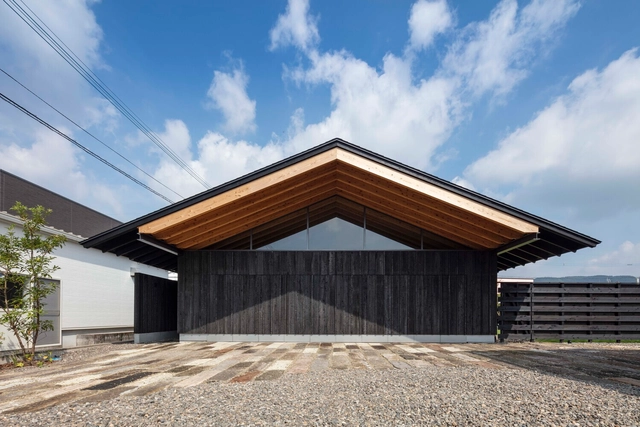
Ancestral, vernacular, minimalist and harmonious. For many, these words have come to define the architecture of Japan, a country that has long served as a source of cultural and technological inspiration for countless societies worldwide. Popular Japanese techniques have reached even the most remote corners of the globe, gaining traction across various fields that range from technical craftsmanship to digital innovation. Within the realm of architecture, the appropriation and reinvention of various materials and construction systems –such as the use of carbonized wood in facades– has been an enduring theme.

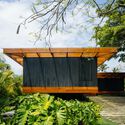
Carbonized Wood: A Traditional Japanese Technique That Has Conquered the World - Featured ImageCarbonized Wood: A Traditional Japanese Technique That Has Conquered the World - Image 1 of 4Carbonized Wood: A Traditional Japanese Technique That Has Conquered the World - Image 2 of 4Carbonized Wood: A Traditional Japanese Technique That Has Conquered the World - Image 3 of 4Carbonized Wood: A Traditional Japanese Technique That Has Conquered the World - More Images+ 10

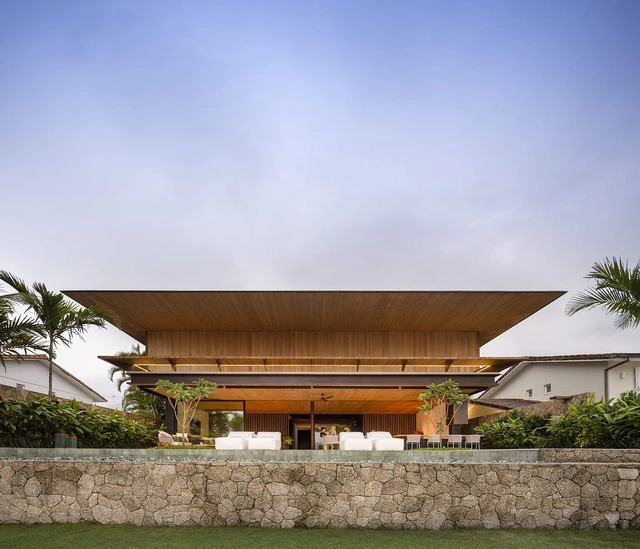
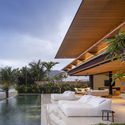
NB Residence / Jacobsen Arquitetura

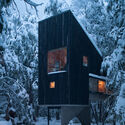
NB Residence / Jacobsen Arquitetura - Exterior Photography, House InteriorsNB Residence / Jacobsen Arquitetura - Exterior Photography, House Interiors, FenceNB Residence / Jacobsen Arquitetura - Interior Photography, House Interiors, KitchenNB Residence / Jacobsen Arquitetura - Interior Photography, House Interiors, BeamNB Residence / Jacobsen Arquitetura - More Images+ 24

  • Area Area of this architecture project Area:  760
  • Year Completion year of this architecture project Year:  2019

Trigo Studio / Renato Mendonça Arquitetura

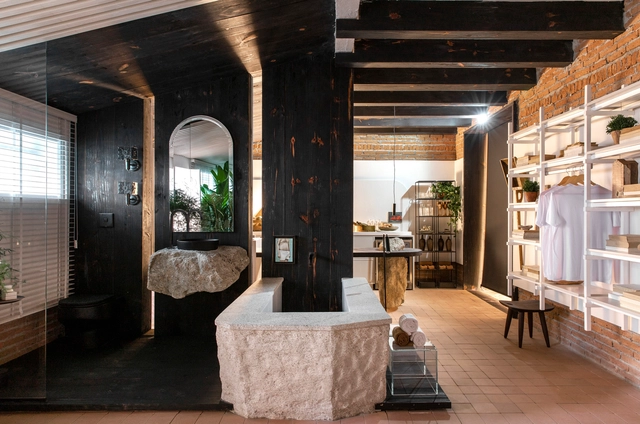
Trigo Studio / Renato Mendonça Arquitetura - Interior Photography, Interior Design, BedTrigo Studio / Renato Mendonça Arquitetura - Interior Photography, Interior Design, KitchenTrigo Studio / Renato Mendonça Arquitetura - Interior Photography, Interior Design, Bedroom, BedTrigo Studio / Renato Mendonça Arquitetura - Interior Photography, Interior Design, BathroomTrigo Studio / Renato Mendonça Arquitetura - More Images+ 24

  • Area Area of this architecture project Area:  430 ft²
  • Year Completion year of this architecture project Year:  2019
  • Manufacturers Brands with products used in this architecture project
    Manufacturers:  AutoDesk, Chaos Group, Cosentino, A Morada, Adobe Systems Incorporated, +21