
1. ArchDaily
  2. CBTUH

CBTUH: The Latest Architecture and News

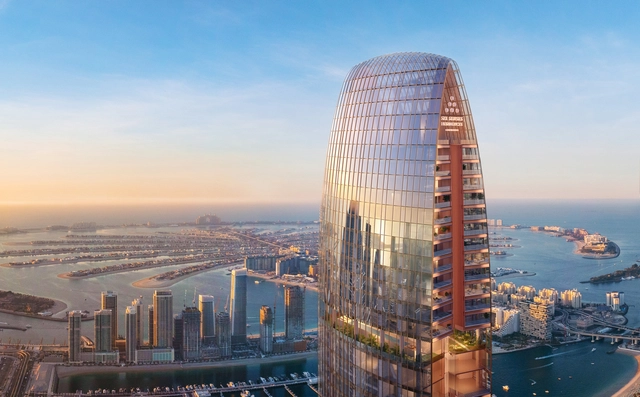
The World's 25 Tallest Buildings Currently Under Construction

As the global population continues to rise, dense cities face mounting challenges in catering to the needs of billions of people living and working in urban areas. Architects have long explored the skyscraper typology as a solution to these challenges, integrating commercial spaces and public amenities within residential buildings to create all-inclusive experiences for tenants. Over the years, skyscrapers have evolved into multifaceted vertical communities that aim to address the complexities of urban living.

Every year, the Council on Tall Buildings and Urban Habitat (CTBUH) ranks the tallest buildings worldwide, encompassing completed projects, those under construction, and proposed developments. In this updated 2024 article, ArchDaily presents a list of the 25 tallest buildings currently under construction, along with their expected completion dates. These skyscrapers showcase the latest innovations in architecture, engineering, and urban planning.

The World's 25 Tallest Buildings Currently Under Construction - Image 1 of 4The World's 25 Tallest Buildings Currently Under Construction - Image 2 of 4The World's 25 Tallest Buildings Currently Under Construction - Image 3 of 4The World's 25 Tallest Buildings Currently Under Construction - Image 4 of 4The World's 25 Tallest Buildings Currently Under Construction - More Images+ 28

The Evolution of Elevators: Accommodating the Supertall

Subscriber Access | 
The Evolution of Elevators: Accommodating the Supertall - Featured Image
Ping An Finance Center © KPF

Elevators have been around for quite a long time; maybe not those that soar to hundreds of feet in a matter of seconds, but the primitive ancestors of this technology, often man-powered, were developed as early as the 3rd century BC. These early wheel and belt operated platforms provided the lift that would eventually evolve into the “ascending rooms” that allow supertall skyscrapers (above 300 meters) to dominate skylines in cities across the world. Elevators can be given credit for a lot of progress in architecture and urban planning. Their invention and development allowed for the building and inhabiting of the structures we see today.

Supertall skyscrapers are becoming more common as cities and architects race to the top of the skyline, inching their way further up into the atmosphere. These buildings are structural challenges as engineers must develop building technologies that can withstand the forces of high altitudes and tall structures. But what of the practical matter of moving through these buildings? What does it mean for vertical conveyance? How must elevators evolve to accommodate the practical use of these supertall structures?