1. ArchDaily
  2. cognitive design

cognitive design: The Latest Architecture and News

Movement as a Design Principle for Workplace Seating

 | Sponsored Content

For decades, professionals have accepted an uncomfortable reality: hours spent at a desk often result in stiff backs, constant shifting, and creeping mental fatigue. While conventional ergonomic seating has sought to improve comfort through adjustable mechanisms, it has largely continued to assume that effective sitting depends on maintaining a stable posture. Growing understanding of the relationship between movement, physical well-being, and cognitive performance suggests a different approach, one in which motion becomes an integral part of the seating experience rather than something to be minimized.
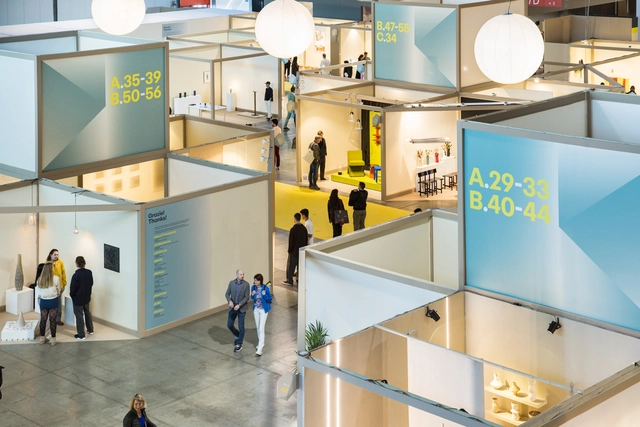
The Science of Design: How Neuroscience can Help Architects Shape the Built Environment

In recent years, the integration of neuroscience and architecture has revolutionized our understanding of how built environments influence human well-being, behavior, and cognition. This interdisciplinary field, known as neuroarchitecture, explores the connections between spatial design, brain function, and psychology, offering insights into creating environments that promote health, creativity, and emotional resilience.

The Science of Design: How Neuroscience can Help Architects Shape the Built Environment  - Image 1 of 4The Science of Design: How Neuroscience can Help Architects Shape the Built Environment  - Image 2 of 4The Science of Design: How Neuroscience can Help Architects Shape the Built Environment  - Image 3 of 4The Science of Design: How Neuroscience can Help Architects Shape the Built Environment  - Image 4 of 4The Science of Design: How Neuroscience can Help Architects Shape the Built Environment  - More Images+ 9