1. ArchDaily
  2. Coletivo Levante

Coletivo Levante: The Latest Architecture and News

Democratizing Access to Culture: The Past, Present, and Future of Cultural Centers

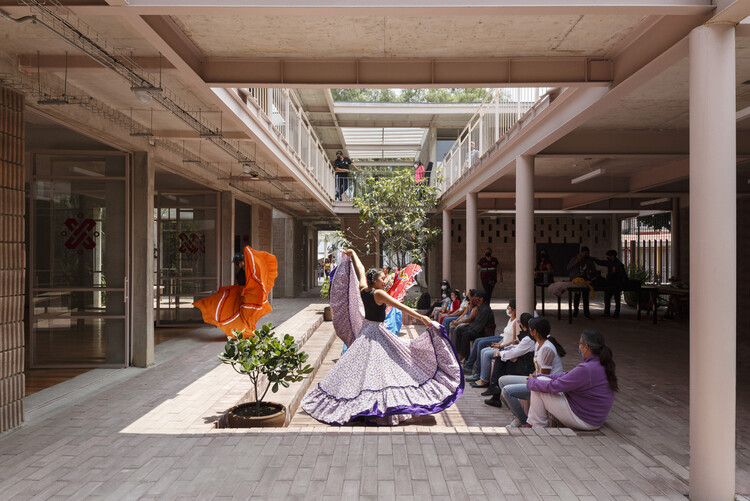
The cultural center is an architectural typology that has fascinated architects and urban planners for decades. Whether due to its multifaceted program, its often emblematic scale, or its potential to transform the urban context in which it is inserted, it is a building type that carries strong symbolic and conceptual value. The wide circulation of international references—many designed by renowned architects—reinforces the aura of prestige associated with this program, frequently seen as a privileged ground for formal and conceptual experimentation. Not by chance, cultural center designs are among the most recurring themes in competitions, exhibitions, and academic studios.

Yet behind this contemporary fascination lies a complex history in which the notion of space dedicated to culture has been redefined over time, gradually taking the form we recognize today. This ongoing evolution invites us to reflect not only on the historical path of these spaces but also on the possibilities that will shape their future.
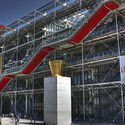
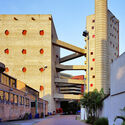
Democratizing Access to Culture: The Past, Present, and Future of Cultural Centers - Image 1 of 4Democratizing Access to Culture: The Past, Present, and Future of Cultural Centers - Image 2 of 4Democratizing Access to Culture: The Past, Present, and Future of Cultural Centers - Image 3 of 4Democratizing Access to Culture: The Past, Present, and Future of Cultural Centers - Image 4 of 4Democratizing Access to Culture: The Past, Present, and Future of Cultural Centers - More Images+ 8

From Favela to the World: The Story Behind the Lá da Favelinha Cultural Center

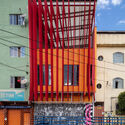
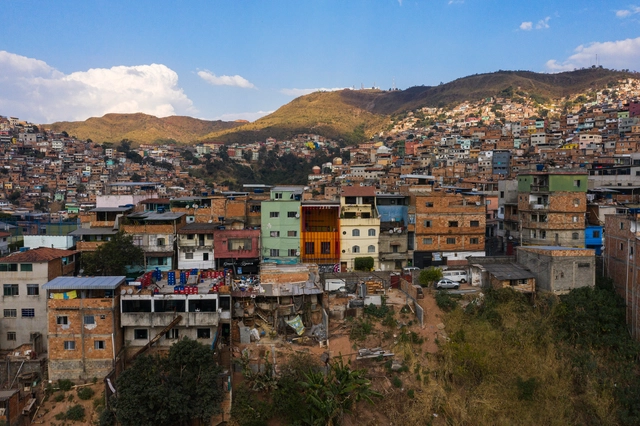
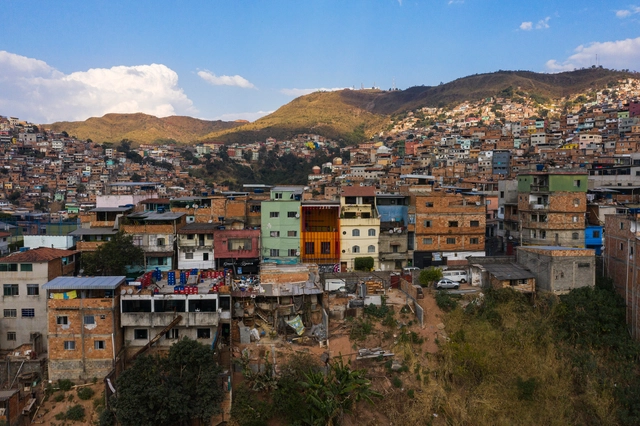
In Belo Horizonte’s Aglomerado da Serra, Brazil’s third-largest favela complex with 50,000 residents, the Lá da Favelinha Cultural Center stands out as a vibrant hub of art and education. Founded in 2015 by the multifaceted artist Kdu do Anjos, the striking red building that stands out in the outskirts has gained recognition in both national and international architectural circles, earning several prestigious awards Yet, the recent renovation by Coletivo LEVANTE—honored as one of the Best New Architectural Practices of 2024—represents far more than vivid colors and bold design. It symbolizes the creativity and potential of the community itself. As a space for support and inspiration, Lá da Favelinha reflects a collective, democratic vision that merges the community’s dreams with the dedication of its founders.

From Favela to the World: The Story Behind the Lá da Favelinha Cultural Center - Image 4 of 4From Favela to the World: The Story Behind the Lá da Favelinha Cultural Center - Image 1 of 4From Favela to the World: The Story Behind the Lá da Favelinha Cultural Center - Image 5 of 4From Favela to the World: The Story Behind the Lá da Favelinha Cultural Center - Image 2 of 4From Favela to the World: The Story Behind the Lá da Favelinha Cultural Center - More Images+ 15

Building Stronger Communities: The Role of Regional Identity in 7 Multi-Purpose Projects

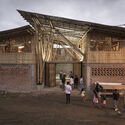
A region's identity is deeply tied to its community spaces. These spaces—whether parks, public squares, or community centers—reflect their users' culture, history, and values. They don't just preserve regional identity; they actively shape how communities engage with their environment, fostering a dynamic relationship between place and people. Community spaces are more than just physical locations; they are vital social hubs that foster engagement, cultural expression, and a sense of belonging. These spaces symbolize a shared identity and purpose.

Building Stronger Communities: The Role of Regional Identity in 7 Multi-Purpose Projects - Image 1 of 4Building Stronger Communities: The Role of Regional Identity in 7 Multi-Purpose Projects - Image 10 of 4Building Stronger Communities: The Role of Regional Identity in 7 Multi-Purpose Projects - Image 22 of 4Building Stronger Communities: The Role of Regional Identity in 7 Multi-Purpose Projects - Image 3 of 4Building Stronger Communities: The Role of Regional Identity in 7 Multi-Purpose Projects - More Images+ 20

ArchDaily's 2024 Best New Practices

Architecture is about giving form to the places where people live. It is no easier, and no more complicated, than that. There are three key words here: "form," "place," and "life." As soon as one reflects on these terms, one immediately comprehends that these things are not all that easy. - Alejandro Aravena

With this phrase in the foreword to ArchDaily's Guide to Architecture, Alejandro Aravena reflects on the underlying complexity of architecture. Something that is essential to our life, but that with the ever growing complexities of our world, becomes a challenging task.

That is why for the 4th consecutive year we embark on a global survey, evaluating the work, ethos and mission behind innovative practices from all over the world. They represent the diversity that is reshaping our field, working across the spectrum between the essence of architecture and its blurry boundaries, ranging from studios to activists, startups and other forms of production, research, and thinking.

These 20 practices, half led by women or as a mix, coming from Europe, South America, North America, Asia and the Middle East, represent the diversity among those who are setting an example of the direction architecture should be heading. At the center of their mission there is a clear forward looking agenda that shapes their work, that reveal a practical consciousness towards the challenges of our world.

Meet ArchDaily's 2024 Best New Practices:

"One Step at a Time": An Interview with Coletivo LEVANTE

Centered on the development of architectural projects in favelas and peripheries, the work of Coletivo LEVANTE showcases a deep sensitivity to the unique characteristics and nuances of these environments. According to the group, "the recognition of what already exists and is attributed with values lived and earned by the favela residents — landscapes, constructions, identities, and relationships" is what they seek as the raw material for their projects. This approach is evident in projects such as Centro Cultural Lá da Favelinha and House in Pomar do Cafezal, winner of the 2023 Building of the Year Award by ArchDaily.

"One Step at a Time": An Interview with Coletivo LEVANTE  - Image 1 of 4"One Step at a Time": An Interview with Coletivo LEVANTE  - Image 2 of 4"One Step at a Time": An Interview with Coletivo LEVANTE  - Image 3 of 4"One Step at a Time": An Interview with Coletivo LEVANTE  - Image 4 of 4One Step at a Time: An Interview with Coletivo LEVANTE  - More Images+ 18

The 15 Winners of the 2023 ArchDaily Building of the Year Awards

After another successful selection process, with over 150,000 votes cast during the last 3 weeks, the collective intelligence of our community has helped us to highlight and recognize the best recent architecture projects. The 75 finalists, which is already a winners list, are a testament to the innovative and diverse ways in which architecture responds to the challenges of our built environment.

The scale of this award is a reflection of how important architecture is today, as the deepening complexity of our world places increasing pressure and demands upon our built environment. To deal with issues such as the climate crisis, energy scarcity, population density, social inequality, housing shortages, fast-moving urbanization, diminished local identity, and a lack of diversity, architecture needs to open itself. We are happy to see how the question posed by this award has gained global attraction. Voices from outside of the architectural profession stated: “This is what we consider good architecture”, due to its impact and symbolism, as seen on Globo or El País. Architectural recognition goes beyond its usual professional borders, and is able to motivate, rejoice and excite an ever growing number of people who understand the importance of our built environment and its impact on quality of life.

The winners are a concrete example of what society recognizes as good architecture, but also of what it demands from it. We take the responsibility to continue building on the spirit of the award, strengthening the expert’s choice and the contribution that our community makes based on their preferences and selections throughout the year, together with the voice of a wider community.

The ArchDaily Building of the Year Awards is brought to you thanks to Dornbracht, renowned for leading designs for architecture, which can be found internationally in bathrooms and kitchens.