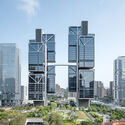
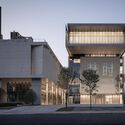
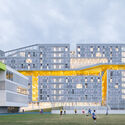
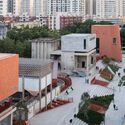
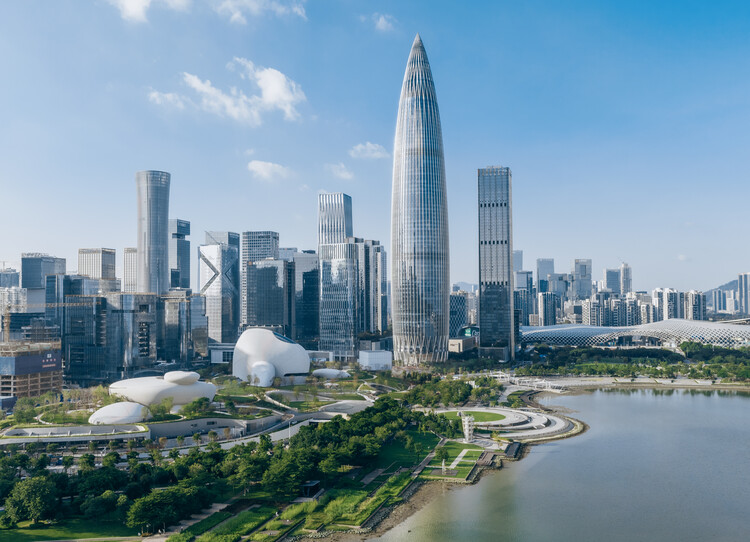
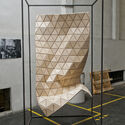
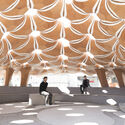
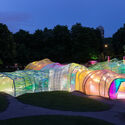
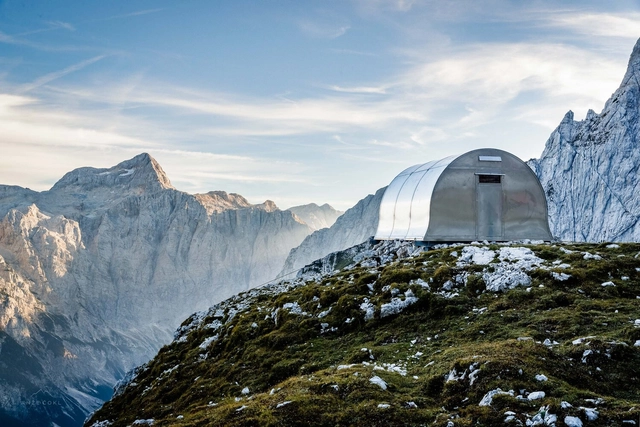
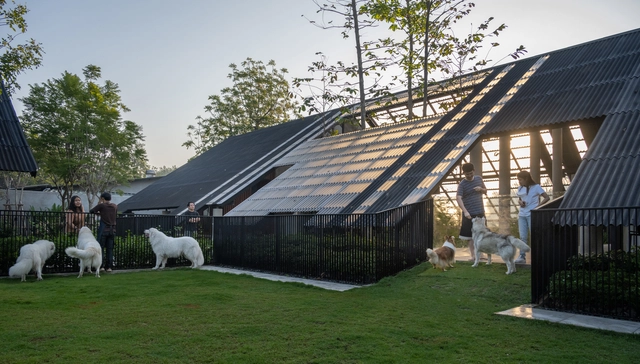
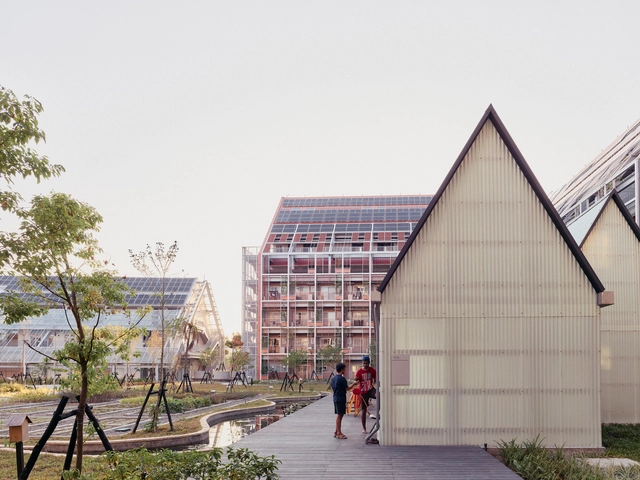
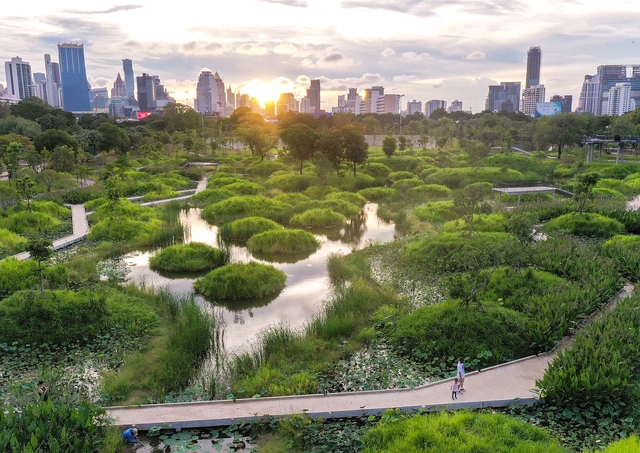
Shenzhen is China's first Special Economic Zone(SEZ), serving as a window for China's Reform and Opening-up and an emerging immigrant city. It has evolved into an influential, modern, and international metropolis, creating the world-renowned "Shenzhen Speed" and earning the reputation of the "City of Design." Architectural design stands as the most intuitive expression of Shenzhen's spirit of integration and innovation. Over the past decade (2015-2025), the development of urban architecture in Shenzhen has closely integrated with its open and inclusive urban character, ecological advantages of being nestled between mountains and the sea, and the local spirit of blending traditional culture with innovative technology, showcasing Shenzhen's unique charm and robust vitality across multiple dimensions.
The Nile Delta, in blue the rise of mean sea level with a 2°C increase above pre-industrial levels, Sentinel data. Territorial Agency: Oceans in Transformation, 2020
How heavy is a city, and what does that weight mean for our collective future? This provocative question guides the 7th edition of the Lisbon Architecture Triennale, which proposes an inquiry into the transformations of urban life and the material, social, and environmental consequences of inhabiting the planet today. From October 2 to December 8, Lisbon will once again host one of Europe's most significant architectural events.
Curated by Ann-Sofi Rönnskog and John Palmesino, founders of the practice Territorial Agency, the Triennale investigates the magnitude of contemporary cities and their planetary impact. Composed of nearly 30 trillion tons of materials, global cities form a dense and intricate web of continuously evolving structures. To unpack these complexities, the Triennale opens itself as a space of learning, curiosity, imagination, and debate — a meeting ground for architects, researchers, artists, and the wider public.
https://www.archdaily.com/1034626/how-heavy-is-a-city-exploring-the-lisbon-architecture-triennale-2025ArchDaily Team
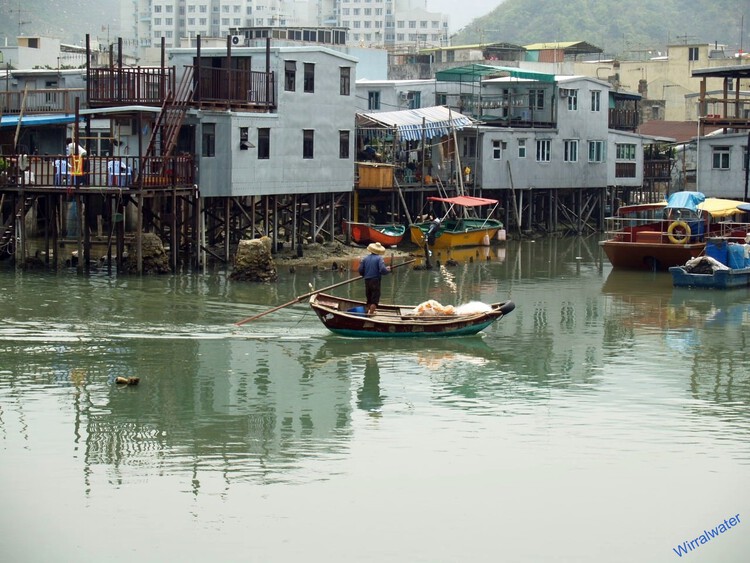
While Hong Kong is widely celebrated for its iconic harbor view, glittering skyline, and fast-paced urban lifestyle, its origins tell a different story—one deeply rooted in its relationship with water. Before transforming into a dense, vertical metropolis, Hong Kong's architectural identity was closely tied to its maritime context. Today, the city is often associated with slender, glass-clad towers that symbolize modernity. While visually striking in their pursuit of height and form, many of these buildings appear disconnected from their immediate environment, often overlooking natural site conditions, ecological responsiveness, and contextual sensitivity.
Historically, however, this was not the case. Hong Kong's earliest built environments—rural fishing villages in areas like Tai O, Aberdeen, and Shau Kei Wan—emerged through organic, community-driven spatial practices that engaged closely with their surroundings. These coastal and riverside settlements developed architectural systems tailored to the marine environment and to the rhythms of fishing life. Villages were sited around water, and construction strategies were adapted to fluctuating tides, terrain, and social use.
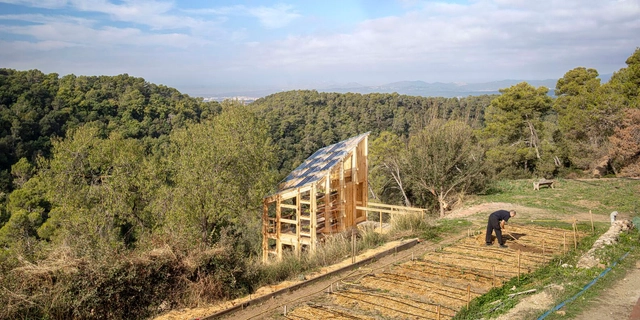
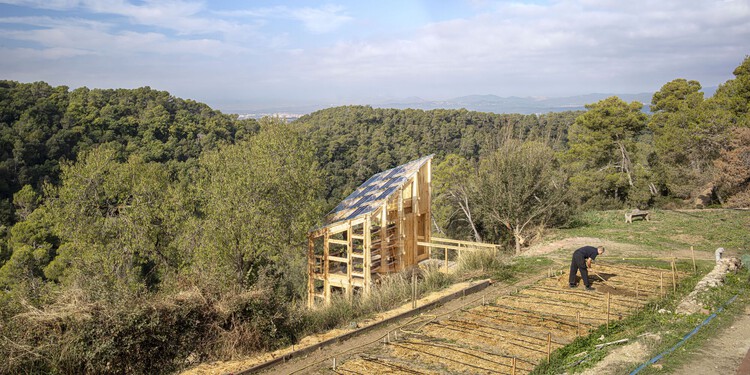
Facing an interconnected planetary climate crisis, biodiversity loss, and resource depletion, regenerative design emerges as a pathway toward building resilient and ecologically attuned rural futures. At the intersection of architecture, agriculture, and local ecosystems, new models of resilient, self-sufficient agricultural practices are emerging. These projects are not grand industrial systems but small-scale, precise, and deeply contextual architectural interventions that create spaces that foster sustainable cultivation while respecting environmental rhythms, local materials, and community knowledge.
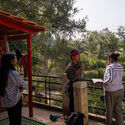
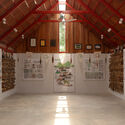
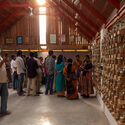
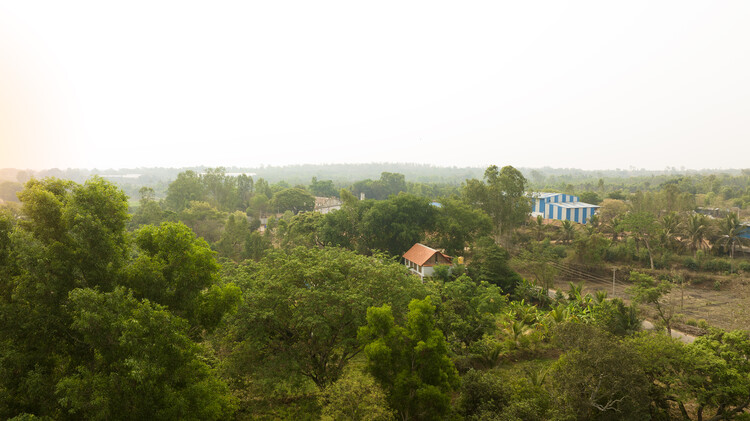
Located on a farm in southern India, the Rice Museum occupies the upper floor of Syed Ghani's home, nestled in the verdant agricultural landscape of Mandya — a region shaped by brick structures, expansive greenery, and ancestral farming knowledge. Syed Ghani, a farmer, historian, and museologist, has dedicated himself to preserving indigenous rice varieties through seed conservation, proliferation, and educational initiatives. With the support of local farmers, he has helped recover more than 1,000 native paddy (rice) varieties, safeguarding an essential part of India's agricultural heritage.
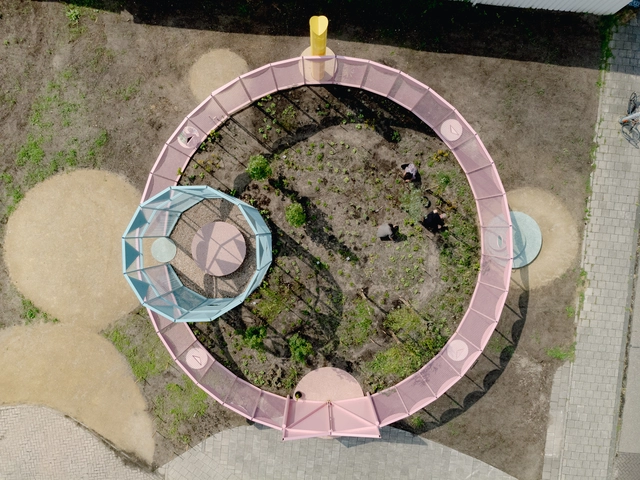
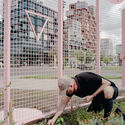
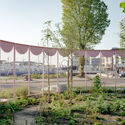
NDSM Lusthof / Studio Ossidiana. Image Courtesy of Studio Ossidiana, Riccardo de Vecchi
As climate instability reshapes design priorities, architecture is increasingly drawn into ecological debates not as a spectator but as a participant. Among the concepts gaining traction is rewilding, a practice rooted in the restoration of self-sustaining ecosystems through the reintroduction of biodiversity, the removal of barriers, and the rebalancing of human presence in the landscape. Though often associated with conservation biology, rewilding also opens up new spatial and architectural imaginaries — ones that challenge conventional notions of permanence, authorship, and use.
In recent years, architecture has increasingly embraced adaptability, flexibility, and responsiveness as core design principles. This evolution reflects a shift from traditional notions of static, permanent structures to dynamic environments that can adjust to changing needs and conditions. Central to this transformation is the concept of "soft architecture", which leverages pliable materials and innovative systems to create spaces that are functional, sustainable, and user-centric. Soft architecture takes shape through membranes that breathe, façades that move, structures that inflate or fold, and surfaces that bend rather than break. It involves designing for transformation — not only in how a building performs environmentally, but also in how it can accommodate shifting functions, user interactions, or temporary occupations. This approach to building challenges traditional notions of durability and control, proposing instead a more responsive and open-ended architecture. It reflects a growing awareness that buildings, like the societies they serve, must be able to evolve.
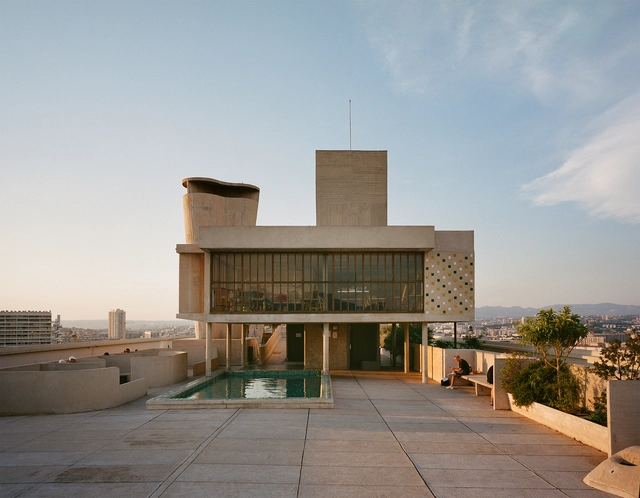
Modernism emerged in the early 20th century as a revolutionary movement that rejected historical styles, prioritizing functionality, innovation, and rationality. Grounded in the promise of industrial progress, architects like Walter Gropius, Le Corbusier, and Ludwig Mies van der Rohe championed using new materials and construction methods, striving for a universal architectural language. Their work introduced radical ideas: open floor plans, expansive glazing for natural light, and pilotis that elevated structures, symbolizing a new architectural era. However, alongside its groundbreaking ideas, modernism's relationship with sustainability has sparked ongoing debates.
While modernist architects sought to address social and economic challenges through affordable housing and efficient design, their reliance on energy-intensive materials like concrete and steel created unintended environmental consequences. The large-scale industrialization celebrated by modernists often disregarded local climates and ecological systems, leading to inefficiencies. Yet, the principles of functionality and adaptability embedded in modernist architecture laid the groundwork for what we now recognize as sustainable practices. From Le Corbusier's rooftop gardens to Frank Lloyd Wright's integration of nature, the seeds of environmentally conscious design were undeniably present, albeit limited in their execution.
This article is the winning entry of the Epistle Writing Prize 2024, an annual competition dedicated to recognizing outstanding writing on design, architecture, and the environment.
We might be in the age of the digital cloud - however celestial or ethereal it may appear to be - but it is not only incontrovertibly material but also a powerful ecological force. In present times, data centers are mammoth powerhouses of modern information, communication, and technology industries with giant servers that store and process data. While their proliferation is in a sense, a consequence of our consumption patterns, and as the global demand for the digital grows, so does the data center footprint.
Mountainous and high-altitude regions are considered to be among the most fragile ecosystems on Earth. From melting glaciers to land erosion, these environments face mounting threats from climate change, making it imperative to reimagine how architecture and its supporting infrastructure are designed for such places.
With the heightening of ecological and social crises all around the world, architects have had to re-evaluate their role, impact, and design approach. As the "new needs" of people arise, new architectural processes must be explored to answer them. However, this still comes with much resistance from the standing practices and push for financial gain that often makes it difficult to implement more comprehensive solutions. These notions led the CCA (Canadian Center for Architecture) to launch their new 3-part film and exhibit series called " Groundwork", curated by the associate director, Francesco Garutti. Through this project, the CCA selected and followed three renowned contemporary architects/practices as they developed their concepts and field research, which allowed them to engage respectfully with their site and residing communities. It's an up close and personal look into what motivates the selected architects to examine alternative ways of designing and the challenges they go through as the three parallel stories unfold.
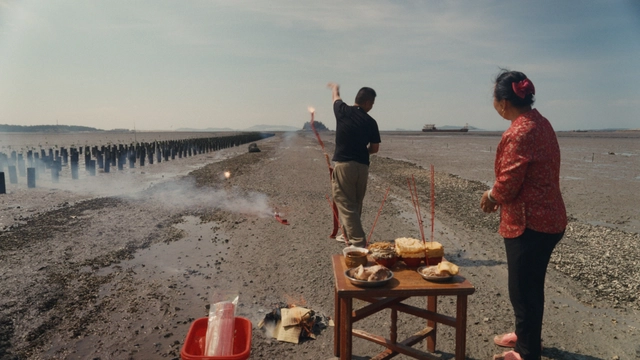
The first exhibit opening and movie screening was held in May 2024, followed by an in-conversation event with the program curator and architect, where the question of "What is architecture today" was discussed. The exhibit and its many showcased elements, channels visitors along to the first site exploration with DnA's Xu Tiantian as she ventures "Into the Island" of Meizhou, China, in the summer of 2022.
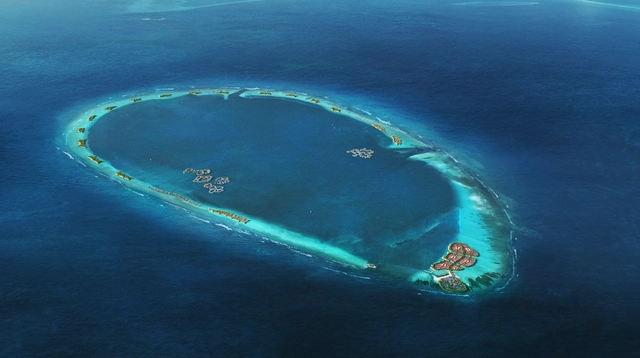
Foster + Partners, in collaboration with the Maldives Fund Management Corporation (MFMC), has unveiled the masterplan for Gaafaru, an inhabited island in the Kaafu Atoll of the Maldives. This project is designed to ensure a sustainable and resilient future for the island by addressing the critical challenges posed by climate change, rising sea levels, and social inequalities. At the heart of this plan are six guiding principles that aim to balance environmental protection with community prosperity, creating a model of future-proof island development.
Are humans the only stewards of the built environment? For many architects and planners, spaces are designed with a focus on the needs, comfort, and health of humans. A spatial ordering, in constructed spaces and the urban fabric, designates humans as the default, singular user in this scenario. However, as much as humans have influenced the trajectory of the world, other species play a crucial role in designing, forming, and maintaining the urban landscapes of the twenty-first century.
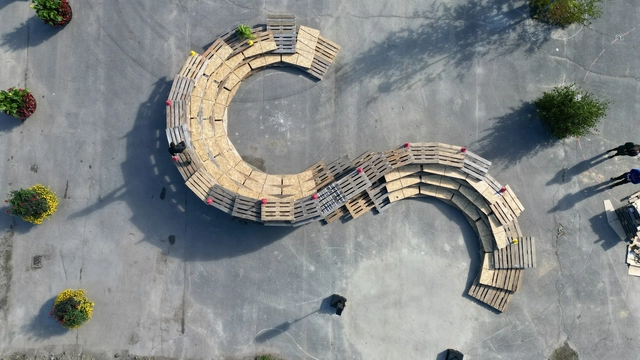
Pallet Parliament / Alejandro Haiek, Rebecca Rudolph, and Raffaele Errichiello. Umeå, Sweden 2022 Photo: Kent Brodin. Image Courtesy of Alejandro Haiek Coll
Architecture practices usually start their design process with a client, who provides a program and a site. Alejandro Haiek, founder of The Public Machinery, approaches things differently. The Public Machinery describes itself as a network of architects and designers working collectively, actively observing, imagining, and proposing public urban interventions themselves. Their proposals are at the intersection of art, architecture, and engineering and weave community engagement, ecology, and new technologies into innovative forms of social infrastructure. They secure funding through research and public grants, enabling them to create public spaces that defy expectations in both their design process and in the form their projects take.
If the past few years were a perfect occasion for reflecting and debating on well-being, digitalization, and democratization in architectural design, this 2023 has been a tremendous opportunity to delve deeper and comment on other urgent topics: The climate crisis and the natural environment have unquestionably entered the global agenda of architecture and construction, alongside circularity, energy efficiency, and decarbonization. It's time to engage in dialogue about these matters to conscientiously build for the future.
Reviewing the future of wood, water, and lighting, in each of the related topics that ArchDaily developed month by month, we posed an open question for you - our dear readers - to actively contribute with your experiences and knowledge. After reading and compiling an immense amount of received messages, from construction professionals to students and architecture enthusiasts, it's time to present you with a summary of the main perspectives. Many thanks for your opinions, and we look forward to your comments for 2024!
In 2019, as the world was on the brink of facing one of the most significant pandemics in recent history, Ailton Krenak, a Brazilian indigenous leader, environmentalist, and philosopher, published a book titled Ideas to Postpone the End of the World. This brief booklet, comprising slightly more than 80 pages, came into circulation at a critical juncture, providing both reassurance and a cautionary message to humanity during a time when it observed the rapid evolution of history.
Modernity and globalization have significantly reduced geographical distances, transformed social interactions, and accelerated the flow of information across nations, which has, in a sense, made the world more accessible to people everywhere. However, it's important to note that when we say "everyone," we refer to a vast and diverse population. Modernity and globalization had an impact on noticeable inequalities in both social and technological realms, as more advanced and privileged nations have established benchmarks and norms for leisure, culture, and consumption. As a result, certain cultures have established a dominant influence, promoting the notion that there is a "correct" way to live and build cities. This unchecked pursuit of development comes at a significant cost to the Earth's ecosystems and biomes.
Today is the premiere of the first episode of a new documentary series that explores the projects of Al Borde. Titled "Building with Living Trees", this first instalment highlights the stories behind Casa Jardín (Garden House), a single-family home located in the suburban area of Quito, Ecuador.
Designed for an ecologist named José, the residence is developed into three small independent pavilions with hybrid structures that combine living trees with various construction systems. These structures utilize a vernacular technique of living fences that has been employed in the Andes since ancient times, showcasing a genuine pursuit of coexistence between architecture and nature.