1. ArchDaily
  2. Energias renováveis

Energias renováveis: The Latest Architecture and News

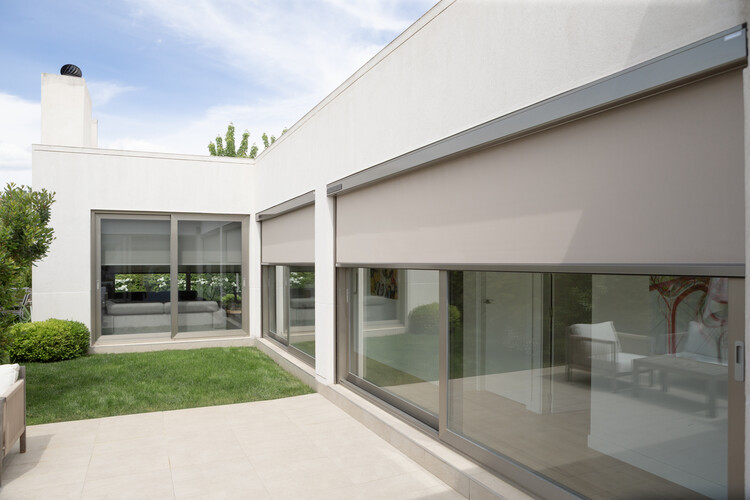
Self-Sufficient Facades: Where Solar Protection Meets Renewable Energy

 | Sponsored Content

Taking a deeper look at the interplay of light and shadow in architecture seems to be a recurring topic on the agenda of many professionals in the field. Spaces of light and darkness are conceived to enhance circulation and spatial directionality, as well as to highlight the colors, textures, and forms of specific architectural elements. That said, the impact of natural light on building facades reveals the need to develop strategies that support energy savings, improve the thermal and visual comfort of interior spaces, and promote the reduction of carbon emissions. Considering light as another material in architecture, in what ways could its power contribute to the architectural experience?

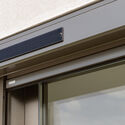
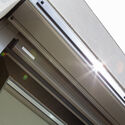
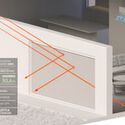
Self-Sufficient Facades: Where Solar Protection Meets Renewable Energy - Image 1 of 4Self-Sufficient Facades: Where Solar Protection Meets Renewable Energy - Image 2 of 4Self-Sufficient Facades: Where Solar Protection Meets Renewable Energy - Image 3 of 4Self-Sufficient Facades: Where Solar Protection Meets Renewable Energy - Image 4 of 4Self-Sufficient Facades: Where Solar Protection Meets Renewable Energy - More Images+ 1

People Power: 19 Public Buildings that Generate Renewable Energy

People Power: 19 Public Buildings that Generate Renewable Energy  - Featured Image
Powerhouse Brattørkaia / Snøhetta. Image: © Ivar Kvaal

The global climate crisis is one that requires discussion in many areas of life, from planning for containment to the prevention of consequences. One of the main factors in this debate involves our means of energy production that, historically, were responsible for severe damage to the environment. This was due to the lack of concern to seek renewable and sustainable sources to generate electricity, and also the lack of technology. In general, traditional methods of electrical energy are ones that produce waste, release atmospheric and water pollutants, and use non-renewable resources.