1. ArchDaily
  2. Environmental Design

Environmental Design: The Latest Architecture and News

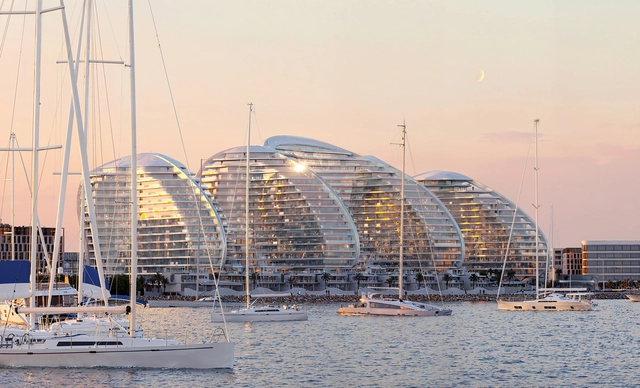
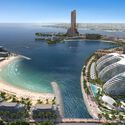
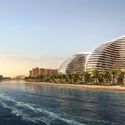
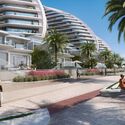
Zaha Hadid Architects Unveils Design of Oystra Mixed-Use Development in the United Arab Emirates

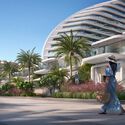
Oystra, designed by Zaha Hadid Architects, is a 128,000-square-metre seafront development located on Al Marjan Island in Ras Al Khaimah, United Arab Emirates, that comprises 950 residential units, a comprehensive range of shopping, dining, and leisure amenities. Ras Al Khaimah, one of the UAE's fastest-growing emirates, is projected to see a 55% increase in its population by 2030, driving the need for an additional 45,000 homes. The emirate's tourism sector is also experiencing significant growth, with the number of visitors expected to rise to 3.5 million annually by 2030, up from 100,000 in 2013.

Zaha Hadid Architects Unveils Design of Oystra Mixed-Use Development in the United Arab Emirates - Image 1 of 4Zaha Hadid Architects Unveils Design of Oystra Mixed-Use Development in the United Arab Emirates - Image 2 of 4Zaha Hadid Architects Unveils Design of Oystra Mixed-Use Development in the United Arab Emirates - Image 3 of 4Zaha Hadid Architects Unveils Design of Oystra Mixed-Use Development in the United Arab Emirates - Image 4 of 4Zaha Hadid Architects Unveils Design of Oystra Mixed-Use Development in the United Arab Emirates - More Images+ 2

ECC Announces the 2025 Time Space Existence Exhibition in Venice as a Call to Repair, Regenerate, and Reuse

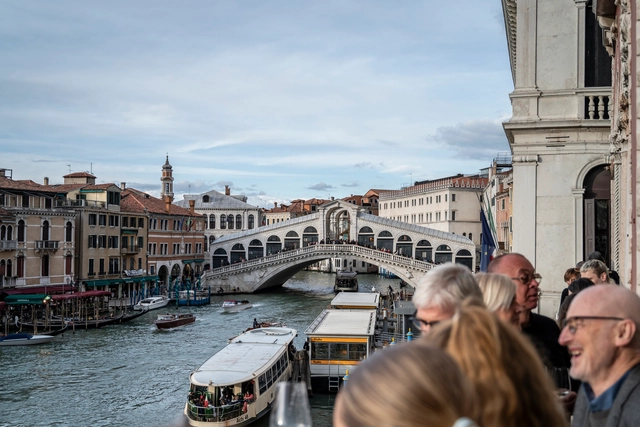
The 2025 iteration of the Time Space Existence exhibition is set to attract audiences from May 10 to November 23. Organized by the European Cultural Centre (ECC) in Venice's renowned venues—Palazzo Bembo, Palazzo Mora, and Marinaressa Gardens—this seventh edition brings together a diverse cohort of 207 architects, designers, artists, and researchers from over 52 countries. All contributions are curated under the theme of "Repair, Regenerate, and Reuse" as an exploration of architecture's capacity to engage with critical environmental, social, and cultural challenges. Highlights of the Special Projects section include ArchDaily's inaugural exhibition, presenting six architecture offices previously recognized as Best New Practices as emerging voices in the field of architectural innovations.

ECC Announces the 2025 Time Space Existence Exhibition in Venice as a Call to Repair, Regenerate, and Reuse - Image 1 of 4ECC Announces the 2025 Time Space Existence Exhibition in Venice as a Call to Repair, Regenerate, and Reuse - Image 2 of 4ECC Announces the 2025 Time Space Existence Exhibition in Venice as a Call to Repair, Regenerate, and Reuse - Image 3 of 4ECC Announces the 2025 Time Space Existence Exhibition in Venice as a Call to Repair, Regenerate, and Reuse - Image 4 of 4ECC Announces the 2025 Time Space Existence Exhibition in Venice as a Call to Repair, Regenerate, and Reuse - More Images+ 3

To Live Well in High-Density Cities: Connections of Urban Density and Public Health

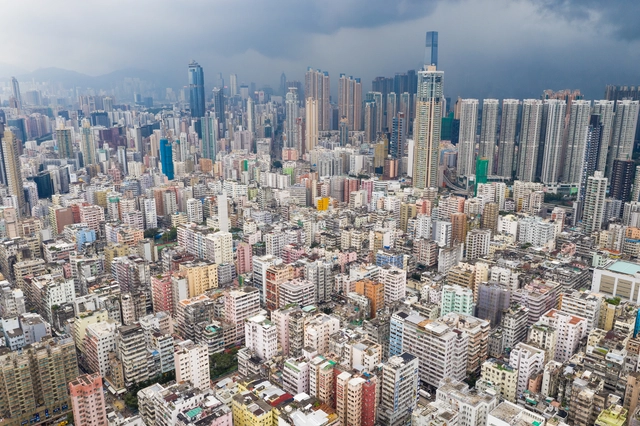
As the global population continues to surge, cities become increasingly complex ecosystems, dense and bustling environments home to millions of people. Today, more than half of the world's population lives in cities, which is expected to grow dramatically in the coming decades. This rapid urbanization presents a complex set of challenges for the architects and planners tasked with creating spaces that can accommodate urban residents' lives.

To Live Well in High-Density Cities: Connections of Urban Density and Public Health - Image 1 of 4To Live Well in High-Density Cities: Connections of Urban Density and Public Health - Image 2 of 4To Live Well in High-Density Cities: Connections of Urban Density and Public Health - Image 3 of 4To Live Well in High-Density Cities: Connections of Urban Density and Public Health - Image 4 of 4To Live Well in High-Density Cities: Connections of Urban Density and Public Health - More Images+ 10

Rising Above: Environmental Conditions for Elevating Architectural Foundations

Subscriber Access | 

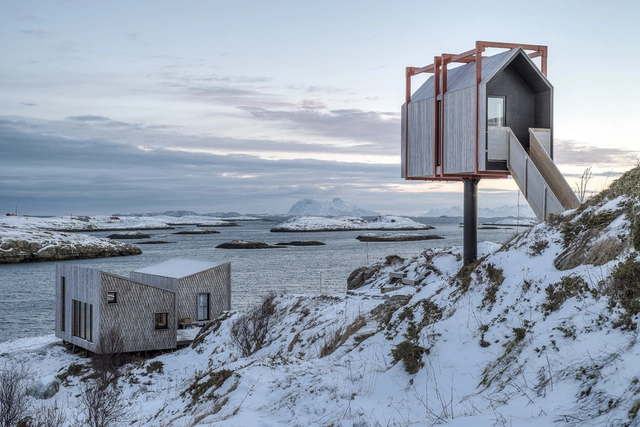
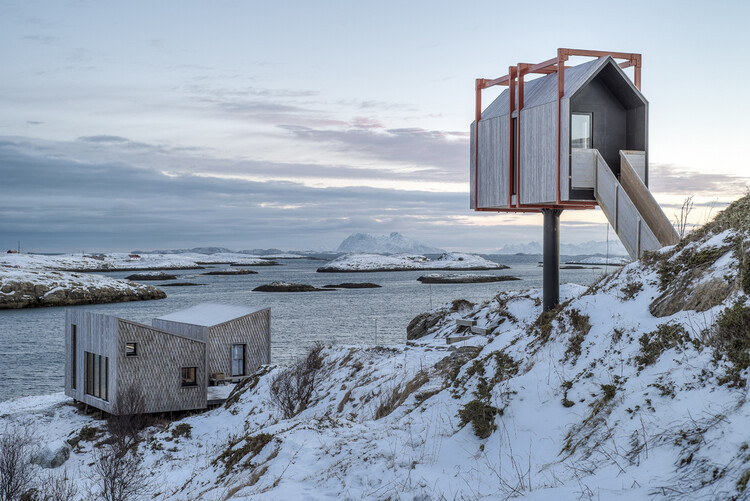
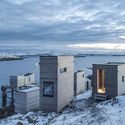
The decision to lift a building off the ground is a technical maneuver that requires substantial planning, expertise, and careful consideration. It is a deliberate architectural response to the site's forces and fragilities. Floodplains, wetlands, and thawing tundra share a common thread: Architects reconcile risk and vulnerability through elevated structures. In this sense, it is a spatial response and a structural necessity.

Rising Above: Environmental Conditions for Elevating Architectural Foundations - Image 1 of 4Rising Above: Environmental Conditions for Elevating Architectural Foundations - Image 2 of 4Rising Above: Environmental Conditions for Elevating Architectural Foundations - Featured ImageRising Above: Environmental Conditions for Elevating Architectural Foundations - Image 3 of 4Rising Above: Environmental Conditions for Elevating Architectural Foundations - More Images+ 11

In Pursuit of Health: How Medical Concerns Shaped Modernist Architecture

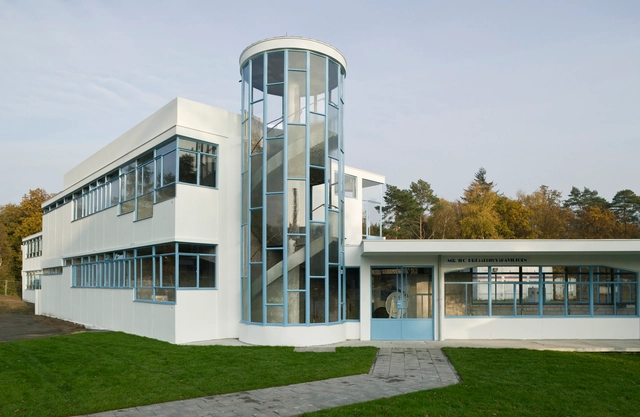
The intersection of architecture and medicine profoundly shaped modernist design, where transparency, light, and air became essential tools in the pursuit of health. Emerging from the tuberculosis crisis of the late 19th and early 20th centuries, the sanatorium evolved beyond a medical facility into a testing ground for architectural innovation. The necessity of fresh air, sunlight, and sterility transformed these spaces into prototypes for modernist principles, influencing spatial organization, material choices, and design philosophies that extended far beyond healthcare.

More than sites of treatment, sanatoriums embodied contemporary medical theories in built form. At a time when tuberculosis — often called the white plague — devastated populations worldwide, medical professionals prescribed environmental exposure as the primary therapy. Architecture adapted accordingly, producing buildings with expansive terraces, large windows, and streamlined interiors designed to optimize ventilation and maximize natural light.

In Pursuit of Health: How Medical Concerns Shaped Modernist Architecture - Image 1 of 4In Pursuit of Health: How Medical Concerns Shaped Modernist Architecture - Image 2 of 4In Pursuit of Health: How Medical Concerns Shaped Modernist Architecture - Image 3 of 4In Pursuit of Health: How Medical Concerns Shaped Modernist Architecture - Image 4 of 4In Pursuit of Health: How Medical Concerns Shaped Modernist Architecture - More Images+ 28

Touching the Earth Lightly: How Freeing the Ground Plane Shapes Architectural Atmosphere

Architecture and its atmospheric qualities have long been a subject of discussion, yet reaching a consensus on the matter remains elusive. This is largely because spatial experience is deeply personal—rooted in emotions, sensory perceptions, and individual preferences that are difficult to articulate in words alone. The way one perceives, feels, and interacts with a space adds another layer of complexity, making it challenging to define and agree upon its atmospheric impact. Nevertheless, architects and designers continuously strive to shape environments that are not only functional and comfortable but also capable of evoking emotions and leaving a lasting impression on their occupants.

Touching the Earth Lightly: How Freeing the Ground Plane Shapes Architectural Atmosphere  - Image 5 of 4Touching the Earth Lightly: How Freeing the Ground Plane Shapes Architectural Atmosphere  - Image 1 of 4Touching the Earth Lightly: How Freeing the Ground Plane Shapes Architectural Atmosphere  - Image 2 of 4Touching the Earth Lightly: How Freeing the Ground Plane Shapes Architectural Atmosphere  - Image 3 of 4Touching the Earth Lightly: How Freeing the Ground Plane Shapes Architectural Atmosphere  - More Images+ 36

Rethinking Sustainability Through Site-Specific Strategies

Subscriber Access | 

Sustainability in architecture is often framed as a universal challenge, leading to standardized solutions that prioritize efficiency over context. However, architecture is inherently tied to its environment — buildings interact with climate, topography, and cultural history in ways that demand specificity. Instead of relying on standardized sustainability checklists, how can architecture embrace site-specific solutions? This conversation is deeply connected to the concept of Genius Loci, or the spirit of a place, introduced by Christian Norberg-Schulz and embraced by architects advocating for designs that resonate with their surroundings. It suggests that architecture should not be imposed upon a site but rather emerge from it, informed by its materials, climate, and cultural significance. This philosophy challenges the widespread application of generic sustainable technologies, instead proposing that sustainability must be inherently tied to the location in which it operates.

Rethinking Sustainability Through Site-Specific Strategies - Image 1 of 4Rethinking Sustainability Through Site-Specific Strategies - Image 2 of 4Rethinking Sustainability Through Site-Specific Strategies - Image 3 of 4Rethinking Sustainability Through Site-Specific Strategies - Image 4 of 4Rethinking Sustainability Through Site-Specific Strategies - More Images+ 81

Designing with Humidity: How Architecture Adapts to the World’s Dampest Climates

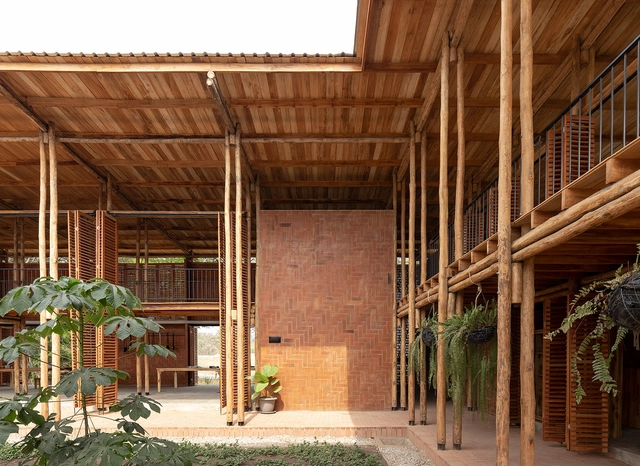
Humid environments present some of the most complex challenges in architectural design. From the tropical monsoon season of Southeast Asia to the equatorial heat of Central Africa, these environments demand solutions that account for intense moisture, high temperatures, and the constant battle against mold, decay, and stagnation. Yet, for centuries, communities in these regions have developed architectural techniques that do not fight against humidity but instead work with it, leveraging local materials, climate-responsive design, and passive cooling techniques to create sustainable and livable spaces. By considering atmosphere as a sensory and climatic phenomenon, architects will craft spaces that are not only evocative but also responsive, adaptive, and sustainable.

Designing with Humidity: How Architecture Adapts to the World’s Dampest Climates - Image 1 of 4Designing with Humidity: How Architecture Adapts to the World’s Dampest Climates - Image 4 of 4Designing with Humidity: How Architecture Adapts to the World’s Dampest Climates - Image 5 of 4Designing with Humidity: How Architecture Adapts to the World’s Dampest Climates - Image 7 of 4Designing with Humidity: How Architecture Adapts to the World’s Dampest Climates - More Images+ 13

Redefining Urban Domesticity: How SO-IL Transforms the Concept of Home

Subscriber Access | 

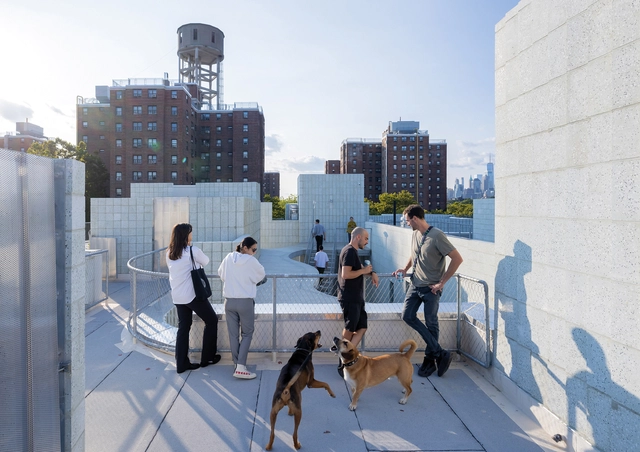
SO-IL (Solid Objectives – Idenburg Liu) is an architectural design firm based in Brooklyn, New York, founded in 2008 by Florian Idenburg and Jing Liu. Known for an architecture deeply engaged with social, cultural, and environmental contexts, the studio focuses on exploring innovative materials, creating fluid spatial experiences, and prioritizing ecological sustainability. SO-IL's work spans various scales and program types, reflecting their versatile approach to design. In 2024, their housing project 450 Warren in Brooklyn was selected as ArchDaily's Building of the Year by the audience in the housing category.

In their latest book, In Depth: Urban Domesticities Today, SO-IL explores the evolving concept of home in contemporary urban contexts, transforming it "from a source of vulnerability into a tool for empowerment." The book redefines domesticity as an active and shared experience and examines how architects can address pressing urban challenges such as affordability, density, and sustainability. SO-IL's work advocates for flexible, resilient housing that fosters community while integrating ecological and social dimensions. ArchDaily spoke with the architects about the innovative solutions and ideas presented in the book, delving into how their projects challenge conventional systems and envision a future where architecture is a tool for empowerment.

Redefining Urban Domesticity: How SO-IL Transforms the Concept of Home - Image 1 of 4Redefining Urban Domesticity: How SO-IL Transforms the Concept of Home - Image 2 of 4Redefining Urban Domesticity: How SO-IL Transforms the Concept of Home - Image 3 of 4Redefining Urban Domesticity: How SO-IL Transforms the Concept of Home - Image 4 of 4Redefining Urban Domesticity: How SO-IL Transforms the Concept of Home - More Images+ 13

Part Infrastructure, Part Landscape, Part Architecture: In Conversation with Marion Weiss and Michael Manfredi

New York architects Marion Weiss and Michael Manfredi founded their studio, Weiss/Manfredi, in 1989 after winning a couple of important competitions—for the Military Women's Memorial at Arlington National Cemetery and Olympia Fields and Community Center near Chicago—both were built in the 1990s. Their most representative built works include the Brooklyn Botanic Garden Visitor Center, Hunter's Point South Waterfront Park, and the Barnard College Diana Center, all in New York City. The architects' Seattle Museum of Art's Olympic Sculpture Park, which won an international competition and was built in 2007, was praised by critics as one of the world's greatest sculpture parks and among the best examples of landscape urbanism.

Part Infrastructure, Part Landscape, Part Architecture: In Conversation with Marion Weiss and Michael Manfredi - Image 1 of 4Part Infrastructure, Part Landscape, Part Architecture: In Conversation with Marion Weiss and Michael Manfredi - Image 2 of 4Part Infrastructure, Part Landscape, Part Architecture: In Conversation with Marion Weiss and Michael Manfredi - Image 3 of 4Part Infrastructure, Part Landscape, Part Architecture: In Conversation with Marion Weiss and Michael Manfredi - Image 4 of 4Part Infrastructure, Part Landscape, Part Architecture: In Conversation with Marion Weiss and Michael Manfredi - More Images+ 12

On Mountains: Architectural Designs Adjusted for High-Altitude Climates

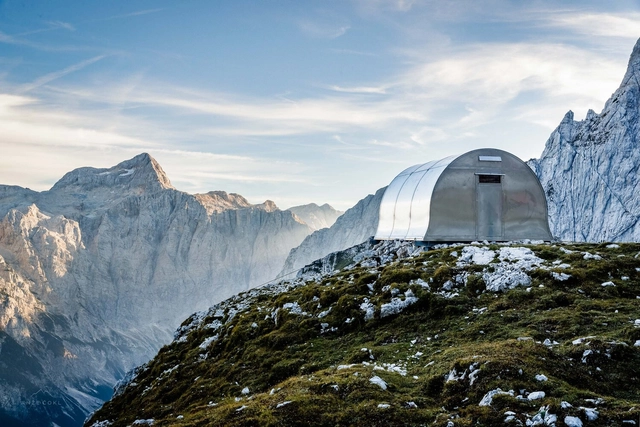
Mountainous and high-altitude regions are considered to be among the most fragile ecosystems on Earth. From melting glaciers to land erosion, these environments face mounting threats from climate change, making it imperative to reimagine how architecture and its supporting infrastructure are designed for such places.

The communities settled in mountain ecosystems are especially vulnerable to the impacts of climate change because of their proximity to early symptoms of changing environments and lack of access to adaptive resources and materials. Beyond all poetic aspirations of building and living in mountain environments, it is an urgent challenge to design solutions that properly resist hostile climatic conditions and promote sustainable and safe human settlements in mountainous regions.

On Mountains: Architectural Designs Adjusted for High-Altitude Climates - Image 1 of 4On Mountains: Architectural Designs Adjusted for High-Altitude Climates - Image 2 of 4On Mountains: Architectural Designs Adjusted for High-Altitude Climates - Image 3 of 4On Mountains: Architectural Designs Adjusted for High-Altitude Climates - Image 4 of 4On Mountains: Architectural Designs Adjusted for High-Altitude Climates - More Images+ 15

A Bio-Digital Exploration: ecoLogicStudio Opens Deep Forest Exhibition at the Louisiana Museum in Denmark

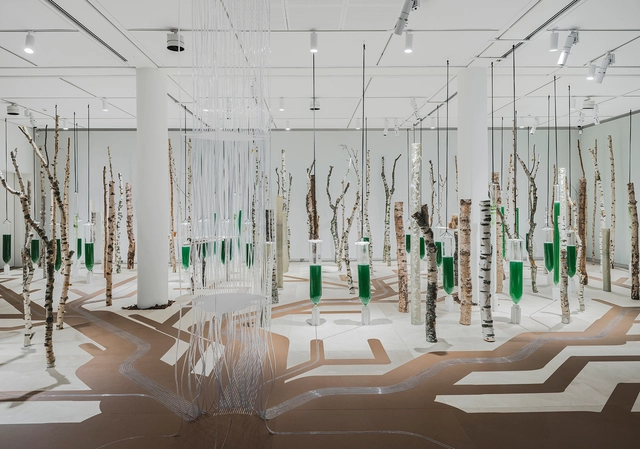
The Louisiana Museum of Modern Art's "Living Structures" exhibition, running from November 8th, 2024, to March 23rd, 2025, features Deep Forest, a new installation by Prof Claudia Pasquero and Dr. Marco Poletto founders of architecture and design innovation firm ecoLogicStudio, together with academic partner Innsbruck University. This immersive work challenges traditional architectural paradigms by embracing the naturalization of architecture and technology, a direct counterpoint to modernist attempts to mechanize nature. The exhibition represents the culmination of twenty years of research in bio-digital design, showcasing the potential of symbiotic relationships between technology and the natural world within built environments.

A Bio-Digital Exploration: ecoLogicStudio Opens Deep Forest Exhibition at the Louisiana Museum in Denmark - Image 1 of 4A Bio-Digital Exploration: ecoLogicStudio Opens Deep Forest Exhibition at the Louisiana Museum in Denmark - Image 2 of 4A Bio-Digital Exploration: ecoLogicStudio Opens Deep Forest Exhibition at the Louisiana Museum in Denmark - Image 3 of 4A Bio-Digital Exploration: ecoLogicStudio Opens Deep Forest Exhibition at the Louisiana Museum in Denmark - Image 4 of 4A Bio-Digital Exploration: ecoLogicStudio Opens Deep Forest Exhibition at the Louisiana Museum in Denmark - More Images+ 27

Global Change Starts Local: The 2024 Politecnico di Torino Student Award

 | Sponsored Content

Can academic projects explore new directions and contribute to public discourse on global and local issues? The 2024 Politecnico di Torino Students Award aimed to address these questions, showcasing how architectural research, training, and experimentation can be integrated into a school curriculum.

Politecnico di Torino is ranked among the top 10 architecture schools in Europe (QS World University Rankings by Subject 2024 - Architecture and Built Environment). With over 3,000 students, the Department of Architecture and Design offers a Bachelor's degree in Architecture and three Master's programs—Architecture for Sustainability, Architecture Construction City, and Architecture for Heritage—all featuring dedicated English tracks. The Department offers also two Bachelor's and one Master's programmes in Design.

Bioclimatic Architecture in Central America: Lessons from Angela Stassano’s Work in Honduras

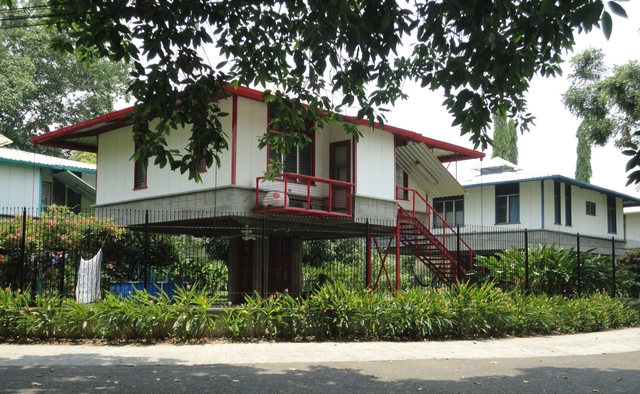
Honduran architect Angela Stassano is contributing to Central America's architectural landscape with her applied research regarding bioclimatic designs. Based in San Pedro Sula, Honduras, her projects draw from local heritage techniques to address the needs of hot, humid tropical environments. Stassano has developed her expertise through over 30 years of hands-on research, culminating in a bioclimatic architecture guide that outlines her methods for construction in this region. One of her most notable projects, Las Casitas, is a residential complex that embodies this research. The project includes multiple energy-efficient tropical houses that harness the local climate, resulting in low energy and operational costs.

Bioclimatic Architecture in Central America: Lessons from Angela Stassano’s Work in Honduras - Image 1 of 4Bioclimatic Architecture in Central America: Lessons from Angela Stassano’s Work in Honduras - Image 2 of 4Bioclimatic Architecture in Central America: Lessons from Angela Stassano’s Work in Honduras - Image 3 of 4Bioclimatic Architecture in Central America: Lessons from Angela Stassano’s Work in Honduras - Image 4 of 4Bioclimatic Architecture in Central America: Lessons from Angela Stassano’s Work in Honduras - More Images+ 8

The Rose Kennedy Greenway: How Boston Unpaved its Way to a Greener City Center

Subscriber Access | 

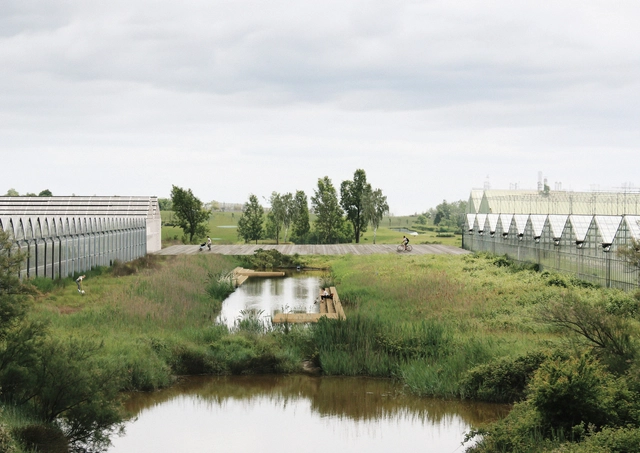
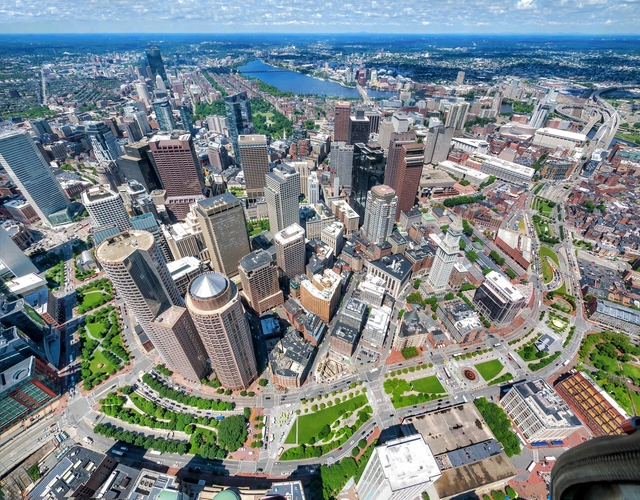
Greenways, as a typology of urban design, have become an essential element in the planning of modern cities. They emerge in response to the increasing fragmentation of urban landscapes by elements such as highways. They usually integrate natural and constructed spaces, providing much-needed connections across various parts of the city. At the same time, they promote pedestrian accessibility, recreation, and social interaction. The Rose Kennedy Greenway in downtown Boston, United States, exemplifies this human-centered approach to design. The project, which began construction in 1991, showcases the potential of greenways to reconnect urban environments and enhance community life. As a series of parks designed by various architecture firms, it aims to create physical links and meaningful spaces that foster social development and a sense of place.

The Rose Kennedy Greenway: How Boston Unpaved its Way to a Greener City Center - Image 1 of 4The Rose Kennedy Greenway: How Boston Unpaved its Way to a Greener City Center - Image 2 of 4The Rose Kennedy Greenway: How Boston Unpaved its Way to a Greener City Center - Image 3 of 4The Rose Kennedy Greenway: How Boston Unpaved its Way to a Greener City Center - Image 4 of 4The Rose Kennedy Greenway: How Boston Unpaved its Way to a Greener City Center - More Images+ 3

The Beaten Path: Connecting Towns and Identity through Appalachian Trail Networks

Subscriber Access | 

Every year, over a thousand people complete the 2,192-mile (3528-kilometer) Appalachian Trail between Springer Mountain in Georgia and Mount Katahdin in Maine. Millions more follow the trail for a shorter stretch by spending time at the countless overlooks, walking along the wooded ridges, or meandering through the small town centers, making this network one of the world's most visited and widely recognized trail corridors. However, the proposal for this expansive trail corridor, originally entered in a 1921 Journal of the American Institute of Architects article by Benton MacKaye, was far from a mere recreational outdoor amenity. This "project in regional planning" was a radical critique of the industrializing modernity that sharpened the divide between expanding cities of the Eastern coast and waning towns of the Appalachian mountains.

The Beaten Path: Connecting Towns and Identity through Appalachian Trail Networks - Image 1 of 4The Beaten Path: Connecting Towns and Identity through Appalachian Trail Networks - Image 2 of 4The Beaten Path: Connecting Towns and Identity through Appalachian Trail Networks - Image 3 of 4The Beaten Path: Connecting Towns and Identity through Appalachian Trail Networks - Image 4 of 4The Beaten Path: Connecting Towns and Identity through Appalachian Trail Networks - More Images+ 26

The Triple Bottom Line in Architecture: Developing Properties for People, Planet, and Profit

Prioritizing people and the planet, when it comes to building construction and real estate development, is being seen as more than an ethical mandate - it is a highly profitable approach. Changing market demands, city ordinances, and regulations, and an emphasis on Environmental, Social, and Governance (ESG) factors are all influencing what successful development in the 21st century stands for.

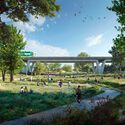
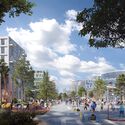
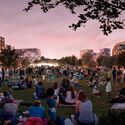
In Toronto, Canada, the ongoing Downsview Airport redevelopment project showcases this mindset in practice. While traditional development has generally focused on maximizing short-term returns, the Downsview project offers a holistic alternative that can invite significant long-term profits, all while addressing broader societal and environmental concerns.

The Triple Bottom Line in Architecture: Developing Properties for People, Planet, and Profit - Image 1 of 4The Triple Bottom Line in Architecture: Developing Properties for People, Planet, and Profit - Image 2 of 4The Triple Bottom Line in Architecture: Developing Properties for People, Planet, and Profit - Image 3 of 4The Triple Bottom Line in Architecture: Developing Properties for People, Planet, and Profit - Image 4 of 4The Triple Bottom Line in Architecture: Developing Properties for People, Planet, and Profit - More Images+ 2

MCHAP Selects Natura Futura + Juan Carlos Bamba’s Community Production Center as its 2024 Emerging Practice Winner

The Mies Crown Hall Americas Prize (MCHAP) has announced the winner of the fifth MCHAP.emerge award: the Community Production Center Las Tejedoras in Guayas, Ecuador, designed by Natura Futura architect José Fernando Gómez and architect Juan Carlos Bamba. The project offers a hub for local women artisans, providing them with spaces to learn, create, and showcase their textile creations. The winner announcement was made at the Conference on Critical Practice held at Mies van der Rohe's S. R. Crown Hall, an inaugural event that brought together the four MCHAP.emerge finalists to open up conversations about the future of the architecture profession across the Americas.


MCHAP Selects Natura Futura + Juan Carlos Bamba’s Community Production Center as its 2024 Emerging Practice Winner - Image 1 of 4MCHAP Selects Natura Futura + Juan Carlos Bamba’s Community Production Center as its 2024 Emerging Practice Winner - Image 2 of 4MCHAP Selects Natura Futura + Juan Carlos Bamba’s Community Production Center as its 2024 Emerging Practice Winner - Image 3 of 4MCHAP Selects Natura Futura + Juan Carlos Bamba’s Community Production Center as its 2024 Emerging Practice Winner - Image 4 of 4MCHAP Selects Natura Futura + Juan Carlos Bamba’s Community Production Center as its 2024 Emerging Practice Winner - More Images+ 7