1. ArchDaily
  2. farming

farming: The Latest Architecture and News

Architecture Inspired by Permaculture: How to Integrate Its Design Principles Across Diverse Contexts

The concept of permaculture refers to a design system capable of creating sustainable human environments based on an ethic and a series of ecological, environmental, and resilience design principles. In contact with plants, animals, buildings, and infrastructures such as water, energy, and/or communications, permaculture analyzes the possible relationships between these elements based on their position in the landscape. Its 12 design principles can be applied in multiple architecture projects of varying scales and programs, contributing, for example, to the dissemination of new ways to reduce energy consumption in homes, save water through rainwater harvesting or the recycling of greywater for sanitary systems, gardens, and more, and participate in food production, among other matters.
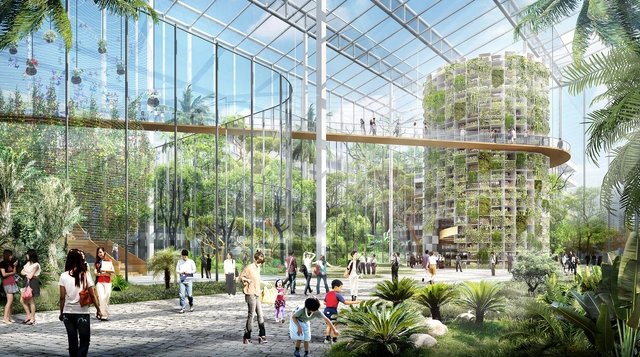
Designing for Plants: The Architecture of Greenhouses and Their Relationship with the Environment

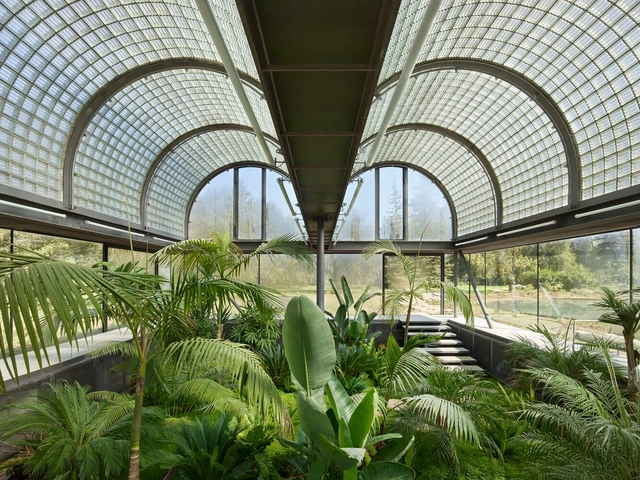
When delving into the envelope of construction and examining how the interior relates to the exterior, the concept of greenhouses emerges as an opportunity to cultivate life indoors, whether dependent on external factors or not. Defined as spaces enclosed by glass or other transparent plastic materials, greenhouses facilitate the growth of vegetables and ornamental plants even during periods of adverse external weather conditions. However, what does designing for plants involve? Climate, species, structural design, and the type of covering are just a few of the considerations to take into account.

From Farm to Fork: How Architecture Can Contribute to Fresher Food Supply

When you come to think of it, most of the food on your plate has a history behind it - a long journey that we are unable to describe. In her book Food Routes: Growing Bananas in Iceland and Other Tales from the Logistics of Eating (2019), Robyn Shotwell Metcalfe refers to the paradox of fish being caught in New England, exported to Japan, and then shipped back as sushi, revealing a large and complex network that nobody can see when they buy takeout Japanese food at the local grocery store.

From Farm to Fork: How Architecture Can Contribute to Fresher Food Supply - Image 1 of 4From Farm to Fork: How Architecture Can Contribute to Fresher Food Supply - Image 2 of 4From Farm to Fork: How Architecture Can Contribute to Fresher Food Supply - Image 3 of 4From Farm to Fork: How Architecture Can Contribute to Fresher Food Supply - Image 4 of 4From Farm to Fork: How Architecture Can Contribute to Fresher Food Supply - More Images+ 6

Agro-Waste Design: Husks, Bagasse and Straw Transformed into Efficient Building Materials

Subscriber Access | 

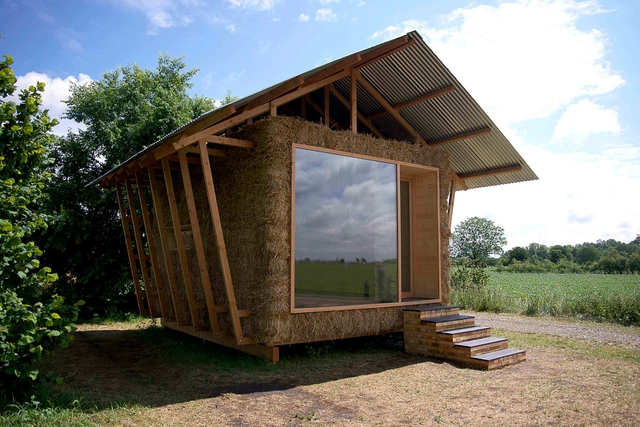
The concept of upcycling refers to taking an item that would be considered waste and improving it in order to make it useful again, adding value and new functionality to it. This is a common word in several industries, such as fashion and furniture. In civil construction, this concept can also be incorporated, making the waste generated by the industry itself recirculate or even bringing what would be discarded from other industries to be processed and incorporated into constructions. This is the case of transforming agricultural waste into building materials, bringing a new use to discards, reducing the use of raw materials and creating products with excellent characteristics.

Lendager Group Unveils Plans for Permaculture Farming and Cabin Escape in Swedish Wilderness

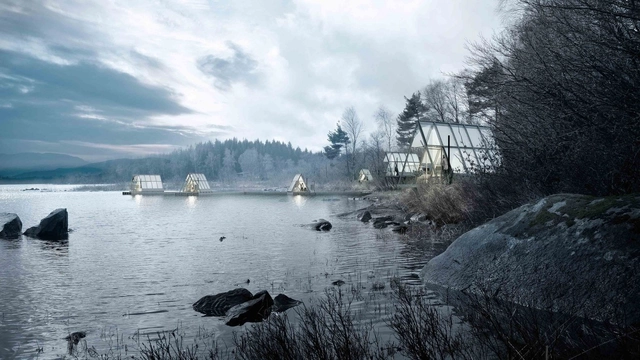
Lendager Group have released drawings and renderings of Stedsans in the Woods, a farming development currently in progress in the deep Swedish wilderness. A collaboration with restaurant owners Mette Helbæk and Flemming Hansen, the project will feature a permaculture farm, restaurant, and lodging. A focus on sustainability and living off the landscape drives both the architecture and the Stedsans brand, who stress the idea of ‘giving more than we take.’ Located in Bohult, Sweden, the development offers visitors an escape from the city with opportunities for fresh dining and connecting with nature.

Lendager Group Unveils Plans for Permaculture Farming and Cabin Escape in Swedish Wilderness  - Image 1 of 4Lendager Group Unveils Plans for Permaculture Farming and Cabin Escape in Swedish Wilderness  - Image 2 of 4Lendager Group Unveils Plans for Permaculture Farming and Cabin Escape in Swedish Wilderness  - Image 3 of 4Lendager Group Unveils Plans for Permaculture Farming and Cabin Escape in Swedish Wilderness  - Image 4 of 4Lendager Group Unveils Plans for Permaculture Farming and Cabin Escape in Swedish Wilderness  - More Images+ 11