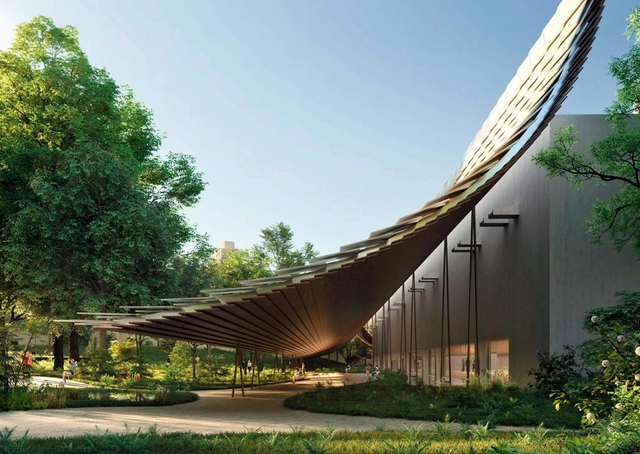
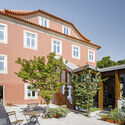
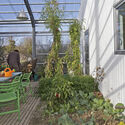
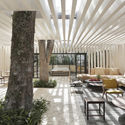
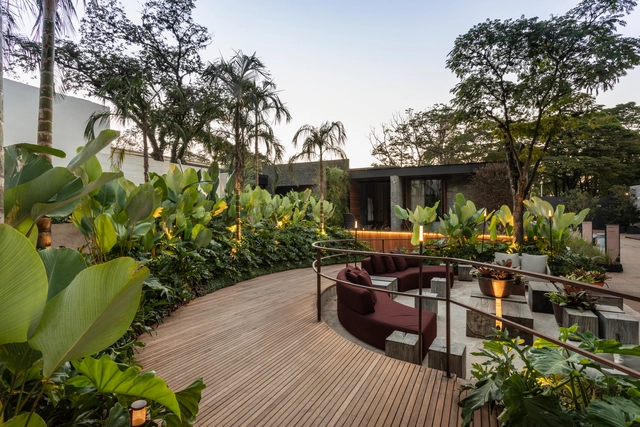
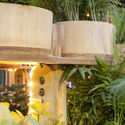
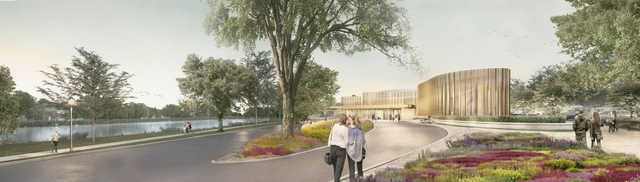
Back in 2019, Japanese architect Kengo Kumawon the contest to design the expansion of the gardens of the Gulbenkian Foundation and the new entrance of the Modern Collection of the Museum in Lisbon, Portugal. According to the architect, the museum can be a "wise example of the future as coexistence with the Earth and us", taking inspiration from nature and its relationship with architecture. In a recent No País dos Arquitectos podcast, Sara Nunes interviews Kengo Kuma and Rita Topa, architect at Kengo Kuma Associates, to talk about the expansion of the gardens and museum, along with the mission of architecture and the role of the architect, processes, and work references developed for the project.
https://www.archdaily.com/973963/kengo-kuma-and-rita-topa-on-the-refurbishment-of-the-gulbenkian-modern-art-center-and-gardens-in-portugalNo País dos Arquitectos
Since before the first industrial revolution, sociologists, historians, and urban planners have been addressing the relationship between the city and the countryside, but this debate has become more pressing nowadays with the spread of megacities, typically with a population of more than 10 million people. With more and more people living in urban areas, it is imperative to think of solutions for food production within cities, thereby making cities more independent from rural areas, which have historically been responsible for the supply of food to the entire planet.
The idea that cities will become self-sufficient in food production in the near future is both unrealistic and naive. Nevertheless, small initiatives such as urban gardens, either at home or public gardens run by the community, might be a good starting point for a much bigger change in the future. Or perhaps they simply represent a desire to return to one's roots and achieve a slightly slower lifestyle.
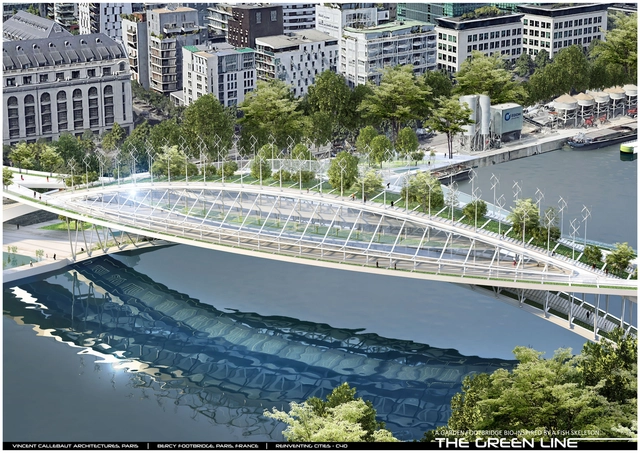
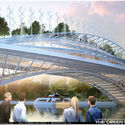
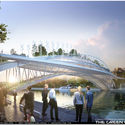
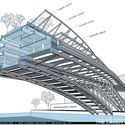
Vincent Callebaut Architectures has created “The Green Line”, an inhabited garden footbridge prototype that “generates its own energy from renewable sources, recycles its own waste and wastewater, and optimizes its needs thanks to Information and Communication Technologies”. Inspired by a fish skeleton, the proposal links the Bercy Village to the Masséna district in Paris, restoring urban connections and connecting the 12th and 13th arrondissements.
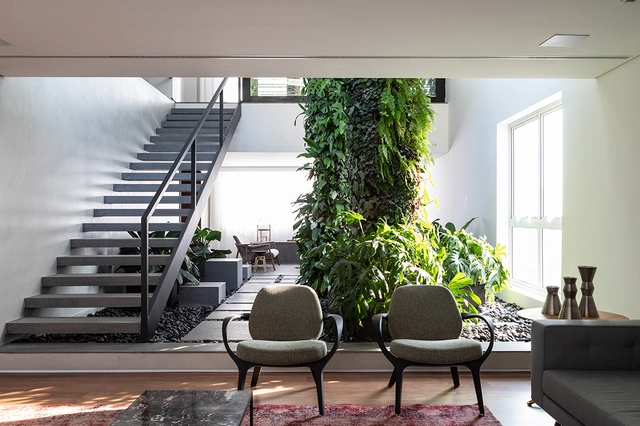
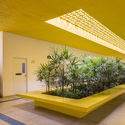
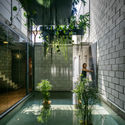
During times of isolation, many people have been talking about the importance of greenery in indoor spaces as a way to nourish our vital relationship with nature. These touches of green can contribute to the well-being and emotional comfort of users, whether in homes or commercial spaces.
Besides this psychological connection, a well-designed indoor garden can also help to purify the air and provide thermal comfort to the environment.
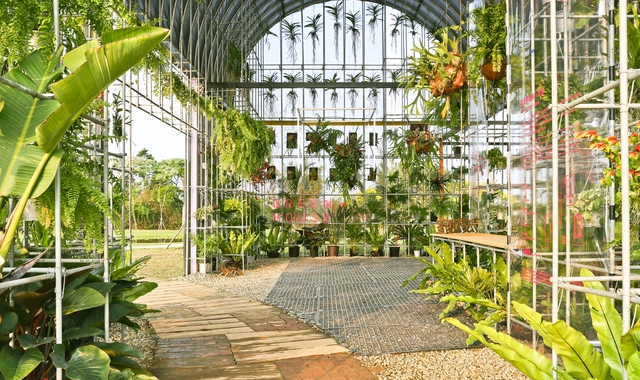
Since at least as early as ancient Roman times, humans have recognized the value of what is now known as controlled environment agriculture, allowing farmers to cultivate plants year-round rather than seasonally. Though they were invented hundreds of years ago, greenhouses continue to be the most popular means of controlled environment agriculture today, with innovations in technology and design having improved both the beauty and efficacy of this typology. Below, we will explore in detail the history and structure of the greenhouse, as well as several examples of innovative and experimental greenhouse design.
https://www.archdaily.com/945828/structure-and-translucent-cladding-how-to-design-a-greenhouseLilly Cao
As you may know, things aren't going too well for mother earth. With challenges like deforestation, fires, pollution, and even methane from cows we are facing an uphill battle against climate change.
Since 2000, over 1 million visitors have discovered the more than 190 contemporary gardens created by designers from 15 countries.
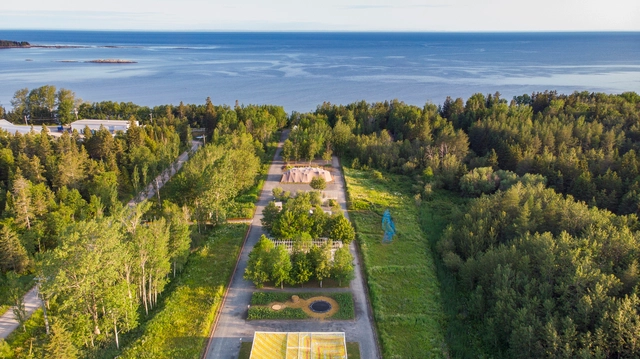
The International Garden Festival, presented at the Jardins de Métis / Reford Gardens in the Gaspésie region of Québec, Canada is preparing its 21st edition and is issuing an international call for proposals to select designers who will create the new temporary gardens that will be presented from June 19, 2020. For its 21st edition, the Festival has chosen Métissages as its theme. Continuing the exploration of new ideas and new realms, the Festival is seeking to connect designers from various fields to favour a crossbreeding of practices and professions.
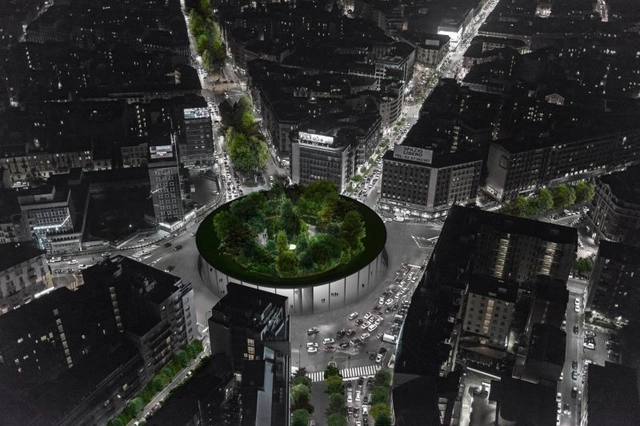
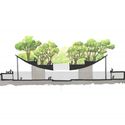
In the city of Milan, architecture firm LAD identified a busy roundabout with the potential to host a new public square typology. Sovraparco, literally “over park,” is a design by the Italian firm and Hypnos Studio to better utilize an existing area in the city, Piazzale Loreto, by infusing it with greenery and public space. The project intentionally does not impose on the surrounding buildings to revamp the area, but instead inserts itself into the central space and aims to rethink what belongs to the public sector.
In its 27th year, Pasadena Heritage will present the Annual Craftsman Weekend on November 9-11, 2018. The weekend will feature house tours of notable Craftsman properties, along with bus and walking tours of the surrounding neighborhoods. Other events scheduled include a 'Show and Sale' with exhibitors of antique and contemporary furniture and decorative arts, a silent auction, workshops, and presentations. In addition, Pasadena Heritage will be offering exclusive receptions at historic locations throughout the weekend.
Download the information related to this event here.
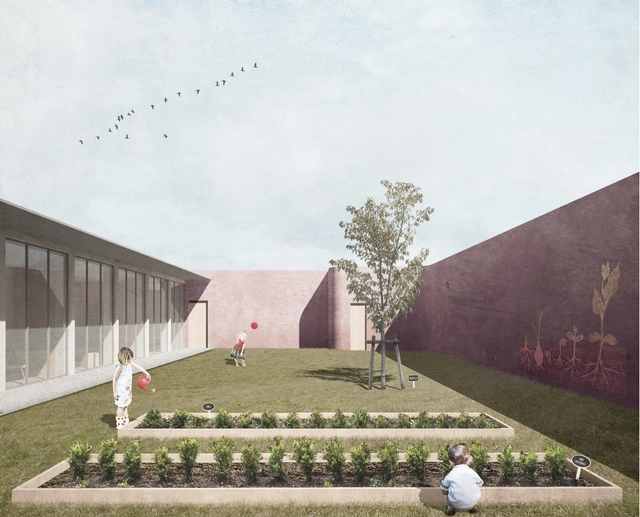
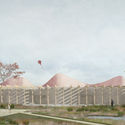
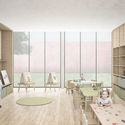
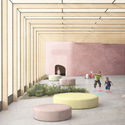
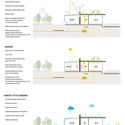
Winning the Italian Ministry of Education's design competition: Scuole Innovative, AS.IN.O is a proposal for a kindergarten and botanical gardens inspired by local materiality and historic context. The team from aut- -aut in Italy, comprised of Gabriele Capobianco, Edoardo Capuzzo Dolcetta, Jonathan Lazar and Damiano Ranaldi, based the layout of the scheme on the typical double courtyard house typology of the Campidano Meridionale area.
As a response to the fast-paced city life, GrowMore is an urban gardening modular design with endless configurations to suit even the most unexpected of spaces. Designed by Sine Lindholm and Mads-Ulrik Husum, the modular building kit provides an opportunity for social interaction and locally grown vegetation, reminding people to pause and connect with nature.
North America’s largest classical repertory theatre company, the Stratford Festival revealed Hariri Pontarini Architects’ design for their new Tom Patterson Theatre at a town hall meeting last month. According to Antoni Cimolino, the Stratford Festival’s Artistic Director, the company desires a new facility that compares to distinguished theatres worldwide.
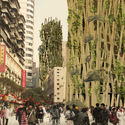
One of the great ironies of modern urban life is the underlying disconnect that exists amongst us global citizens, despite living and functioning within such dense and close proximities. In order to address this issue in the context of China’s urban landscape, New York firm NO ARCHITECTURE has proposed two alternatives to the typical high-rise – two vertical residential typologies that feature a combination of courtyards, terraces, and gardens, and could be located in a wide variety of cities.
“Conceived around a series of cascading shared walls, ventilated courtyards, stepped terraces, and wind towers, these new vertical organizations re-connect urban living to nature, suggesting how we can live in close proximity today and can continue to do so sustainably for generations to come,” explained the architects.
https://www.archdaily.com/869108/no-architecture-emphasizes-urban-sustainability-and-interaction-with-alternative-residential-towers-in-chinaOsman Bari
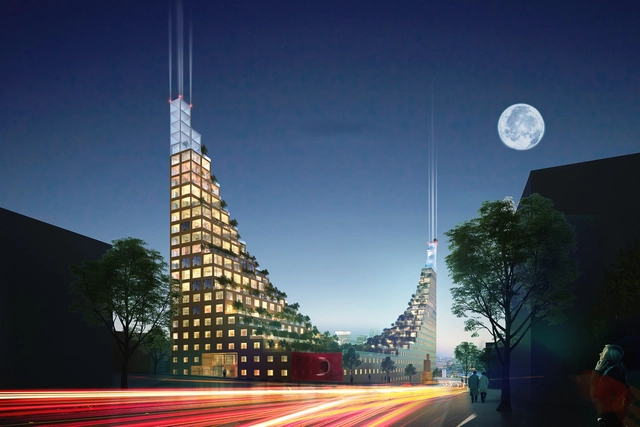
A new housing complex in the form of 500 terraced units has been proposed by London practice Architects of Invention for the city of Birmingham, in response to its growing multicultural population. Drawing inspiration from the ancient Hanging Gardens of Babylon, Garden Hill’s formal composition is that of two staggered 25-storey towers, with private and communal gardens on each level of terraces.
With the project's swooping mass, the residences aim to offer panoramic views of Birmingham, given its central location in the Digbeth area, a 10-minute walk from the city center. Additionally, the staggered towers capture ample daylighting over the course of the day, with the south end benefitting from the morning sun and the north end in the evening.
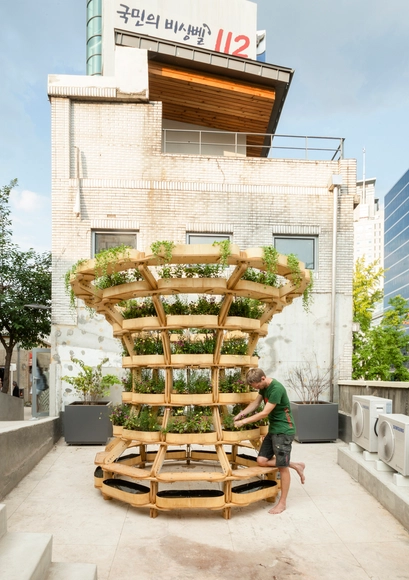
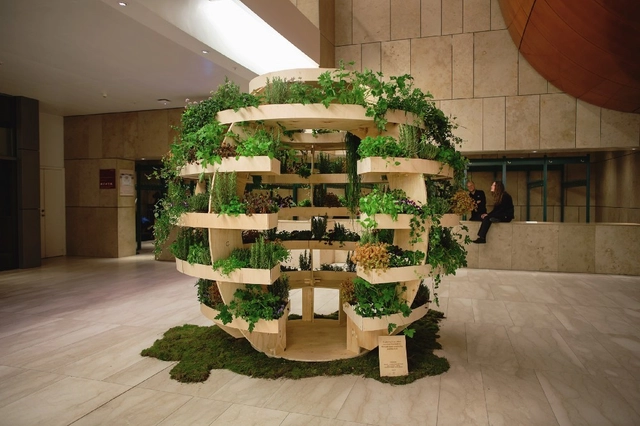
Fresh off winning the “Design of the Year” for their refugee housing solution, the “Better Shelter,” IKEA is again making waves for a pioneering, flat pack solution to societal needs. Developed by the IKEA innovation lab Space10 alongside architects sine lindholm and mads-ulrik husum, the spherical “Growroom” is a DIY garden structure intended to help people “grow their own food much more locally in a beautiful and sustainable way.” And now, plans for the structure have been made available online for free via Space10’s open source platform, giving anyone the opportunity to build their own 3-dimensional garden.